
Food labeling can get unclear, and the confusion creates two major problems at once. Some households throw away perfectly good food far too early, while others keep food that's risky to eat much longer than they should.
The average refrigerator contains at least a few items someone feels uncertain about. Milk that smells fine but passed the date yesterday. Yogurt that still looks normal. Pantry items sitting untouched for months because nobody knows whether they are technically expired. Much of this confusion comes from the fact that expiration labels are often misunderstood from the beginning.

“Best by” usually does not mean unsafe
One of the biggest mistakes people make is assuming every date printed on food represents a hard safety deadline. In many cases, it does not.
“Best by” dates are generally about quality rather than safety. Manufacturers use them to indicate when a product is expected to taste its best or maintain ideal texture. That does not automatically mean the food becomes dangerous the next morning.
Dry pasta, cereal, crackers, canned goods, and many pantry staples often remain perfectly usable beyond those dates if stored correctly. The quality may slowly decline over time, but that is very different from spoilage.
Some more examples of commonly used phrases:
- A "Sell-By" date tells the store how long to display the product for sale for inventory management. It is not a safety date.
- A "Use-By" date is the last date recommended for using the product while at peak quality. It is not a safety date except when used on infant formula as described below.
- A "Freeze-By" date indicates when a product should be frozen to maintain peak quality. It is not a purchase or safety date.
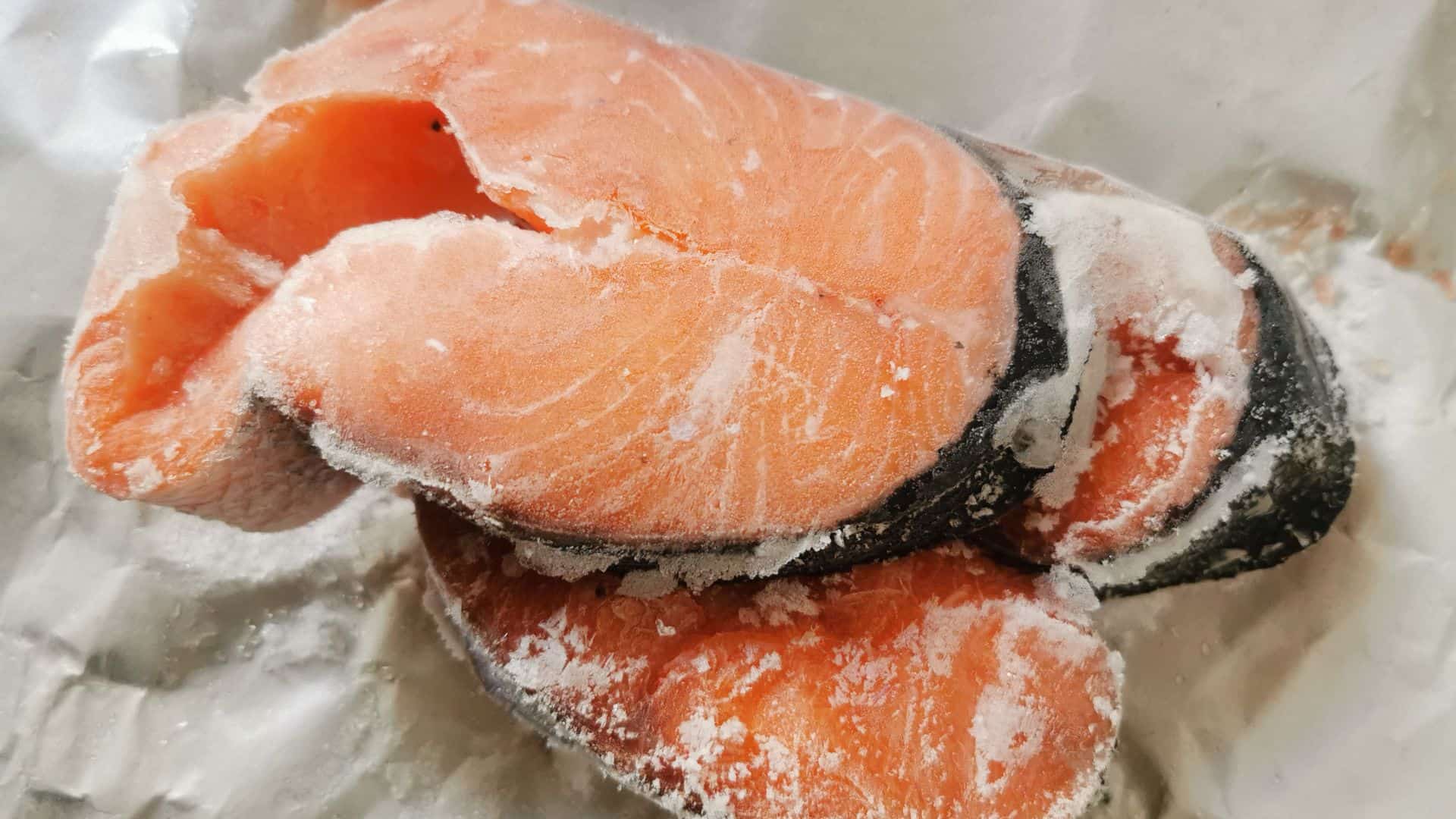
Expiration labels still serve an important purpose. Highly perishable foods should never be treated casually, especially seafood, deli meats, and certain dairy products. Ignoring spoilage signs simply because the date looks acceptable can be risky.
Storage conditions matter just as much as dates
Another common mistake is treating expiration labels as independent from storage conditions. A printed date assumes the food has been handled and stored correctly throughout its life cycle.
Milk left sitting in a warm car during summer may spoil faster than expected. Meat stored in a refrigerator running too warm may become unsafe before the printed date arrives. On the other hand, foods kept consistently cold and sealed properly sometimes remain usable longer than people assume.
One overlooked issue is refrigerator temperature. Many home refrigerators operate above the recommended safe range without the owners realizing it.
A fridge should generally stay at or below 40°F. As temperatures rise, bacteria grow faster, and food deteriorates more quickly. Overfilled refrigerators, weak airflow, and frequent door opening during warmer months can all affect cooling performance.

Pantry foods create a different kind of confusion
Dry goods are another area where people regularly misunderstand shelf life. Flour, rice, pasta, canned foods, and spices all age differently, but many households either keep them forever or throw them away far too quickly.
Some pantry foods remain safe for years but slowly lose flavor and quality. Spices become weaker, oils turn rancid, and flour may absorb moisture or odors over time. That does not always make the food dangerous, but it can significantly affect taste.
This is why professional cooks often rotate pantry items regularly, even when products are technically still usable. Quality matters alongside safety.
Many Americans grew up treating expiration dates as strict rules because it feels safer and simpler. But once people understand how food labeling actually works, they often realize they have been wasting money and throwing away perfectly good food for years.
Leave a Reply