
Butter is one of those ingredients people tend to take for granted until they start baking seriously. To most shoppers, butter is simply butter. Maybe one package is slightly more expensive than another, maybe one says “European-style,” and maybe one comes wrapped in nicer paper, but it all seems interchangeable. Professional bakers see it very differently.
In baking, butter affects almost everything. Flavor, texture, moisture, flakiness, browning, and even how dough behaves during mixing all connect back to the type of butter being used. That is why experienced bakers rarely throw random packages into their carts without checking labels first.
Did you know that you can even make your own butter at home?
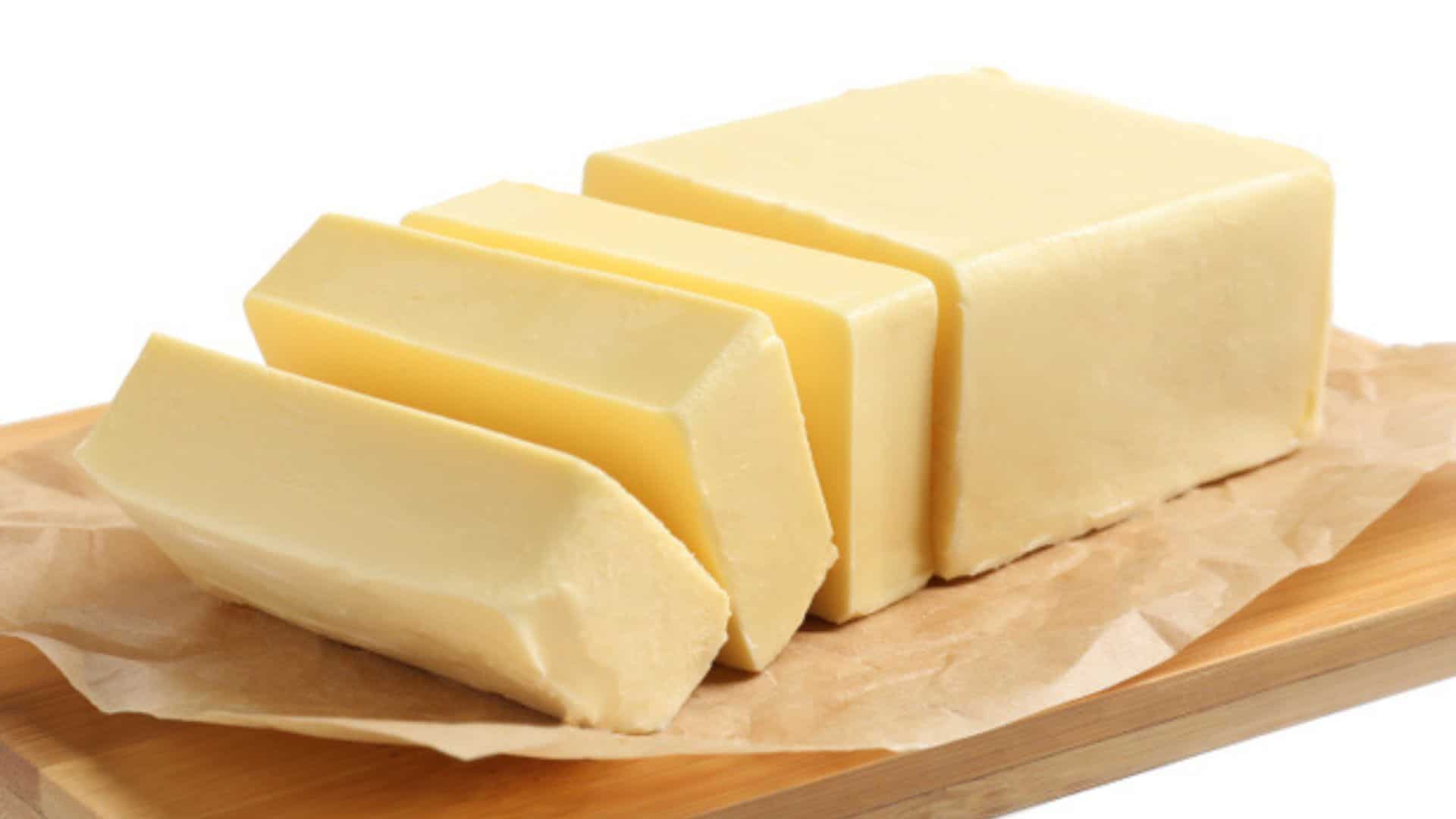
Fat percentage is one of the first things bakers notice
One of the biggest differences between standard supermarket butter and professional-grade butter is fat content. Most regular American butter contains about 80% butterfat, while many European-style butters contain 82% or more. Two percent may sound insignificant, but in baking, small percentages matter more than people realize.
Higher butterfat means lower water content, which changes how pastries bake and how dough handles. Croissants become flakier, pie crusts stay more tender, and cookies often spread differently. Richer butter also tends to produce a fuller, creamier flavor, especially noticeable in simple recipes where butter plays a central role.
Professional bakers understand that recipes are systems. If the butter contains more water than expected, it can affect texture, structure, and consistency. This is one reason many bakery recipes feel difficult to replicate exactly at home even when the ingredient list looks simple.
Professionals almost always use unsalted butter
Another thing bakers, including myself, check immediately is whether the butter is salted or unsalted. In professional kitchens, unsalted butter is almost always the standard choice because it allows complete control over seasoning.
Salt levels vary between brands, which means salted butter introduces inconsistency into recipes. In savory cooking, that usually is not a major issue. In baking, where measurements are far more precise, those variations matter. Bakers want to decide exactly how much salt goes into cookies, cakes, and pastries rather than guessing what is already inside the butter.
Another reason professionals lean toward unsalted butter is freshness. Salt acts as a preservative, so salted butter often stays on shelves longer. Unsalted butter typically moves faster and is sometimes considered fresher overall.
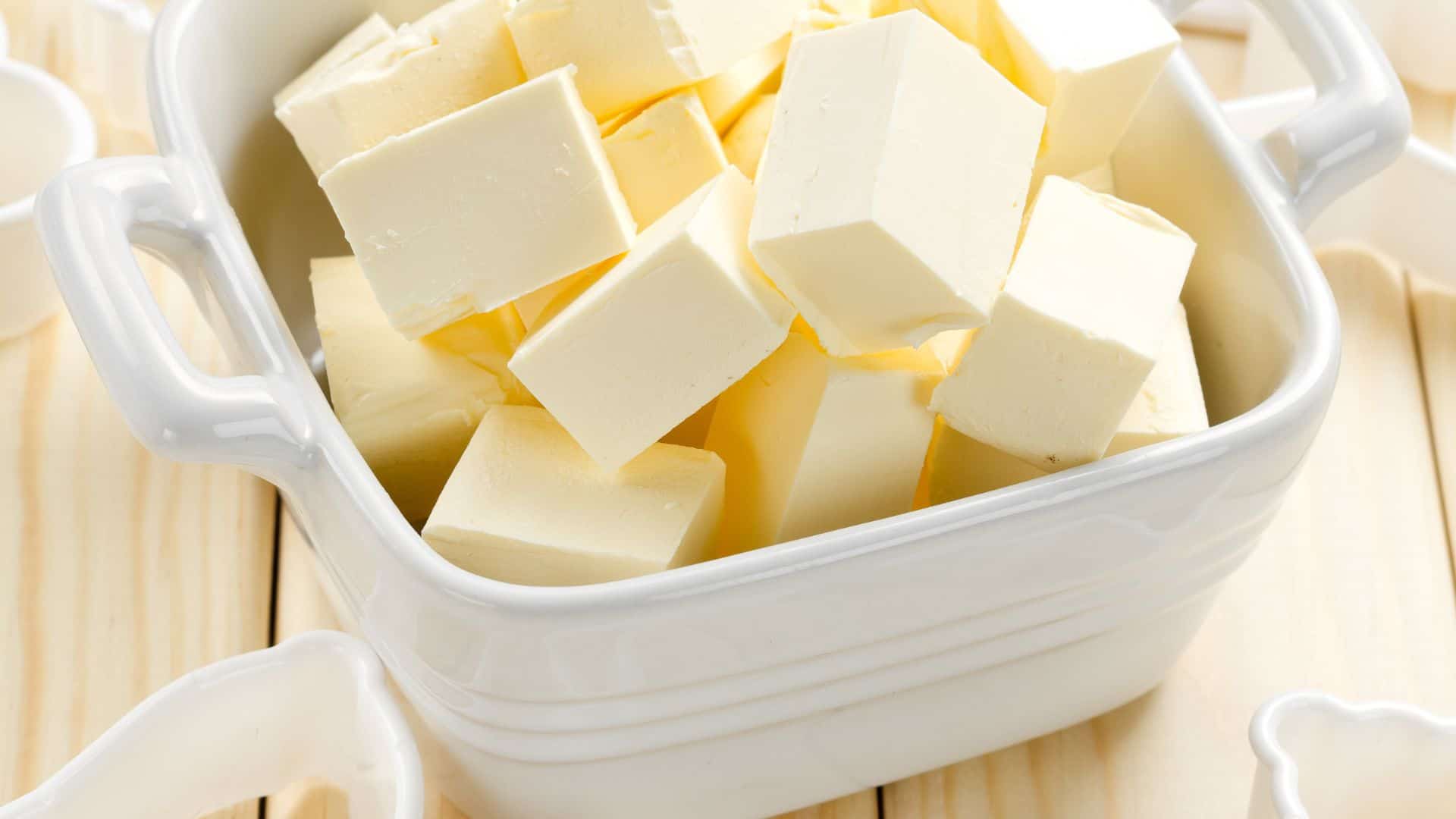
Texture and storage matter more than packaging
Professional bakers also pay attention to how butter looks and feels before buying it. Softened edges, damaged wrapping, or greasy packaging can signal that the butter has been exposed to fluctuating temperatures during transport or storage.
That matters because butter changes when it repeatedly softens and hardens. Even if it remains technically safe to eat, temperature abuse can affect texture and baking performance. Laminated doughs, such as puff pastry desserts, depend heavily on a stable butter structure. If the butter has already started breaking down before baking even begins, the final pastry may never develop properly.
Experienced bakers also know butter absorbs odors easily. Poorly stored butter can pick up flavors from nearby foods, especially in crowded refrigerators or supermarket coolers.
Good butter will not fix a bad recipe and technique
Professional bakers are usually realistic about ingredients. Expensive butter alone will not magically turn someone into a pastry chef. Technique still matters enormously. Overmixed cake batter, incorrect oven temperatures, or poor measuring habits can ruin even the best ingredients.
At the same time, butter is one of the few ingredients that people can upgrade to create an immediately noticeable difference. Better butter often improves flavor depth, mouthfeel, and texture without requiring any complicated technique changes.
Leave a Reply