
Chicken might seem like a healthy and versatile choice of meat, but it comes with significant risks. From hidden additives to environmental concerns, the poultry industry raises many red flags. Once you learn the facts, you may think twice about putting chicken on your plate. Here’s what you should know before your next meal.
Note: The content of this article is not medical advice.
Genetic Modifications Are Common
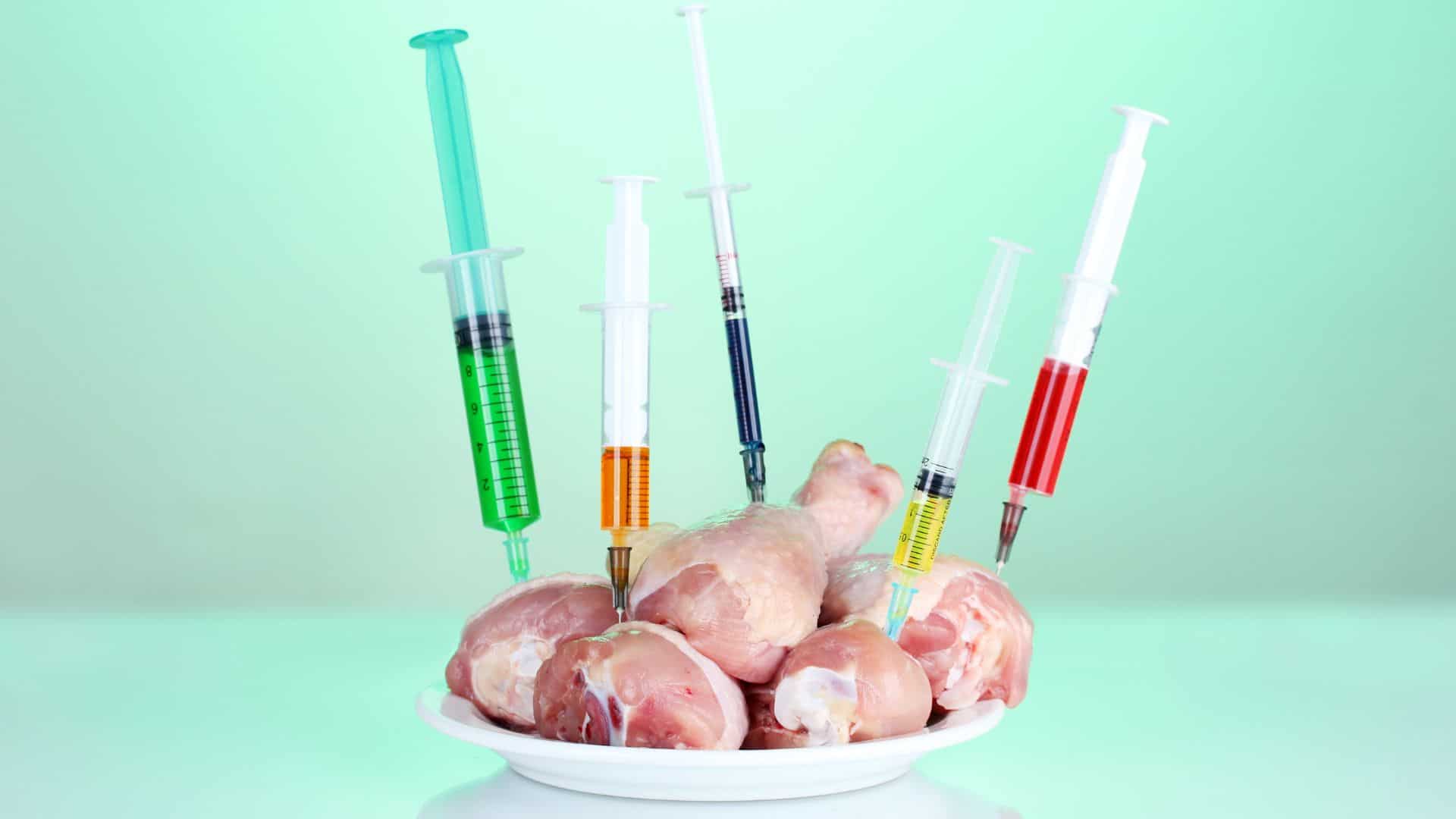
Many poultry farmers use hormones to speed up chicken growth, creating larger birds in less time. This practice also makes the chicken look more appealing, tricking consumers into believing they’re buying high-quality meat. Despite the use of these growth enhancers, companies often label their products as “all-natural,” misleading customers. This loophole allows unhealthy practices to continue unchecked in the poultry industry.
It enables inhumane treatment

The conditions in many poultry farms are appalling, with overcrowding and poor sanitation being the norm. Chickens are often subjected to harsh treatment and forced to live in stressful environments. These circumstances cause significant physical and mental distress for the animals. If most consumers saw these conditions, they might reconsider eating chicken altogether.
It can be harmful
The hormones and chemicals used to alter chicken growth can have harmful effects on both the animals and the people who consume them. Studies have found that these additives can cause deformities in chickens and might lead to health issues in humans over time. Although the long-term effects on people are still under investigation, evidence suggests these chemicals are far from harmless. What seems like a healthy meal could be anything but.
It promotes unethical breeding

Selective breeding is another troubling aspect of the poultry industry. Farmers prioritize genetically modified chickens that grow faster and larger, often at the expense of the animal’s health. This process leads to chickens suffering from chronic health problems and shortened lifespans. Unfortunately, these unethical practices are widely accepted and rarely addressed.
Risks of Disease Transmission

Chickens raised in unhygienic conditions are at high risk of contracting diseases like avian flu. Additionally, bacteria such as Salmonella can easily spread from poultry to humans, leading to foodborne illnesses. Even chickens that appear healthy can carry pathogens that pose serious health risks. Proper cooking reduces these dangers, but prevention starts with better farming standards.
It partakes in economic exploitation

Poultry farm workers are often underpaid and forced to work in poor conditions. They are pressured to prioritize efficiency over animal welfare, perpetuating harmful practices. These workers face significant challenges, including low wages and a lack of job security. This exploitation highlights the broader issues within the industry beyond just the treatment of chickens.
It promotes animal cruelty

The use of growth hormones and overcrowded living conditions leads to a life of suffering for chickens. These inhumane practices are normalized because they support high consumer demand. By continuing to buy factory-farmed chicken, consumers indirectly endorse animal cruelty. Change starts with awareness and more ethical choices.
It has poor quality
Ironically, poultry farmers' efforts to create healthier and bigger chickens have the opposite effect. While we’re fooled into buying chicken that looks big, most chickens are of poor quality, which affects their taste.
Dishes prepared from chickens that experienced selective breeding or were injected with growth-enhancing hormones often taste bland. The chicken's texture is drier, too. We may not always be able to pick up on it, but there’s a significant shift in quality.
Environmental Consequences

The poultry industry contributes to environmental degradation, including deforestation and increased greenhouse gas emissions. The land is cleared to make room for chicken farms, and industrial practices leave a significant carbon footprint. Supporting such an industry adds to the strain on our planet. Choosing sustainable alternatives could make a big difference.
It is an industry built on lies
Although the FDA effectively calls out hormones and chemicals used in selective chicken breeding, poultry farmers quickly get away with unhygienic conditions because they have a massive consumer market.
Unfortunately, these consumers, or us, don’t know about the inhumane conditions. We look at an all-natural tag and assume it’s healthy, but little do we know the chicken empire is churning out lies at the cost of our and the bird’s well-being.
It's Easy to Undercook
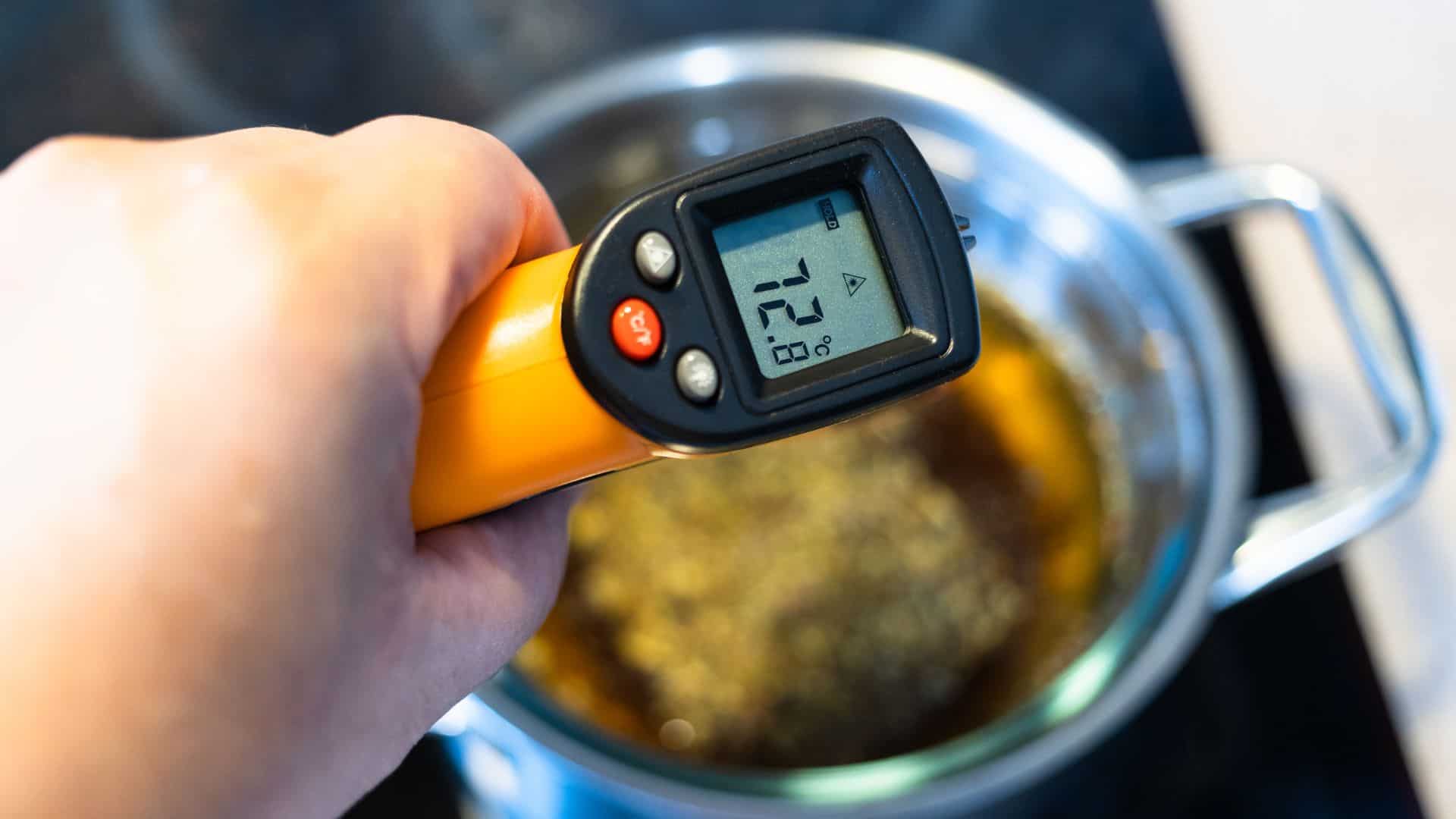
Chicken needs to be cooked completely in order to make it safer to eat. Most people cook their chicken according to the time on a recipe, but sometimes it needs longer to cook than indicated. It is dangerous to eat raw chicken, and it can make you seriously sick. Make sure you use a meat thermometer and always cook your chicken to 165 degrees F.
It is Bland
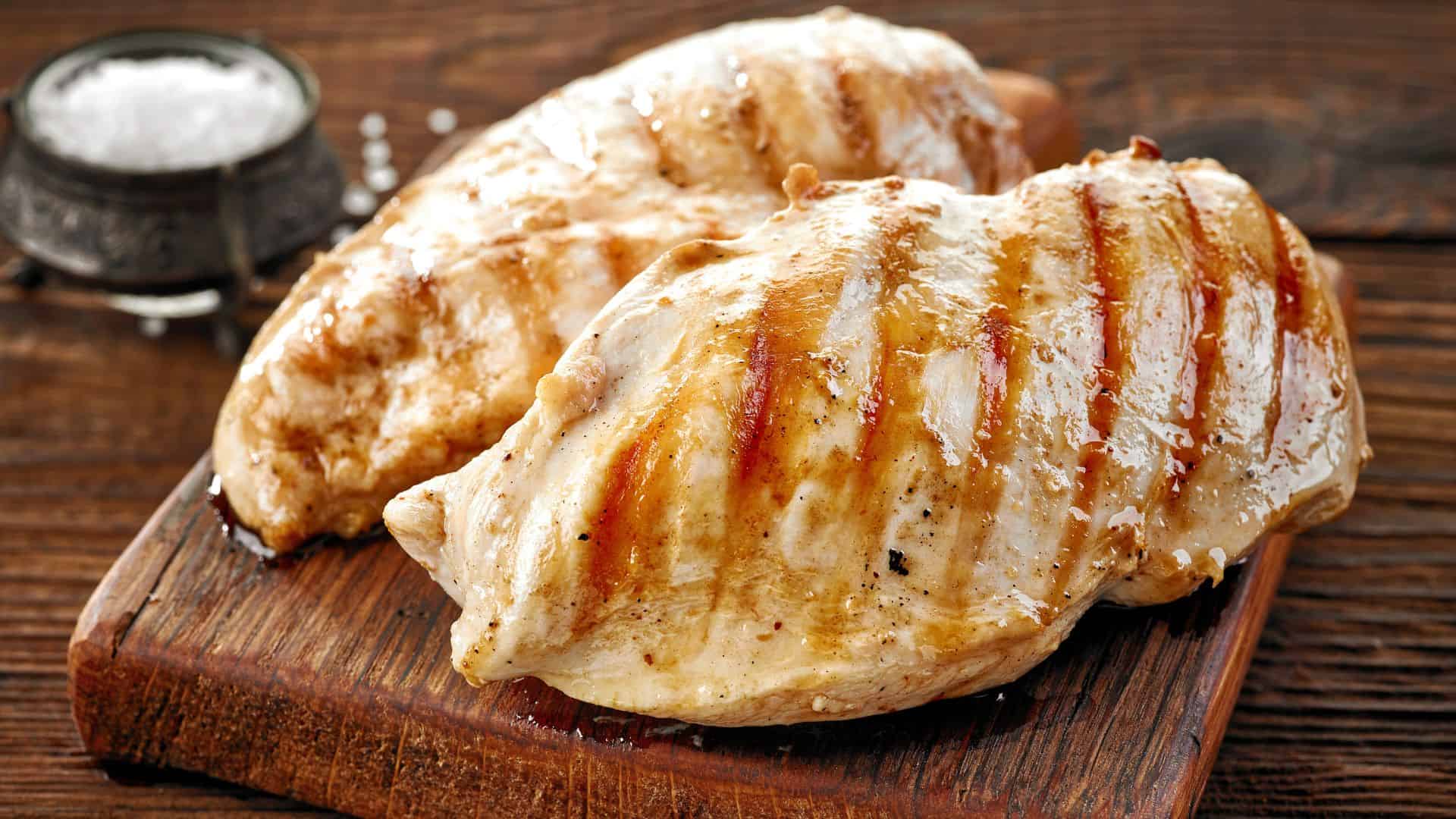
Being bland isn't necessarily dangerous, but if you eat plain chicken in an effort to be healthy, you will find that it is extremely boring and needs to be enhanced. Chicken on its own has almost no flavor at all.
So, to make chicken taste good, you really need to dress it up with seasonings and sauces, which can decrease its nutritional value. Hello, added fats, sodium, and calories!
Not Actually Low-Fat
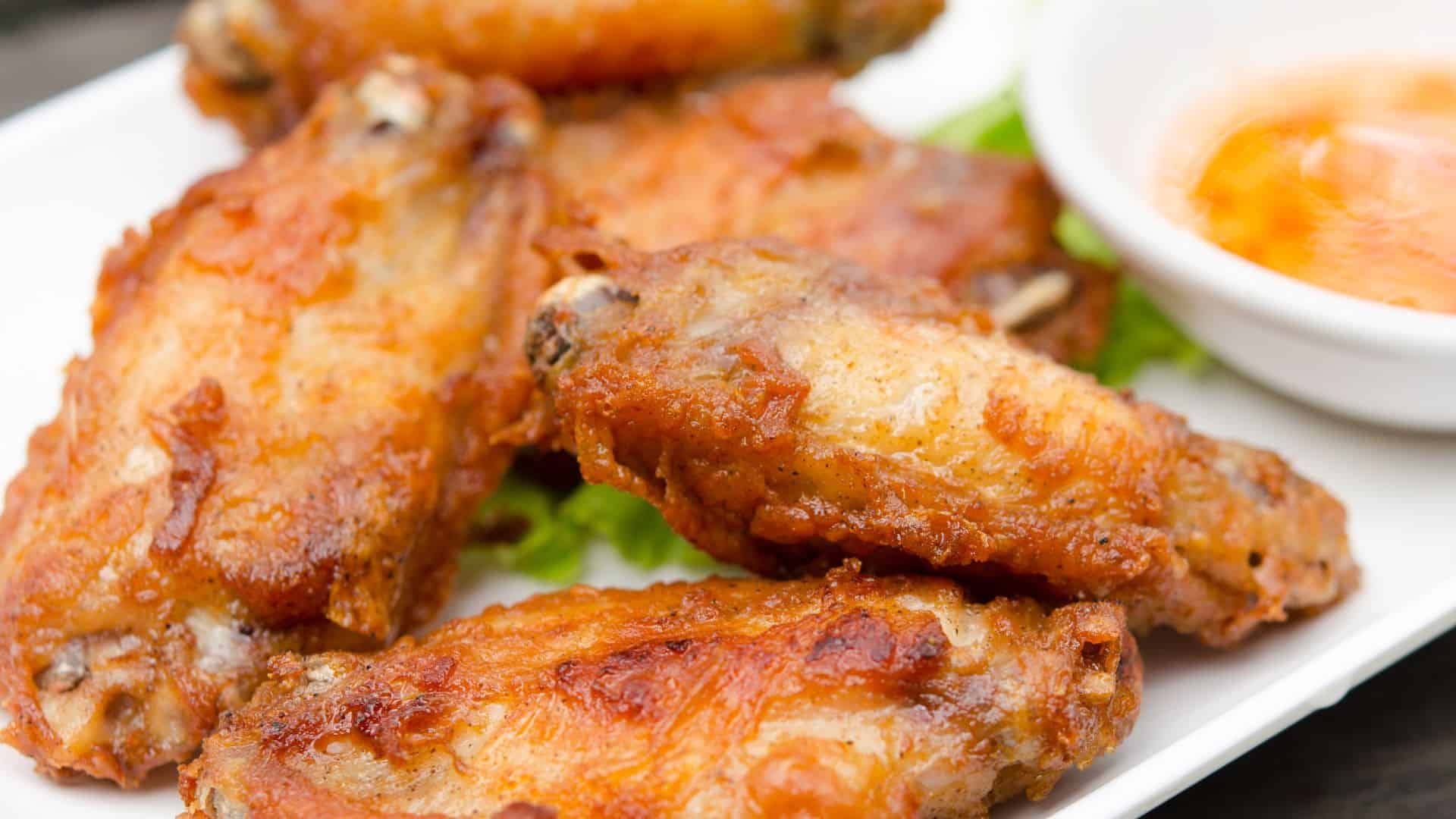
Many people consider chicken to be a low-fat, lean meat that is healthy for you. However, studies have shown that chicken actually has almost 10 times more fat than it did decades ago. You can thank all those hormones and GMOs for the extra-fatty chicken. There are actually lower-fat red meats that you could enjoy instead.
Eating chicken comes with more risks than many people realize. From health concerns to ethical and environmental issues, the industry’s practices leave much to be desired. By understanding these dangers, consumers can make more informed choices about their diet. Perhaps it’s time to consider alternative proteins that are healthier, more humane, and better for the planet.
This article was first published at Spatula Desserts.
Leave a Reply