
Think your pantry is the perfect spot for all your groceries? Think again. Some everyday foods people commonly leave out actually belong in the fridge to stay fresh and safe to eat. From condiments to produce, these 14 items are better off in a cool, temperature-controlled environment. Making the switch could save you from waste—and a few unpleasant surprises. It's time to give your fridge a little more responsibility.
Butter

This might be surprising because most of us leave the butter out, so it’s easier to spread. But this very habit is an easy way to waste your money because your butter won’t last long if it’s outside the fridge, so you’ll be forced to make frequent trips to the nearest store to get more.
The best way to preserve butter is by storing it in the fridge, which prolongs its shelf life. Of course, if you still want to have that perfect nice spread, you can take out the required portion and store it separately.
Avocados

Let me guess: you buy your avocados ripe or close to ripening, and then quickly make a guac so it won’t spoil. This is only happening because you’re not storing it correctly. The best way to preserve the quality of avocados and prevent them from over-ripening is by placing them in the fridge.
If you place almost ripe avocados in the fridge, the cooling won’t halt the ripening but will prevent the plant from cooking over. It even stops ripe avocados from spoiling.
Grapes

Don’t you hate it when the perfectly glistening bowl of grapes sitting on the counter suddenly turns to mush? That’s because you’re supposed to put them in the fridge.
Grapes have a slightly crisp exterior, and they’re incredibly juicy, but staying out of the fridge will cause the two to merge. This creates a mushy texture that feels gross to eat, even if you know the grapes aren’t spoiled.
Ketchup
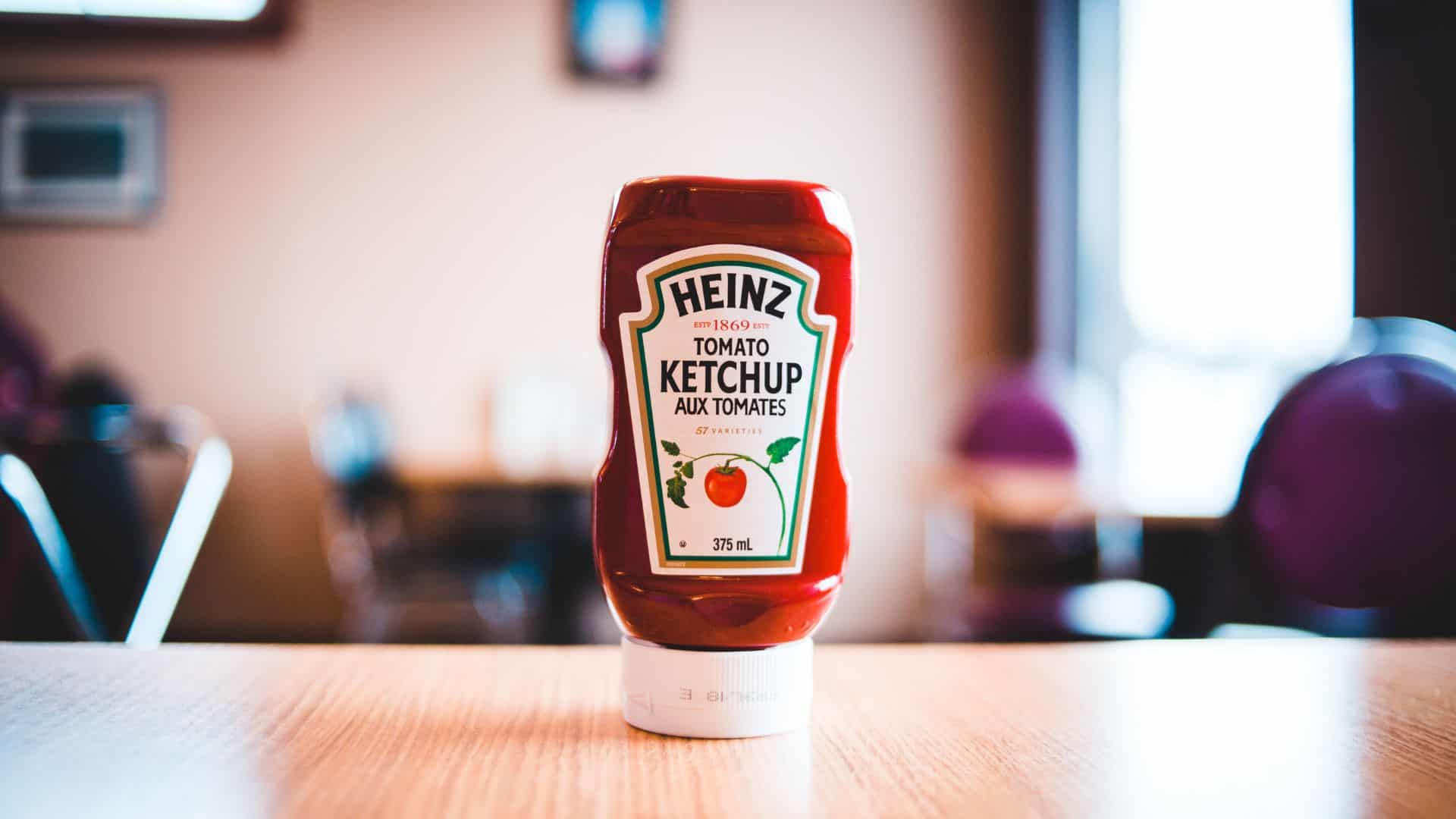
Ketchup doesn’t spoil like you think it would, so you may not notice when it actually goes bad.
But there are countless tell-tale signs that your ketchup is slowly going bad. Some of them include a different texture, a weird taste, a slightly more tangy smell, and a gradual change in color. Some near-to-spoiling ketchup also starts forming gross gunks that stick to the lid.
One way to avoid all of that from happening is by storing your ketchup in the fridge.
Whole wheat flour
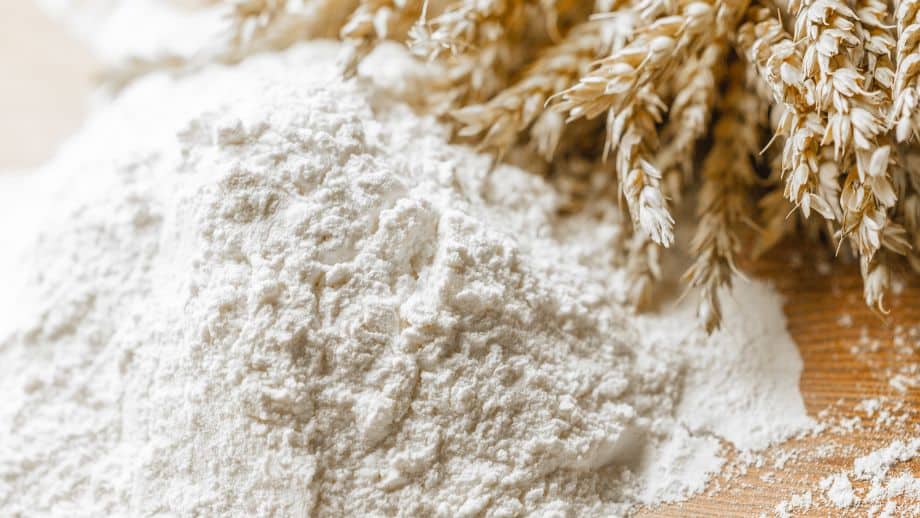
I know we all love a well-dressed pantry, but the longer your flour stays in there, the quicker it’s going to spoil. Whole wheat flour can last a few months on the counter, but it can easily live longer when refrigerated.
Whole wheat flour contains wheat germ, part of the kernel that regulates the growth and its quality. In cooler temperatures, the wheat germ prolongs the flour’s life. In warmer conditions, the wheat germ will spoil, giving your flour a weird, tangy taste.
Eggs

Eggs can last surprisingly long without the fridge, but they’ll also quickly go bad in hotter climates. This means if you live somewhere where the sun frequently shines, you mustn’t store the eggs on the counter.
Dates

Dates can dry out in hot temperatures, so the best way to preserve their quality and moisture is by sticking them in the fridge. Refrigerated dates can last as long as six months and up to a year if you freeze them.
Apples
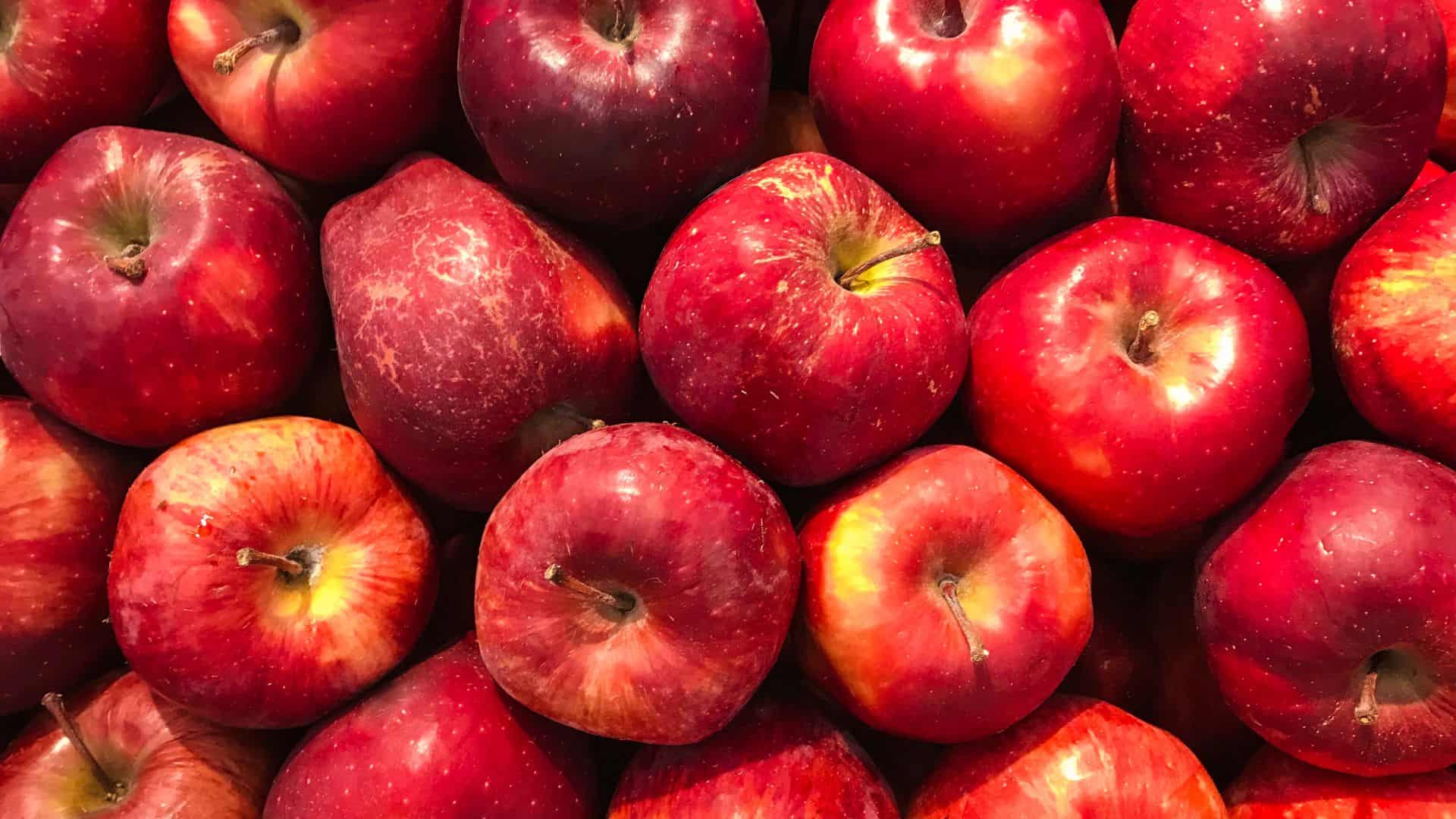
The same thing happens to apples: the longer they are out, the quicker they’ll dry on the inside, which means you’ll lose the one thing that makes them good. If you like your apples moist, keep them in the fridge, and you’ll have a bite fit for Snow White.
Nuts

Nuts are typically stored at room temperature. They will keep for about a year if left out on the counter. However, nuts have lots and lots of fats and oils, which do spoil after a while. That is why we recommend keeping your nuts in the fridge.
They will last quite a long time if refrigerated and almost double the shelf life! Now, you can buy nuts in bulk, pop them in the fridge, and rest assured they will stay fresh.
Potatoes

Potatoes are just fine when stored in the pantry, but they will last even longer if you put them in the fridge. Refrigerating potatoes will also prevent them from sprouting. We know they are a little large and annoying to keep refrigerated, but your food will be better for it!
Lettuce
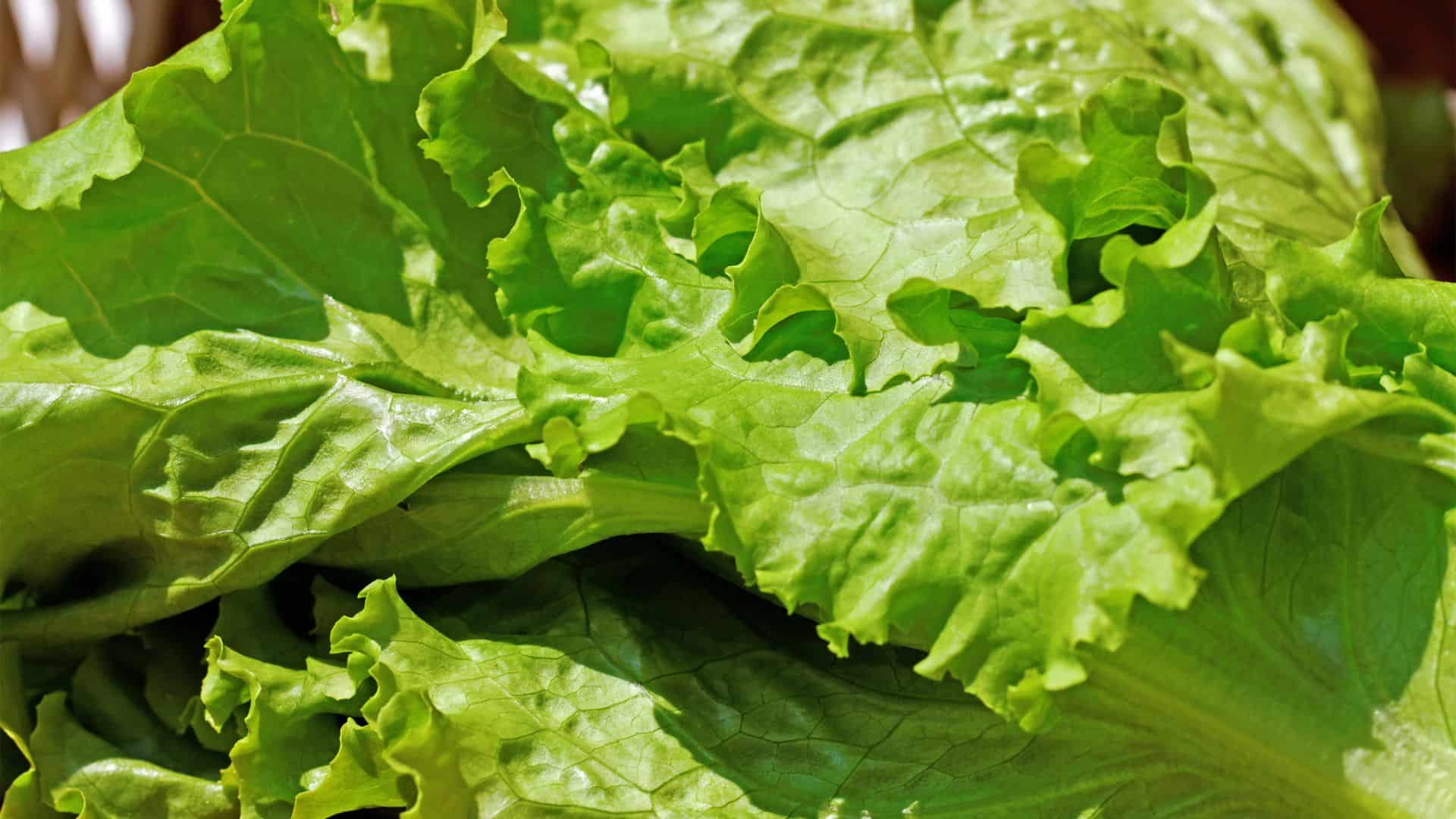
Lettuce doesn't technically need to be refrigerated. It will keep at room temperature just fine, but after a few days, it will start to wilt. Place your washed, dried lettuce in an airtight container in the fridge, and it will stay there for weeks rather than days!
Tortillas

You may think tortillas are just fine in your pantry. They may be okay for a while, but they can start to get moldy due to the moisture between the layers. Stick your pack of tortillas in your fridge, and they will stay soft and fresh for months.
Chocolate Syrup

Chocolate syrup can be kept in the pantry for several years if it is unopened. But once you open that bottle, you need to move it to the fridge! Mold can grow in the bottle, and you may not even notice. Keep it in the fridge, and it should stay there for about six months without any scary mold.
Nut and Seed Oils

If you love peanut oil, sesame oil, coconut oil, or any kind of nut or seed oil, you need to keep it in the fridge. Once the bottle is open, the oil may start to turn.
When left out for too long, the oils can start to spoil. You will be able to smell the rancid scent right when you open the bottle. But you can prevent this from happening by keeping your nut and seed oils in the fridge.
Leave a Reply