
Baking can feel simple on the surface. Flour and butter often look straightforward, but small missteps can quietly change the outcome of an entire dessert.
When your homemade cookies spread too thin, or your cakes turn dense or uneven, many baking frustrations come down to a handful of common mistakes. Understanding where things go wrong can make a big difference in how homemade desserts turn out.

Not measuring ingredients properly
Baking relies heavily on precision. A small difference in the amount of flour or sugar can change the structure and texture of a dessert.
Scooping flour directly with a measuring cup is one of the most common mistakes. It packs the flour down and adds more than the recipe calls for, which can lead to dry cakes or dense cookies.
Using a kitchen scale is the only accurate way to measure flour. Weight measurements remove the guesswork and help produce consistent results every time.

Using the wrong temperature ingredients
Butter and dairy products often need to be at room temperature for baking recipes to work properly. Cold ingredients do not blend the same way and can prevent batters from emulsifying.
When butter is too cold, it does not cream well with sugar. That step is important because it traps air, which helps cakes and cookies rise and develop a lighter texture.
Letting ingredients sit out for about 1-2 hours before baking allows them to combine more evenly and helps create a smoother batter.
Skipping the oven preheat
Putting a cake or tray of cookies into a cold oven changes the entire baking process. The oven gradually warming up causes desserts to bake unevenly.
Many baked goods rely on an immediate burst of heat to activate baking powder or baking soda. Without that initial heat, cakes may rise poorly, and cookies may spread too much.
Allowing the oven to fully preheat before placing anything inside helps ensure the recipe bakes the way it was designed to.

Using low-quality ingredients
Ingredients matter more in baking than in many other types of cooking. Since desserts often rely on just a few components, the quality of each one becomes noticeable.
For example, low-fat dairy products contain more water and less fat. That difference can weaken texture and reduce richness in cakes and homemade frostings. The same issue can appear when using low-quality butter or chocolate.
Using full-fat dairy and good-quality butter, cocoa powder, or chocolate can noticeably improve flavor and structure.
Overmixing the batter
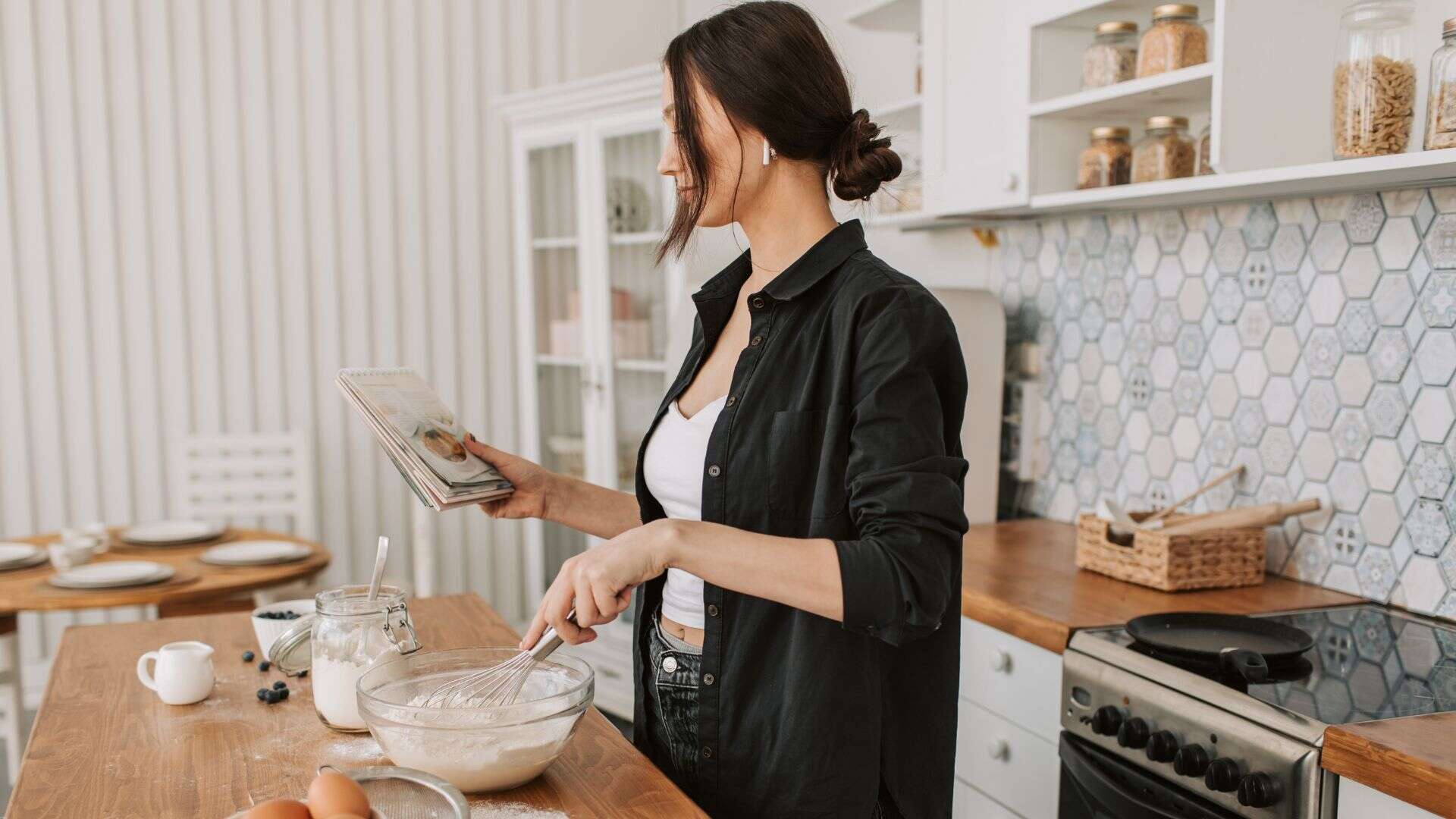
Overmixing the batter can quickly change the texture of baked goods. Once flour combines with liquid, gluten begins to form. Too much mixing strengthens the gluten network, leading to tough cakes.
Many recipes only need gentle folding until the ingredients are combined. Stopping once the batter looks smooth usually produces a lighter result.
Opening the oven door too early
Checking on a dessert too soon or too often can interrupt the baking process. When the oven door opens, a large amount of heat escapes almost instantly.
Cakes are especially sensitive during the early stages of baking. A sudden drop in temperature can cause the center to collapse or prevent the cake from rising properly.
Waiting until at least two-thirds of the baking time has passed before checking helps keep the temperature stable and gives the structure time to set. Ideally, watch your cakes or cookies through the oven door instead of opening it. Try to keep the oven closed until at least 90% of the baking time has passed. When you do need to open the door, do so quickly so the heat doesn’t escape.
Ignoring pan size
The pan listed in a recipe is not just a suggestion. Size and depth affect how heat moves through the batter.
Using a smaller pan can cause the batter to overflow or bake unevenly, while a larger pan spreads the batter too thin and shortens the baking time.
Following the recommended pan size helps ensure desserts bake evenly and develop the right texture from edge to center.
Not using fresh leavening agents
Baking powder and baking soda lose strength over time. Old leavening agents often fail to create enough lift in cakes and quick breads.
A dessert that turns out dense or flat can sometimes be traced back to expired ingredients hiding in the pantry.
Checking the freshness of these ingredients regularly and replacing them every few months can prevent disappointing results.
Overbaking desserts
Leaving desserts in the oven too long is an easy mistake, especially when waiting for them to look perfectly done.
Residual heat continues to cook baked goods even after they leave the oven. By the time a cake or cookie looks fully firm, it may already be slightly overbaked and therefore dry, or worst case, burnt.
Following the recommended baking time and testing for doneness early helps preserve moisture and keep desserts tender.

Not preparing the pan correctly
Sticking is a common frustration that often comes down to pan preparation. Cakes and bars can cling to the sides if the pan is not properly greased or lined.
Butter, oil, or parchment paper creates a barrier that allows baked goods to release easily once cooled.
Taking a moment to prepare the pan before adding batter saves time and prevents broken desserts later.
Substituting ingredients without adjusting
Ingredient swaps sometimes seem harmless, but baking formulas are carefully balanced. Replacing ingredients without adjusting the recipe can throw off moisture or structure.
For example, swapping butter for oil changes fat composition, while replacing sugar alternatives can affect browning and texture.
When substitutions are necessary, understanding how the new ingredient behaves helps maintain the balance the recipe requires.
Not letting desserts cool properly
Pulling desserts out of the pan too soon can cause them to fall apart. Many baked goods continue to set as they cool.
Cakes, pies, cookies, and brownies firm up as steam escapes, and the structure stabilizes. Cutting or removing them too early interrupts that process.
Allowing desserts to rest for the recommended time gives them the chance to finish setting and makes slicing or serving much easier.
The takeaway
Baking success often comes down to small details that are easy to overlook. When those steps are rushed or skipped, even a well-written recipe can produce disappointing results.
Many common baking problems stem from technique rather than the recipe itself. Paying attention to these small steps helps create the structure and balance that good baking requires.
With a few careful habits, homemade desserts become much more predictable. Taking the time to measure correctly and allow baked goods to cool properly can turn an average result into something that looks and tastes like it came from a bakery.
Leave a Reply