
Have you ever wondered how much plastic is in your food? Microplastics are everywhere, and avoiding them is not possible. They come from packaging and water and are also found in the air around you. Many people are worried about the health risks but do not know how to reduce exposure. Small changes in daily habits can help limit the amount that enters your body. Here are simple ways to keep your food safer and protect your health from microplastics.
Note: The content of this article is for informational purposes only and is not a substitute for professional advice. Always consult with a qualified professional for advice tailored to your individual circumstances.
Choose Fresh Foods Instead of Packaged Ones
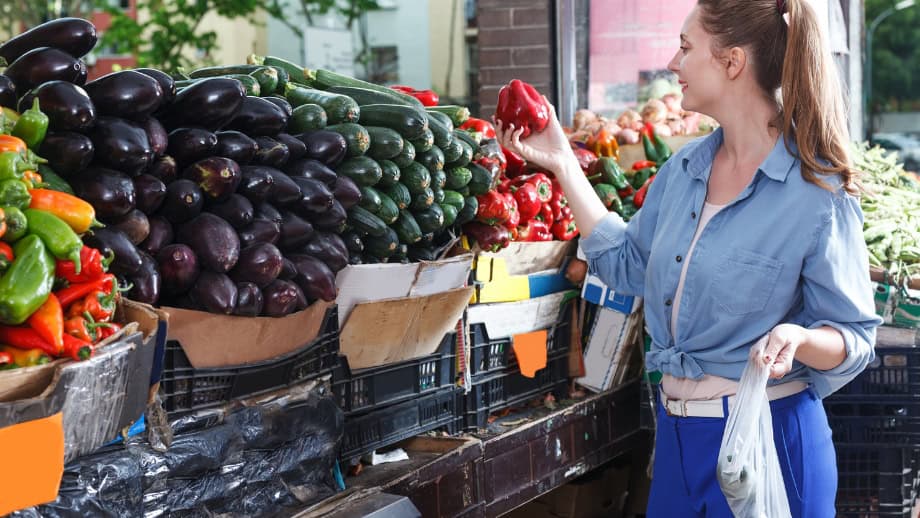
Plastic packaging is one of the biggest sources of microplastics in food. Many foods sit in plastic for weeks before they reach your home, and tiny plastic particles can break off and mix into what you eat. Fresh foods from local markets are a better choice. Buying unpackaged fruits and vegetables helps reduce plastic exposure. Some stores also offer dry goods in paper or glass containers. Simple decisions when purchasing food items can make a big difference in what goes into your body.
Store Food in Glass or Stainless Steel
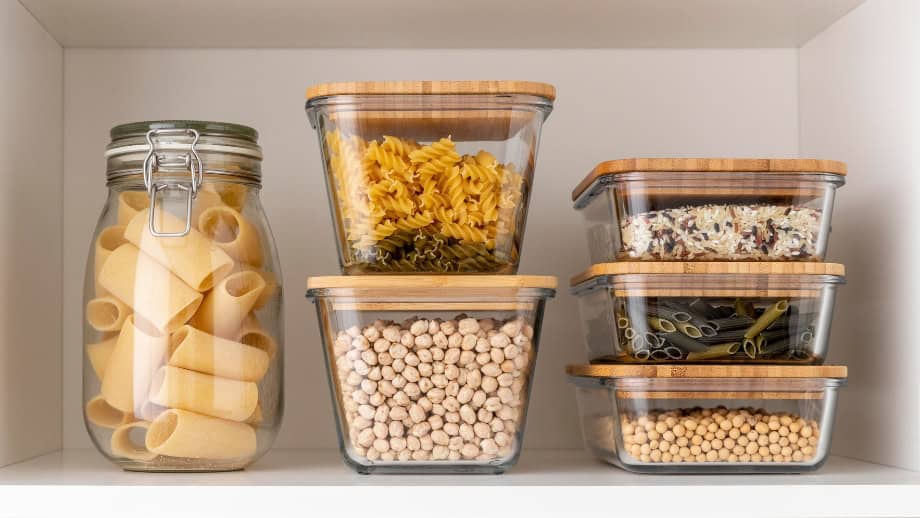
Plastic storage containers can release microplastics over time. Heat and scratches cause plastic to break down and mix into food. Glass and stainless steel are safer options for keeping meals fresh. Silicone containers are another good alternative for storing leftovers. Many people habitually use plastic, but switching to safer materials is easy. Cloth wraps can also replace plastic wraps for covering food. Small changes in storage can limit exposure to plastic particles.
Heat Food in Glass or Ceramic
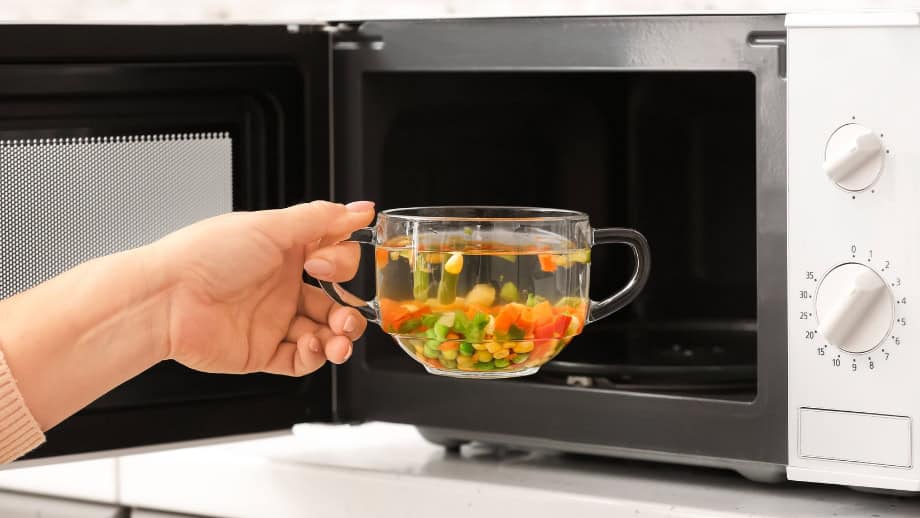
Microwaving food in plastic can release microplastics into your meals. High temperatures cause plastic to break down faster, meaning that even containers labeled as safe can still release harmful particles. So, what can you do to avoid microplastics? Using glass or ceramic dishes for reheating is a better choice. Plastic utensils and plates can also release microplastics when exposed to heat. Choosing the right materials for cooking and serving food helps keep plastic out of your diet. You can also avoid using plastic in the kitchen to lower your risk over time.
Drink Water That Has Been Properly Filtered
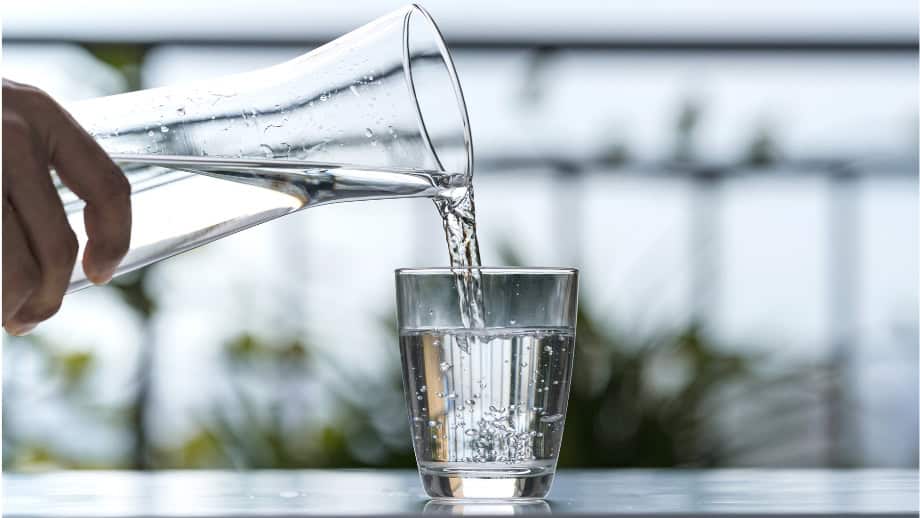
Tap water and bottled water both contain microplastics. A good filter can help remove tiny particles before they reach your glass. Reverse osmosis and activated carbon filters are some of the best options. Even with filtering, drinking from glass or stainless steel bottles is better. Plastic water bottles can shed microplastics into the water over time. Storing water in safer materials can reduce the risk even further. Drinking clean and filtered water is one of the easiest ways to limit plastic exposure.
Eat Less Processed Food
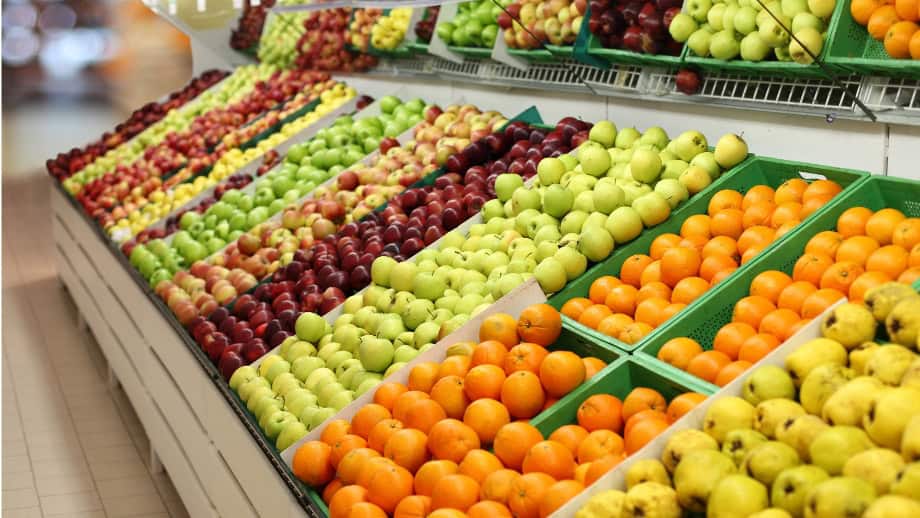
Most of us don't know that processed foods contain microplastics from packaging and production. Chips and frozen meals often sit in plastic for long periods. The more food is handled and packaged, the higher the risk of contamination. Whole foods like fresh vegetables and nuts are safer choices. You can also check the packaging of the food when buying them from stores. Choose the ones in paper or glass to limit microplastics from entering your system. Focusing on fresh and simple ingredients can help lower exposure to plastic. A diet rich in whole foods is better for both health and safety.
Wash and Rinse Your Food Thoroughly

One of the most effective ways to get rid of microplastics in food is to wash it. Washing produce under running water helps remove tiny particles. Scrubbing rough-skinned fruits and vegetables can remove even more contaminants. Peeling can also reduce exposure but is not always necessary. Soaking food in baking soda water may help clean off hidden residues. Even simple rinsing can lower the amount of plastic in your diet. Taking a little extra time to clean food properly is worth it.
Choose Organic When You Can

Organic foods may contain fewer microplastics because they undergo fewer industrial processes. Many non-organic foods are wrapped in plastic and kept in it for weeks. Some organic markets use paper or compostable materials instead. Farms that avoid plastic mulch also reduce the risk of contamination. You can opt for organic foods when possible to minimize the microplastics in your food intake. If it is not possible to go fully organic, replacing a few food items with organic ones can considerably reduce microplastics entering the body.
Be Careful with Seafood Choices
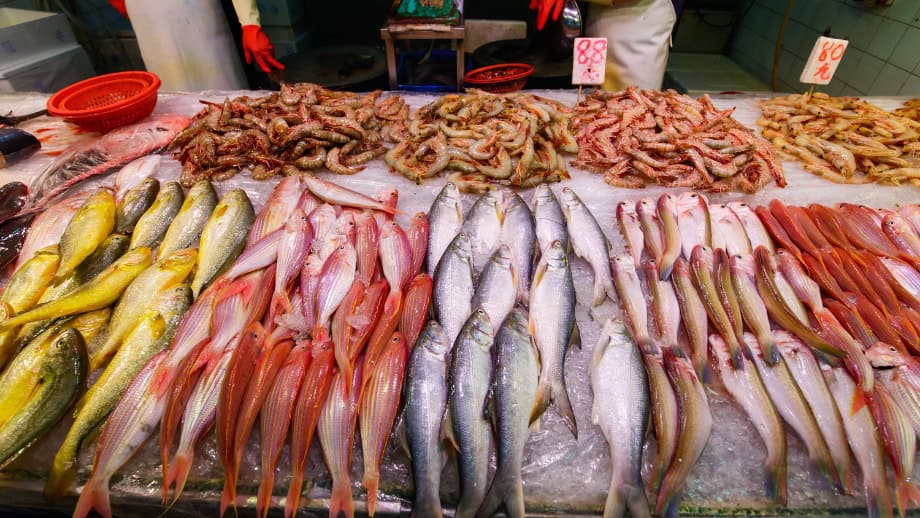
A new study found that 99% of seafood samples contained microplastics, with shrimp having the highest levels. Most of these tiny plastic particles come from clothing fibers, which can end up in the ocean through laundry wastewater. Since microplastics have been linked to health risks like cancer and nerve damage, it’s important to take steps to reduce exposure. You can choose seafood from trusted sources, rinse and prepare it carefully, and use water filters to catch microplastics from synthetic fabrics.
Learn More and Make Small Changes

Do you know how much plastic you come into contact with each day? Learning about where microplastics come from is the first step in reducing exposure. Making small changes can protect both your health and the environment. Choosing fresh foods and using safer storage materials help. Many people are pushing for stronger regulations to reduce plastic pollution. Being part of the conversation can lead to even bigger changes. It will be easier to avoid plastic in everyday life when you are more aware.
Avoid Cooking with Nonstick Pans
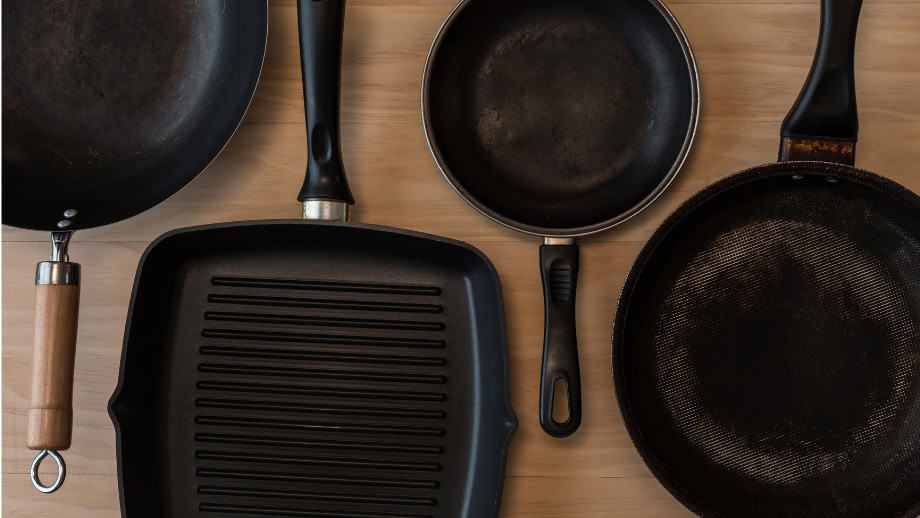
Many nonstick pans contain coatings that break down over time, releasing microplastics and harmful chemicals into food. High heat can cause these materials to degrade even faster. Stainless steel and ceramic cookware are safer alternatives. These options last longer and prevent plastic particles from leaching into your meals. If using nonstick cookware, avoid using metal utensils that can scratch the surface. Cooking with safe materials is a simple way to reduce exposure. Choosing high-quality pans also improves food safety. Small changes in cookware can make a big difference in the long run.
Limit the Use of Plastic Utensils
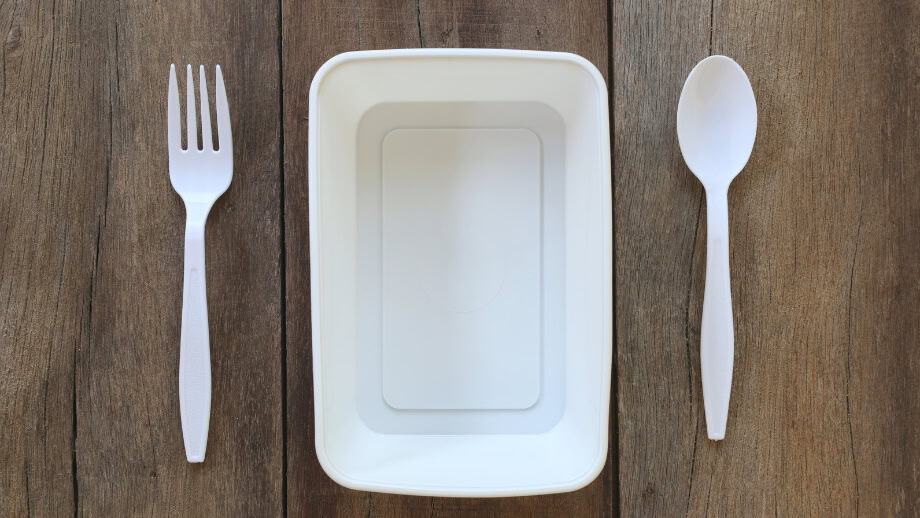
Plastic utensils are affordable and easy to use, but they may shed microplastics when exposed to hot food. Knives and spoons made of plastic break down over time, increasing the risk of contamination. Stainless steel or bamboo utensils are better alternatives. Many restaurants now offer wooden cutlery as an option for takeout. A reusable set of utensils can help when you are on the move. Avoiding plastic utensils limits exposure to microplastics.
Be Mindful of Tea Bags and Coffee Pods
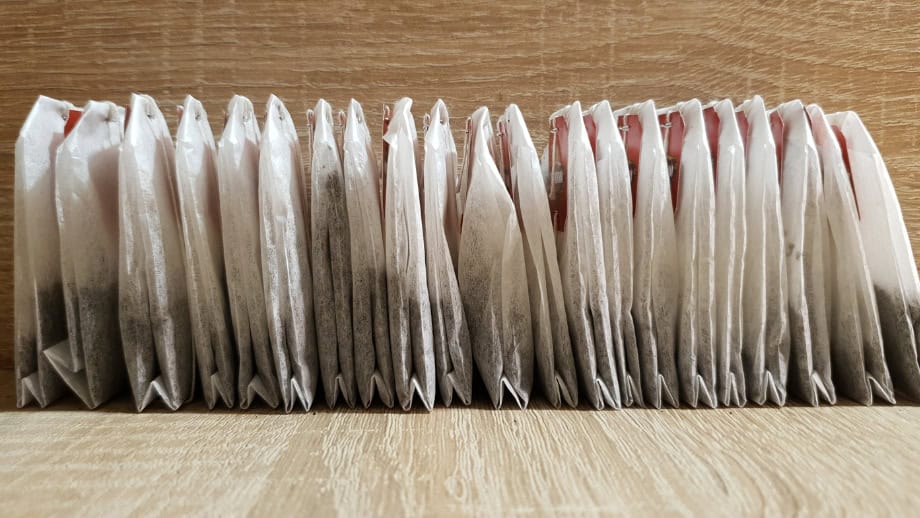
Many tea bags contain plastic, and when you steep them in hot water it can release microplastics. Some brands use heat-sealed plastic linings to hold the tea together. Switching to loose-leaf tea and reusable metal strainers is a safer choice. Refillable stainless steel coffee pods are a better alternative. Choosing simple brewing methods like a French press or pour-over can also reduce plastic exposure. Paying attention to small details in your daily drinks can help limit unnecessary plastic intake.
Microplastics sound scary, but stressing over them will not help. The good news is that small changes can make a difference. Paying attention to what you buy and how you store food is a good start. Nobody can avoid plastic completely, but being mindful can lower the risks. It is all about making smarter choices without overcomplicating life. The more you know, the easier it gets to avoid the worst.
Leave a Reply