
Leftovers are part of everyday life, but not all foods hold up the same once they’ve been cooled and reheated. Some lose their texture, and a few can even pose food safety risks if not handled carefully.
Here are some foods you should think twice about reheating, along with why they’re better left fresh or handled with extra care.
Chicken
Chicken is one of the most common leftovers, but it’s also one of the easiest to get wrong when reheating. The texture (protein structure) in chicken changes when it’s cooled, and reheating it can make the meat tough, rubbery, and dry. More importantly, if chicken isn’t cooled quickly, bacteria can grow.
If you do reheat leftover chicken, make sure you add liquid, e.g., chicken broth.
Rice
Rice has gained a reputation for being risky when reheated, and there’s a reason for that. Uncooked rice may have spores of bacteria that survive the cooking process. The issue isn’t the reheating itself, but how the rice is stored.
If you plan to reheat leftover rice, it should be cooled quickly, stored in the fridge, and reheated to 165 degrees ot higher.
Potatoes
Cooked potatoes can be safe to reheat, but only if they’ve been stored properly. When potatoes are left at room temperature, especially wrapped in foil, they can create an environment where bacteria thrive. Reheating doesn’t always eliminate the risk. Texture is another issue, as reheated potatoes often become dry or grainy.
For best results, store them in the refrigerator soon after cooking and reheat leftover potatoes thoroughly in the oven, not microwave.
Eggs
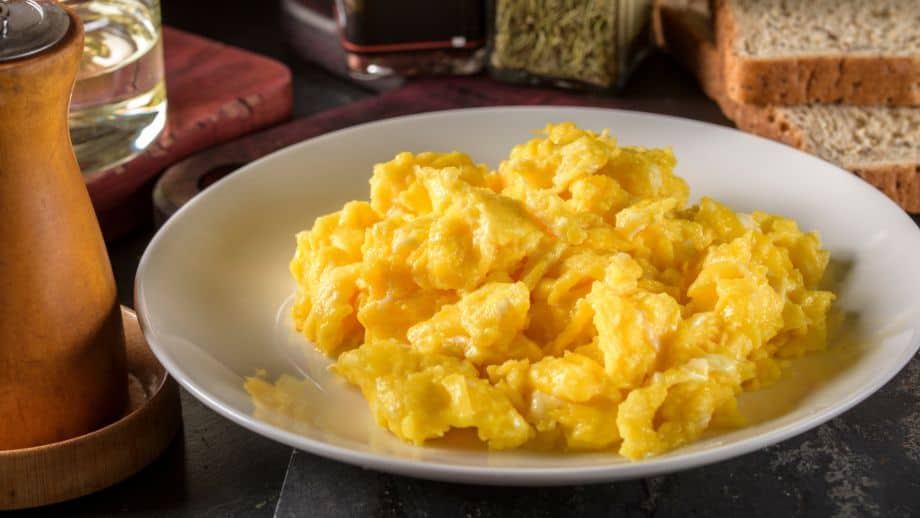
Eggs don’t respond well to reheating, whether scrambled, fried, or boiled. Eggs can become rubbery and release an unpleasant sulfur smell when reheated.
Dishes that contain eggs, like quiches, can be reheated, but they’re best eaten fresh for quality and texture.
Seafood & fish
Seafood is particularly sensitive to reheating. Fish and shellfish tend to dry out quickly, and reheating can intensify strong odors. The delicate proteins in seafood break down easily, leaving the texture tough or mushy. There’s also a safety factor, as seafood can spoil faster than other proteins.
If you do reheat seafood, do so gently and only once.

Mushrooms
Mushrooms have a high water content and delicate structure, which makes them tricky to reheat. Once cooled, their texture can become slimy or rubbery, and reheating only makes it worse. Like chicken, mushrooms also contain proteins that can change during storage, leading to digestive discomfort for some.
If you plan to eat mushrooms later, it’s better to enjoy them by incorporating them into another dish without reheating.

Pasta
Plain pasta can usually be reheated without much concern, but pasta dishes with sauce can be a different story. Reheating often dries out the noodles or makes them overly soft. Cream-based sauces can separate, while tomato sauces may become overly acidic or lose their balance.
Uneven reheating can also leave some parts too hot while others remain cold, which affects both texture and safety.
@vincenzosplate shows his tips for reheating leftover pasta to give you that perfect pasta texture and bite with ease.
Fried foods
Fried foods rarely survive reheating in good condition. Reheating tends to strip away crispiness, leaving a soggy texture. The oil used in frying can also break down over time, leading to a stale or rancid taste.
While an oven or air fryer can help restore some crispness, it rarely matches the original quality.
My favorite way to reheat French fries is as follows: Preheat your oven to about 400°F, spread the fries out in a single layer on a baking tray, and heat them for 5–10 minutes, turning them halfway through to ensure even crispiness. In an air fryer, set the temperature to around 360°F and reheat for 3–6 minutes, shaking the basket once during cooking.
Reheating food is about more than convenience
Reheating affects how food tastes and, in some cases, its safety. Many of the concerns tied to reheating come down to storage and handling. Food that is cooled quickly, kept at the right temperature, and reheated thoroughly is far less likely to cause issues.
At the same time, quality plays a big role. Even when food is technically safe to reheat, it may not be worth eating if the texture and flavor have significantly declined. Understanding which foods are better fresh and which can handle a second round of heat can help you plan meals more effectively and reduce waste.
Leave a Reply