
The world is full of incredible fruits, but some are so rare that you won’t find them at your local grocery store. These 19 unique fruits, prized for their unusual flavors and vibrant colors, are grown in far-off places and often require a special trip just to taste them. From tropical delicacies to little-known gems, each one offers a new and exciting experience for adventurous food lovers. If you ever get the chance to try them, consider yourself lucky—these fruits are a true hidden treasure.
Note: The content of this article does not reflect the Writer's personal beliefs.
Mangosteen
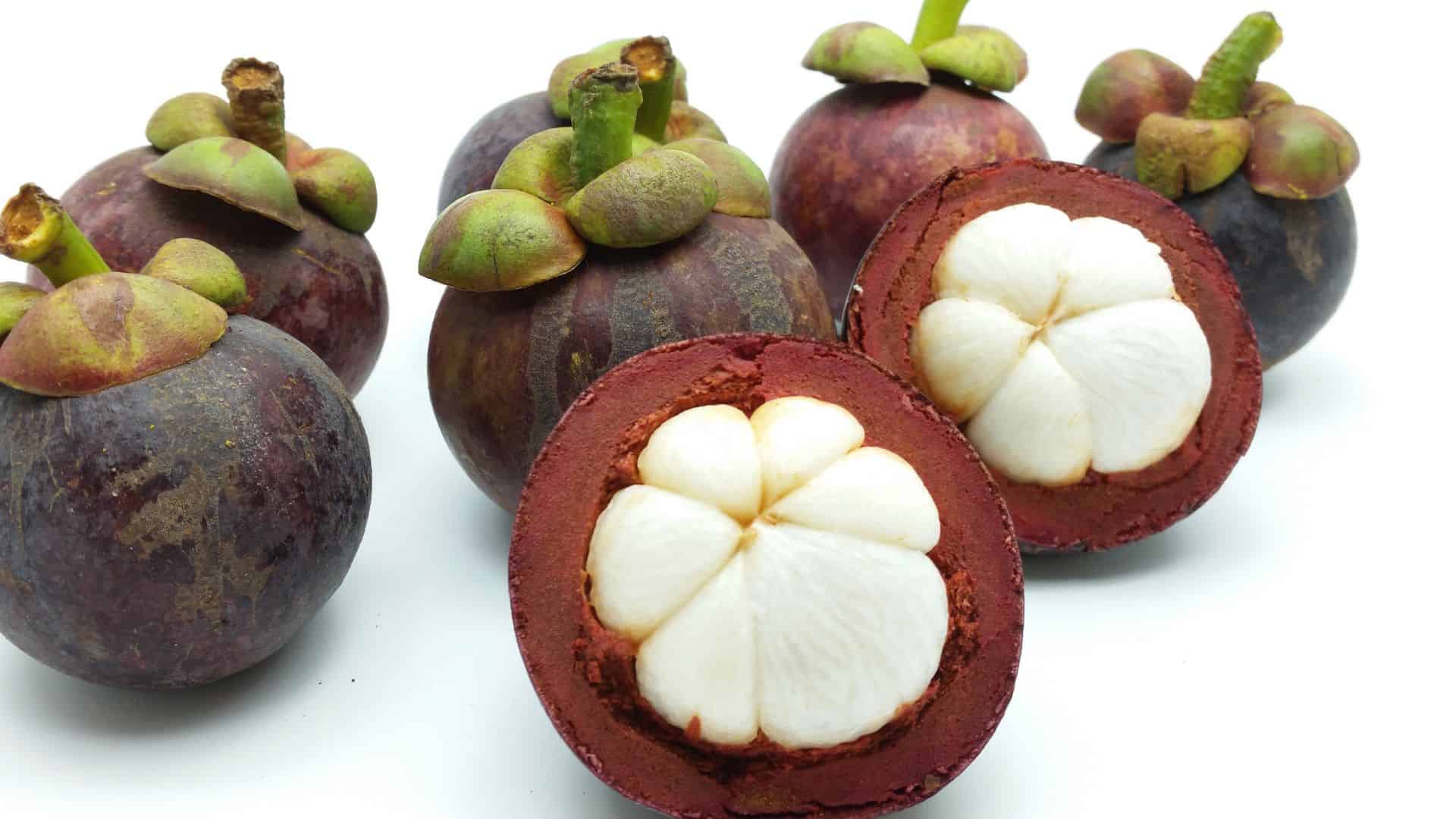
If you’re as naive as I was, you probably thought mangosteen is a cousin of the king of fruits, mango. But nope, mangosteen isn’t the yellow fleshy fruit we all love. Instead, mangosteen is a popular fruit in Southeast Asia. It has a distinct, thick brown rind with a white fleshy center. It’s like a lychee but a bit different and much sweeter.
Carambola

Commonly known as star fruit, carambola is exactly what it sounds like. This 5-pointer is commonly found in East Asia, the Caribbean, and the South Pacific, but it’s time we brought it closer to home.
Carambola has a sweet and sour flavor; some say it tastes like your average pear but tangier, while others say it is more like a tart grape. Well, I don’t know what it tastes like, but that’s one mystery I’m willing to solve!
Cherimoya
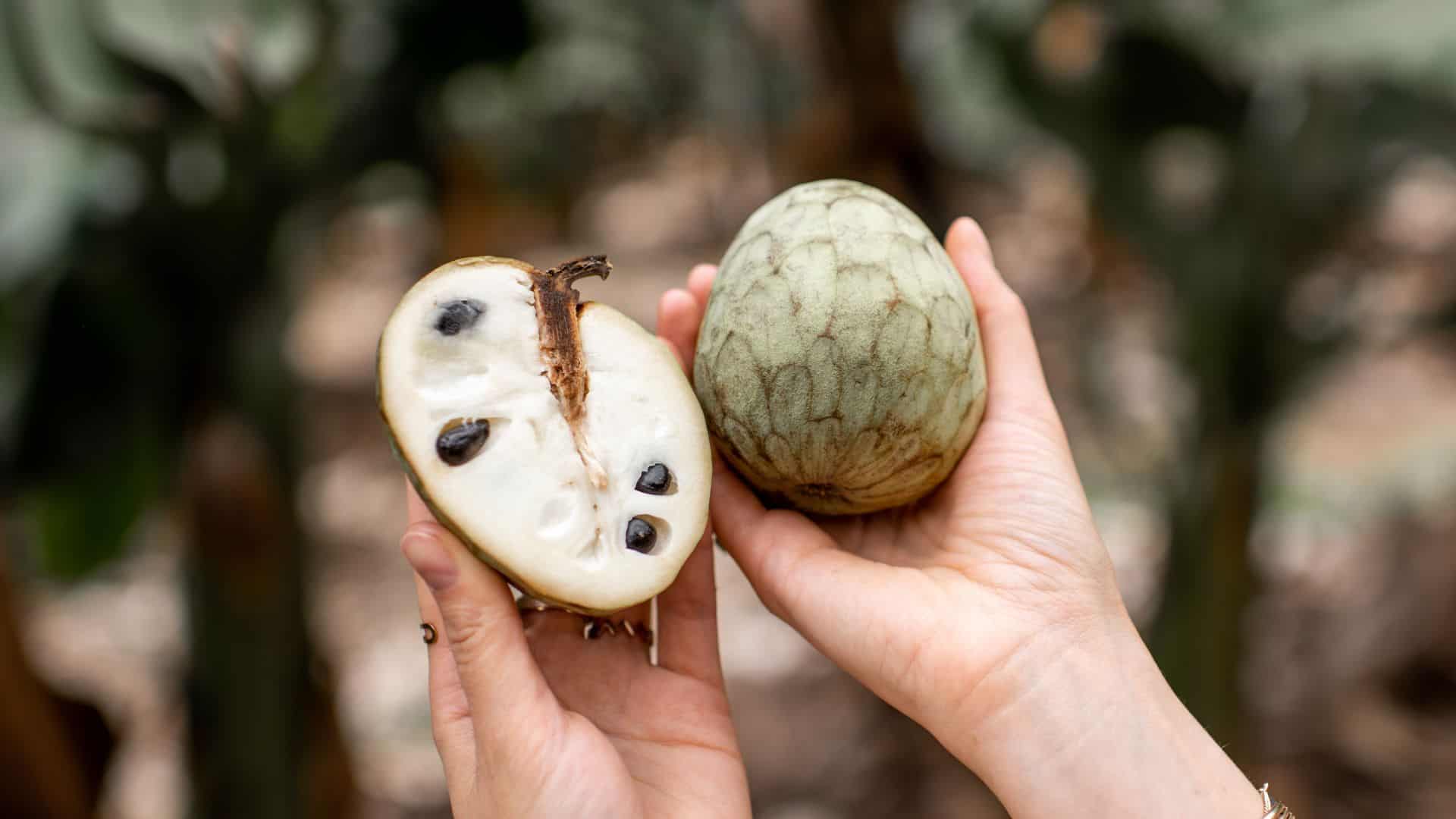
On the outside, cherimoya doesn’t look too promising. This is because the African fruit always looks like it needs a little more time to ripen up, and even cutting it up doesn’t exactly look good. But once you get past its sturdy green and white exterior, you’ll meet a small fleshy center with such an amazing taste; people have compared it to bananas, papayas, pineapple, and even bubblegum!
Sapodilla
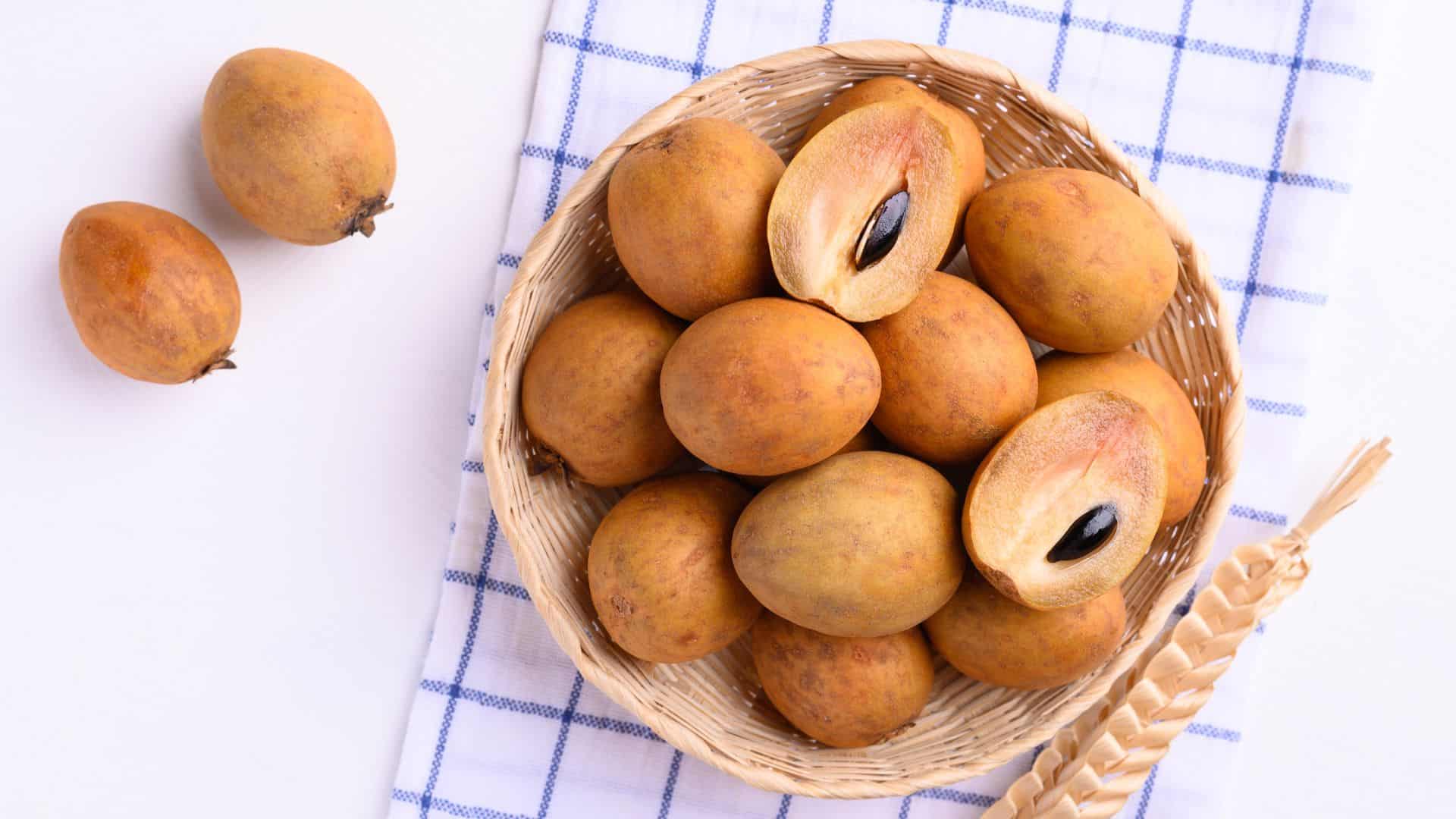
A very popular fruit in India and Pakistan, sapodilla looks boring on the outside. For many, the beige exterior wouldn’t be exciting. But only South Asians know the power a sapodilla packs.
Sapodilla has an extremely sweet taste, one that would wear off an ice cream craving if it meets one. But I don’t think the fruit can join forces because many Pakistanis enjoy this fruit as an ice cream flavor.
It’s also a dessert on its own, so people are welcome to eat it as is.
Breadfruit
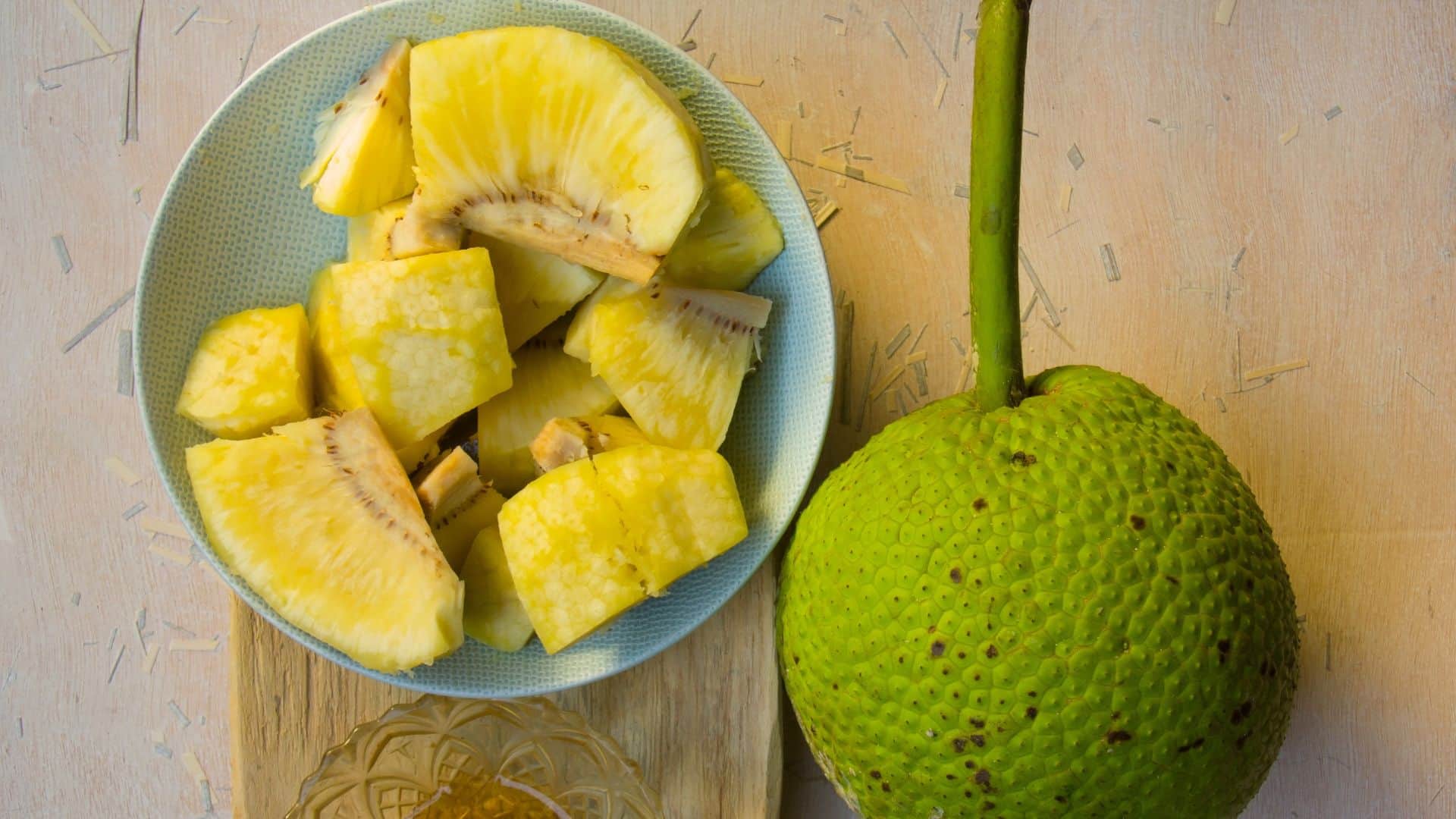
Are you surprised people actually named a fruit this? Well, that’s because it literally tastes like your average bread, only much more delicious because it’s a fruit.
Breadfruit has a tough green exterior and reveals a very suspicious pink and white interior when you cut into it. The texture is quite spongy and tough, and while slicing, it feels like tofu. Yet, once you pop a piece into your mouth, it feels like you’re eating white bread with some sugar.
Long mulberry
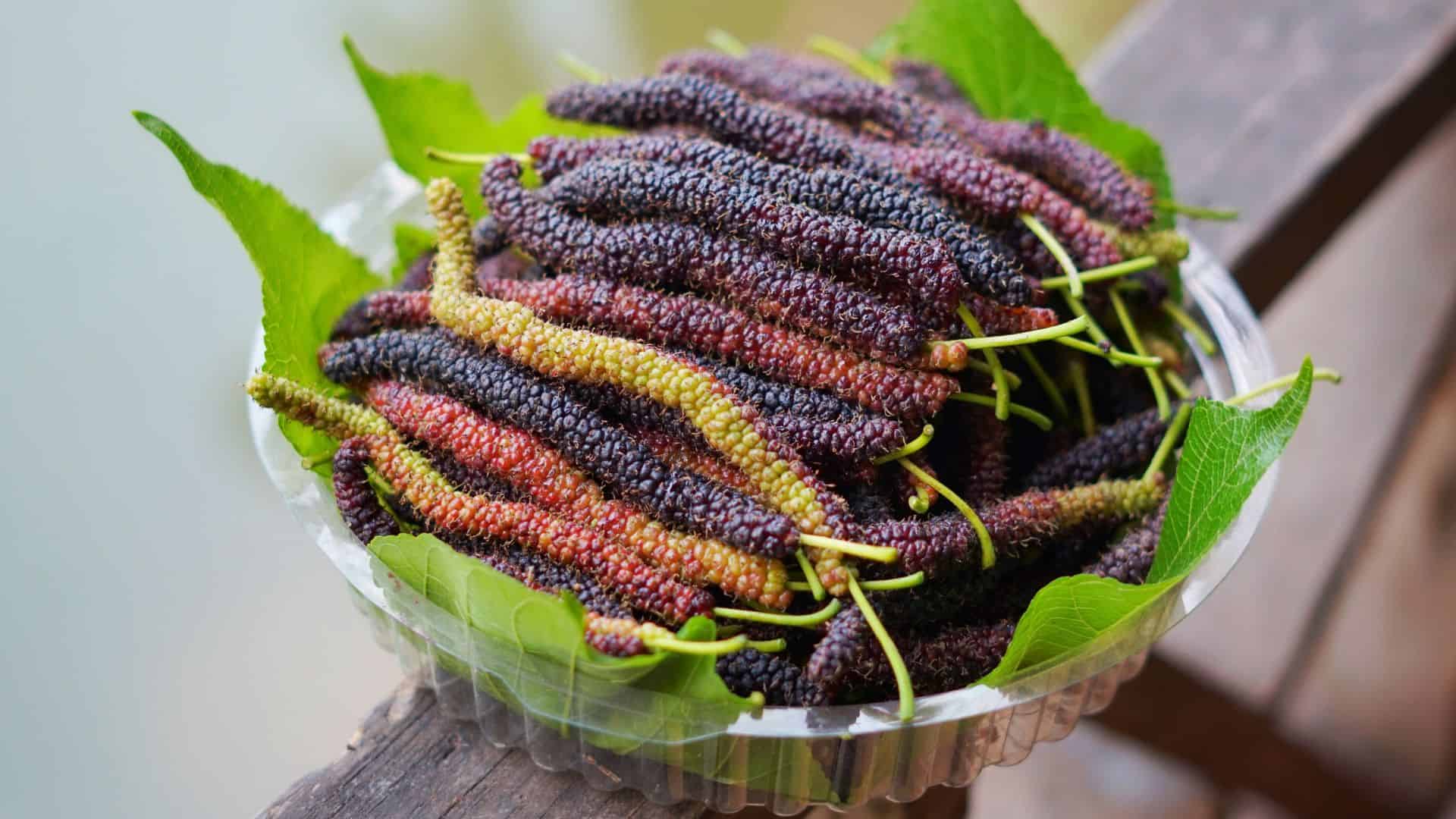
A fruit that’s so common in Pakistan and India, I’m sure many locals from these countries are looking at this and wondering, wait, is that rare? But to us, this unique fruit is rarer than diamonds.
Long mulberry is a sweet and tangy fruit that hangs off trees and leaves a trail of maroon-violet streaks all over the ground. Even picking the fruits up and eating them will stain your hand, but apparently, it’s all worth it because it’s delicious!
Pandanus
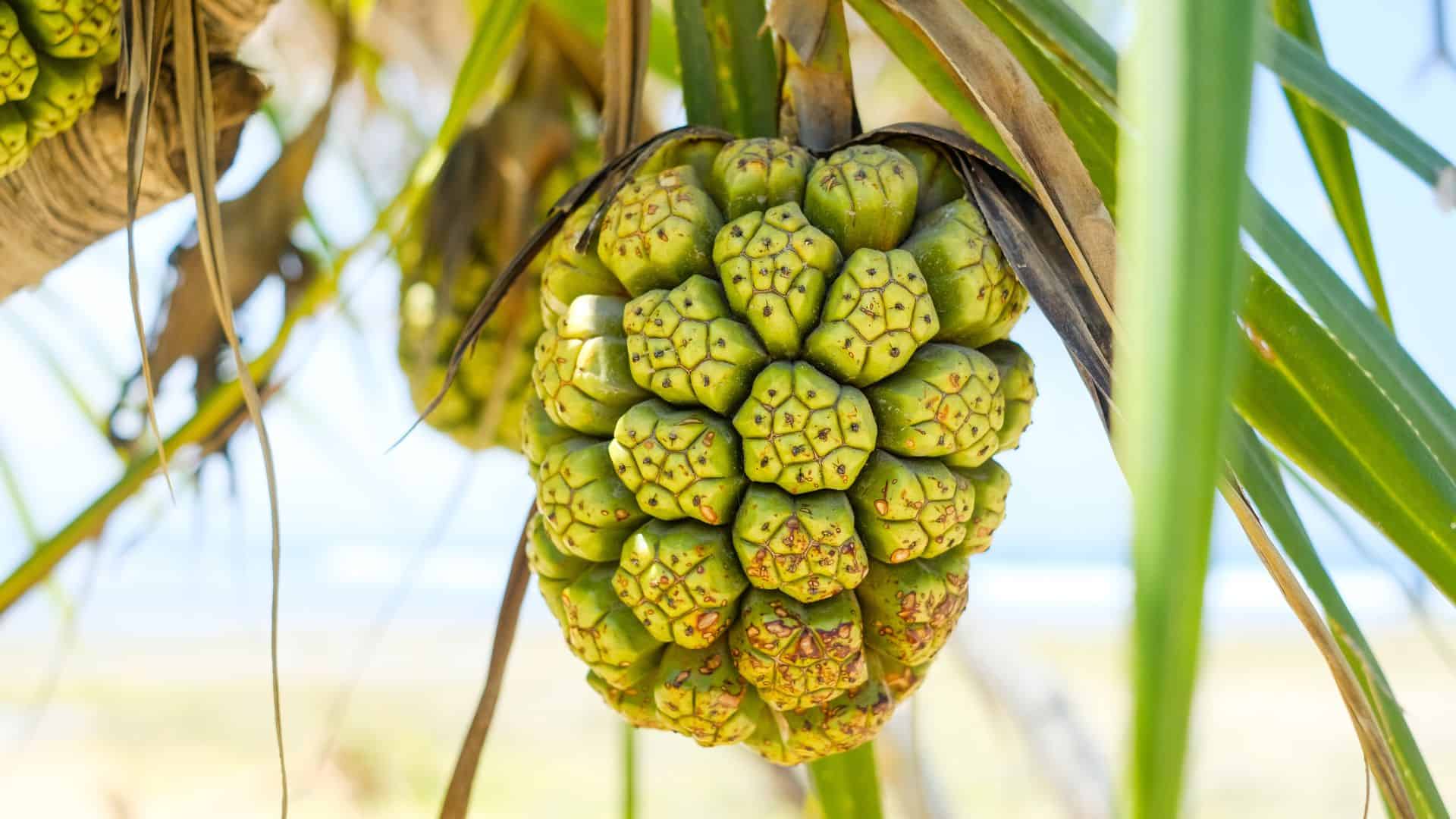
Let’s call this one with its other name, the screw palm. Visually similar to a pineapple, screw palm hails from the Pacific but isn’t as easy to get. For one, it’s rarely sold internationally, which means you’ll have to track it down. For another, pandanus has an extremely hard exterior, so you’ll literally need to crack it open like a coconut to reach the sweet, tangy fruit inside.
Java/Rose apple
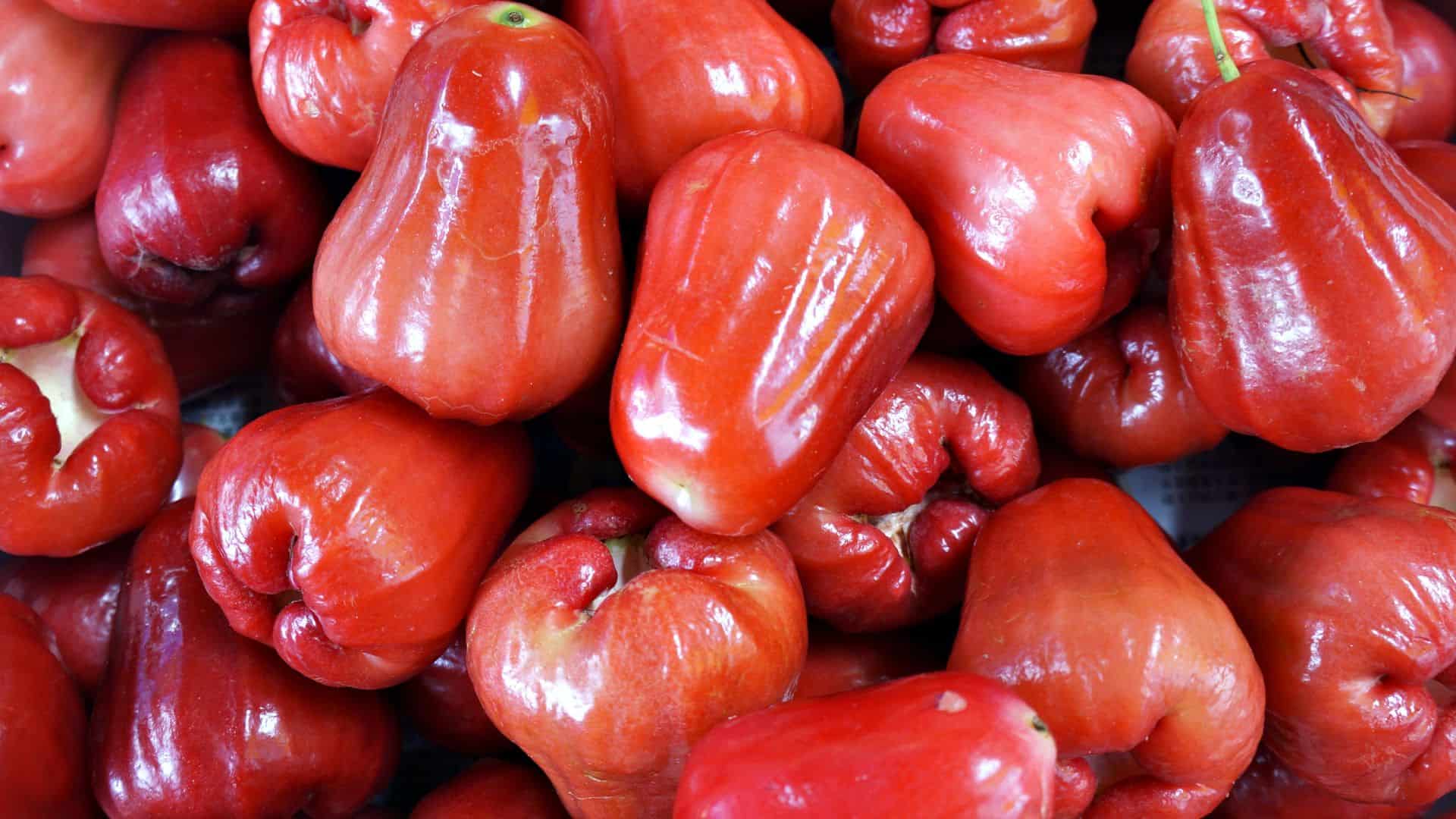
I don’t know why people call it Rose Apple because, apparently, it’s nothing like either. Apparently, the fruit has thin skin, one that you can typically peel away with ease, just like an apple. Its texture is spongier and juicier, but it feels like you’re almost eating an apple.
Doesn’t make too much sense, does it? That’s exactly why I want to try them, but the fruit is native to Andaman and Nicobar Islands. Looks like I'll have to take a trip!
Durian

The durian is also called the "king of all fruits" because it is the largest fruit in the world. However, the durian often gets a bad rap because of its bad smell. If you can get past the stinky-sock scent, you will get to enjoy the sweet, custardy taste of the durian that is both yummy and nutritious.
Honeyberry
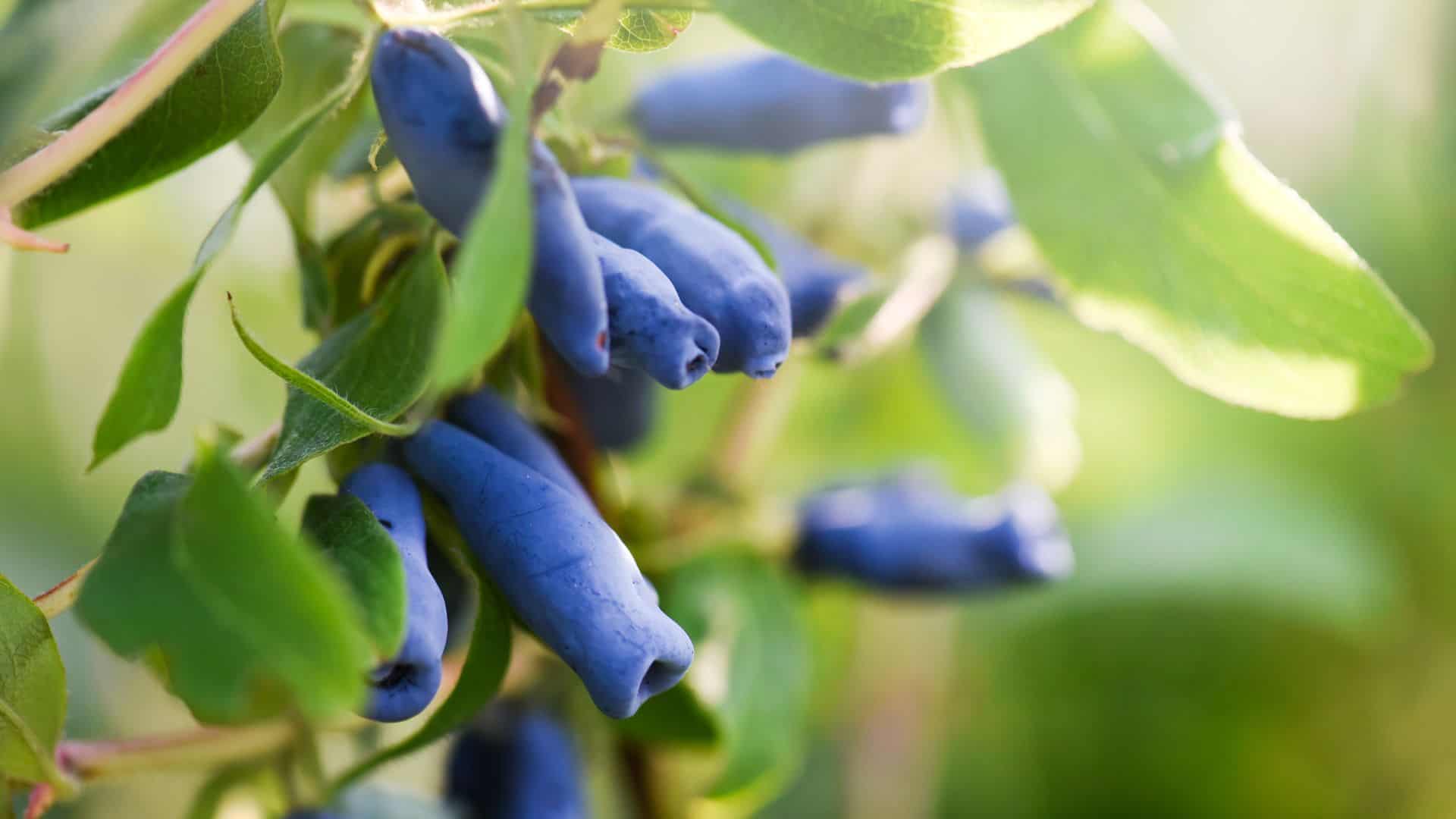
Visually, honeyberry looks like something only Tinkerbell would know about. But this fruit grows in North America, Europe, and parts of Asia, so it’s not as rare as you’d think. The long fruit has thin, dark blue skin, almost like a blueberry’s. Its thin skin breaks apart to reveal a juicer flesh, which many claim tastes exactly like a concoction of honey, blackberry, and kiwi.
Too specific? Maybe we should try it for ourselves.
Medlar
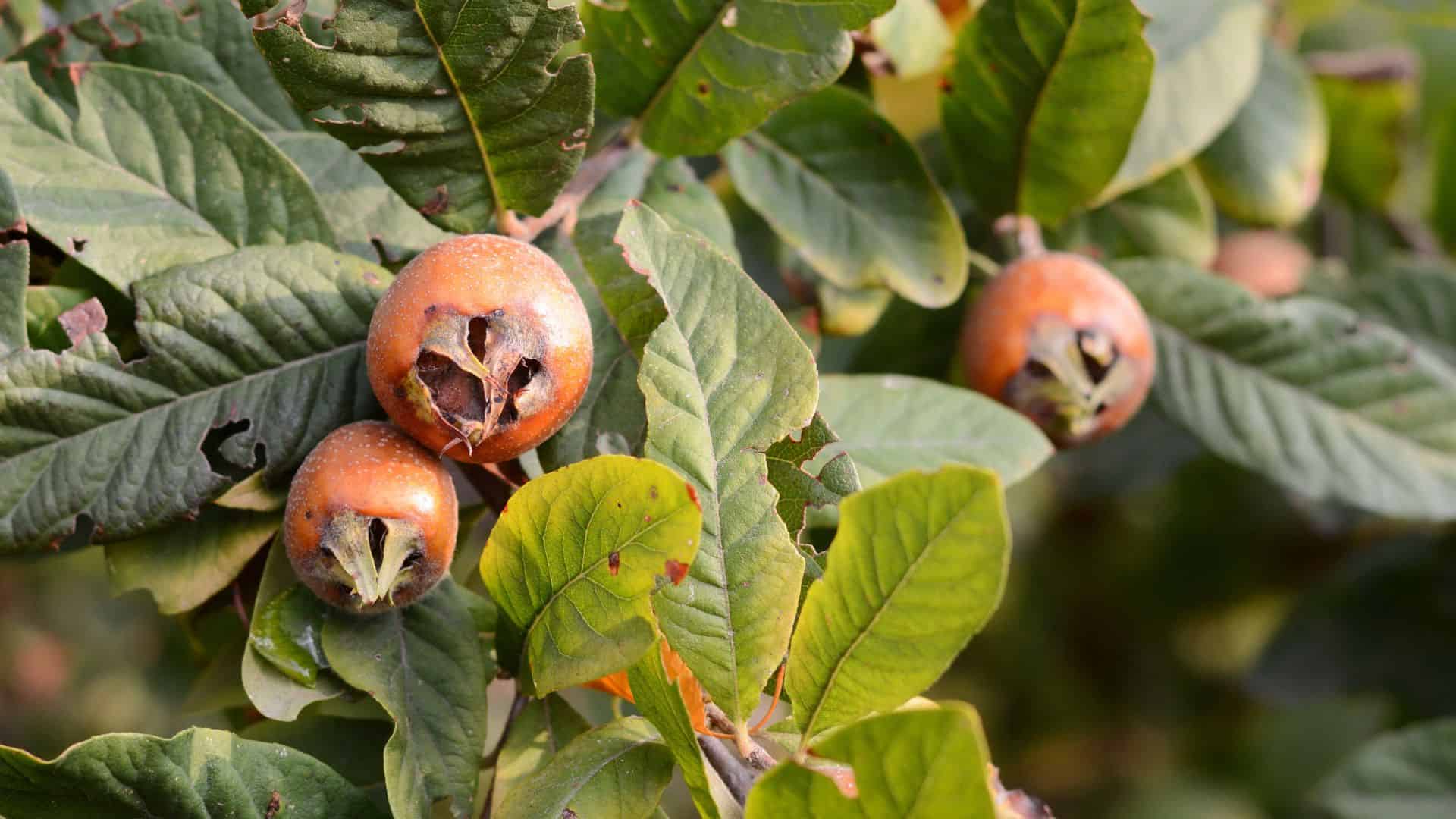
Medlar is pretty rare and only available in Persia and some Asian countries, so I think it makes the cut as an exotic fruit. Medlar has a dark rind that almost always looks like it was invaded by insects, but don’t let that freak you out because that’s just how it looks.
The taste of medlar is much sweeter and quite blissful. To many, medlar tastes like fruit butter, although some claim it’s much sweeter and tastier.
Java plum/Jamun
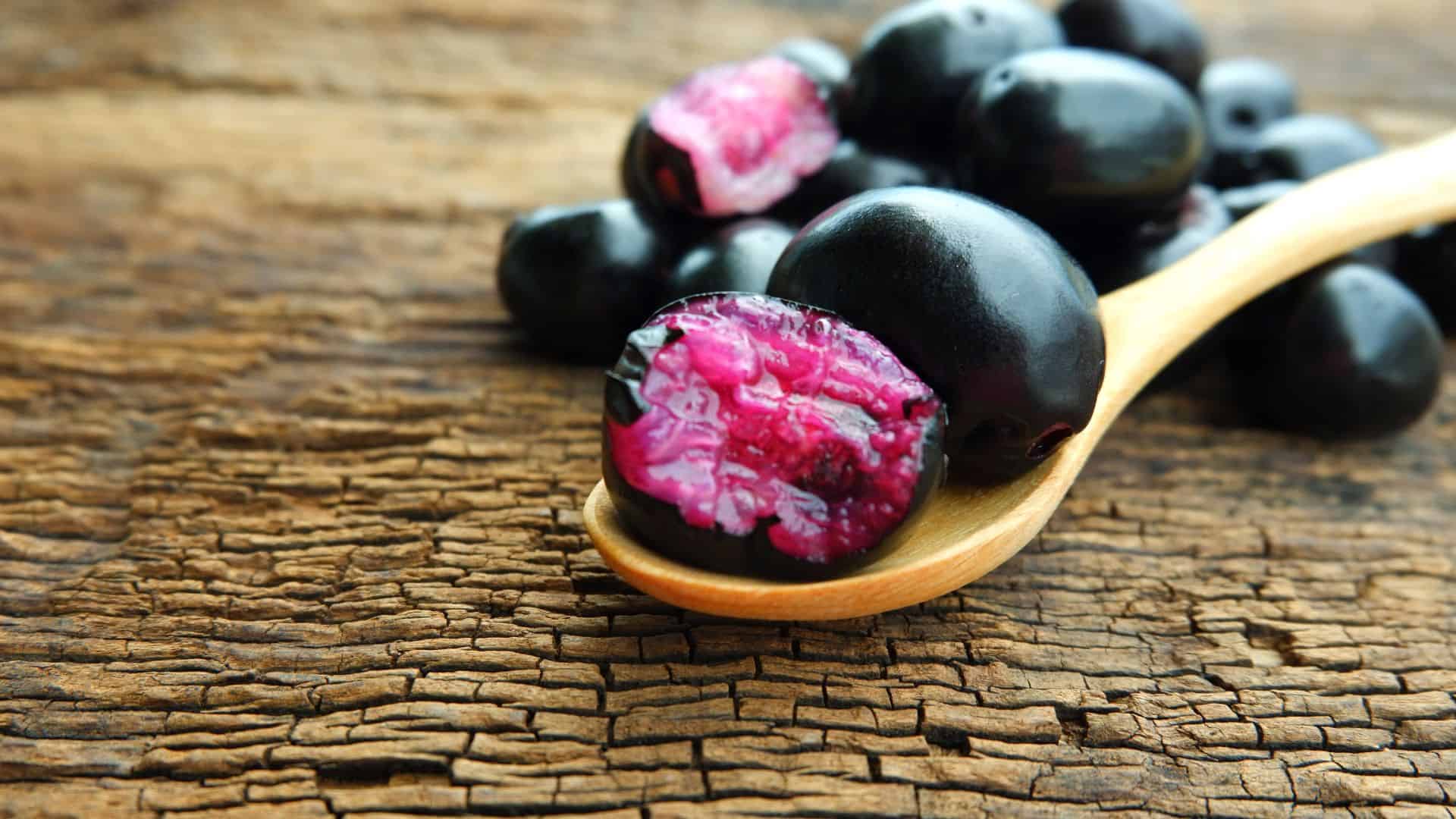
Dark blue, juicy, and with a highly contagious color, java plum or jamun is a tart fruit commonly available across Pakistan, India, and Bangladesh.
The fruit isn’t bigger than part of your thumb and has a big single seed surrounded by flesh. It’s one of those fruits you have to shove into your mouth to eat awkwardly, but its tart, sweet taste is worth the effort.
Indian gooseberry

Lastly, this fruit is so exotic even the Indians who grow it hesitate to eat it. This is mainly because amla or Indian gooseberry doesn’t taste like your average fruit and is more like a natural supplement. But it’s great for hair growth and is packed with vitamin C, so it’s frequently consumed in whatever ways possible.
Feijoa

Feijoa is a small, dark green fruit native to Australia and South America. It is also called a pineapple guava, but in reality, it looks very much like a mini cucumber. Scoop the flesh out of a feijoa and eat it with a spoon. You will love the sweet and tangy taste of this fresh fruit, which is exciting and pretty darn bold!
Buddah's Hand

The Buddah's hand is a large citrus fruit with finger-like tendrils. The yellow fruit can be found in Asia, India, China, and Vietnam. Unlike other citrus fruits that grow on trees, the Buddah's hand grows on short thorny bushes. The fruit has a strong lemony flavor, but it has almost no juice or pulp inside; it is pure pith. Because of that, it is most commonly used for making perfume, flavoring drinks, or for medicinal purposes.
Fruit Of The Hala

Fruit of the hala comes from the hala tree, which grows in the Pacific. The fruit has a tropical, sweet flavor and a gorgeous, almost alien-like look. It is often used in curries or to make fruit juice.
Tamarillo
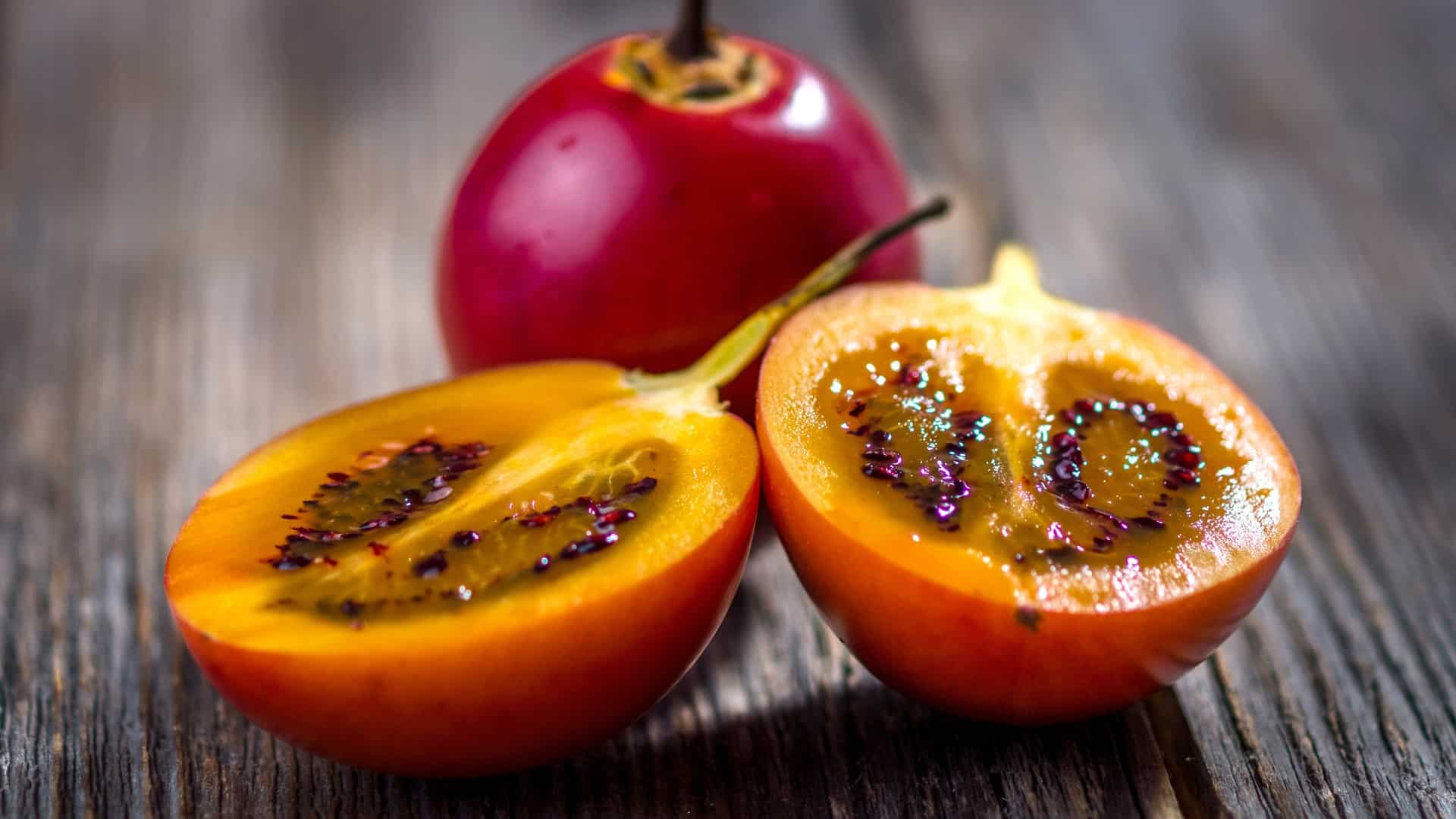
Tamarillo is an egg-shaped fruit often called a tree tomato. It has a tart taste and a pulpy, seedy center. The fruit is native to South America and very popular in Ecuador, where it is blended with water and enjoyed as a refreshing drink. You can also scoop the fruit with a spoon and eat it!
Ackee
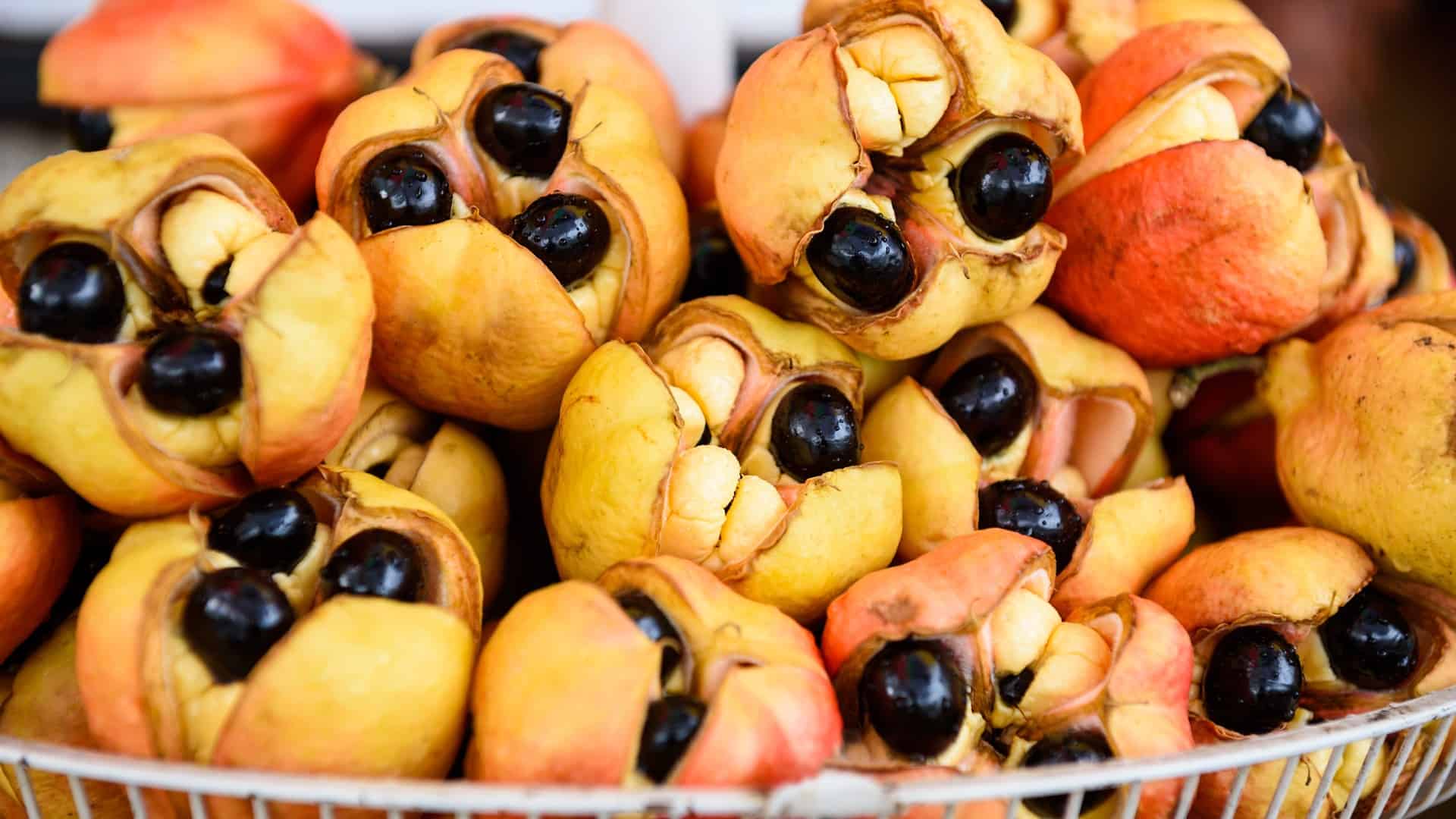
Ackee fruit grows on evergreen trees and is native to Jamaica. The outside of the fruit is a little spikey, but the inside is soft and creamy. Many people say the ackee fruit tastes like nutty scrambled eggs with just a hint of sweetness. Just don't eat the seeds, which are actually toxic!
Black Sapote

Black sapote is a tropical fruit that people describe as tasting like chocolate pudding. It is creamy and dark with a naturally sweet taste. It is also high in antioxidants, which makes it healthy and tasty. We wish we could find this one in our local grocery store!
Leave a Reply