
Some grocery purchases used to feel automatic. Household basics were staples to buy without hesitation, but lately, more shoppers are pausing and occasionally putting things back on the shelf. An online discussion reveals a growing list of products people say no longer justify the cost.

The story
In a recent Reddit thread, someone asked, "What groceries have you stopped buying?" They went on to say that in their area, pasta and butter prices haven't changed much, so they are buying more of both. They said they no longer buy eggs because they're three times as expensive, and they've stopped buying cocoa powder as well because its price has increased dramatically.
They're interested in what other people are cutting back on during times when grocery prices are so high.
The responses
Over 1,000 people hopped on the thread to say which foods they removed from their budgets.
One person said, "I’m eating more oatmeal. Cereals are so expensive, and they require milk." This is a great option. Oatmeal is super affordable and can be made in just a few minutes. Plus, if you buy instant oatmeal, all you need is water to make it. No extra cost for milk.
Another wrote, "I am cutting down on canned sodas. Too expensive." It's amazing to see how expensive soda in a can has gotten. You used to be able to buy a 12-pack of soda for under $3, but nowadays, it's double that. Cutting out sugary sodas is good for budgets and waistlines.

This person said, "I shop the sales flyers and plan my meals around that. Haven't really had to stop buying anything." Shopping with sale flyers is a great way to still afford food items, just on a more rotational basis.
If you start paying attention to the sale items in the grocery stores in your town, you'll notice that a lot of the same items go on sale every few weeks, so planning that way can help you know how to prepare so that you can get the lower prices every few weeks.
Several people agreed with this. "I haven't bought beef in months." A lot of people are cutting back on beef because it's so expensive.
This person said, "$7 for a loaf of bread? No thanks, I’ll bake my own." Making savory and sweet dessert breads isn't hard. You can use a bread machine or bake loaves right in the oven.

Another wrote, "No more chips. Cost more than their weight in gold, and let’s be honest. They provided no nutrition anyway." They're so good, but so expensive.
This person got creative. "We haven’t given up steak, but we don’t eat it nearly as often. We try to find rib roast sales as it brings the price down, and then we cut them to our liking, or sometimes we will have the butcher do it." Finding a good butcher who will do this is a great way to cut costs without sacrificing quality.
Someone else said, "Basically anything that is heavily advertised." Not a bad logic, since those companies that spend a ton on advertising also work those costs into the pricing of their food.

Rethinking the cart: How shoppers are adapting to higher prices
As grocery prices continue to fluctuate, many shoppers are doing more than simply cutting items. They are changing how they shop altogether.
Instead of building meals around cravings, more people are building them around price. That means checking weekly ads before writing a list and being flexible about brands. Store brands, once seen as a compromise, are now a first choice for many households trying to stretch their budgets.
Others are rethinking convenience. Pre-shredded cheese, single-serve snacks, and pre-cut produce often cost more per ounce than their whole counterparts. Buying blocks of cheese or whole vegetables and prepping them at home can reduce costs over time. It requires a little more effort, but for many, the savings add up quickly.
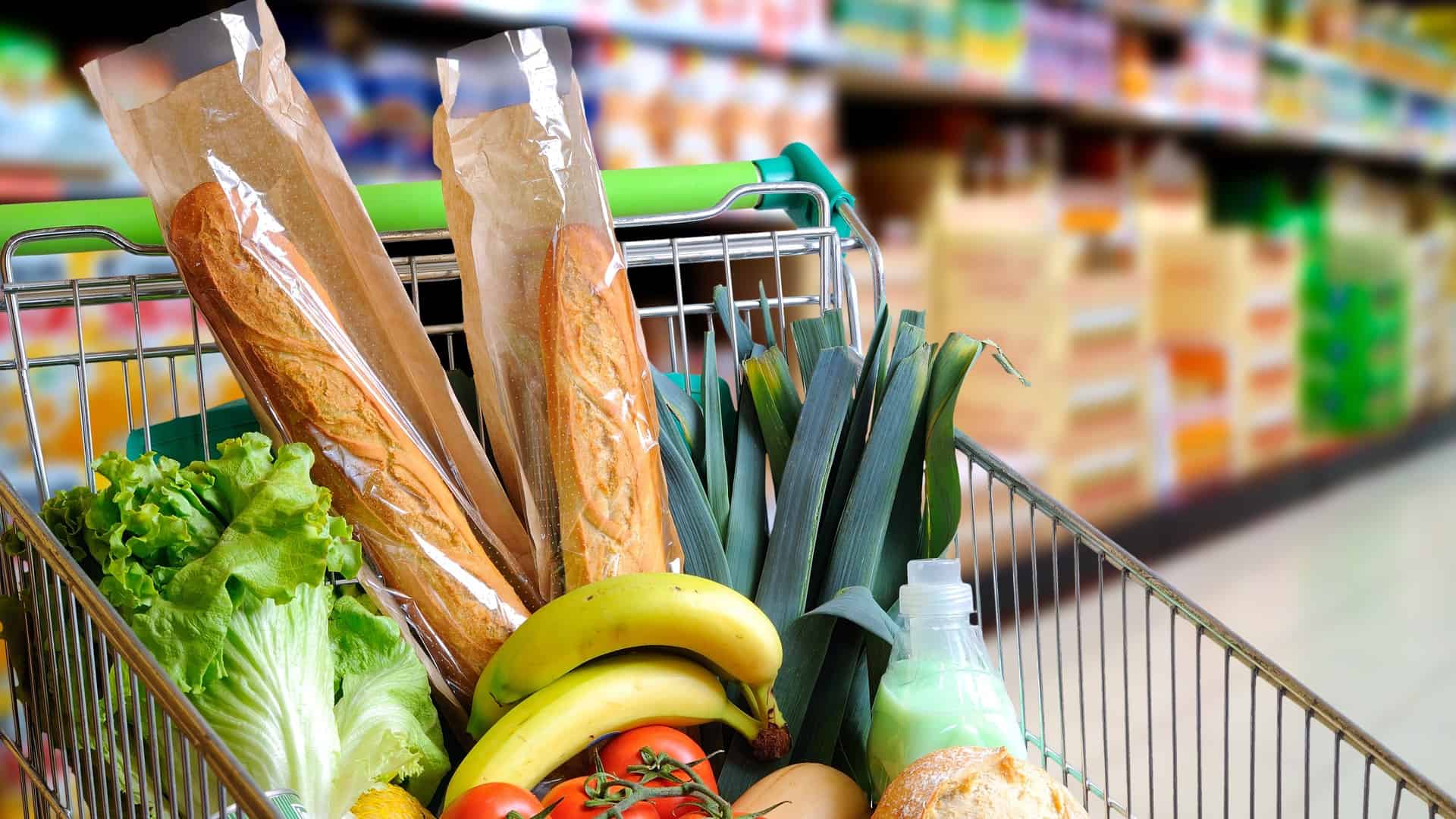
There is also a noticeable return to basics. Oatmeal instead of boxed cereal. Dried beans instead of canned. Homemade bread instead of bakery loaves. These swaps are not just about nostalgia. They are about control. When you cook from scratch, you can stretch ingredients further and avoid paying for packaging and branding.
Some shoppers are thinking even more creatively. Bulk buying with friends or family, freezing and reusing leftovers before they spoil, and even rotating proteins based on what is on sale have become common strategies. Planning meals around discounted items rather than fixed recipes helps households stay flexible in an unpredictable market.
Leave a Reply