
Pantry-first cooking is exactly what it sounds like: starting with what you already have before heading to the grocery store. Instead of planning meals around brand-new ingredients, people are looking through their pantry first and building meals from what they have.
The trend has been gaining traction online through budget-conscious creators and families trying to reduce food waste without making cooking feel restrictive.
For many people, pantry-first cooking began during periods of high grocery prices, but it stuck around because it simplifies everyday life. Instead of buying random ingredients for a single recipe and forgetting about the leftovers, people are learning to stretch what they already have into multiple meals.

It also helps answer one of the most frustrating daily questions: “What can I make without going back to the store again?”
Why the trend is taking off
Grocery costs remain one of the biggest pressure points for households, especially for families. Pantry-first cooking offers something many food trends don’t: immediate savings without requiring special products or equipment.
A surprising amount of food waste happens at home; half-used bags of rice, forgotten canned beans, broth cartons shoved behind leftovers, and vegetables that never get used all add up quickly. Pantry-first cooking pushes people to use those ingredients before they expire.
It also reduces the constant cycle of impulse shopping. When people shop without checking what they already have, they often buy duplicates or ingredients that don’t actually work together. Pantry-first cooking encourages planning around existing ingredients first, then filling in small gaps later.
There’s also a convenience factor. On busy weeknights, many people are realizing they already have enough ingredients for dinner if they stop expecting every meal to require a full recipe and a dedicated shopping trip.
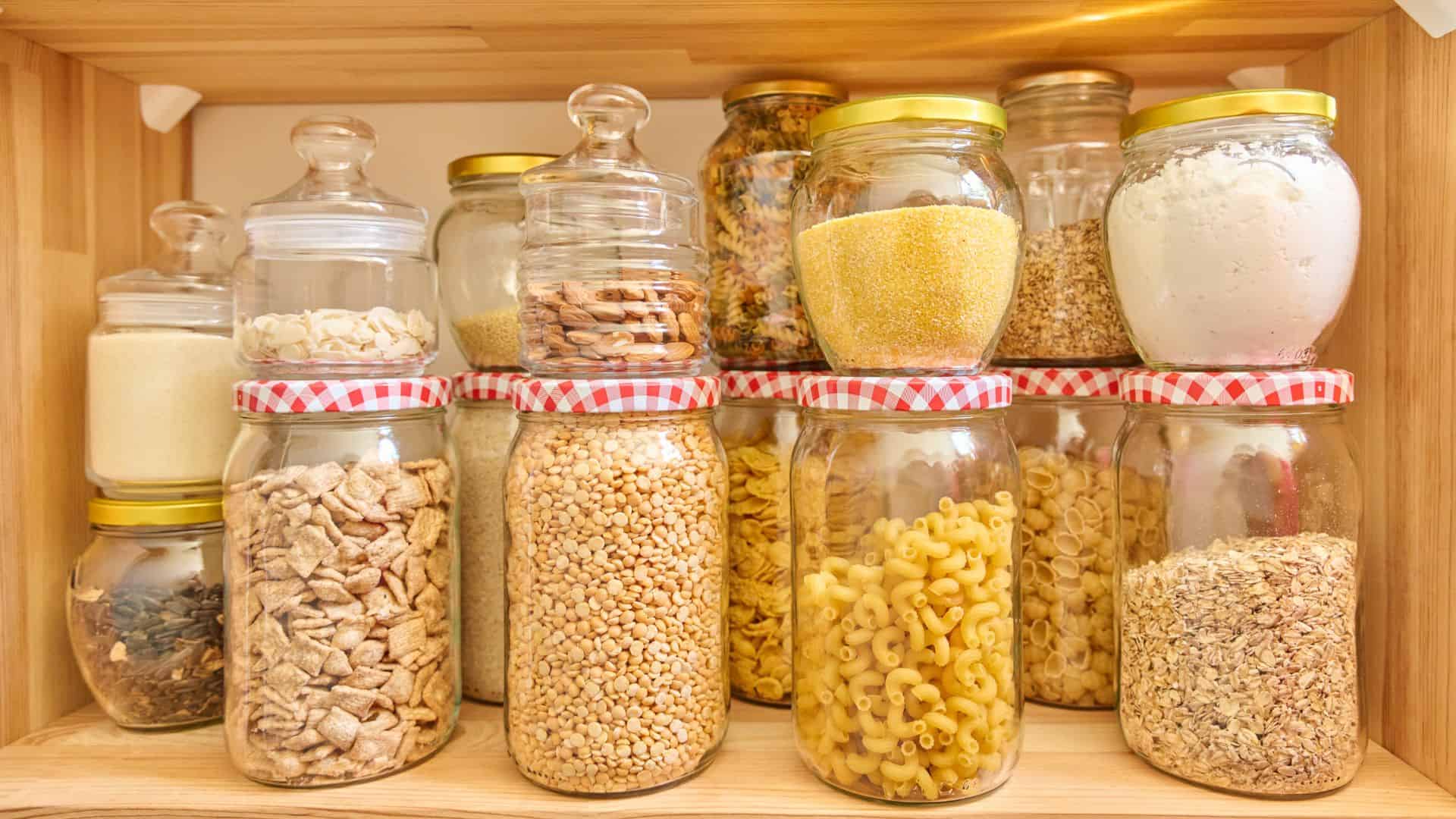
Pantry-first cooking doesn’t mean boring meals
One of the biggest misconceptions about pantry-first cooking is that it means eating plain pasta every night or surviving on canned soup. In reality, it often leads to more creative cooking.
Many people are learning how flexible meals can actually be. A can of chickpeas might become crispy tacos one night and soup the next. Leftover rice can turn into fried rice, grain bowls, stuffed peppers, or even breakfast dishes.
The key is to build meals around adaptable basics rather than rigid recipes.
Some pantry staples that work especially well include rice, pasta, beans, lentils, broth, flour, oats, potatoes, and eggs.
When these basics are paired with fresh ingredients already in the refrigerator, meals come together surprisingly fast.
The freezer is becoming part of the pantry
Another major part of pantry-first cooking is using the freezer more intentionally.
For years, many people treated the freezer like a place where leftovers disappeared forever. Now, more people are freezing ingredients before they go bad and treating frozen foods as valuable meal starters.
Bread and even milk can often be frozen successfully. Instead of wasting extra ingredients, people are saving them for future meals.
Frozen vegetables in particular are becoming more popular again because they’re affordable, convenient, and last far longer than fresh produce. They also reduce the pressure to use everything immediately.
A bag of frozen broccoli or mixed vegetables can rescue dinner on nights when the refrigerator looks empty.

It changes how people grocery shop
Pantry-first cooking doesn’t mean never going grocery shopping. It changes how people approach it.
Instead of walking into a store with a long recipe-specific list, many people are shopping to complement what they already have at home. It also encourages people to buy ingredients with multiple uses instead of one-time novelty items.
For example, instead of purchasing a specialty sauce for one recipe, pantry-first cooks often choose versatile staples like soy sauce, canned tomatoes, garlic, broth, or vinegar that can work across dozens of meals.
Many people are also becoming more aware of expiration dates versus actual food quality. Pantry staples often last much longer than expected when stored properly, which helps reduce unnecessary waste.
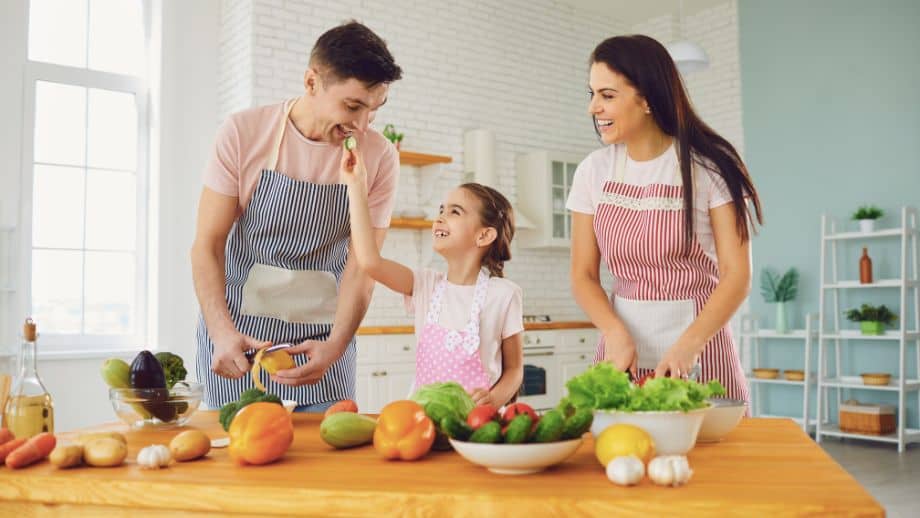
Pantry-first cooking encourages better kitchen habits
Beyond saving money, many people say pantry-first cooking has made them more confident in the kitchen.
Cooking this way forces people to think creatively and rely less on exact instructions. Over time, they learn flavor combinations, substitution tricks, and how to build meals naturally.
It also encourages better organization. Once people start paying attention to what they already own, they often become more aware of duplicates and patterns of waste.
None of it has to be complicated. Even small habits, like checking the pantry before shopping or planning one “use what we have” meal each week, can make a noticeable difference.
Leave a Reply