
It’s National Cheese Day, and we couldn’t think of a better excuse to settle a question that’s been around forever. Why does one block of cheese cost five dollars while another sits on the shelf for twenty-five? Is it all just branding and a pretty label, or is there something real behind the price difference? We took a closer look at what sets cheap and expensive cheeses apart, from how they’re made to how they taste. If you’ve ever stood in front of the cheese section wondering what’s actually worth it, this breakdown will make your next shopping trip a whole lot smarter.
Knowing The Difference

Certain types of cheese are affordable household staples, no doubt. However, there are also types of cheese that are more delicate and come with a higher social status. Tradition and craftsmanship are key factors in distinguishing between inexpensive and expensive cheese.
Ingredient Quality

The sourcing of ingredients in cheese is a fundamental difference between cheap and expensive cheeses. Expensive cheeses use ingredients from ideally nutrient-rich cows, goats, etc., while cheaper cheeses tend to source ingredients from less fresh, larger-scale dairy operations.
Flavor Profile
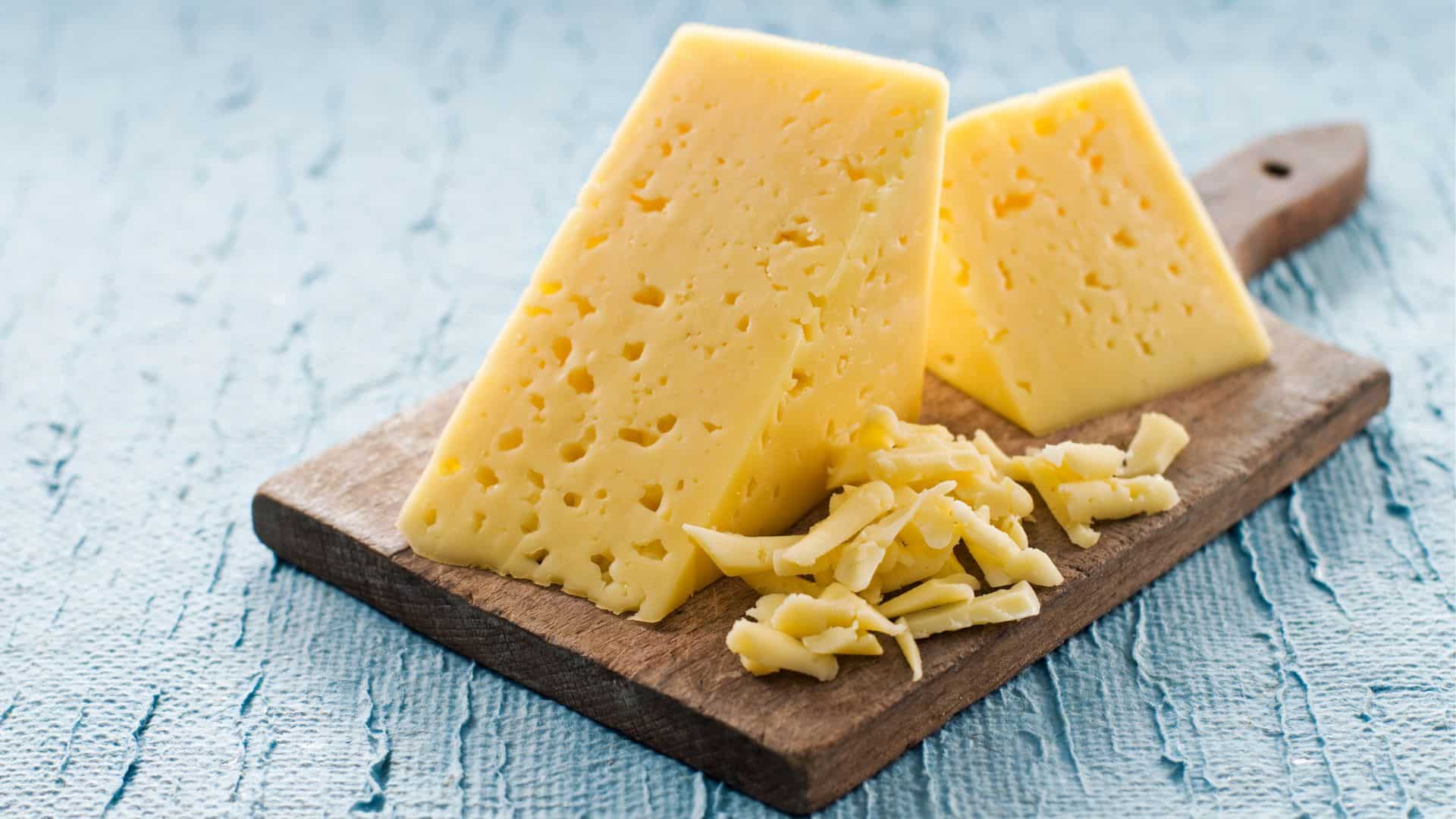
The flavor profiles of cheap cheese versus expensive cheese are significantly different and reflect the difference in ingredient quality. Expensive cheeses have a more distinct, rich, and creamy appeal, while cheaper cheeses often rely on flavor additives to compensate for the lack of quality taste.
Production
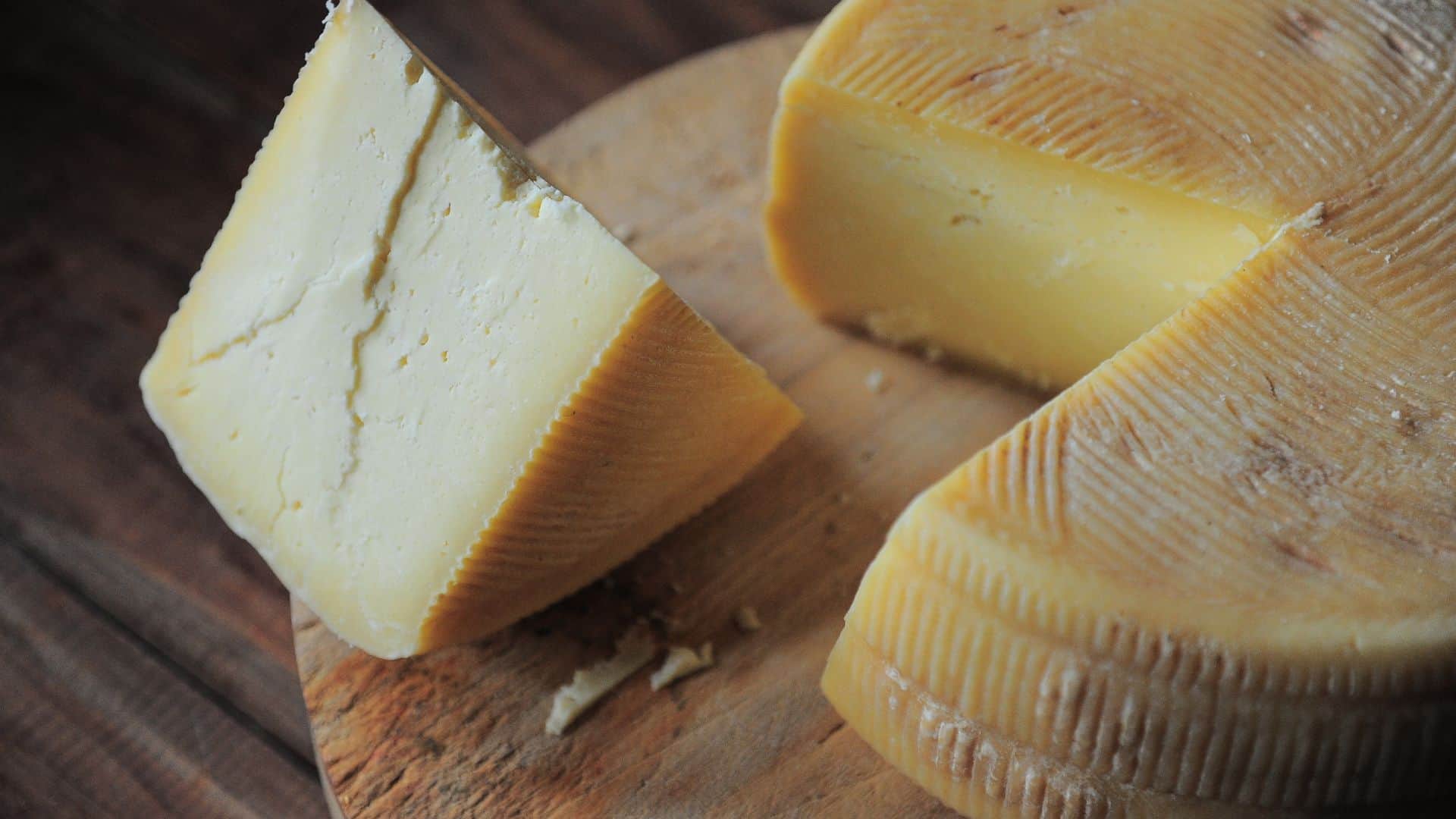
High-quality cheese undergoes an extensive aging process and is handled with great care. Cheaply made cheese undergoes a much faster and less natural aging process that may involve additives. The production of expensive cheese is much more controlled and meticulous than that of cheap cheese.
Maturation
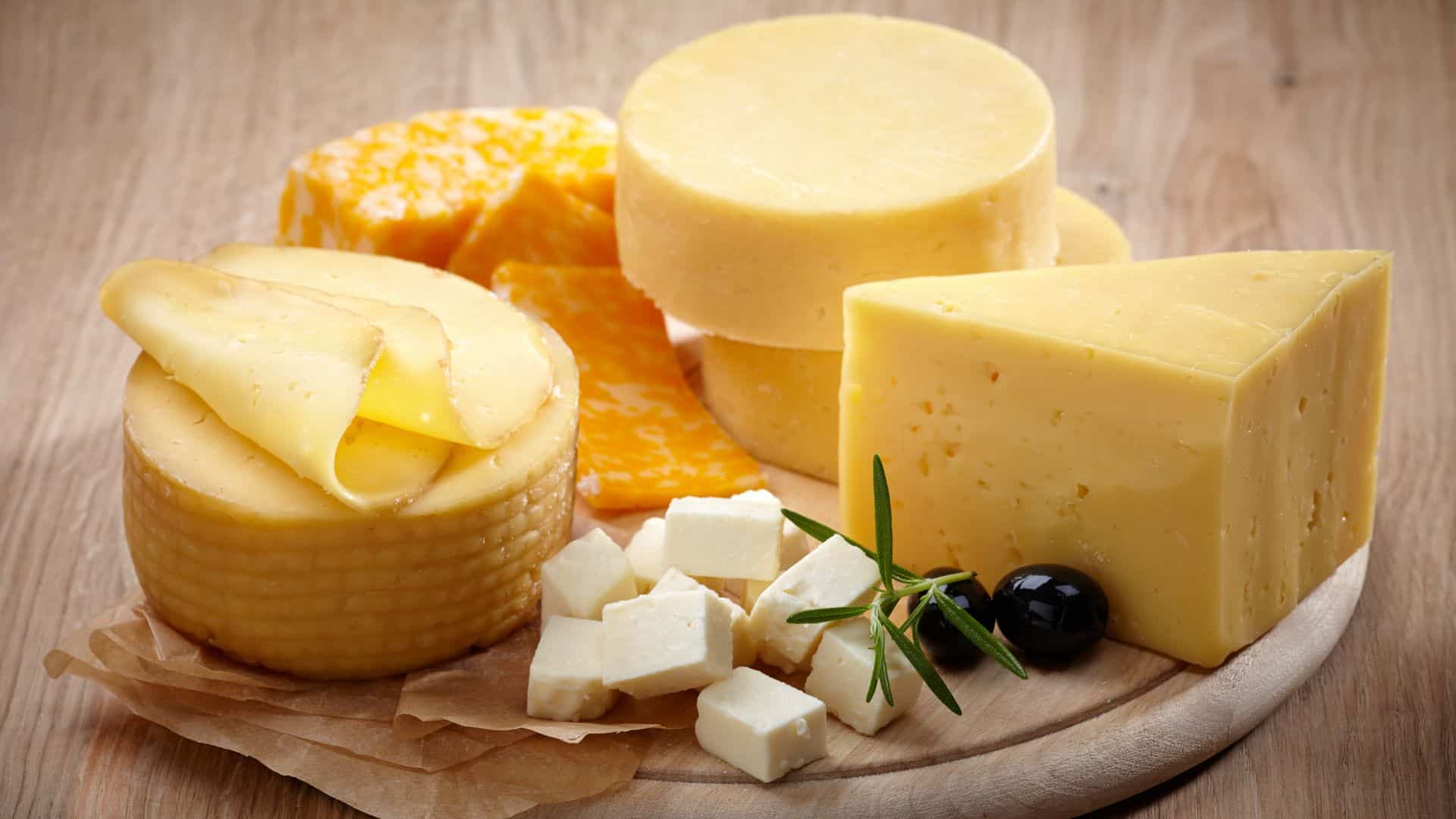
The maturation process is a crucial step that sets cheap cheese apart from expensive cheese. Expensive cheese is carefully monitored during an extensive and thorough aging process, whereas cheap cheese is mass-produced and aged under lower-quality conditions and environments.
Decadence
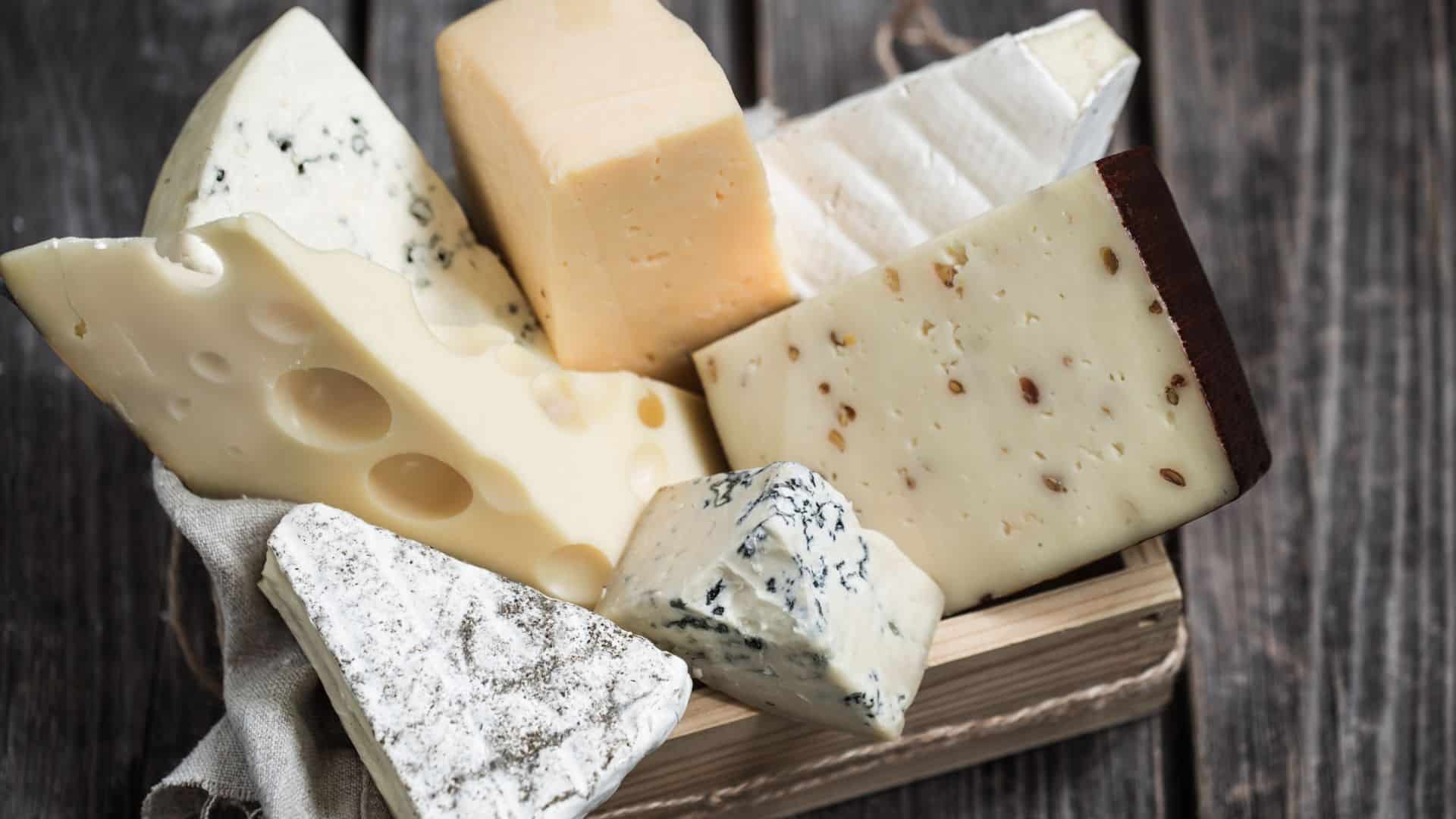
Biting into a piece of cheese and savoring its decadence is one of the most enjoyable aspects of eating cheese. You can tell that the ingredients are more natural, flavorful, and textured in pricey cheese, and cheaper cheeses often taste heavily processed, lacking that decadence.
Texture
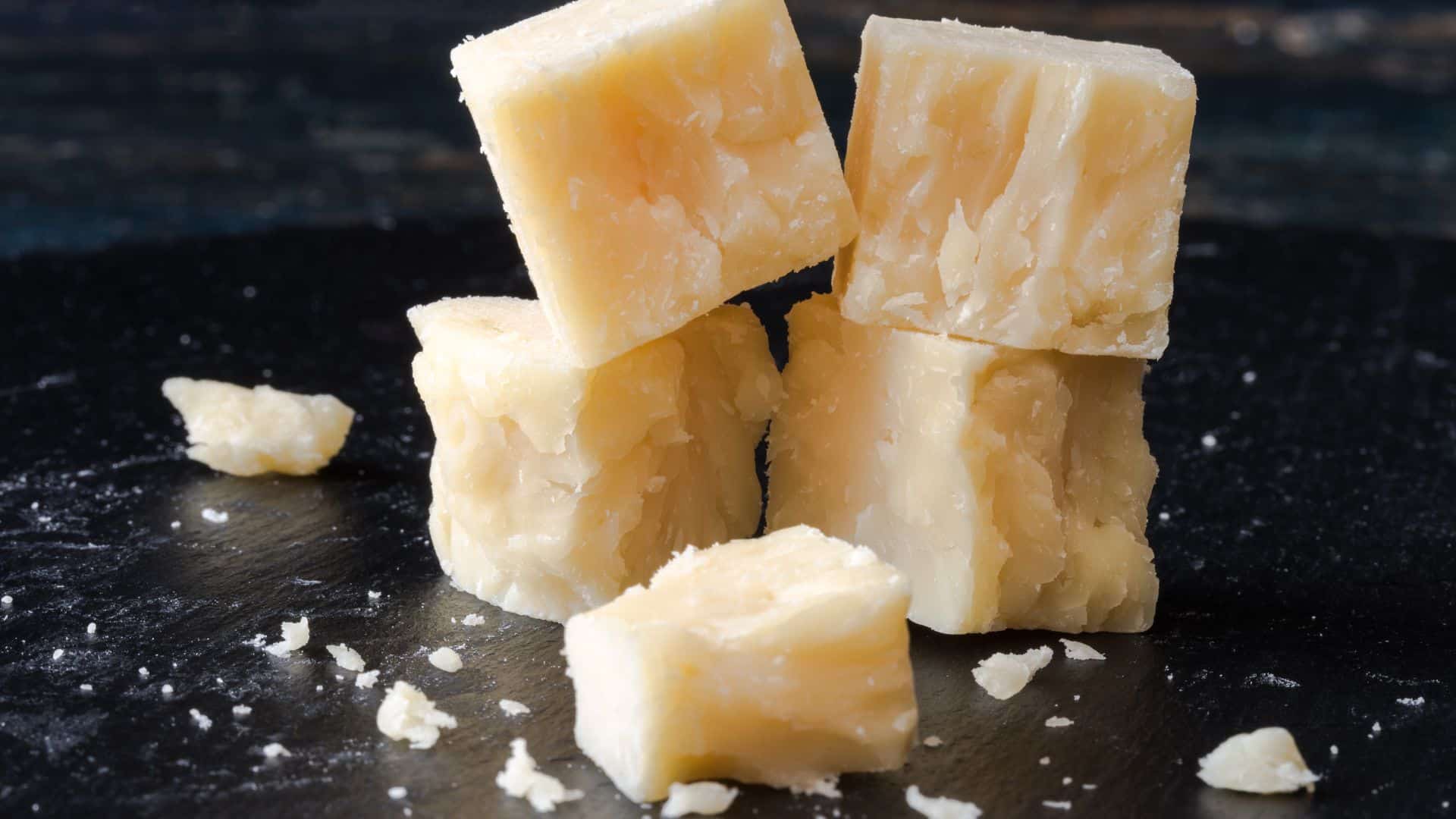
Texture is crucial in determining whether a cheese is of high quality or made with care and attention. Expensive cheese has a diverse range of textures, from crumbly to creamy, and cheap cheese typically has a more formed, artificial texture.
Variety

Variety is a significant differentiating factor between inexpensive and expensive cheese. Certain types of cheese cannot be cheaply made; therefore, you will not be able to find that variety at a price comparable to mass-produced, cheaper cheeses like standard American yellow cheese slices.
Artisan Vs. Industrial
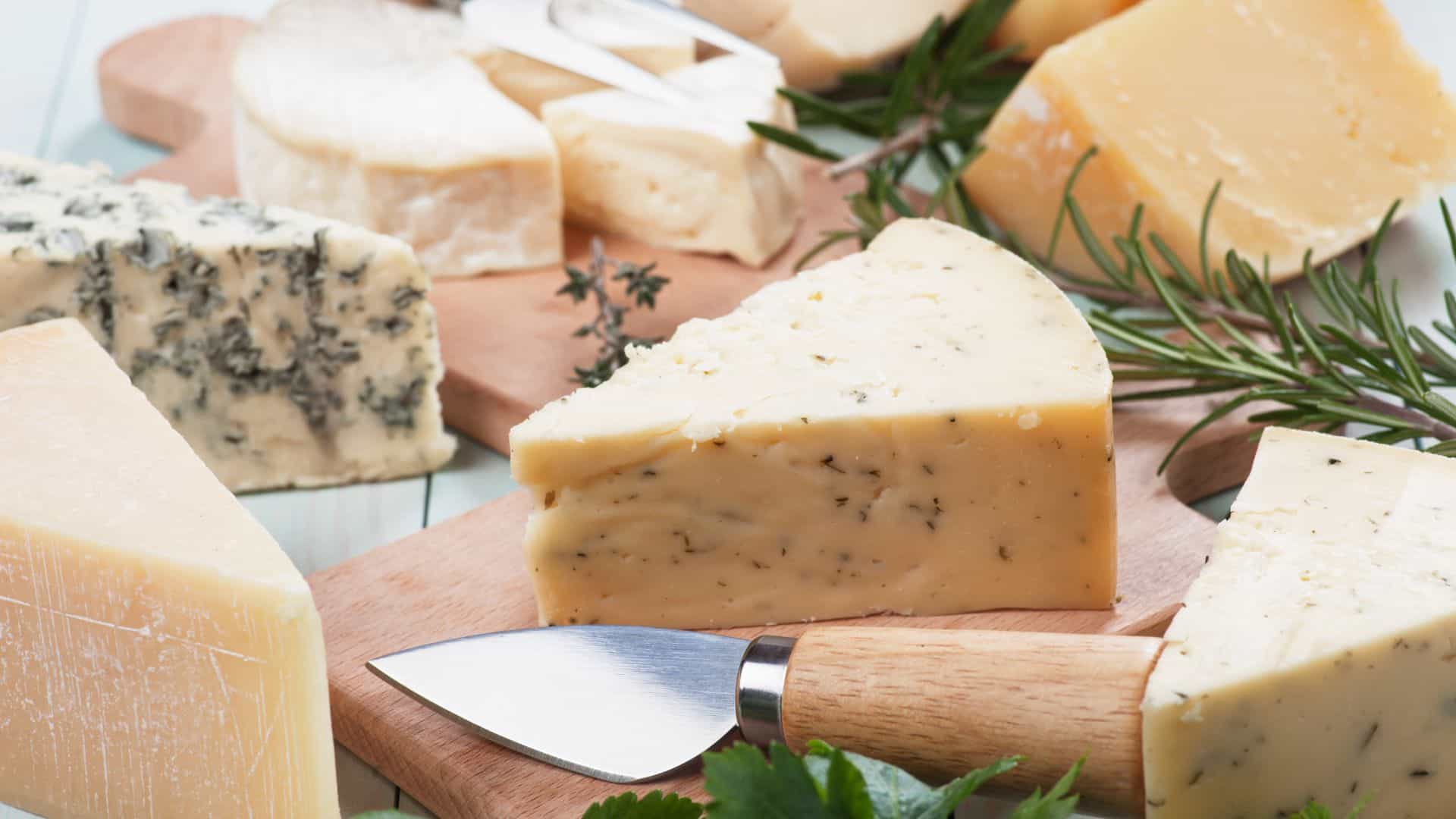
Artisanal and industrial cheeses showcase different approaches to crafting cheese (both valuable). Skilled cheesemakers carefully craft artisanal cheeses through an extensive process. On the other hand, industrial cheese production is characterized by convenience and scale.
Ethical Practices

I'm sure we've all heard about unethical dairy farms and factories. Cheaper cheeses are more likely to source their ingredients from these less ethical factory farms than those who craft expensive cheeses (which require a certain quality for taste).
Social Perception
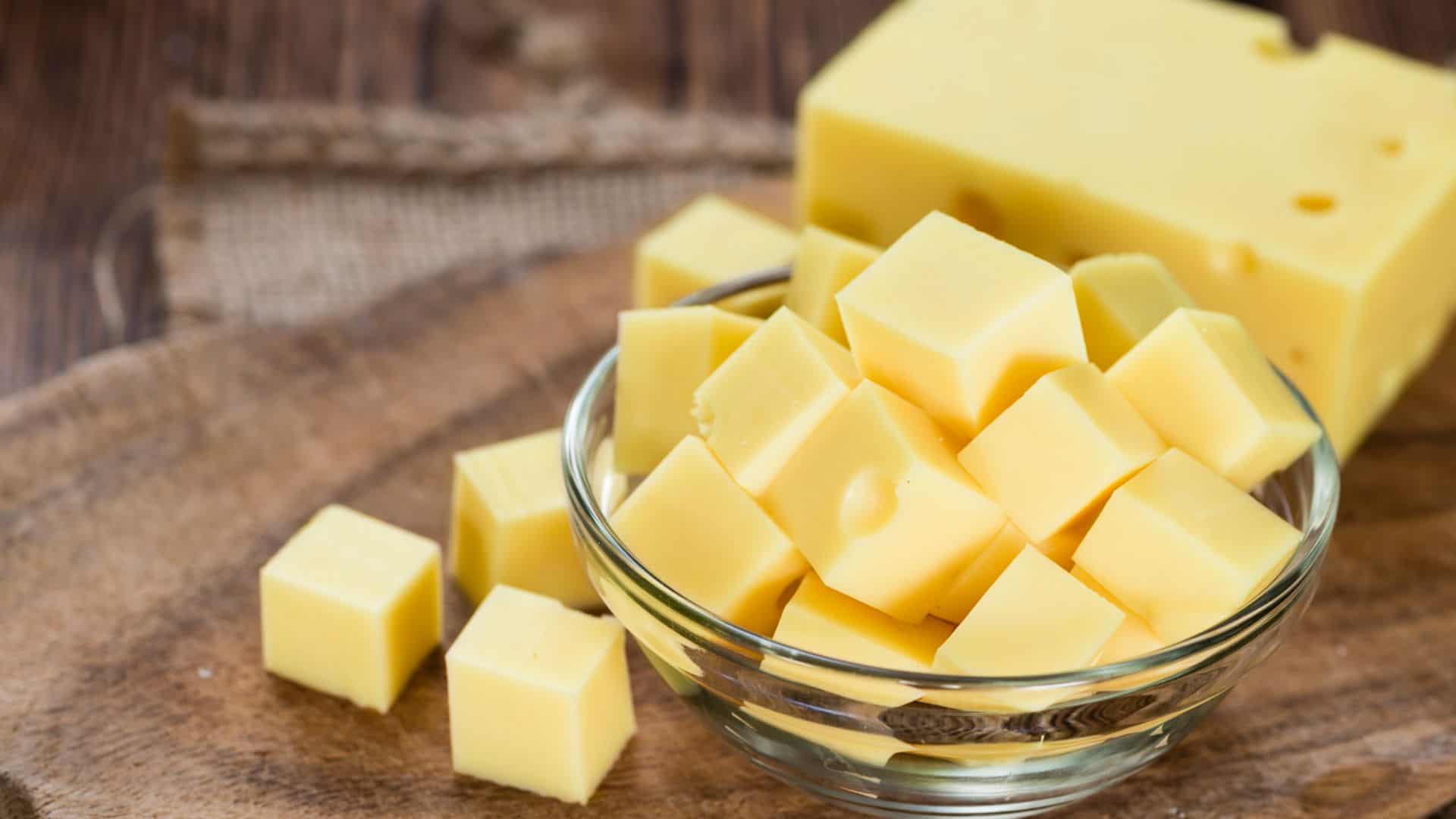
Social perception can shape the difference between cheap and expensive cheese. These perceptions also intersect with cultural views and values concerning the difference. Expensive cheeses, unlike their cheaper counterparts, are regarded as a delicacy and a symbol of higher social status.
Getting Familiar

The world of cheese is diverse and full of flavor. Cheese is categorized by its taste, texture, quality, and production, but that doesn't detract from the necessity of affordable cheese or the delicacy of expensive cheese.
Zero Fillers
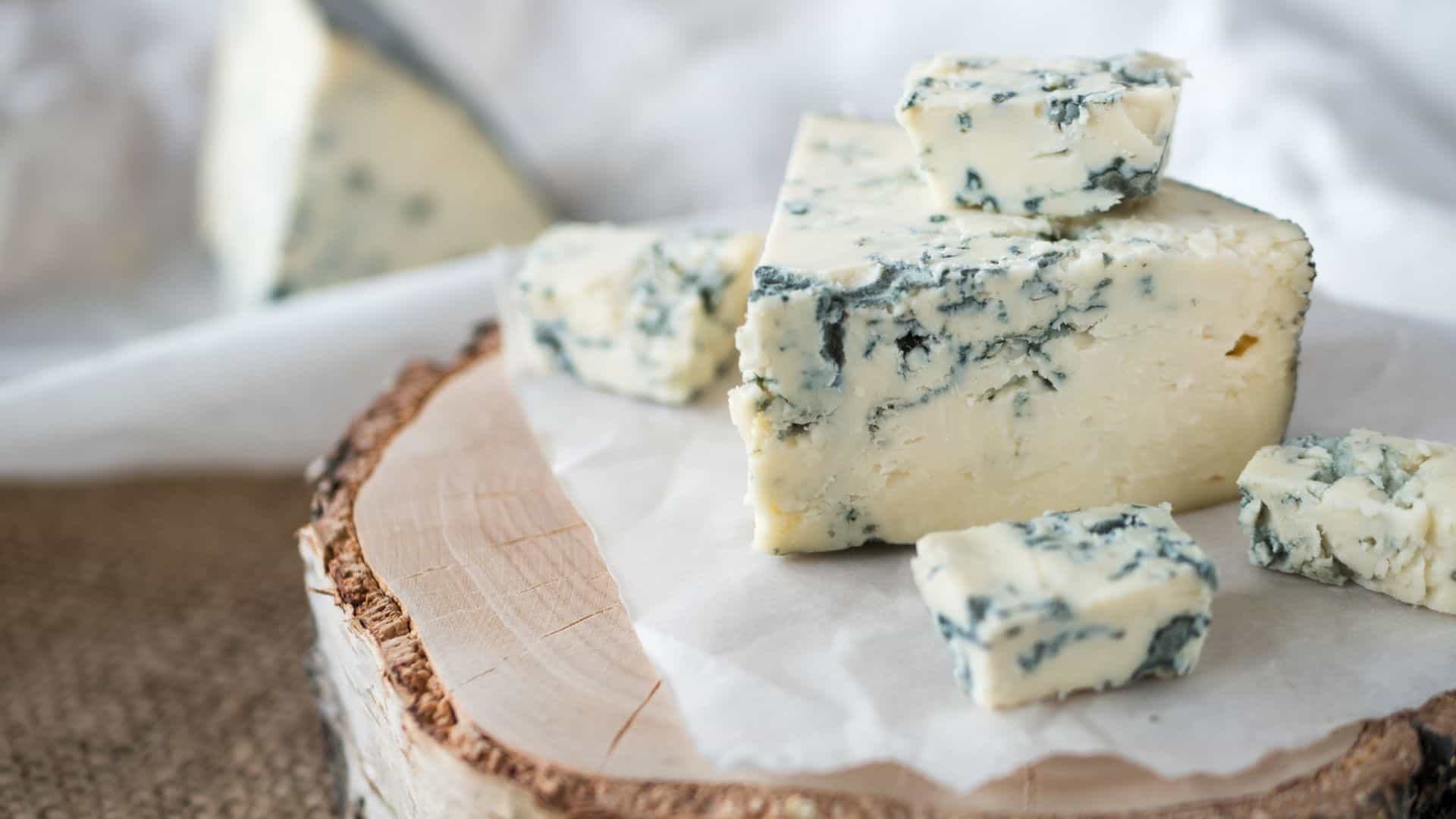
Expensive cheese is typically made with a limited number of ingredients. Milk, rennet, salt, and sometimes seasoning are pretty much all you need to make good cheese. Cheap cheese often contains fillers such as gums, water, and additional binders to hold everything together. This lowers not only the cost of the cheese but also the flavor.
This article was first published at Spatula Desserts.
Leave a Reply