
Winter storms have a way of turning everyday routines upside down. When power goes out, even simple meals can become a challenge, and grocery runs may not be an option for days. Having a plan for emergency food in advance can make a stressful situation more manageable.
This list focuses on foods that store well, require little or no cooking, and provide enough calories to keep people fueled during an outage. These options go beyond the usual emergency staples, offering flexibility so meals don't feel repetitive or scarce.
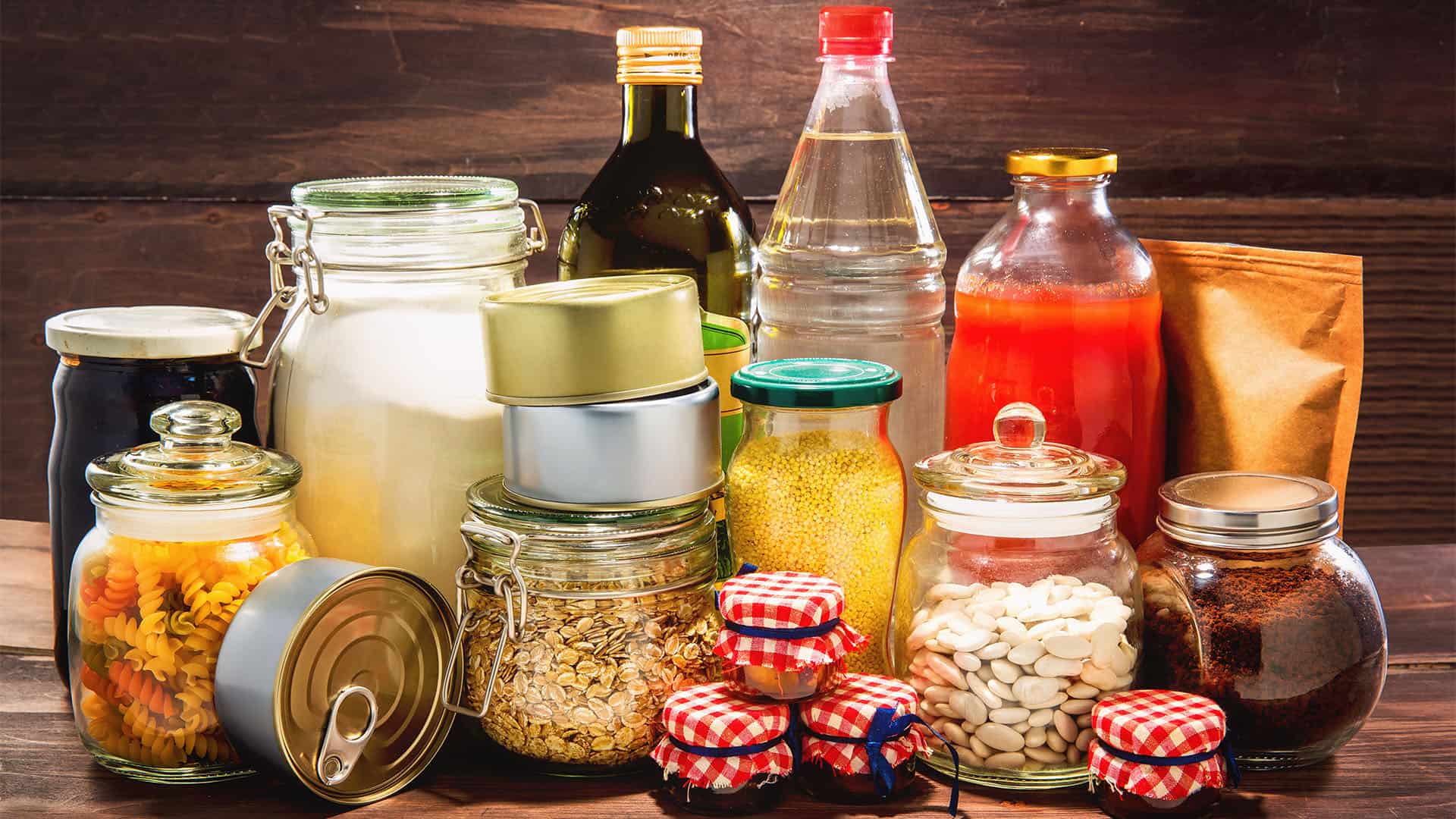
Shelf-stable protein packs
Protein is often the hardest thing to manage when the power is out. Shelf-stable protein packs, such as ready-to-eat tuna and chicken pouches, are a reliable solution. They do not require refrigeration until opened and can be eaten straight from the package or added to crackers or bread.
They also tend to be lighter and less bulky than canned options, which makes them easier to store in a pantry or emergency bin. Keeping a mix of flavors helps prevent meal fatigue during longer outages.
Canned hearty meals
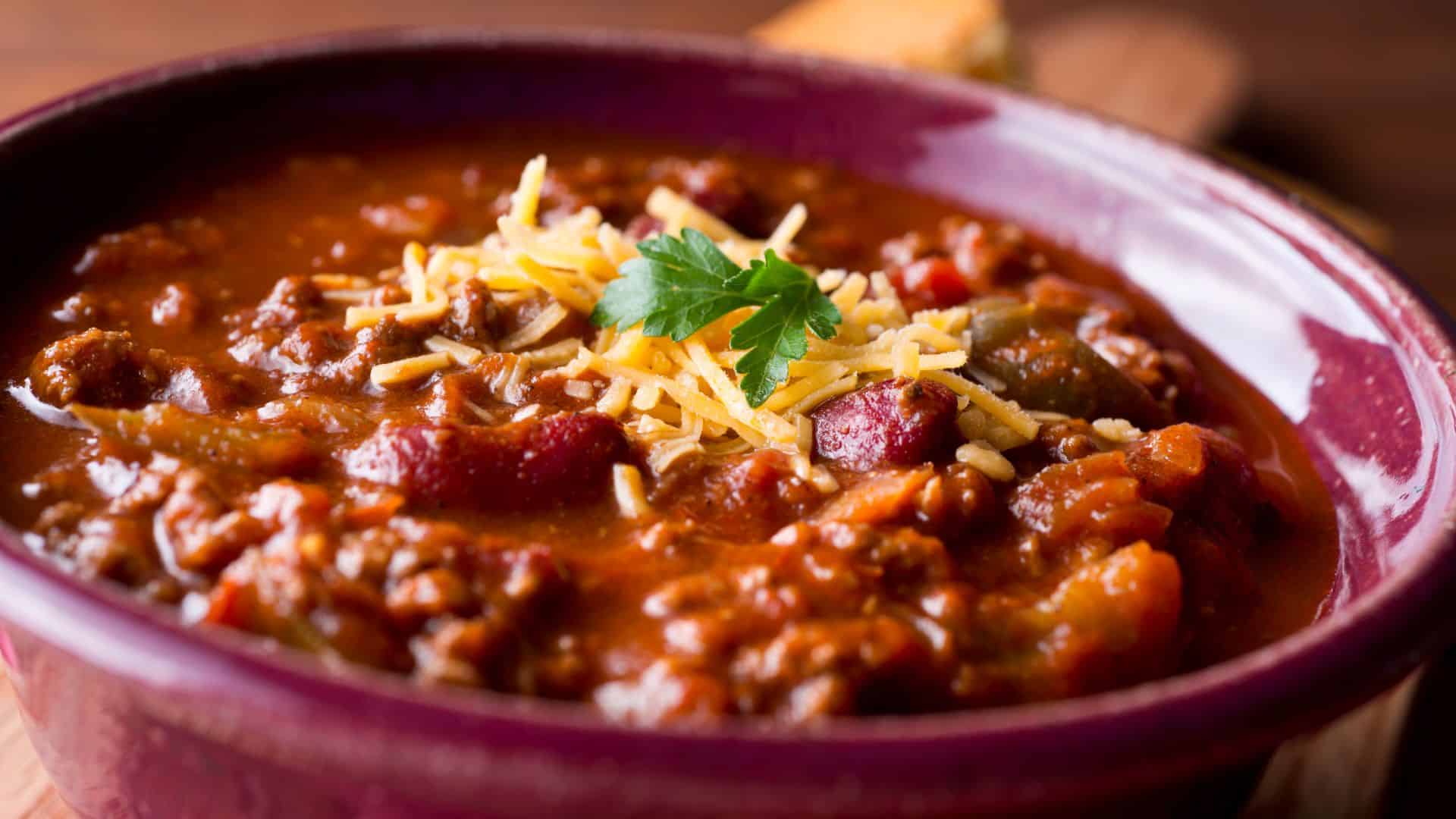
Instead of relying only on canned vegetables or soup, consider canned meals that feel more complete. Options like chili or chicken and dumplings can serve as full meals.
Choosing a mix of meat-based and vegetarian options can accommodate different household preferences.
Instant rice and ready rice pouches
Rice is filling and easy to portion. Instant rice or pre-cooked rice pouches are especially useful when cooking options are limited. Some versions only need hot water, while others are already fully cooked and can be eaten at room temperature.
Rice pairs well with canned beans or protein packs, making quick meal combinations easy.
Canned or vacuum-sealed beans
Beans offer protein, fiber, and staying power. Canned black beans and white beans are easy to add to rice or salads. Vacuum-sealed bean packs can be lighter and easier to store.
They can be eaten cold, warmed, or easily mashed into spreads for sandwiches and crackers. Beans are one of the most cost-effective and versatile emergency foods.

Nut butters and seed spreads
Peanut butter is a classic emergency staple, but almond butter and mixed nut spreads are also worth stocking. These spreads provide fat and calories that help keep people full longer.
They can be eaten with bread or straight from the jar. Single-serve packets are convenient for portion control and travel.
Crackers and flatbreads
Bread can go stale quickly during an outage, especially if homes lose heat control. Crackers and flatbreads tend to last longer and are easier to store.
These items work as a base for peanut butter and canned meats. They can also serve as a substitute for sandwich bread when supplies run low.

Shelf-stable dairy and dairy alternatives
Shelf-stable milk and canned evaporated milk are useful for coffee and simple recipes. Shelf-stable cheese spreads and canned cheese can add flavor and comfort to otherwise plain meals.
These options are helpful for households with children or anyone who relies on milk for daily routines.
Oatmeal, granola, and cold-soak breakfasts
Breakfast is often overlooked in emergency planning. Instant oatmeal and cereal can be prepared with minimal or no heat. Some oatmeal packets can soften with hot water from a kettle or thermos, while others can be soaked in room-temperature water or shelf-stable milk.
These foods are filling and easy to portion, which helps maintain a sense of normality during disruptions.

Dried fruit and shelf-stable produce
Fresh produce may spoil quickly during a power outage, especially if refrigeration is unreliable. Dried fruit and shelf-stable fruit pouches offer a longer-lasting alternative.
Canned vegetables and vacuum-sealed vegetable packs can supplement meals when fresh produce is not available. While they may not fully replace fresh options, they help add variety and nutrients.
Snack bars and meal replacement bars
Protein bars and meal replacement bars are convenient for quick calories when cooking feels overwhelming. They require no prep and can be eaten on the go.
Choosing a mix of sweet and savory options can help prevent burnout on sugary snacks alone.
Instant noodles and cup meals
Instant ramen and instant pasta cups remain popular for a reason. They are inexpensive and easy to prepare with hot water. Even without a microwave, they can often be made with water heated on a portable stove or kettle.
Keeping a variety of flavors and types can make simple meals feel more interesting over several days.

Comfort foods that lift morale
In a power outage, food serves a purpose beyond a physical need. Familiar comfort foods can help reduce stress and boost spirits. Shelf-stable mac and cheese or hot chocolate mix can provide a sense of routine.
Including a few treat items, such as cookies or shelf-stable pastries, can make a difficult stretch feel more manageable, especially for kids.
Planning for no-cook days
Not every outage allows for safe cooking. Storm conditions or safety concerns may mean meals need to be eaten cold. Planning for at least a few no-cook days helps ensure people can still eat balanced meals without relying on heat.
Using crackers and nut butter can create simple, filling meals with minimal effort.
Storage and rotation matter
Stocking food is only part of the preparation. It helps to store items in a single area so nothing is forgotten during an emergency. Rotating pantry items into regular meals prevents waste and keeps supplies fresh.
Checking expiration dates once or twice a year can help maintain a reliable backup without last-minute surprises.
A flexible approach works best
No two outages look the same. Some last a few hours, while others stretch across several days. The most useful food plans are flexible, allowing for quick snacks and comfort items as needed.
Building a varied list of power-outage foods can reduce stress and help households feel more prepared when winter storms roll in.
Leave a Reply