
A night out doesn’t always go the way you expect, and sometimes the smallest decisions end up sticking with you longer than the meal itself. When the check hits the table, it’s not just about paying the bill. It’s about deciding what the experience was actually worth and how to respond when it didn’t quite land the way it should have.
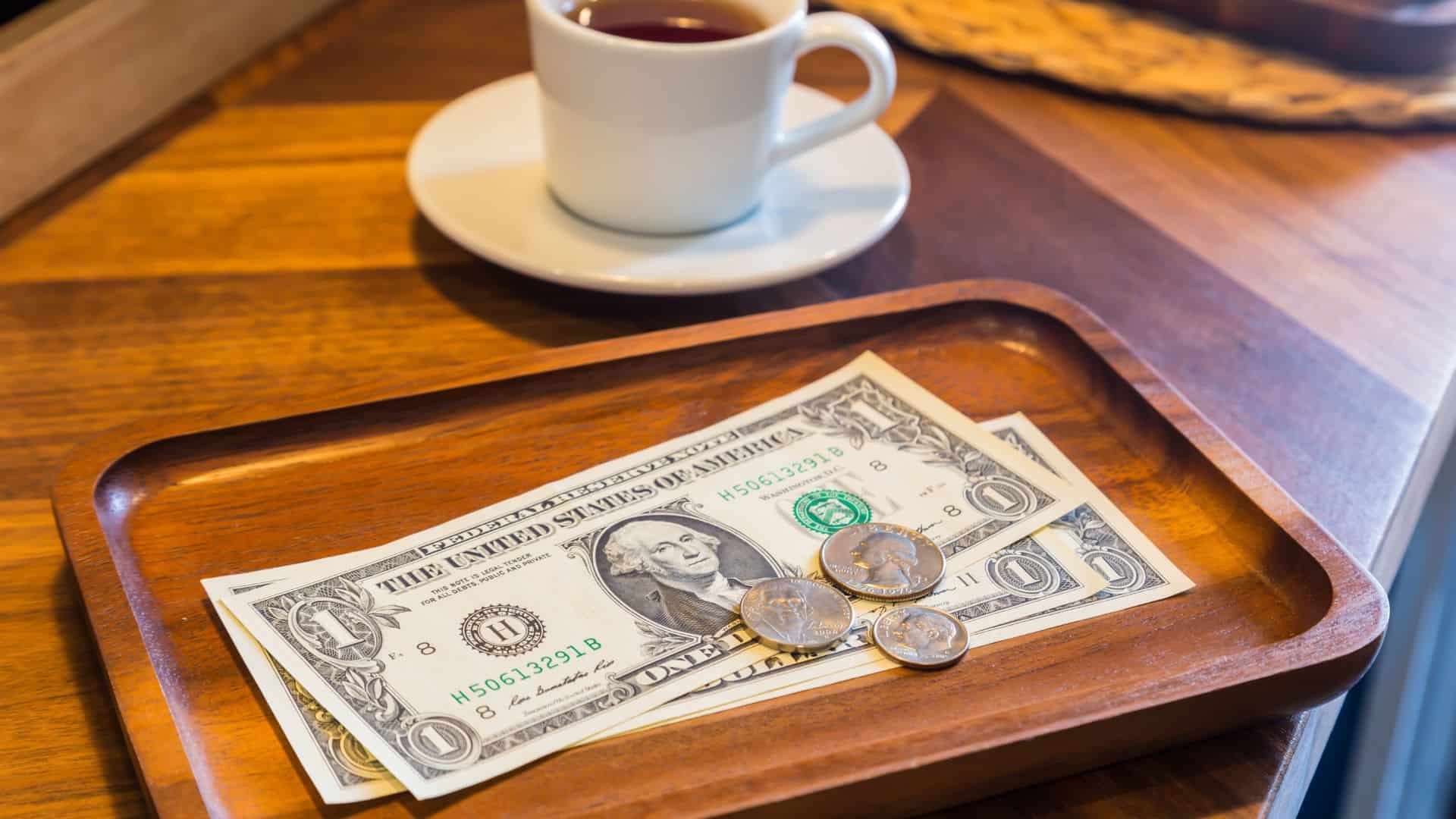
In a recent Reddit thread, it was asked, "Am I in the wrong for tipping the restaurant owner and leaving nothing for my server?" He went on to say that he and his girlfriend went to a local Italian place for their anniversary.
The serving took forever, brought out the wrong dish, and only hovered when the check was due. During dinner, the owner noticed the dish was wrong, apologized, comped the dish, refilled their water, and gave them a free dessert.
When the bill came, he asked the owner to come over and gave him cash, right in his hand. The server watched it happen and looked grim. OP's girlfriend was upset and said that he should have just left the tip on the table as everyone else does.
Now he wonders if he was wrong for tipping the owner, even though he was the one who did all the work.

Over 400 people took to the thread to share their thoughts
One person said, "You tipped the person that made the visit worth your money. You know he will share it with your server. Maybe they will learn a lesson and you did nothing wrong."
This is true. More than likely, the owner will either share or give it to the server, and there's a good chance that, since the server watched it happen, they'll learn from it and be better moving forward.
Another person pointed out, "Nothing prevented your girlfriend dipping into her purse to tip the server if she felt strongly about it."
Good point. If she felt uncomfortable, she could have tipped the server as well.
This comment said, "You tipped the person who provided the service. That is the correct thing to do. Giving someone money just because it’s expected is not a reason to do so."
Most people on the thread agreed that he'd taken the correct action for the person who gave the service.

Tipping etiquette when things aren’t perfect
Most people walk into a restaurant with a general rule in mind. Good service gets a standard tip, great service gets more, and poor service lands somewhere lower. But real-life situations are not always straightforward.
When service misses the basics, the instinct might be to skip the tip altogether. In most cases, though, dialing it back makes more sense than cutting it off completely. A lower tip still conveys the experience without making it feel more pointed or uncomfortable.
At the same time, it helps to look at what actually went wrong. Was it slow service during a busy rush, or a lack of attention throughout the meal? Those are two different situations, and most people adjust accordingly once they think it through.
Who you are really tipping
Tipping feels simple enough, but it’s not always tied to just one person. Restaurants run as a team, and service can shift depending on who steps in at different moments.
That’s why many people take a broader view. Even if one part of the experience falls short, other parts may not, and a tip often reflects the overall visit, not just a single interaction.
Some people split a tip, others adjust the amount slightly higher or lower, and some keep things standard to avoid overcomplicating the moment.
If something feels off early in the meal, speaking up gives the restaurant a chance to fix it, and most places would rather correct a problem than have it quietly wait until the end.
By the time the check arrives, options feel more limited. That’s when tipping becomes the main way people respond, which can make the decision feel heavier than it needs to be.

The balance between fairness and expectations
Tipping sits between personal choice and social norm. On one hand, it’s meant to reflect your experience. On the other hand, it’s part of a system people rely on. This gray area is also why 3 out of 4 Americans think that tipping has gotten out of control.
As a result, most people land somewhere in the middle. They adjust based on service, but they rarely treat it as all-or-nothing. It keeps things fair without turning a single experience into a larger statement.
Tipping has become one of those everyday decisions that carry more weight than they seem. It reflects how people value service, how they respond when things go off track, and how they navigate expectations that aren’t always clearly defined.
As more people question when, how, and who to tip, situations like this aren’t going away. They’re just making the conversation more visible and pushing more people to think about what their choices actually say.
Leave a Reply