
Tipping might seem like a harmless way to show appreciation, but its roots tell a much darker story. What started as a status symbol among the wealthy eventually became a tool to avoid paying workers fair wages. Over time, it turned into a deeply embedded part of American culture, leaving customers confused and workers underpaid. Today, people are expected to tip for everything, often without knowing where that money is really going. The system feels broken for restaurants, service workers, and businesses. To understand how we got here, we need to look at where tipping really began.
The Origins Of Tipping

Tipping was not always an American thing. It originated in Tudor Era Europe. Wealthy aristocrats and royalty would give servants extra money for services as a way of displaying wealth.
By the time America became a country, foreigners would travel to Europe and complain about having to tip workers. As more Americans came to Europe, the practice of tipping became more widely known.
Copy That

America's wealthy elite began to copy the act of tipping by the early 19th century. The start of the trend was about flaunting one's generosity to those around.
At this point, tips weren't standardized. They were often just a penny or two extra. A person's life didn't depend on tips.
Fall Out Of Favor

Things got a bit unusual in Europe. Tipping culture there declined, but it remained incredibly popular in the United States. Much of this was related to the Civil War.
The job market was flooded with freed slaves. Whites didn't want to pay them a living wage. Pullman, a train company, began hiring freed slaves and allowed them to be paid by tips. What slaves took home was based on what tips they were allowed.
In other words, it was a way to avoid paying former slaves.
Institutionalized

Believe it or not, Americans weren't always gung-ho about tipping. Several states tried to ban the practice altogether, but they failed. By the 1920s, the practice was basically codified into law.
Laws were passed to allow establishments to pay a lower minimum wage as long as people were expected to tip. Not tipping became a fairly egregious act of rudeness, even at coffee shops.
Officially Credited

By the 1940s, courts deemed that tips were the employees' to keep. In 1966, the government created a "tip credit" that formally allowed employers to pay sub-minimum wages as long as the tips add up to a minimum wage.
If servers don't earn the minimum wage, it's up to restaurants to make up the difference.
The Mainstream Way

By the mid-20th century, America's tipping culture was fully mainstreamed. It became the most common way for waiters and other servers to make ends meet.
Business owners were not about to allow tipping to die out. After all, it saved them money, incentivizing them to keep the practice alive, even when Europe began to pan it.
A Growing Gap

There's a big problem with the institutionalization of tipping: it meant restaurant owners eventually began planning their profit margins around the modern world of tip culture.
With normal inflation, this wouldn't be an issue. However, wages stagnated, and prices have increased over the past several decades. The current system no longer makes tip culture as sustainable as it once was.
Fees On Top Of Tips

You may also have noticed that bills these days don't just ask for a tip. Some include "service fees" and automatic minimum gratuities. Underneath these fees, you might see a line for additional tips.
More and more diners are feeling nickel-and-dimed when they go out to eat. Because many of these fees are "surprise" fees or written in small writing on menus, it's easy to see where people might feel shortchanged.
Beyond Restaurants
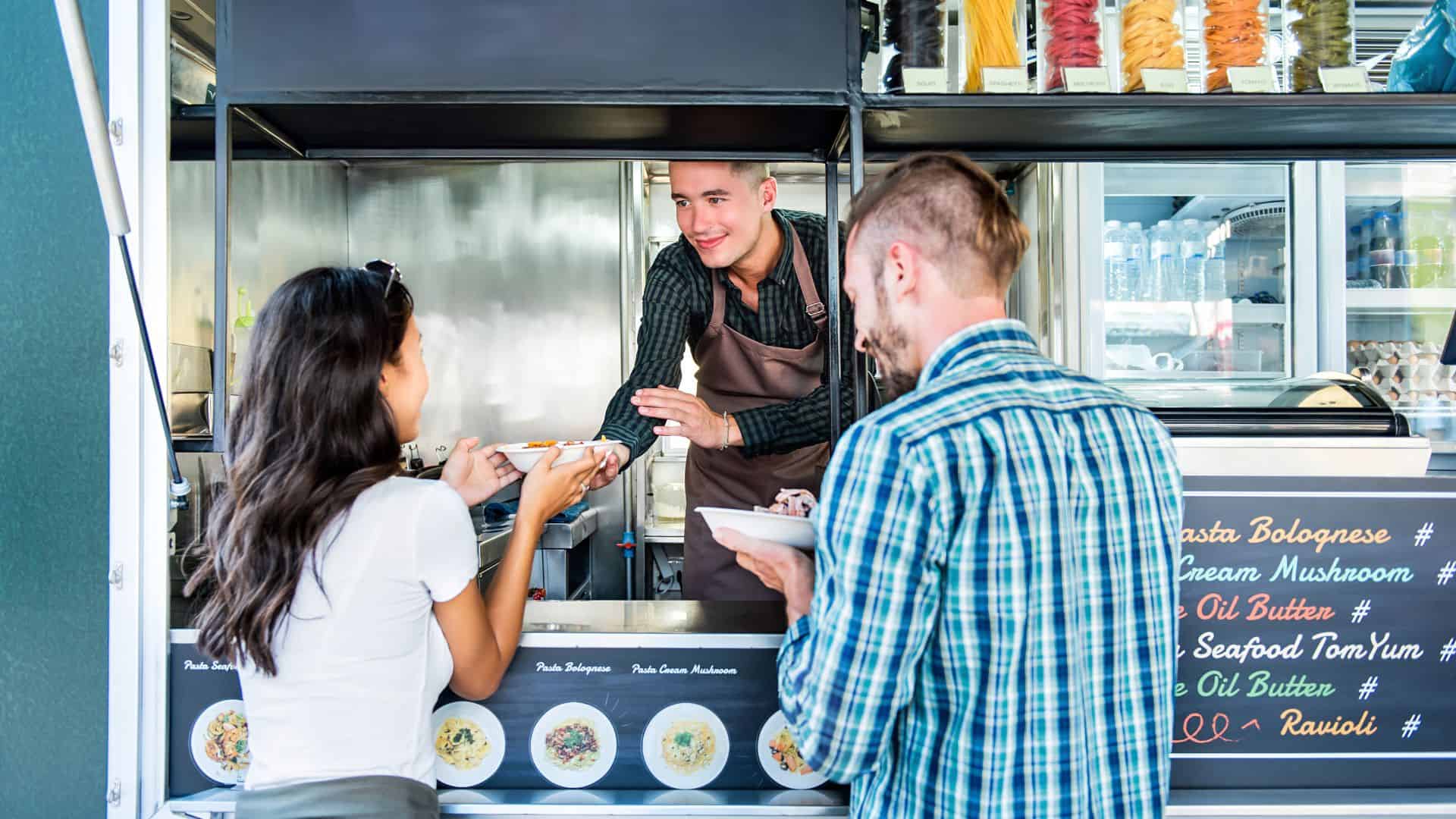
Other industries are starting to push for tips, too. Food trucks, grocery stores, fast food venues, and even hair salons are starting to put the squeeze on clients for extra payments.
It's not uncommon to hear people complain about the constant hounding for tips. Even people who aren't doing typical service jobs are asking for a tip!
The New Rebellion

People are getting fed up with tip culture, and it's starting to show in our habits. Many people are now forgoing tipping altogether because they are tired of being forced to pay extra to cover a wage an employer refuses to give them.
Others, however, are choosing to forgo restaurants. After all, you can make the same meals at home. All you need is a recipe.
We Need Action
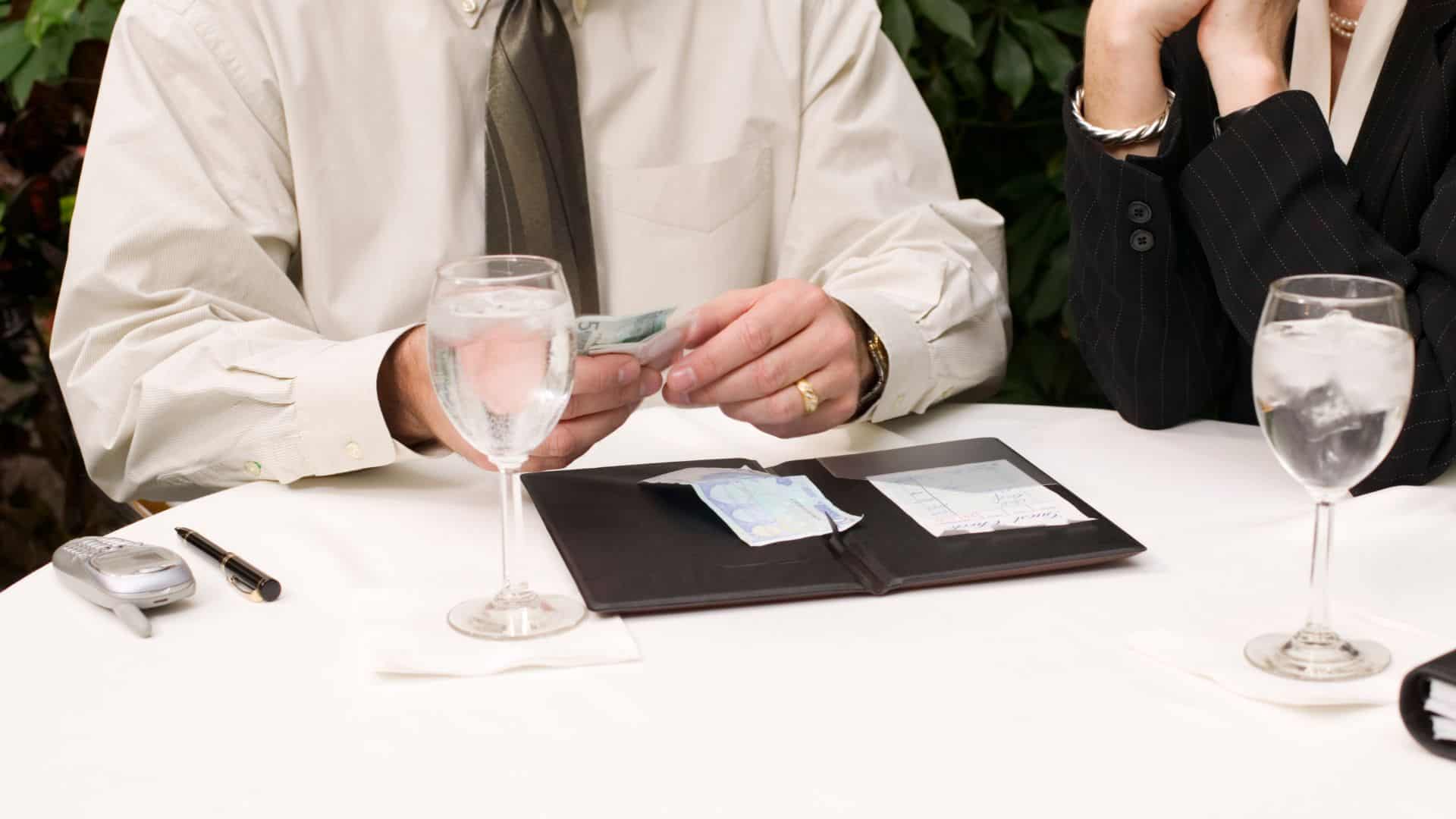
It's not fair to diners or waiters to turn tipping into a cornerstone of America's economy. A person's livelihood should not rely on the kindness of clients. It should rely on a livable, reliable wage.
People are fed up with tipping. Maybe it's time to retire it as a practice.
The Automatic Tip

Many restaurants have a policy where tables of six or more people have a tip automatically added to the check. The idea is that the waiter will need to work harder to serve large parties. The automatic tip is typically 20%, giving servers a very generous bonus no matter how their service was. But what if guests didn't want to give such a high tip? And what about those who don't notice the auto tip on the bill and give even more money? The automatic tip should be outlawed.
This post was originally published on Spatula Desserts.
Leave a Reply