
Modern cooking culture is built around convenience. Grocery stores are full of pre-cut vegetables, bottled sauces, and kitchen gadgets promising to make dinner faster and easier. Online cooking videos push lazy recipes, five-minute hacks, and one-pan meals designed to remove as much effort as possible from the process. Some of those shortcuts genuinely help. Others create bigger problems than the few minutes they supposedly save.
The truth is that experienced home cooks and professional chefs are not necessarily spending hours making complicated meals every night. What they usually understand better is which shortcuts matter and which ones quietly destroy flavor, texture, or consistency. Many cooking mistakes happen because people rush the wrong parts of the process while focusing too much on speed overall.
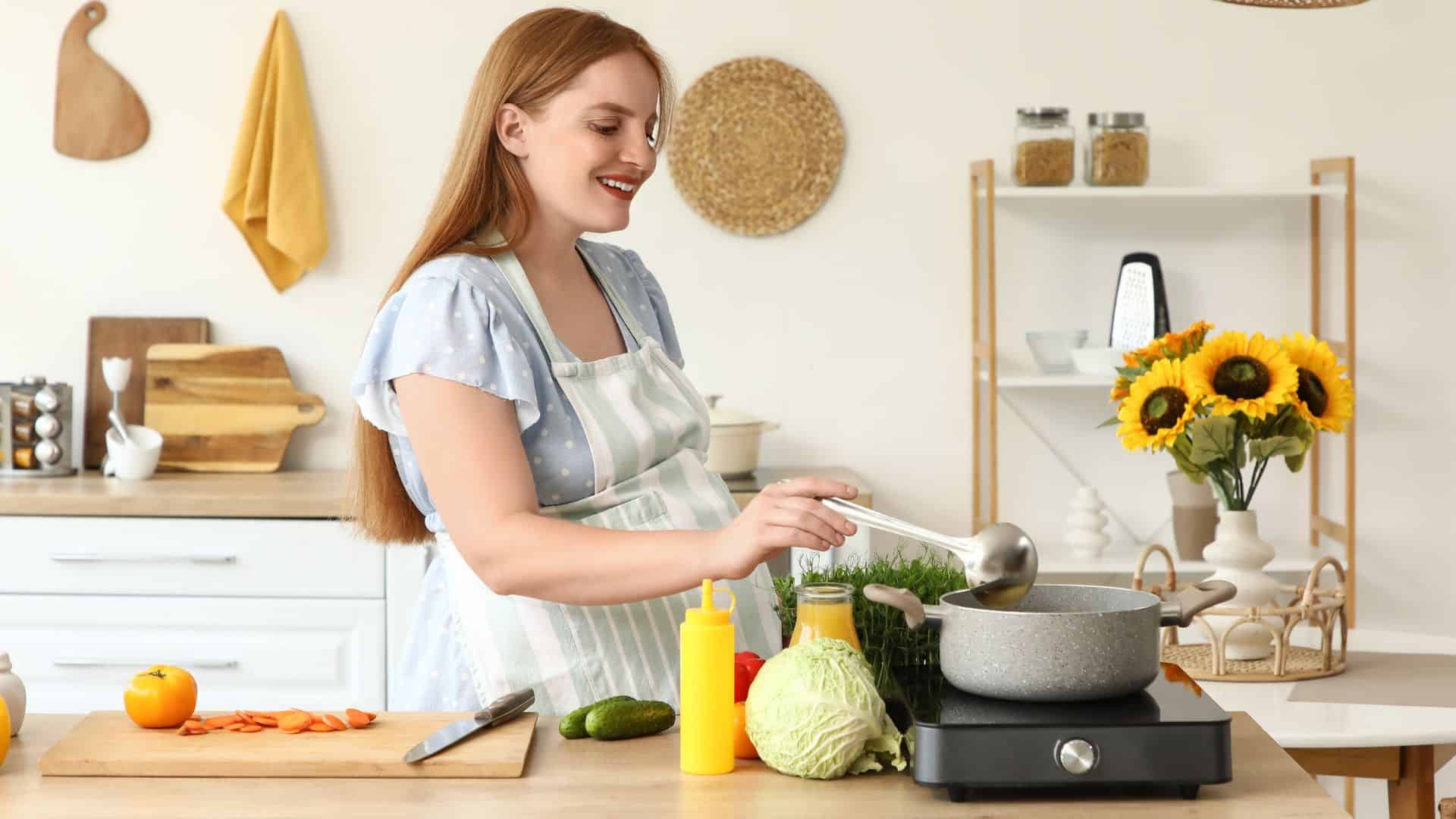
Overcrowding the pan ruins browning
This is probably one of the most common mistakes in home kitchens. People try to cook everything at once because it feels more efficient, especially after a long day. The problem is that overcrowding changes how food cooks.
When too much food sits in a pan together, moisture becomes trapped. Instead of searing properly, ingredients begin steaming each other. Vegetables lose their caramelization, mushrooms turn watery, and meat develops a gray exterior instead of a flavorful crust.
Many people think they simply are not good at making restaurant-style food, when in reality the pan never became hot enough to brown anything correctly. Proper browning creates depth of flavor, texture, and color. Without it, dishes often taste flat no matter how good the ingredients are.
Cooking in batches feels slower in the moment, but the final result is dramatically better.
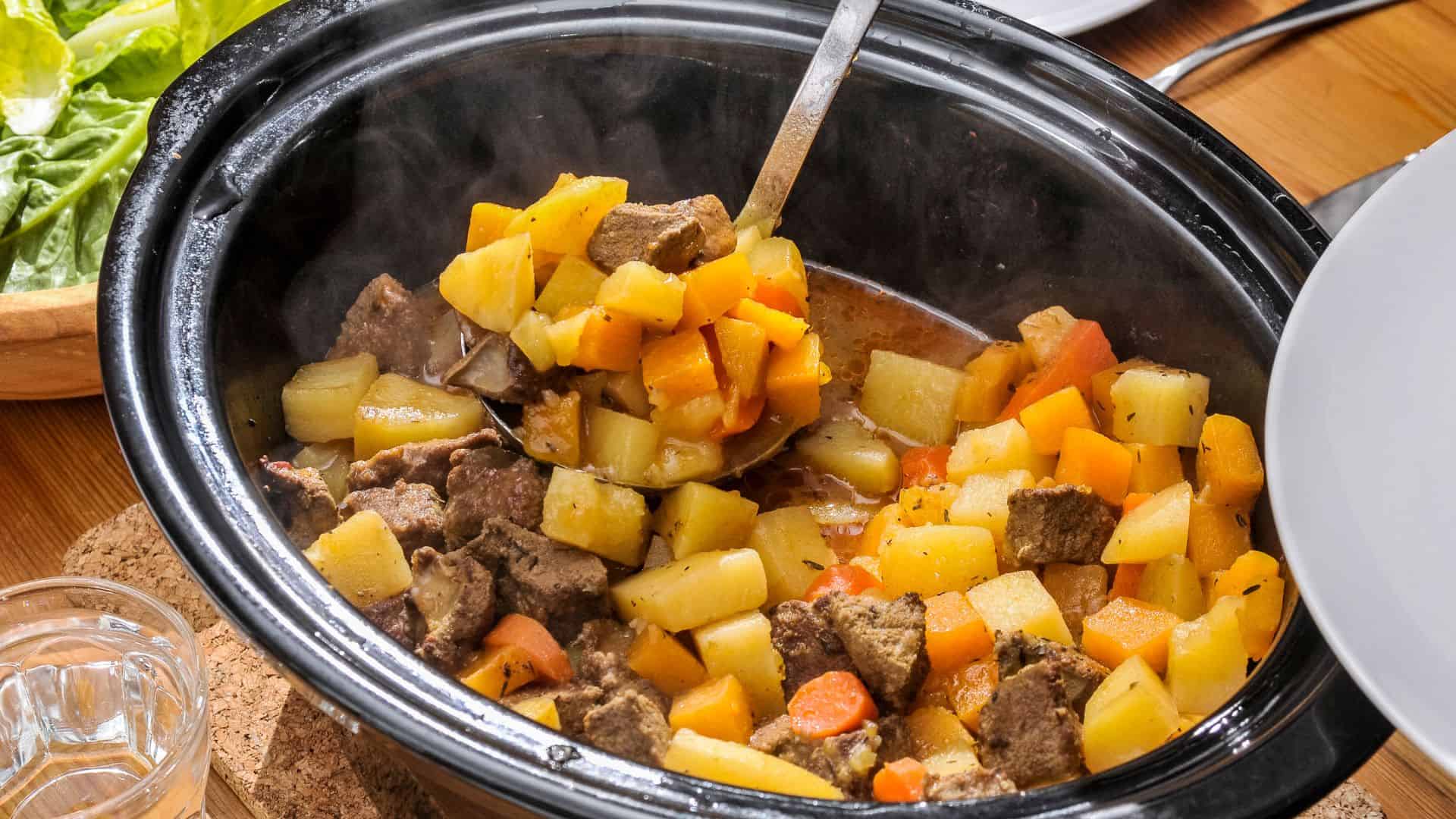
Skipping preheating
A lot of home cooks start cooking before the oven or pan is fully heated because waiting feels unnecessary. It seems harmless, especially when people are hungry or trying to move quickly. But temperature affects cooking from the very first second food touches heat.
A properly preheated pan allows proteins to sear immediately, rather than sticking and releasing moisture.
Skipping preheating often creates uneven texture without people realizing why. Roasted vegetables become softer instead of crisp. Pizza dough lacks proper structure. Chicken skin stays pale rather than becoming golden and crisp.
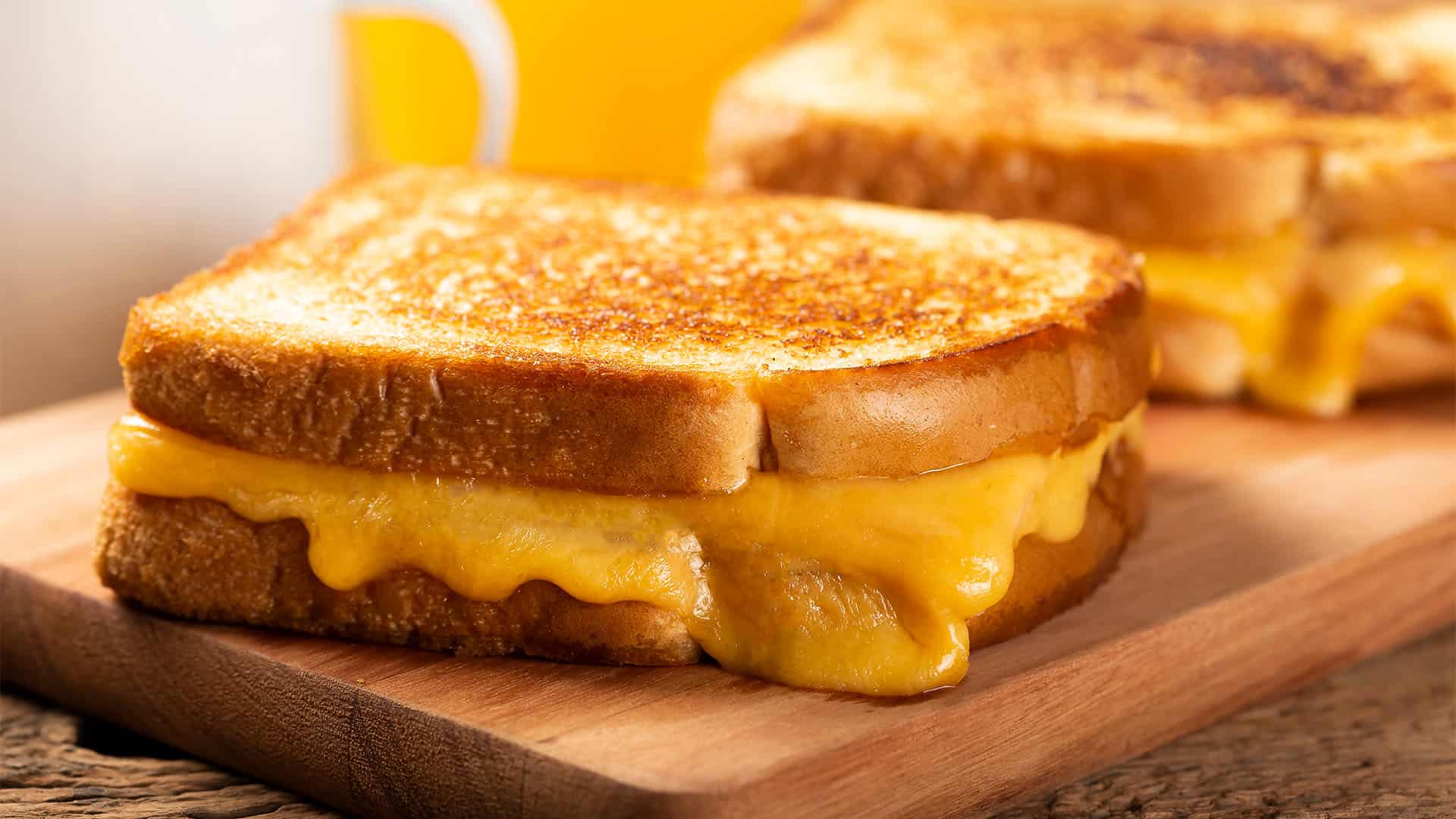
Pre-shredded cheese changes the texture of your meals
Pre-shredded cheese saves time, which explains why so many people keep bags of it in the refrigerator. For certain dishes, it works perfectly fine. But many people notice homemade mac and cheese, sauces, or baked dishes sometimes turn grainy or greasy without understanding why.
Most pre-shredded cheeses contain anti-caking agents designed to prevent clumping inside the bag. Those additives affect how the cheese melts. Instead of becoming smooth and creamy, it can separate or develop a slightly powdery texture.
Freshly grated cheese usually melts more evenly because it lacks those stabilizers. Restaurants and professional kitchens almost always grate cheese fresh for this reason.
Bottled sauces often flatten flavor
Store-bought sauces can absolutely save time, and many are perfectly decent for quick meals. But relying heavily on bottled sauces often creates a similar flavor profile across different dishes because manufacturers design them for shelf stability and mass appeal.
Many bottled sauces contain high amounts of sugar, sodium, stabilizers, or preservatives that overpower fresher ingredients. People sometimes wonder why their meals all taste vaguely similar despite trying different recipes, and pre-made sauces are often part of the reason.
That does not mean every sauce must be homemade from scratch. The smarter approach is usually to combine convenience with freshness rather than rely entirely on packaged flavor.
Cooking shortcuts are not automatically bad. Some genuinely make life easier without affecting quality much at all. The problem happens when people remove the parts of cooking that actually create flavor and texture in the first place.
Leave a Reply