
Modern baking culture is built around convenience. Social media is full of “lazy desserts,” two-ingredient recipes, and baking hacks promising bakery-quality results with almost no effort. Grocery stores now sell everything from pre-made cookie dough to canned frostings and boxed mixes designed to simplify the entire process. Some shortcuts genuinely make baking easier, even though often at the expense of taste or texture. Others create bigger problems than the few minutes they supposedly save.
Unlike cooking, baking depends heavily on precision, structure, and chemistry. Small details affect texture, rise, moisture, and consistency.
What I see is that many baking frustrations come from rushing the wrong parts of the process.
Skipping room temperature ingredients changes the texture completely
One of the most common baking shortcuts is using cold ingredients directly from the refrigerator. Waiting for butter, eggs, or cream cheese to warm up feels unnecessary when someone wants dessert quickly. But ingredient temperature affects baking from the very beginning.
Softened butter creams properly with sugar, as it traps air in the mixture. That air helps cakes rise and creates a lighter texture. Cold eggs can also cause batters to separate or curdle, especially in cakes and cheesecakes.
Professional bakers pay close attention to ingredient temperature because stable batters bake more evenly and consistently. The few extra minutes spent waiting for ingredients to warm up usually prevent much bigger problems later.
Measuring inaccurately ruins recipes fast
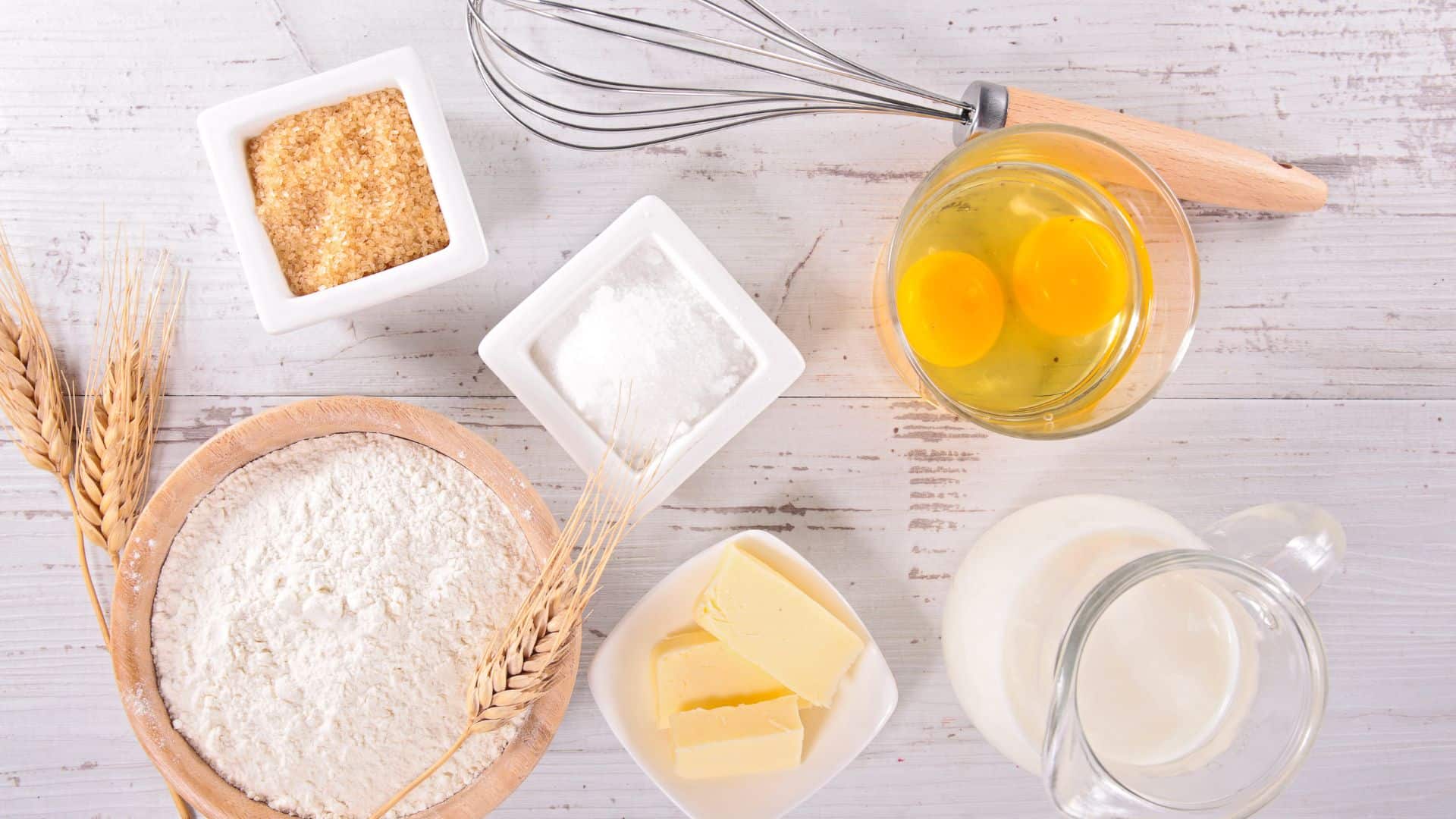
Many people treat baking measurements casually because estimating ingredients works reasonably well in cooking. Baking is far less forgiving.
One of the most common shortcuts is scooping flour directly from the bag with the measuring cup instead of weighing it on a scale. That simple difference can add significantly more flour than the recipe intended.
Too much flour creates dry cakes, crumbly cookies, dense brownies, and heavy muffins. Too little flour can cause spreading, collapsing, or greasy texture. Even small measurement differences affect baking results more than most home bakers expect.
Professional bakers rely heavily on kitchen scales because weight measurements remain consistent every single time. Measuring cups vary constantly depending on how tightly ingredients are packed.
People often blame recipes when desserts fail, but inaccurate measuring is frequently the real issue.
Not preheating the oven leads to uneven baking
Skipping oven preheating is one of the most underestimated baking shortcuts. It feels practical to place dough or batter into the oven as soon as it is ready, especially when time is limited. But ovens need time to reach a stable, consistent temperature before baking begins.
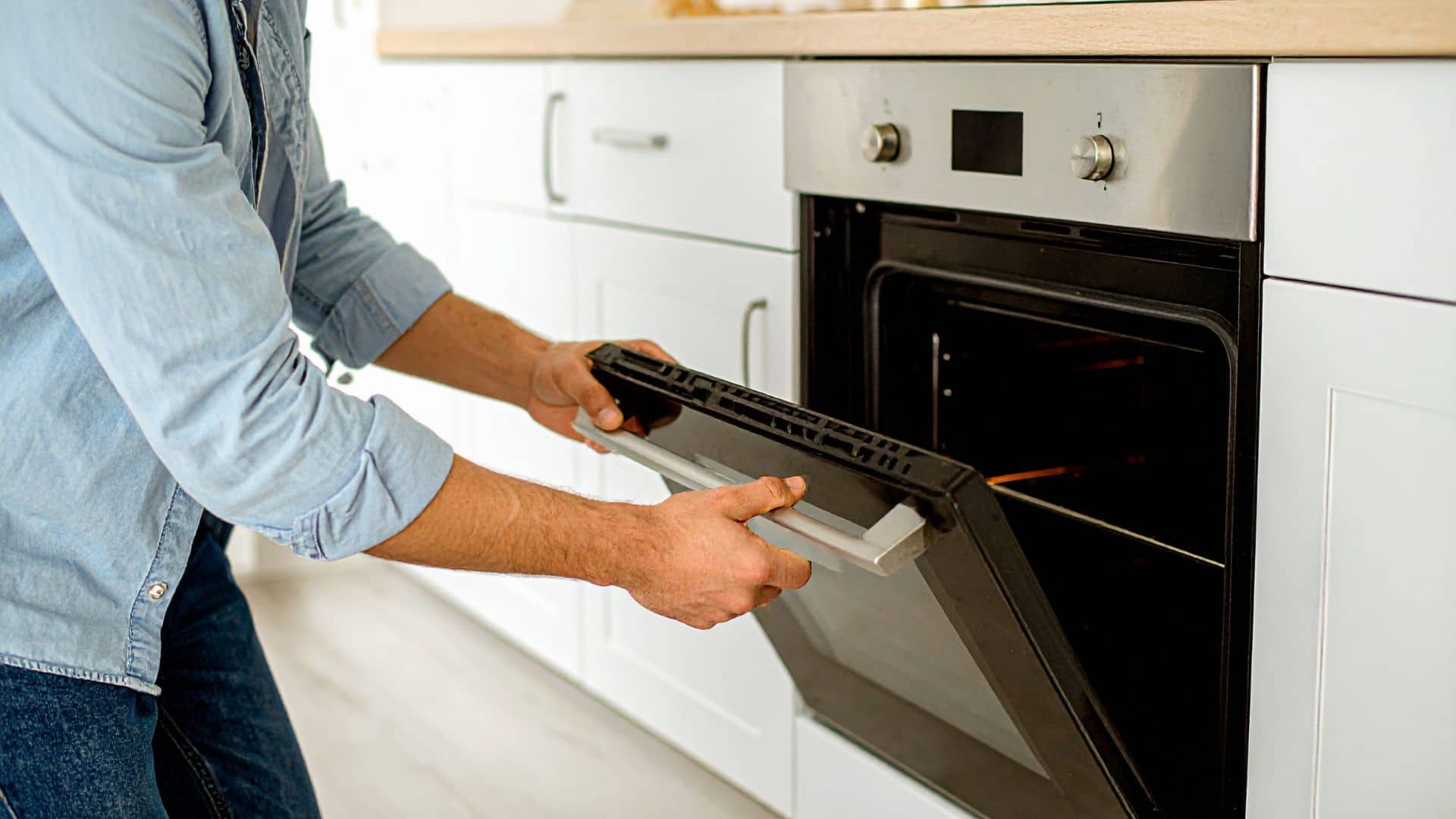
When dough or cake batter is placed in an oven that has not fully preheated, the initial stage of baking becomes unpredictable. Butter may melt too early before the structure sets, causing cookies to spread excessively. Cakes may rise unevenly because the heat curve is inconsistent from the start. Pastries often fail to develop proper lift or crisp edges.
Preheating is not just about reaching a target temperature on the display, but about stabilizing the entire environment so the baking process starts under controlled conditions. Without that stability, the same recipe can produce completely different results from one attempt to the next.
Opening the oven door too early often destroys the final result
Almost everyone feels tempted to check desserts halfway through baking. The kitchen smells amazing, curiosity takes over, and opening the oven door for “just a second” seems harmless.
But sudden temperature changes affect baking far more than people realize.
Cakes can collapse in the center before their structure fully sets. Cookies may bake unevenly because heat escapes too quickly during critical stages of baking.
Many desserts rely on stable, uninterrupted heat while their structure develops. Even minor temperature fluctuations can significantly change the outcome.
Baking shortcuts are not automatically bad. Some genuinely make life easier without affecting quality much at all. But many popular shortcuts remove the exact steps that create proper texture, structure, and consistency in the first place.
Leave a Reply