
Nothing kills the vibe of a healthy lunch like opening a bag of salad to find soggy, sad greens. Bagged salads may be super convenient, but they’re also notorious for going bad fast—sometimes even before the date on the label. The good news? With just a few simple storage tweaks, you can keep your greens crisp and fresh for much longer. Here are the best tricks to make your salad last and avoid throwing money in the trash.
Transfer To An Airtight Container

When you open the greens, transfer them into an airtight container. This step is crucial because the original packaging isn't designed to keep produce fresh after opening. Airtight containers offer more stable storage for your salad by protecting it from excess air and moisture.
Store It With A Paper Towel

By using a paper towel at the bottom of your container, you help keep the environment inside the container dry because the paper towel absorbs any excess moisture. Remember to replace the paper towel every day or so to maintain its effectiveness in absorbing excess moisture.
Store In A Crisp Drawer
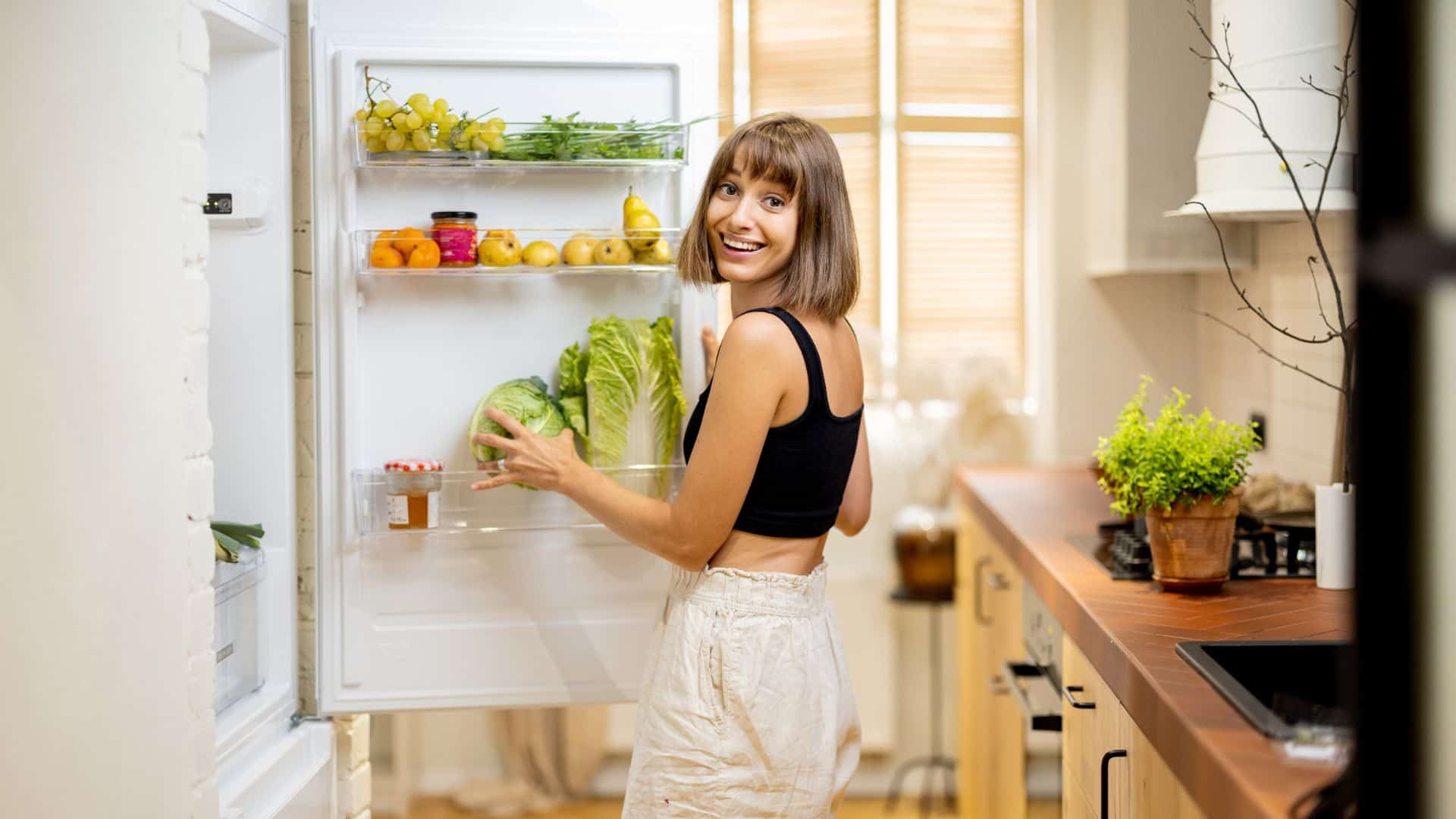
Did you know most refrigerators have a crisper drawer intended to create an optimal humidity level for storing vegetables? After transferring your bagged salad to an airtight container with a paper towel, place the container in the crisper drawer to help maintain freshness.
Avoid Overpacking The Container

When transferring your salad to a container, be careful not to pack it too tightly. Overpacking can bruise the leaves, which not only affects the texture but also accelerates spoilage. Give your salad leaves the room they need to breathe.
Use A Salad Spinner

If your bagged salad feels damp when you open it, try giving it a quick spin in a salad spinner. Excess moisture can cause wilting and spoilage in your greens, but a salad spinner effectively removes this moisture, leaving your leaves dry and crisp.
Separate The Greens

If your bagged salad is a mix of different greens, separating them might be beneficial. Different greens have different moisture and storage needs. This way, you can avoid the scenario where one type of leaf spoils faster and affects the rest of the mix.
Wash Only Before Eating

It might be tempting to wash your entire bag of salad when you first open it, but it’s best to wash the greens only before you eat them. Pre-washed bagged salads are convenient, but additional washing and then storing can introduce extra moisture, accelerating spoilage.
Add A Piece Of Bread

An unconventional but effective method to keep your bagged salad fresh is to place a slice of bread in the container. The bread acts as a moisture absorber, drawing away the humidity that causes greens to become soggy. This simple trick can help maintain the crispness of your greens.
Keep Away From Ethylene-Producing Fruits

Ethylene gas, produced by fruits like apples, bananas, and tomatoes, can cause vegetables to ripen and spoil faster. To ensure your bagged salad stays freshest, keep it in a separate drawer or on a shelf different from these fruits and veggies.
Check For Rotten Leaves Daily

Check your salad daily and promptly remove any wilted or rotten leaves. By regularly checking and removing any bad leaves, you help maintain the salad's overall health. This daily maintenance routine can prevent the spread of spoilage and keep your salad fresh for longer.
Use A Vacuum Sealer

If you have a vacuum sealer, use it to store your bagged salad. This method can greatly extend the shelf life of your greens by removing the air from the container, keeping them fresh and crisp for much longer than other storage methods.
Label It With A Date

This simple step of dating your bagged salad helps you monitor the freshness of your greens and ensures you use them in a timely manner. It’s easy to forget how long something has been in the fridge, and a date label gives a clear reminder.
Leave a Reply