
As a professional baker, I’ve seen the same patterns over and over. Home bakers aren’t usually failing because they lack skill, but because a few key details get skipped or overlooked. However, I wish everyone knew that those details are so easy to fix. Once you understand them, your results become more consistent, and your bakes start turning out the way the recipe intended.

Always read the recipe first, then prep your ingredients
Before you buy anything, read the recipe from start to finish. This is where better baking actually begins. It tells you what ingredients you need and in what format.
Flour is a good example. Bread flour and cake flour are not interchangeable, and using the wrong one can change the structure of your bake entirely. A cinnamon roll made with bread flour will have more chew and strength, while desserts made with cake flour will have a softer, more delicate crumb.
Temperature matters just as much as the ingredient itself. Room-temperature butter is key for cakes and homemade cookies because it creams properly with sugar. Cold butter, on the other hand, is essential for flaky pie crust, where you want those solid pieces to create flakiness as they melt in the oven.
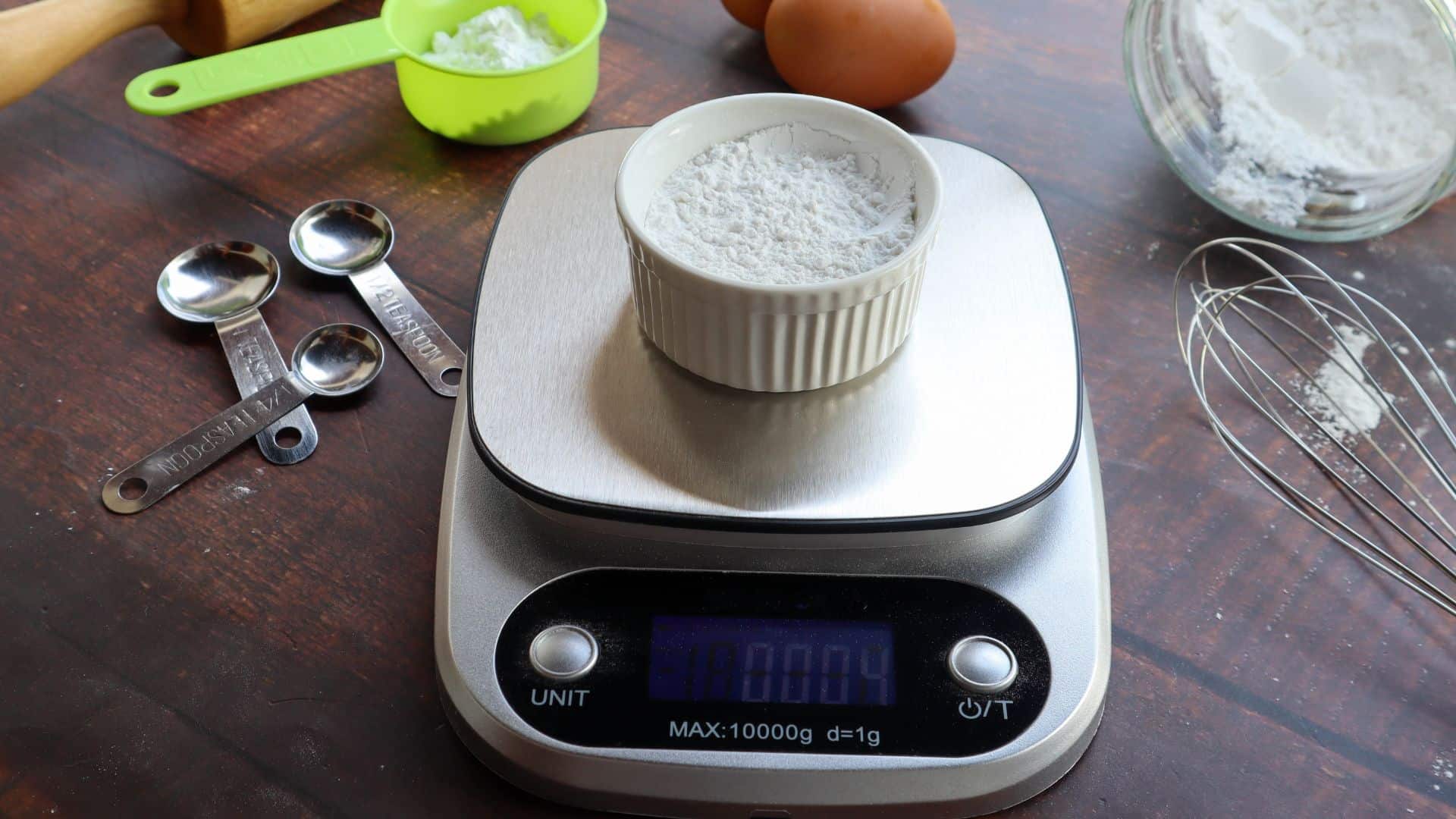
Use a kitchen scale instead of measuring cups
If you want consistent results, switch to a kitchen scale. Volume measurements like cups can vary widely depending on how ingredients are scooped or packed. Flour is the biggest issue here. One packed cup can weigh significantly more than a lightly spooned one, which can throw off the entire recipe.
A scale removes the guesswork. You measure exactly what the recipe calls for, every time to the exact detail.
It is also faster. You can place your mixing bowl on the scale, zero it out, and add each ingredient directly. That means fewer measuring cups, fewer dishes, and less cleanup.
For home bakers, this is one of the best baking hacks with the biggest payoff. Once you get used to it, it becomes second nature, and you'll most definitely notice a difference in the outcome of your baked goods.
Use the right tools and respect the method
Baking is not just about ingredients. It is also about technique. Terms like creaming, folding, and whipping are not interchangeable, and each one affects texture in a specific way.
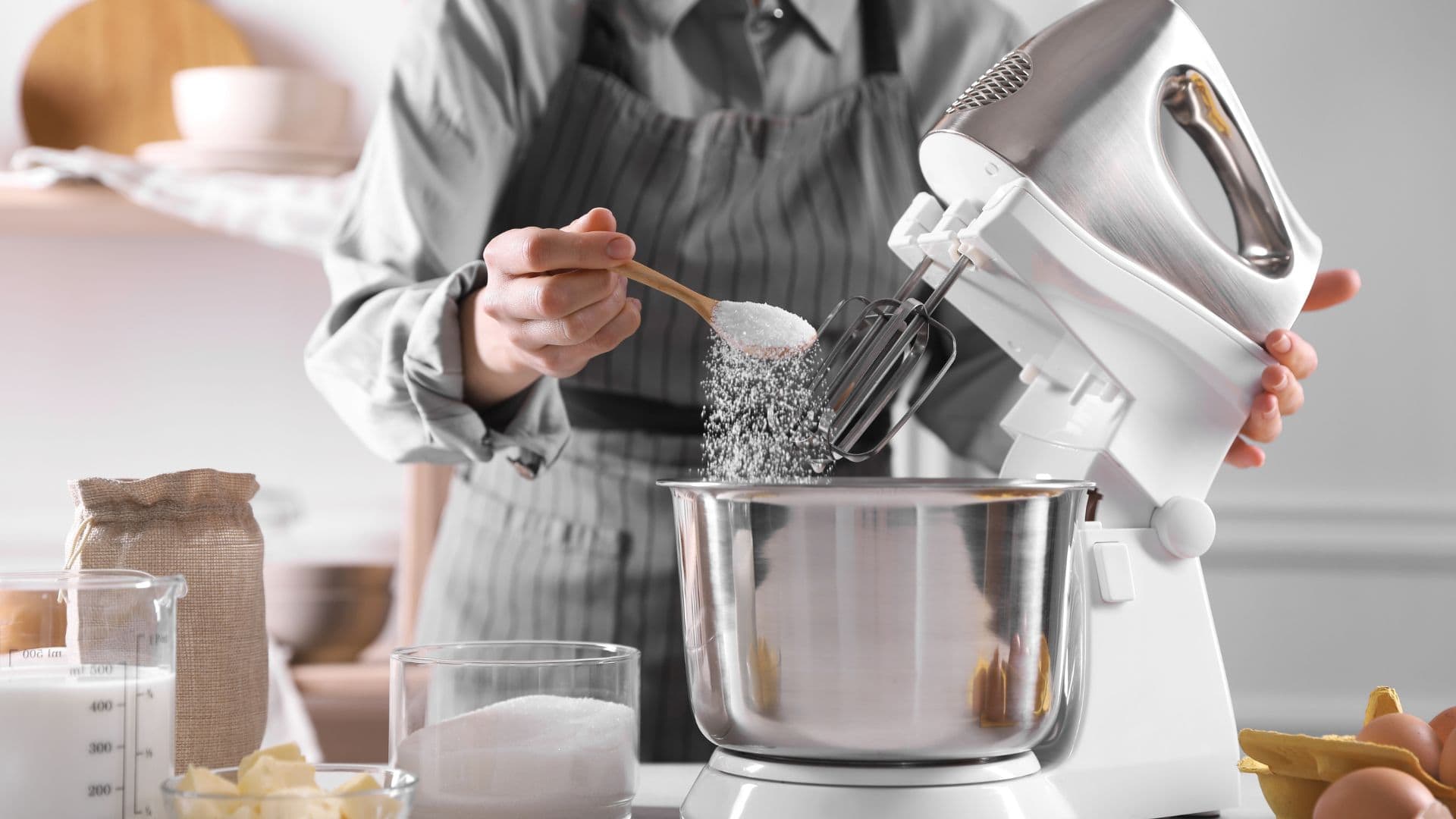
Creaming butter and sugar builds structure by incorporating air. Folding is gentle and used to keep that air intact, often when adding whipped components. Whipping introduces air quickly and requires the right equipment to do it properly.
Your kitchen tools should match the method you're using. A rubber spatula is essential for folding batter without deflating it. A hand mixer or stand mixer is necessary for whipping cream or eggs to the proper volume. Trying to substitute tools often leads to dense or uneven results and, most importantly, disappointment in the outcome.
Pay attention to what the recipe asks you to do, not just which ingredients to use. Technique is where many home bakes go wrong.
Preheat your oven and don’t trust it blindly
Preheating is not optional. Your bake depends on hitting the right temperature from the start. If the oven is still heating up, it will affect the rise, texture, and even how ingredients set.
That said, most home ovens are not perfectly accurate. Many run hotter or cooler than the display shows, and this is where an oven thermometer becomes just as important as a kitchen scale. It tells you the actual temperature, so you can adjust the oven as needed.
Also, do not rely on time alone. Baking times are guidelines, not guarantees. Pay attention to the visual cues in the recipe. Look for golden edges, set centers, or a clean toothpick test when applicable. Even your nose can be a guide to tell you when it's time to take the food out of the oven. These signals are more reliable than the clock.

Follow what happens after baking
What you do after something comes out of the oven is just as important as what happens inside it.
Some desserts need time to set. Fudgy brownies, for example, may look underdone right out of the oven, but as they cool, they firm up into the dense texture everyone craves. Cheesecake is another one. It needs time to cool and chill before slicing, or it will fall apart.
Other baked goods are meant to be enjoyed right away. Muffins can be eaten warm, straight from the pan. In contrast, no-bake desserts, especially layered ones, almost always need several hours in the refrigerator to fully set.
Serving temperature also matters. Butter-based cakes and frostings, like American buttercream, tend to firm up in the fridge and are best brought back to room temperature before serving. On the other hand, desserts made with cream cheese, mascarpone, or whipped cream can soften too much if left out too long and are often best served chilled or slightly cool.
A well-written recipe will guide you through this stage. Paying attention can make the difference between a dessert that feels off and one that tastes exactly as intended.
The takeaway
Becoming a better home baker is not about complicated techniques or expensive ingredients. It comes down to paying attention to details that many people overlook. Read recipes fully and follow through after baking. These are simple shifts, but they change how your baked goods turn out. As a general rule, choose recipes that clearly explain these steps. They set you up for success before you even begin.
Leave a Reply