
For years, I thought a successful dinner party meant creating an experience that looked polished from start to finish. I planned complicated menus, timed every course carefully, worried about presentation, and tried to make the evening feel almost restaurant-quality. On paper, it sounded ideal. In reality, I often ended the night exhausted, while guests seemed slightly stiff and overly polite instead of truly comfortable.
Eventually, I realized the problem was not the food itself. It was the pressure surrounding it. Somewhere along the way, many of us started treating hosting like a performance rather than a way to connect with people. Once I stopped approaching dinner parties that way, everything changed almost immediately.
I stopped trying to make dinner parties feel “perfect”
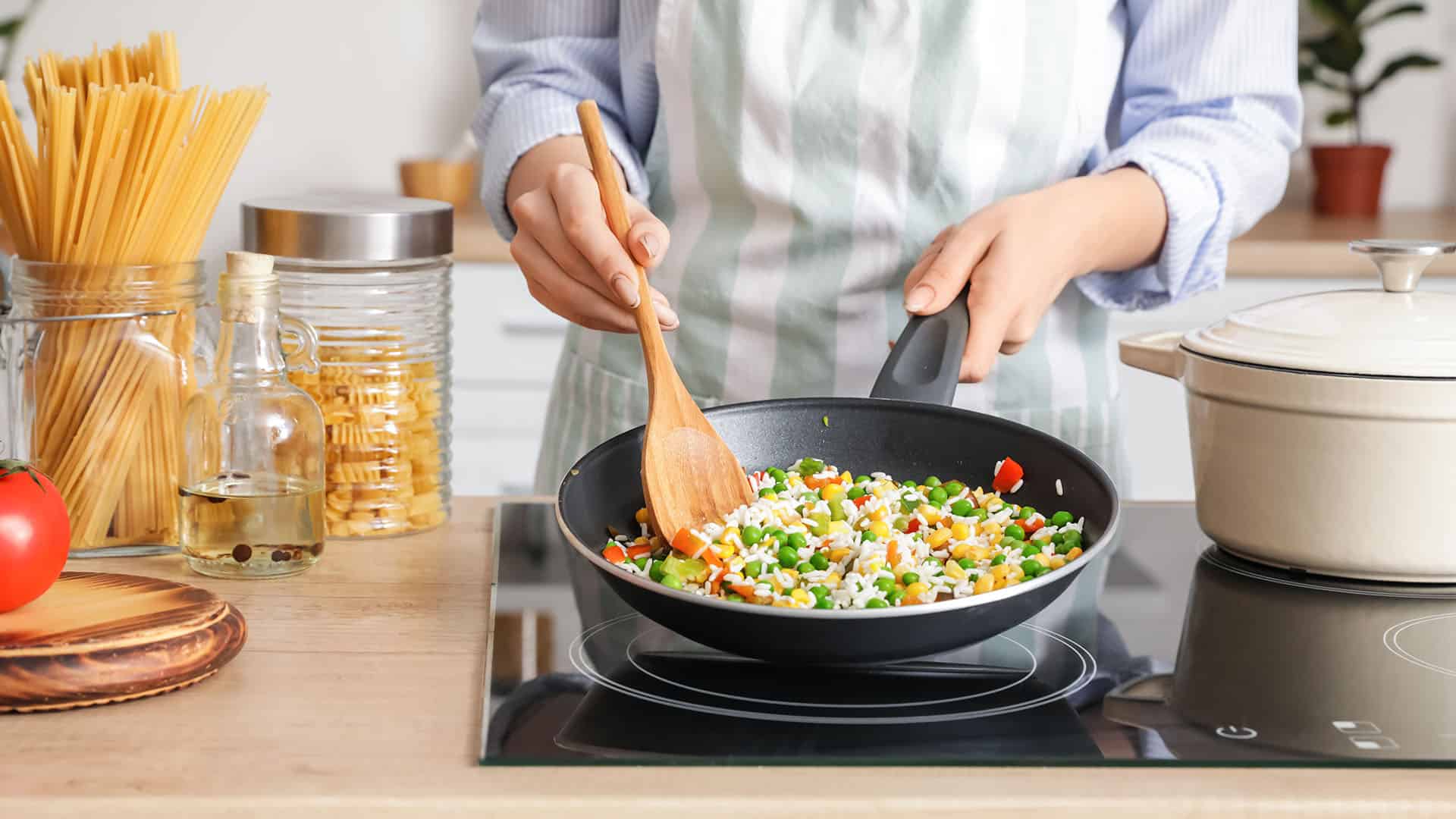
One of the biggest shifts happened when I stopped chasing perfection. I used to think every detail needed to feel curated, from matching serving bowls to perfectly timed appetizers.
The funny thing is that guests rarely notice most of those details. What they do notice is tension. People can immediately sense when a host is stressed, distracted, or constantly disappearing into the kitchen to manage another task. Instead of relaxing, guests often start feeling like they are interrupting a production.
I began simplifying the structure of my gatherings instead. Rather than serving multiple elaborate courses, I began focusing on one or two dishes I could confidently prepare in advance. Big platters replaced delicate individual plating. Sometimes I even bought part of the meal from a local bakery or specialty store instead of insisting on making every single component myself.
The atmosphere changed completely. Ironically, the less I tried to impress people, the more enjoyable the evenings became.
There is also something comforting about slightly imperfect hosting. Guests are usually looking for warmth, not a restaurant simulation.
I stopped keeping myself trapped in the kitchen

I also realized that many dinner parties fail socially because the host barely participates. I used to spend most of the evening moving between the stove, oven, and sink while everyone else sat together talking. Even when guests insisted they were having a good time, I often felt strangely disconnected from the gathering I had spent days preparing.
This is surprisingly common. Many hosts unintentionally create an invisible separation between themselves and their guests because the meal requires constant last-minute attention. Sauces need whisking, meat needs resting, vegetables need finishing, and timing becomes stressful very quickly.
Eventually, I changed the type of meals I served entirely. Instead of choosing dishes that required minute-by-minute attention, I started leaning toward food that improves when left alone for a while. Slow-cooked meats, large salads, baked dishes, room-temperature spreads, and make-ahead desserts suddenly became my best tools for hosting.
I also stopped apologizing for taking shortcuts. Guests genuinely do not care if every element is homemade. In fact, most people are relieved when a dinner party feels more relaxed and less performative.
One of the best hosting decisions I ever made was serving more food directly at the table instead of plating everything in the kitchen. Shared platters naturally encourage conversation and interaction. People serve themselves, reach across the table, comment on dishes, and settle into the meal at their own pace.
I stopped treating hosting like a measure of success

The biggest mindset shift was realizing that guests usually remember how a dinner party felt, not every detail of what was served. I can barely remember the exact menus from some of the best gatherings I have attended over the years, but I absolutely remember the atmosphere. I remember laughing for hours around a crowded table, lingering over dessert, or feeling instantly comfortable the moment I walked through the door.
For a long time, I confused hospitality with impressiveness. Social media probably made this worse for many people. We constantly see perfectly styled tables, flawless cakes, elaborate cocktails, and spotless kitchens presented as the standard for entertaining. It quietly creates the feeling that hosting must always look elevated and effortless at the same time. In reality, some of the most enjoyable dinner parties are surprisingly simple.
I also noticed that guests became more open once the environment felt less formal. People stayed later. They offered to help clear the table without awkwardness. Conversations became less surface-level. Even quieter guests seemed more comfortable contributing when the evening did not feel overly structured.
These days, I still love beautiful food and thoughtful presentation. But I no longer think hosting is about proving anything. A dinner party does not need to look perfect to feel memorable. In fact, the more relaxed the host becomes, the more relaxed everyone else tends to feel too.
Leave a Reply