
Many home bakers assume professional pastry chefs rely on secret recipes or complicated techniques that are impossible to recreate at home. In reality, professionals usually focus far more on precision and consistency. After years of baking and spending time in pastry kitchens, here are five baking habits professionals almost never tolerate in their kitchens.
Guessing measurements instead of baking with precision
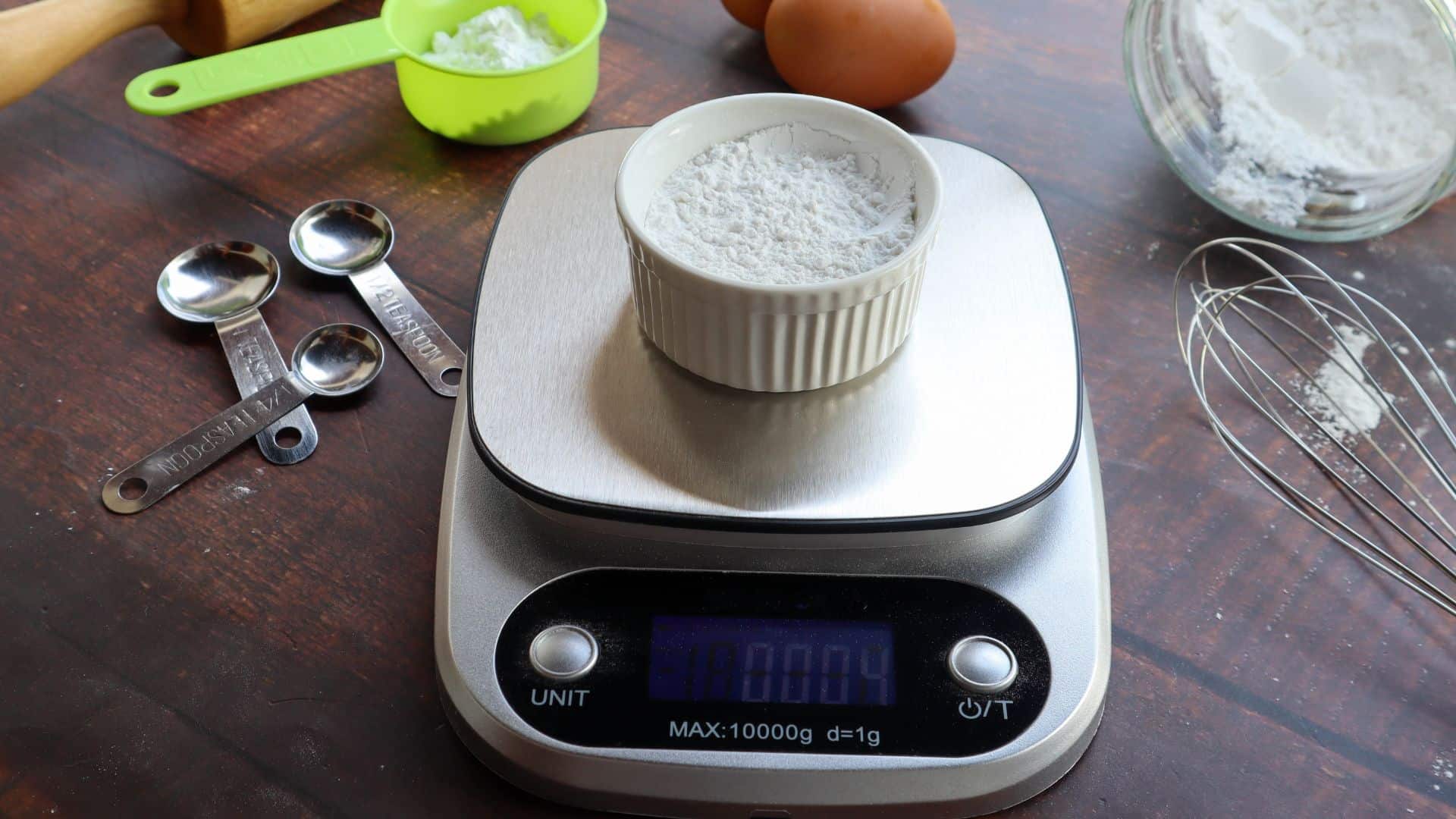
One of the fastest ways to spot an inexperienced baker is excessive improvisation. Cooking often allows room for instinct, but baking behaves very differently. Professional bakers know that even small measurement changes can completely alter texture, structure, and moisture balance.
This is why professionals always bake by weight rather than by volume. A packed cup of flour versus a loosely filled one can dramatically change the outcome of a cake or cookie recipe. The same applies to ingredients like cocoa powder, butter, or sugar.
Many home bakers also casually substitute ingredients without understanding their function. Sugar, for example, does far more than add sweetness. It helps create moisture, tenderness, browning, and structure. In cheesecake recipes, especially, reducing sugar too aggressively can affect the final creamy texture far more than people expect.
Overmixing batters and doughs

Many home bakers think extra mixing produces smoother results, but professionals usually avoid overworking batters whenever possible. Too much mixing develops excess gluten, which often leads to dense cakes, tough muffins, or chewy cookies that were supposed to stay soft.
This becomes especially important with cake batters. Once flour is added, professional bakers only fold it until it is combined. The goal is to preserve tenderness, not aggressively whip the batter into submission.
The same principle applies to whipped cream, egg whites, and frostings. Overwhipping can quickly ruin texture, causing graininess, collapse, or separation. Professional baking often looks gentle because experienced bakers understand that texture is created through control, not force.
Ignoring ingredient and dough temperatures
Temperature is one of the most underestimated parts of baking. Professionals pay close attention to it because small temperature mistakes can completely change how ingredients behave.
Cold butter will not cream properly. Warm cream cheese creates unstable frosting. Cookie dough that has not been chilled enough spreads too quickly in the oven. Even eggs at the wrong temperature can affect how evenly a batter emulsifies.
Patience is one of the biggest differences between rushed home baking and professional pastry work.
Prioritizing decoration over taste
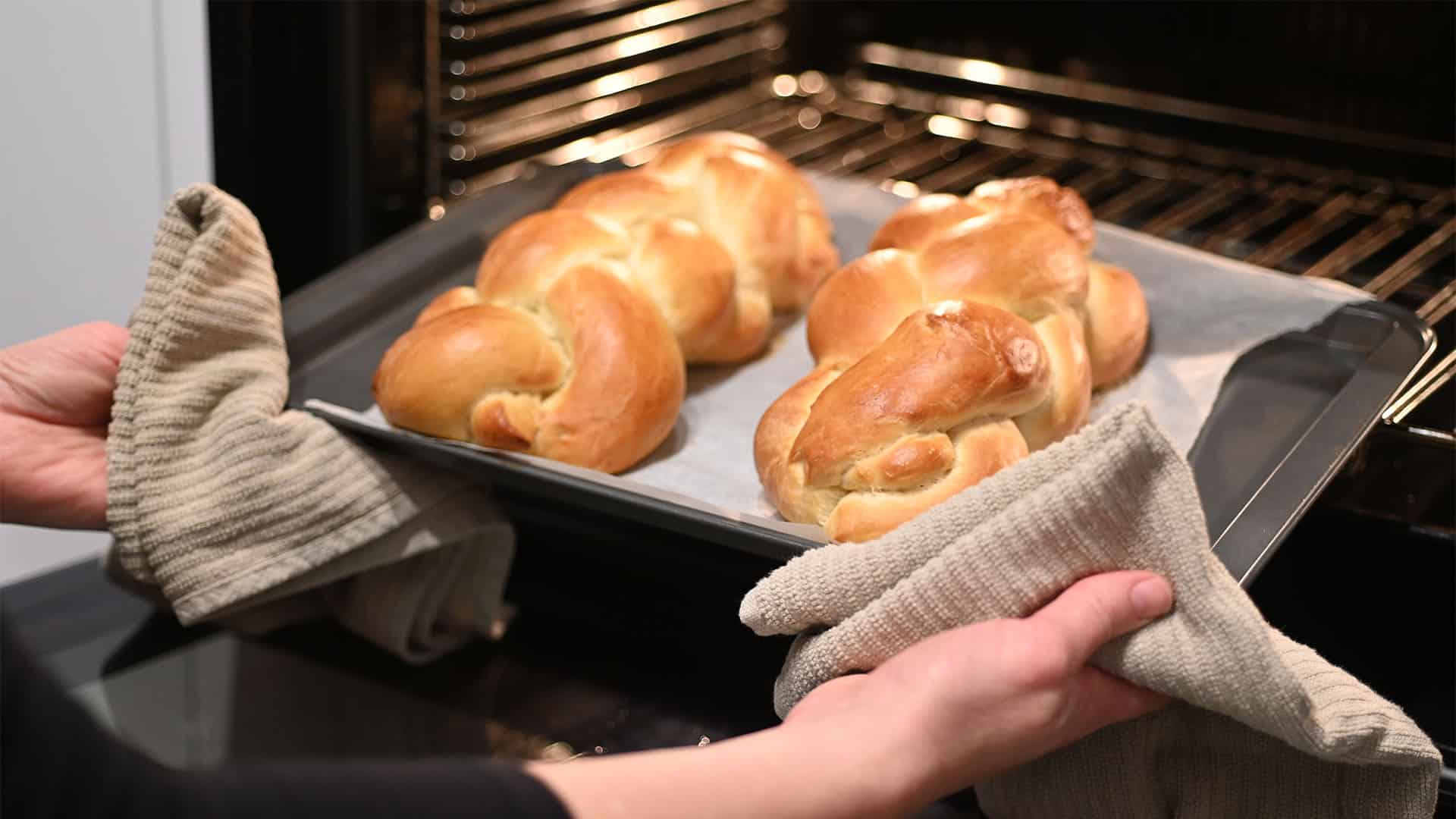
One of the easiest ways to spot an amateur baker is when everything looks perfect, but something feels slightly disappointing when you actually eat it.
Professionals often do have an extra level of skill when it comes to decoration, plating, and visual detail, which is part of their training and experience.
Yet, flavor and texture always come first. A dessert can look impressive, but if the crumb is dry, the cream is unbalanced, or the mouthfeel is off, it is considered unsuccessful no matter how polished it appears. Decoration is there to support the eating experience, not replace it.
Home baking often gets flipped the other way around, especially in the age of social media. It becomes easy to focus on finishes, toppings, and presentation before the foundation is truly right.
Overcomplicating recipes instead of refining technique
Experienced bakers rarely add more steps than necessary. One of the biggest habits they avoid is turning a simple recipe into a complicated project for no real reason.
Home bakers often assume complexity equals quality, but professionals usually work in the opposite direction. They refine processes, reduce unnecessary steps, and focus on improving technique rather than multiplying ingredients or layers.
A good example is cake baking. Instead of adding extra fillings, multiple frostings, and decorative elements to “upgrade” a cake, professionals focus on improving the sponge, stabilizing moisture, and balancing sweetness. The structure itself becomes the highlight.
This mindset also applies to troubleshooting. If a dessert fails, professionals rarely add more ingredients next time. They adjust timing, temperature, mixing method, or ratios instead. The goal is consistency, not reinvention every time.
Leave a Reply