
As we get older, our bodies don’t respond to food the same way they used to. Nutritional needs shift, and some ingredients that once seemed harmless can start working against our health. That’s why it’s important to take a closer look at what’s on your plate. These 17 foods may be doing more harm than good for those over 60—and it might be time to reconsider how much and how often you eat them.
Note: The content of this article is not medical advice.
Fiber-rich cereals

People who have trouble digesting will choose fiber-rich cereals, which conveniently have a few nutrients that make it look like a healthy option. However, fiber-rich cereals often contain lots of sodium.
Most fiber-rich cereals are also high in sodium, though you won’t find out until you read the nutrition label carefully. High sodium increases the risk of heart disease and blood pressure.
Low-sodium soups

The problem with low-sodium soups or any other food is that they attract people who want to eat heartily. However, low-sodium foods aren’t always healthy, and they can be dangerous for people who need a higher sodium intake.
Low-sodium soups also contain tons of preservatives and additives to preserve their shelf life. These preservatives can have drastic effects on health.
White bread

The sliced white bread that you buy in the grocery store is not healthy. It is full of sugar, additives, preservatives, and so many other ingredients that bread should not contain. Eating a lot of white bread can cause blood sugar spikes, and weight gain and even put you at risk for diabetes. White bread should be avoided at all costs, no matter your age!
Processed lean meats

We all know processed foods can be harmful. However, some processed lean meats are marketed as healthy just because they’re a good source of protein. Of course, this is not the case.
Processed lean meat has a higher sodium content, is rich in fats, and may even raise levels of LDL cholesterol. Such factors increase the risk of heart disease and high blood pressure.
Herbal teas
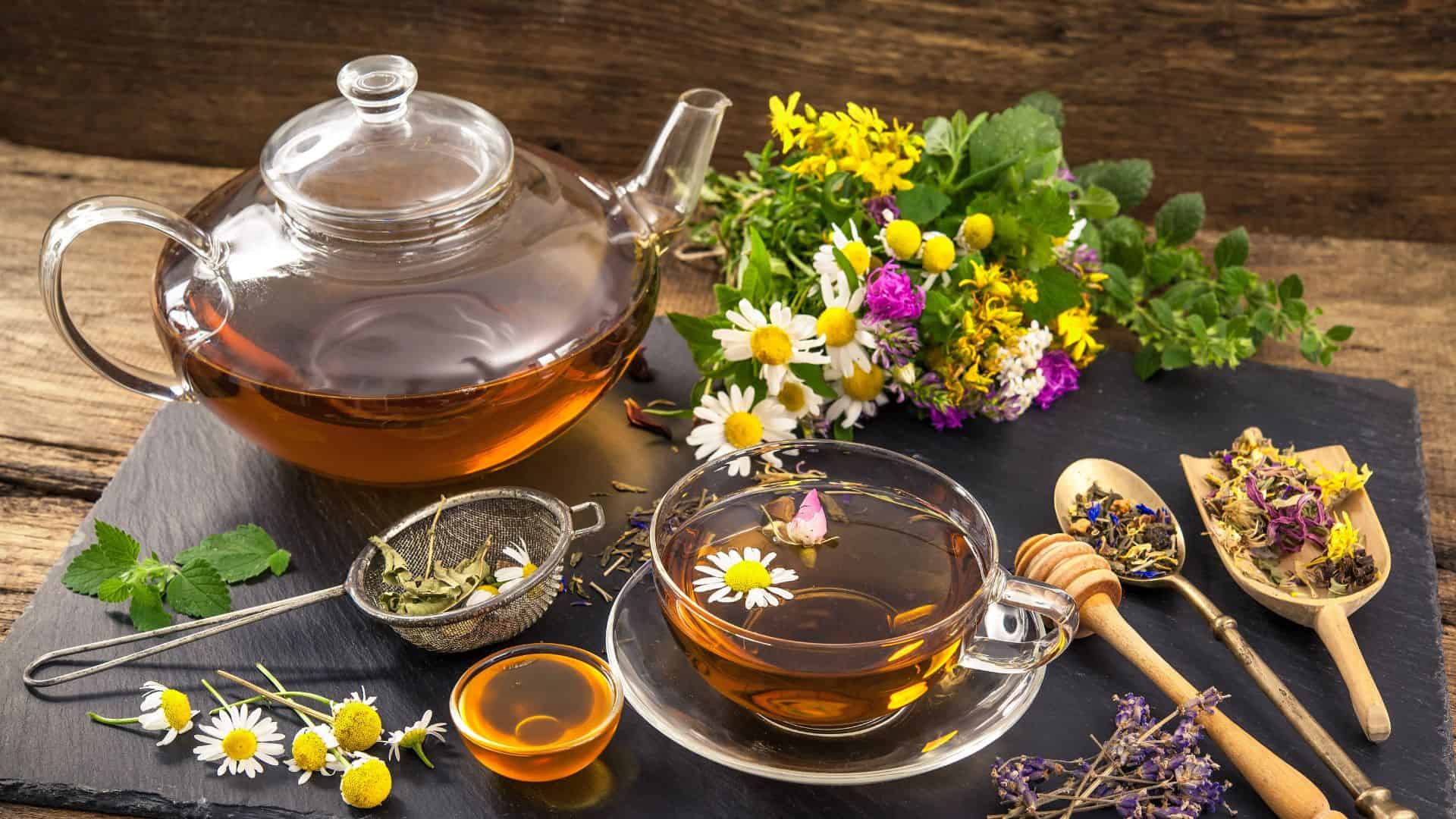
Herbal teas don’t particularly contain harmful ingredients, so older folks love stocking up on them. However, some herbal teas may contain artificial sweeteners, which are dangerous in excess.
The real risk with herbal teas is that they can negatively interact with medications. Considering many seniors are on long-term medications, drinking any type of herbal tea can be dangerous.
Chia seeds
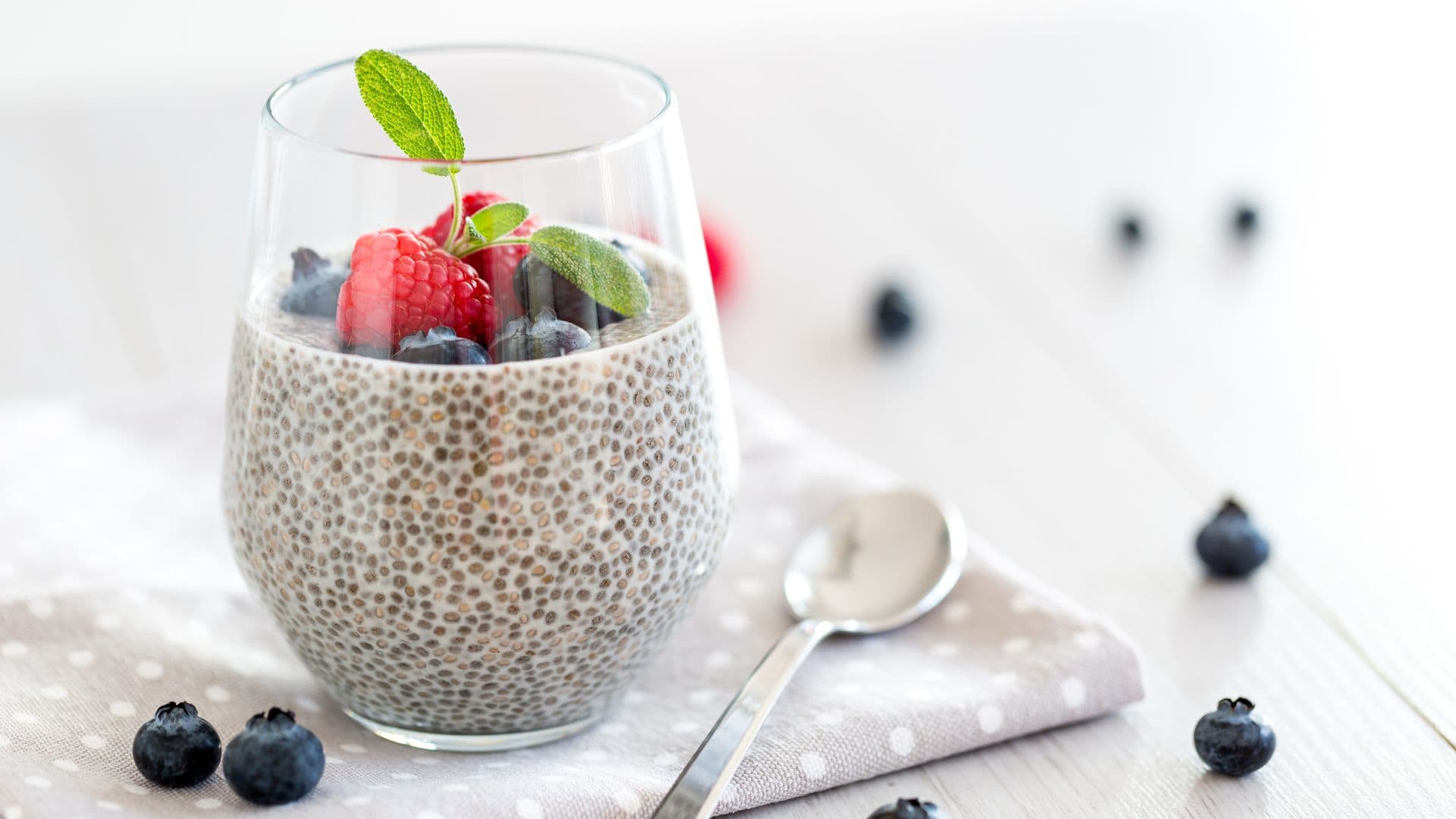
Chia seeds quickly became popular with old folks when they realized this food ‘helps’ with weight loss. They’re also rich in fiber, so people suffering from constipation eat it a lot.
However, chia seeds may have a high-calorie count for their small size, so eating them excessively may cause health problems we’d want to avoid. Their calorie-dense quality is even worse for older people.
Quinoa
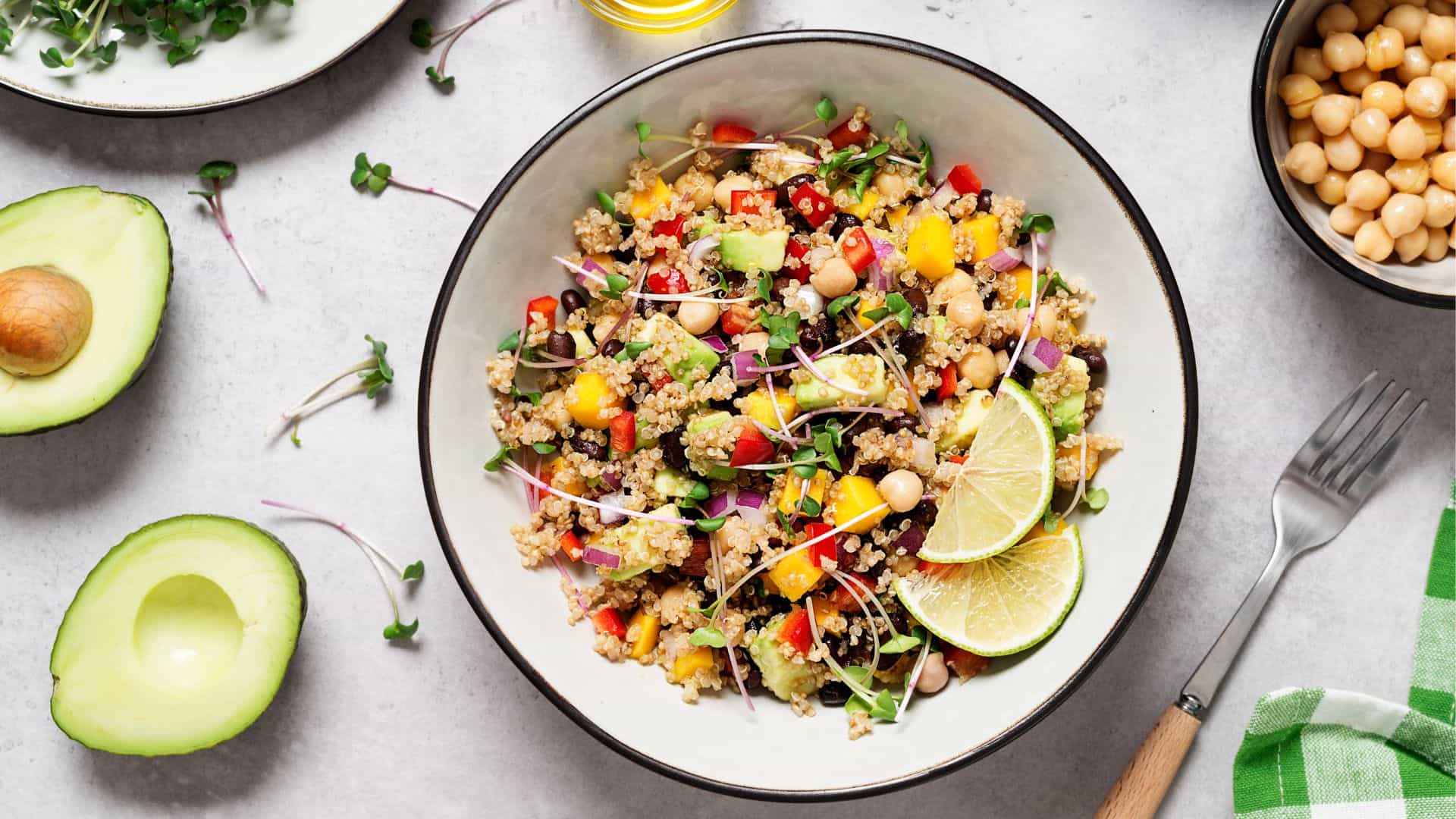
Another ‘health’ food that made its way into our lives thanks to its popularity with weight loss diets, quinoa’s nutritional profile makes it a stellar choice for old folks on their weekly grocery trip.
However, quinoa may prompt allergic reactions, and since it’s not a common allergen, most people won’t realize it until they feel itchy. The food’s high fiber profile may cause more stomach problems for older folks.
Hummus

While hummus seems like an excellent dish in general because it’s primarily made from heart-healthy ingredients, it can be dangerous depending on the type you’re buying.
Store-bought hummus typically contains a buttload of preservatives and harmful additives. It also contains vegetable oils with a higher fat content, so eating it regularly may cause health problems.
Low-sugar foods

Older people think low-sugar foods are healthy because of their obvious quality, but most foods are taking advantage of their labels. Many low-sugar foods compensate by adding artificial sweeteners, which can be harmful.
Plus, most low-sugar foods have a high fat count. They may still also contain other ingredients with a high glycemic index, which is concerning since they’re primarily marketed toward diabetics.
Oatmeal
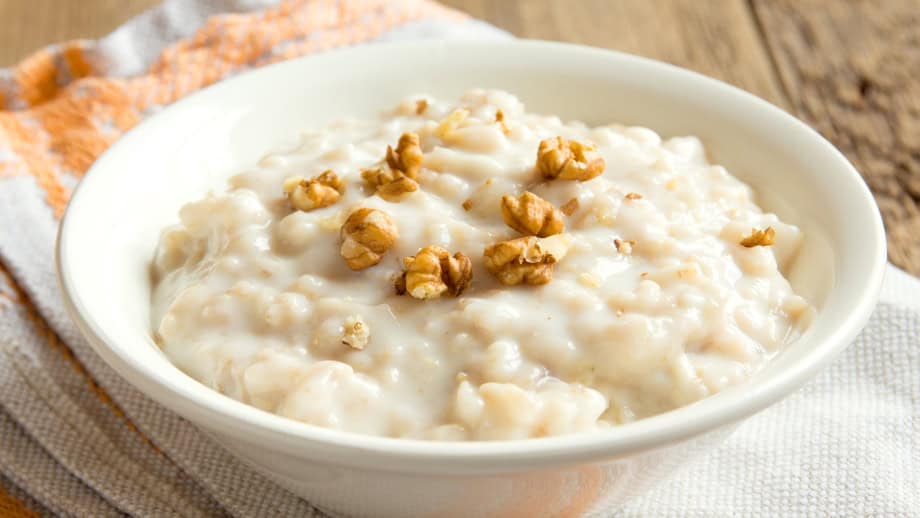
If we were to ask you what food is probably the best for older people, you’d immediately say oatmeal. This is because this dish is a high-fiber source and is often encouraged as a healing food.
That being said, most brands sprinkle their oatmeal with a bunch of unhealthy additives and preservatives. They also have a high sugar content, which can cause other health issues.
Avocado

Although avocado is a nutritious food, it isn’t the best for older people. This is because avocado has a high-fat content, which may pose problems for people suffering from chronic heart problems.
Avocados are also high in calories, so they can be dangerous when eaten excessively. Overeating avocados can cause several health problems or worsen pre-existing conditions.
Low-fat dairy
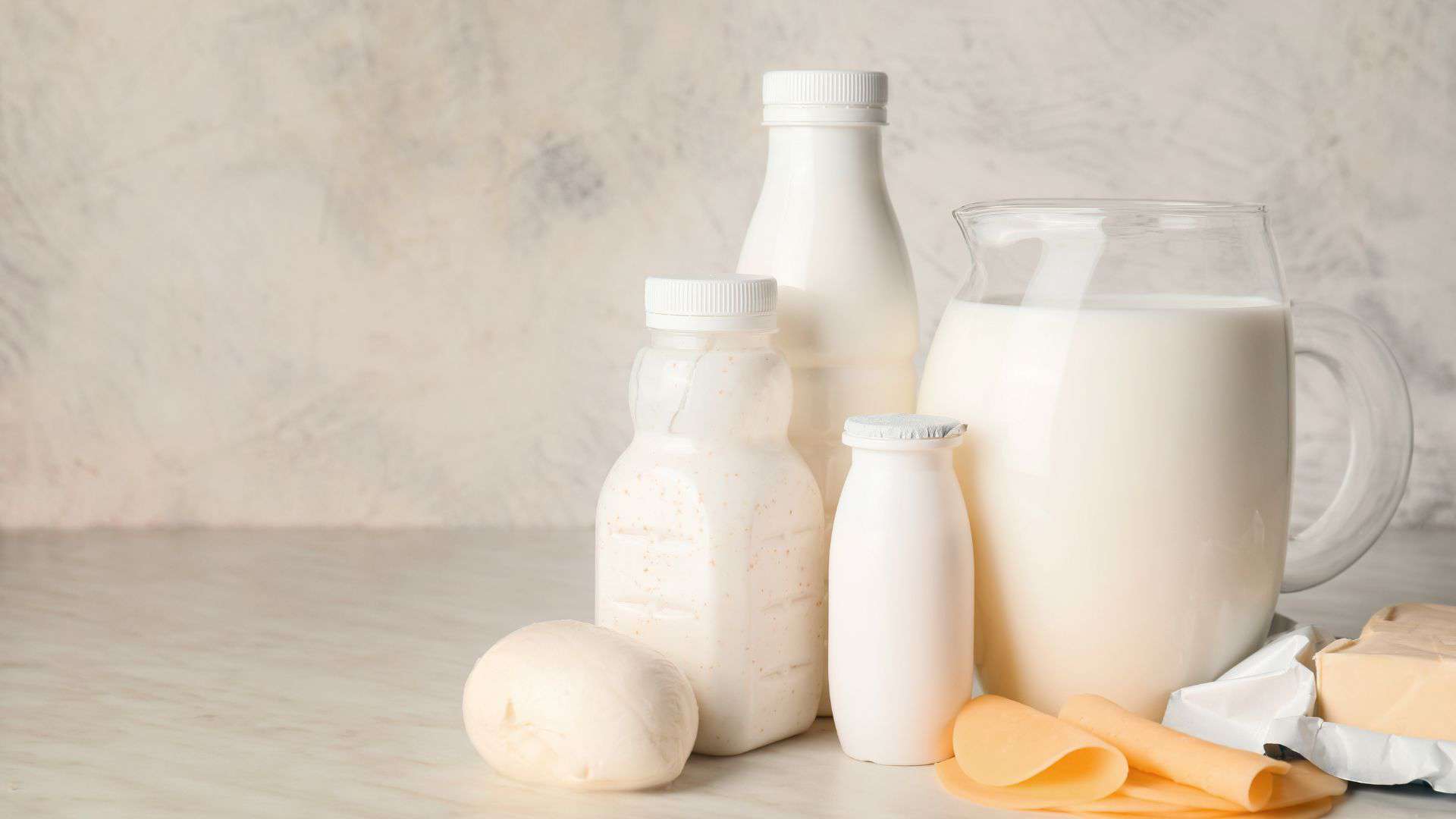
You might have realized that some foods lacking a particular nutrient aren’t very healthy. This is because they still might contain harmful nutrients in excess. Low-fat dairy is one such food.
Low-fat dairy can cause digestive problems if eaten in excess. They often have added sugars and other preservatives, which not only make it unhealthy but may even reverse the good effects of low-fat.
Grapefruit
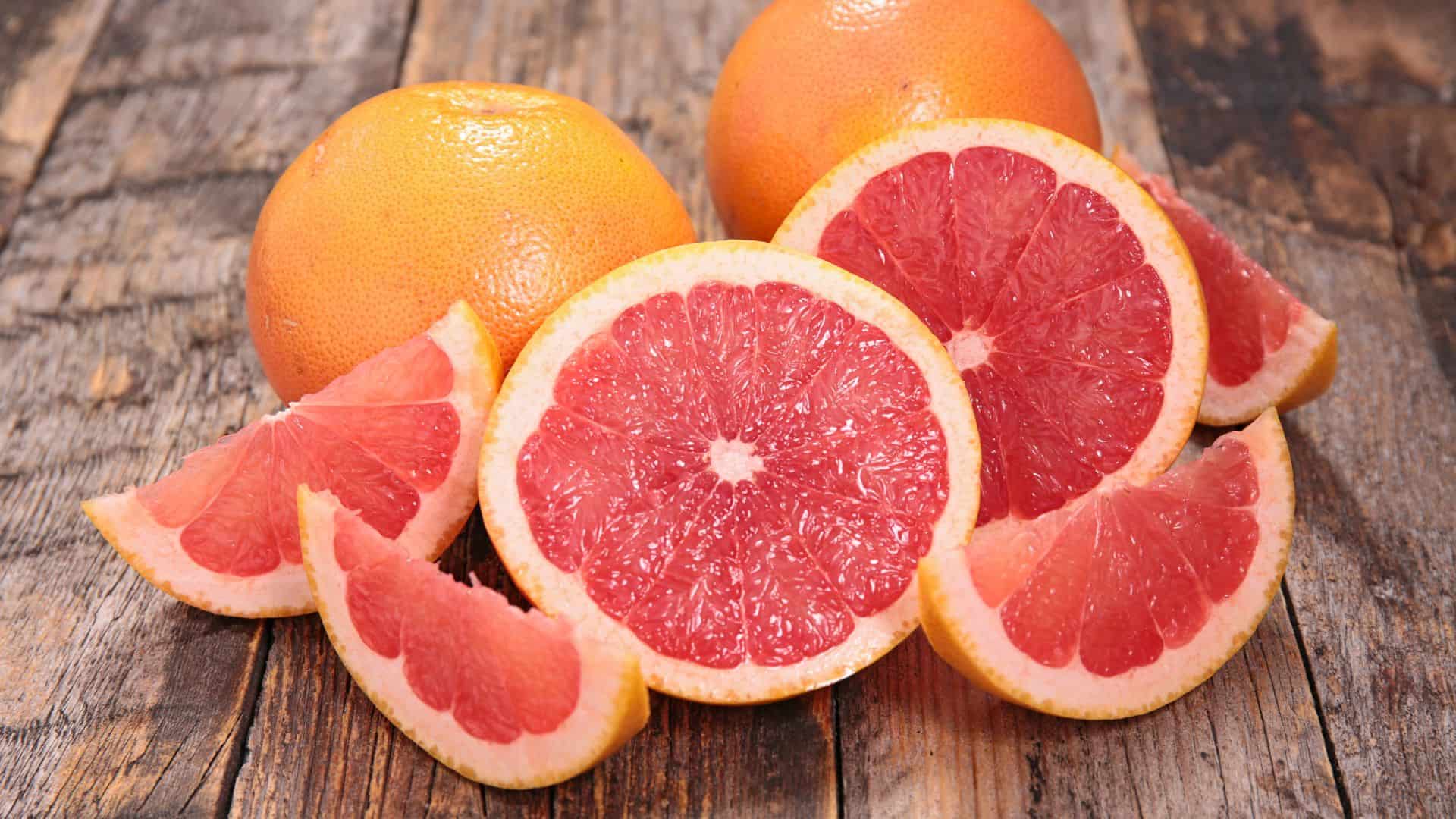
Grapefruits are always seen as a very healthy food. They are high in vitamin C and taste yummy. Unfortunately, grapefruit can block an enzyme that helps your body break down certain medicines. So, it's important to check your drug labels and make sure they do not advise against grapefruit.
Caffeine

As you age, your days of drinking coffee may slowly come to an end. Caffeine can make your heart race and can even cause an irregular heartbeat. This is very bad for anyone who has a heart condition and can pose a serious problem. The elder generation should limit their caffeine intake even if that mug of warm coffee looks tempting.
Smoothies

Baby boomers may think of smoothies as a nice, easy meal. Smoothies are easy to make and very easy to eat, especially for those who prefer softer foods. However, most smoothies are full of sugar, something baby boomers need to avoid.
Sugary smoothies can cause blood sugar levels to quickly spick and turn a "healthy" meal into a dangerous one. Skip the store-bought smoothies as they are not nutritious at all.
Oysters

Oysters tend to pose a high risk of causing food poisoning. This is because shellfish are often not stored properly and can spoil quite quickly.
Food poisoning can have a seriously adverse effect on anyone, but especially the elderly, who have a more fragile system. If you want to avoid the risk of terrible food poisoning that may land you straight in the hospital, simply avoid oysters.
Undercooked Eggs

Lots of people enjoy their eggs over easy or a little bit runny. However, as you get older, you should completely avoid undercooked eggs. Seniors have a higher risk of getting a foodborne illness, and raw eggs have a higher risk of salmonella contamination. It's best to be safe and just cook eggs all the way through.
This article was first published at Spatula Desserts.
Avril Morton
Very useful and confirming what I practice.