
Cheese is one of those foods that is in everyone's fridge but is surprisingly easy to mishandle. Many people store it the same way they store deli meat or leftovers, then wonder why it dries out or loses flavor. Cheese is alive in a sense. It continues to age and change after purchase. Storing it well is about giving it the right balance of air and protection.
The good news is that proper cheese storage does not require special equipment or expert knowledge. With a few adjustments, people can keep cheese tasting better and wasting less.
Why cheese storage matters more than most think
Cheese spoils for two main reasons: dehydration and contamination. Wrapped too tightly, it can trap moisture and encourage mold growth. Wrapped too loosely, it dries out and becomes hard or flavorless.
Cheese also absorbs odors easily. Store it near strong-smelling foods, and it may pick up flavors from onions or other foods. Temperature plays a role as well. Too warm, and it spoils quickly. Too cold, and texture and taste suffer. Understanding how different cheeses behave makes storage much easier.
Soft cheese vs. hard cheese: different needs
Not all cheeses should be treated the same.
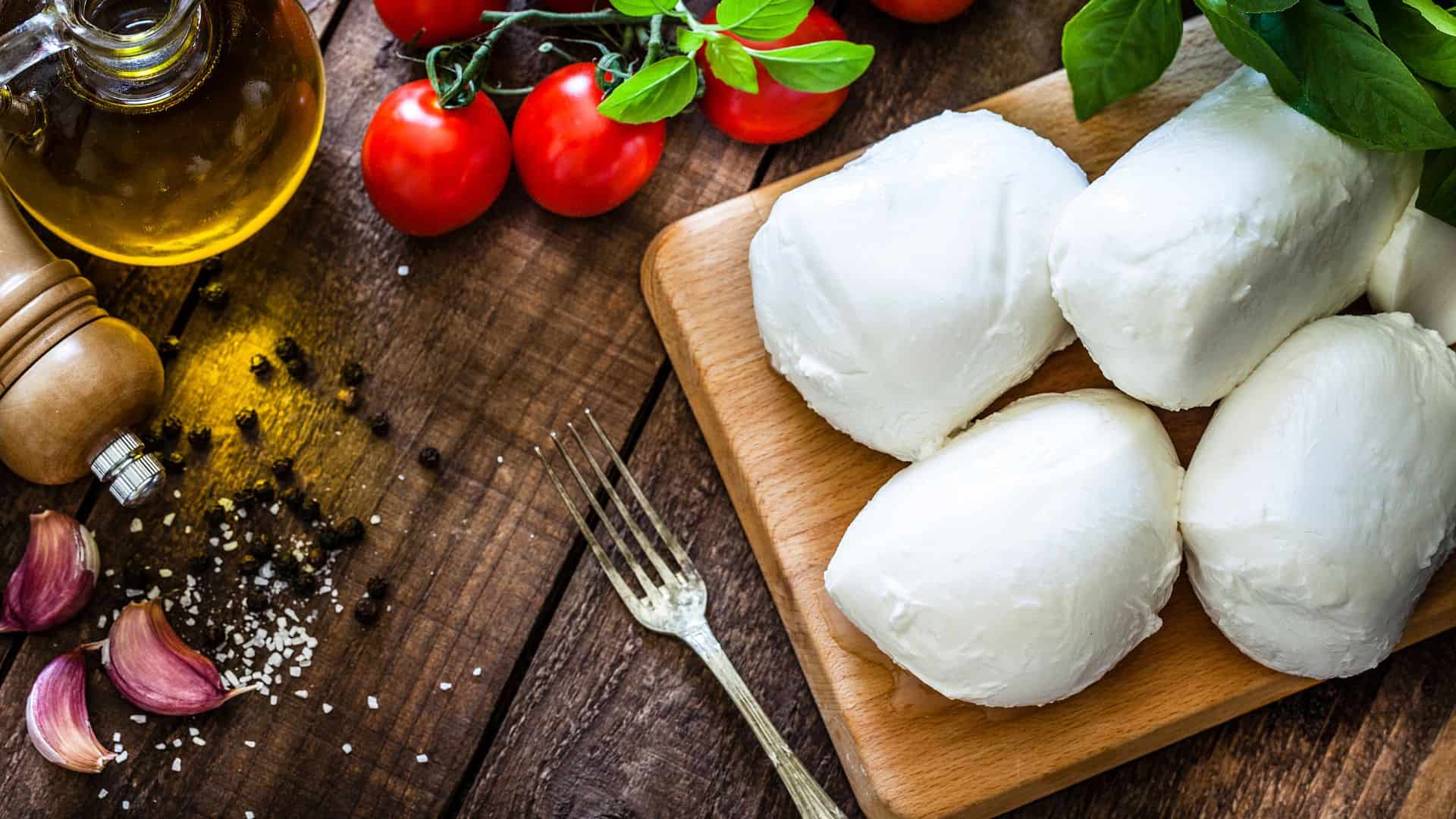
Soft cheeses like Brie, Camembert, goat cheese, cream cheese, ricotta, and fresh mozzarella contain more moisture. That makes them more perishable and more likely to grow mold quickly. These cheeses should be stored cold, sealed, and eaten soon after opening.
Semi-soft cheeses such as Havarti, Fontina, and young Gouda fall somewhere in the middle. They need protection from drying but also benefit from some airflow.
Hard cheeses like Cheddar, Parmesan, Pecorino, Manchego, and aged Gouda are more forgiving. They last longer and can tolerate slightly looser wrapping as long as they are protected from drying out.
Blue cheeses are their own category. Their mold is intentional, but it can spread to other cheeses if they are stored together without separation.

Where cheese should go in the fridge
The refrigerator door is not ideal. It experiences frequent temperature swings, which speed up spoilage.
The best location is the vegetable crisper drawer or a middle shelf toward the back of the fridge, where temperatures remain steady. The crisper provides a slightly more humid environment, which helps prevent drying.
If the fridge runs very cold, wrapping becomes even more important. Extreme cold can make cheese crumbly or dull in flavor.
The best way to wrap cheese
Plastic wrap alone is not ideal for most cheeses. It traps moisture, which can cause cheese to sweat and spoil faster.
A better approach is breathable wrapping. Cheese paper is the gold standard, but it is not required. Wax paper or parchment paper works well as a first layer, followed by a loose outer wrap of plastic wrap, aluminum foil, or a partially sealed container.
Reusable beeswax wraps can also work for firm cheeses, though they may not suit soft or sticky varieties.
Storage by cheese type
Soft cheeses: Keep sealed or in airtight containers. Use clean utensils every time. Once opened, aim to finish within a week. If mold appears on soft cheese, it is safest to discard the entire portion.
Semi-soft cheeses: Wrap in parchment or wax paper, then loosely in plastic. Rewrap after each use to keep it fresh. Trim small mold spots if they appear, leaving a generous margin around the affected area.
Hard cheeses: Wrap in breathable paper with a loose protective outer layer. Hard cheese can last weeks when stored properly. If mold appears, cut it off with at least an inch of clearance.
Blue cheese: Store separately to prevent mold transfer. Wrap tightly but avoid excessive moisture buildup. Expect a stronger aroma over time.
Shredded or sliced cheese: Pre-shredded cheese dries out quickly. Keep tightly sealed and use within a short window. Block cheese stays fresh longer than shredded cheese.
@cheese_boutique gives a tip on how to wrap cheese at home with items you already likely have.
Short-term vs. long-term storage
Short-term storage means keeping cheese fresh for days or weeks after opening. Rewrapping properly and keeping the temperature stable are usually enough.
Long-term storage often means freezing, though freezing changes texture. Hard cheeses freeze better than soft cheeses. Parmesan, Cheddar, and mozzarella can be frozen for cooking purposes, but they may become crumbly once thawed.
Fresh cheeses such as ricotta or cream cheese generally do not freeze well. Their texture breaks down after thawing.
If freezing, wrap the cheese tightly in plastic and place it in a freezer bag. Thaw slowly in the fridge before using.

Buying smaller amounts helps
Buying large blocks may feel economical, but smaller portions often stay fresher and reduce waste. Cheese is at its best when eaten within a reasonable window.
If buying in bulk, consider dividing portions and storing separately so only one piece is opened at a time.
And don't forget, most cheese tastes better at room temperature. Cold dulls flavor and firms texture. For the best flavor, remove cheese from the fridge 20 to 45 minutes before serving. Keep it covered while resting to prevent drying.
The bottom line
Most storage mistakes come from wrapping too tightly, storing too cold, or treating all cheeses the same. A few small changes can make a big difference in flavor and shelf life. Cheese does not need complicated rules.
When stored properly, cheese keeps its texture and character longer. Stored poorly, it loses what makes it worth buying in the first place.
Leave a Reply