
Many people assume that simply refrigerating or freezing items is enough to keep them safe, but temperature control, storage order, and container type all play a critical role in maintaining food quality. Perishable foods left out too long, raw meat stored above cooked items, or improperly sealed containers can all allow bacteria to multiply or cross-contaminate other foods.
Good storage practices are not complicated, but they require consistency and awareness. Knowing which foods belong in the refrigerator, which should stay at room temperature, and how to handle leftovers correctly helps preserve freshness and prevent spoilage. Here are the most common storage mistakes found in home kitchens, and the simple steps that can help prevent them.
Mistake 1: Leaving perishable foods out too long
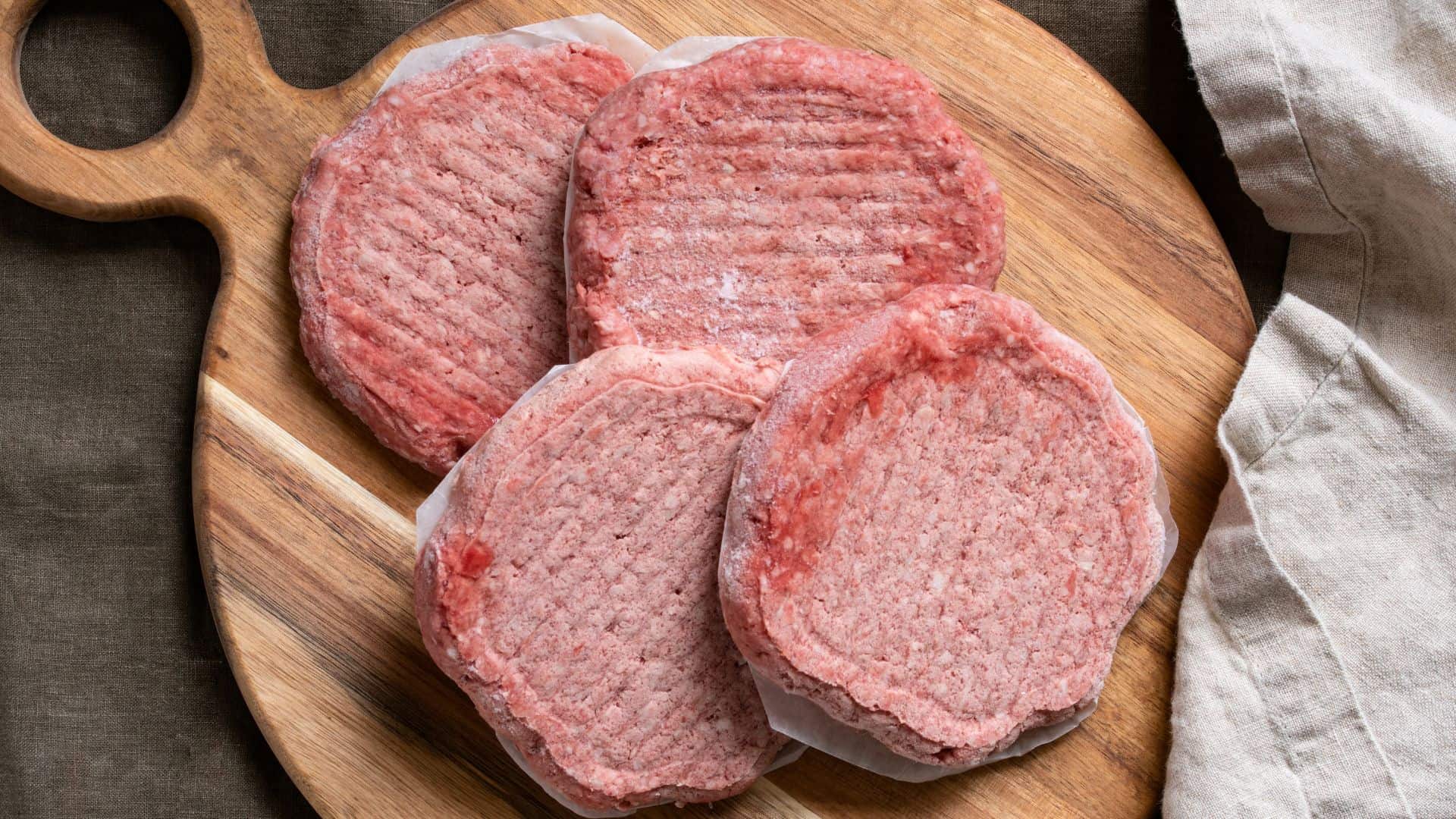
Leaving perishable foods at room temperature for extended periods allows bacteria to multiply rapidly. The USDA states that perishable food, such as meat and poultry, should never be left out at room temperature for more than 2 hours, or only 1 hour if the ambient temperature is above 90°F.
Immediately refrigerate or freeze perishable items once you arrive home from shopping or after cooking. On hot days or when the room temperature is high, don’t leave food out for more than an hour; store it in the refrigerator immediately.
Also, ensure leftovers are placed in shallow, covered containers and promptly chilled, rather than being left on the counter in inappropriate temperatures.
Mistake 2: Storing raw meat above ready-to-eat foods
Cross-contamination between raw and ready-to-eat foods is a frequent source of foodborne illness. Many people not only mix meat with other foods in the cart, but also store them incorrectly in the refrigerator.
The FDA emphasizes separating raw meat, poultry, seafood, and eggs from other foods in the cart, bags, and the refrigerator. Always store raw meat, poultry, and seafood on the lowest shelf in the fridge; preferably in a sealed container to catch any drips. Keep ready-to-eat items (such as cooked foods, deli meats, salads) stored above or separately from raw items.
In addition, wrap raw items securely when storing, to prevent their juices from contaminating other foods.
Mistake 3: Using the wrong containers or storage materials
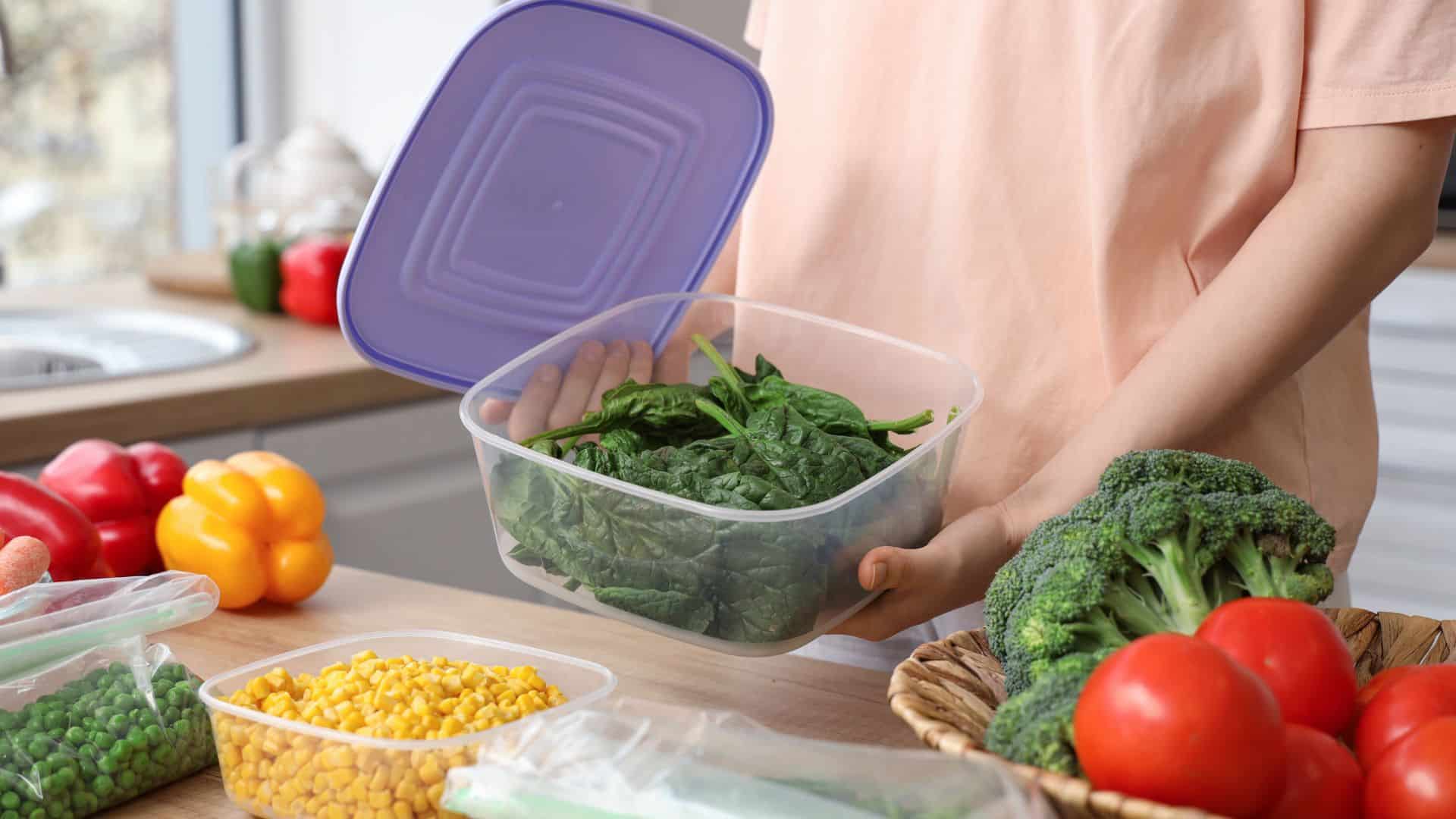
The type of container and material used for storage is also important, which many people tend to ignore. Some plastics or wraps may not seal well; some containers are not intended for freezer or fridge use; and air exposure accelerates spoilage or freezer burn.
Use food-grade, airtight containers or resealable heavy-duty bags designed for refrigeration or freezing. For frozen meats, wrap the original package in foil or freezer-safe wrap to maintain quality. Also, it’s useful to label containers with the date and contents to monitor storage time.
Avoid loosely covered or open containers for leftovers; ensure lids fit tightly or use sealed bags. Proper containers preserve both quality and safety by minimizing exposure to air, moisture, and other contaminants.
Mistake 4: Covering hot food before it cools
Putting very hot food directly into the refrigerator, especially in a deep container or an unvented pot, can raise the fridge’s internal temperature and prolong the time the food remains in the warm zone, increasing the risk of bacterial growth. The USDA recommends dividing large batches into shallow containers and chilling rapidly.
Allow steam to escape (covering loosely at first) until the internal temperature drops, then seal or cover. Also, avoid placing large pots of piping-hot food deep into the fridge, where it will take longer to drop below 40 °F.
Mistake 5: Refrigerating the wrong items
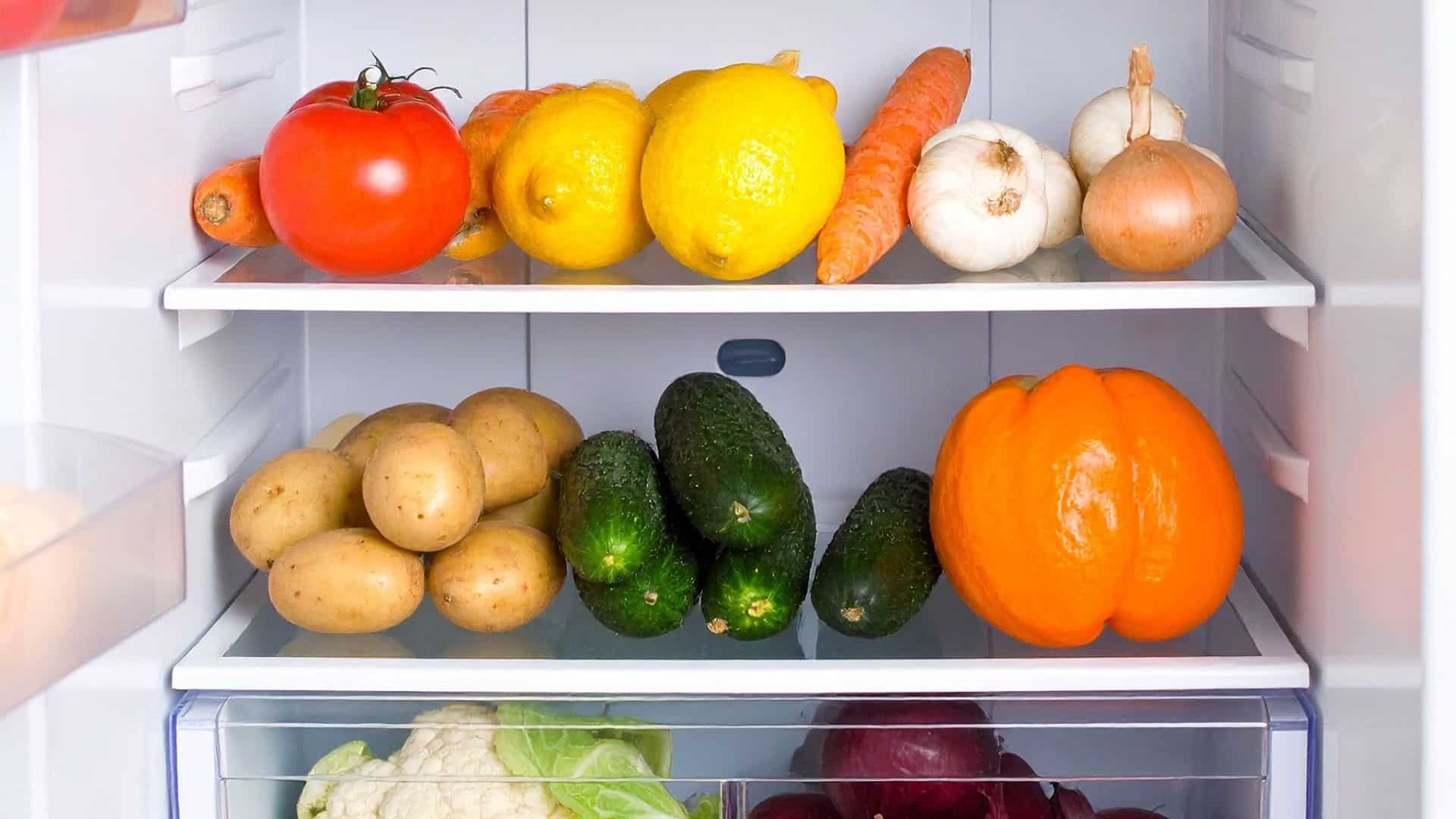
Most people make this mistake by putting unnecessary items in the fridge. Not all foods benefit from refrigeration; some perish faster when refrigerated, and storing them incorrectly wastes space and may degrade quality.
Certain fruits, vegetables, and pantry staples maintain better flavor and texture at room temperature.
Potatoes, should be kept in a cool, dark cabinet since cold temperatures convert their starches to sugar. Onions, garlic, and certain fruits like bananas and avocados also do better at room temperature until they ripen.
By storing each item in its optimal environment, you improve both safety and quality.
Mistake 6: Ignoring proper pantry storage conditions
Pantry- or shelf-stored foods require a cool, dry, stable environment. Heat, moisture, light, and poor stacking all shorten shelf life and increase the risk of spoilage. Dry storage should maintain temperatures between 50 °F and 70 °F for maximum shelf life.
Grains, canned foods, cereals, and baking ingredients should be stored in clean, well-ventilated areas away from direct sunlight, ovens, and other heat sources. Keep containers slightly away from walls and off the floor to allow air to circulate. Organize items so older products are used first; placing newer ones behind them helps prevent waste.
Check cans and packages regularly for damage, bulges, or leaks, and discard anything that looks compromised. With the right temperature and airflow, pantry staples remain safe, flavorful, and ready to use for much longer.
Mistake 7: Neglecting to clean the refrigerator regularly
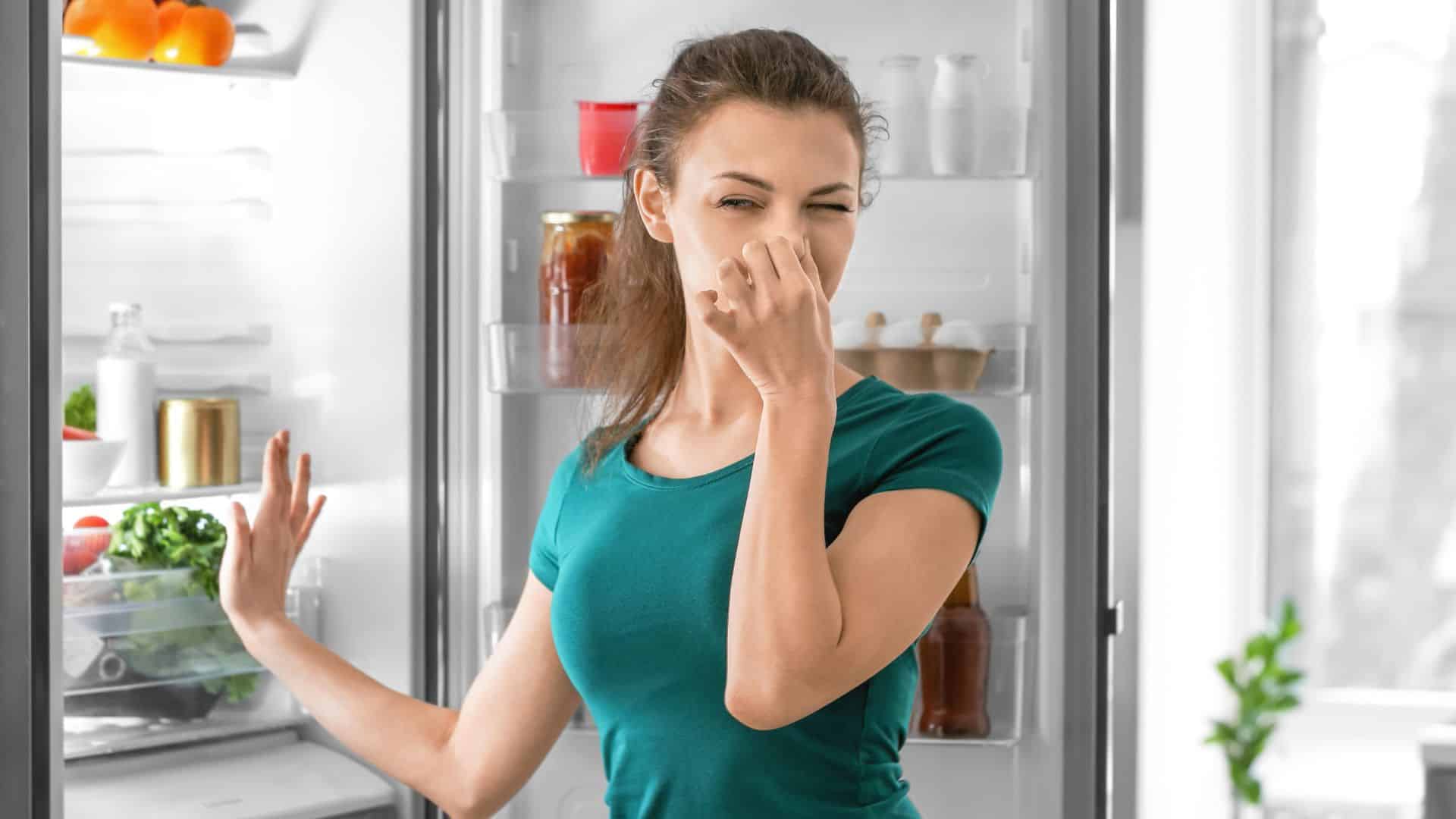
Even with perfect storage, a dirty refrigerator can undo all your efforts. Spills, crumbs, and old food can harbor bacteria and spread odors to other items. Wipe down shelves and drawers with warm, soapy water at least once a month and clean spills immediately.
Check expiration dates as you clean, discard spoiled food, and avoid using harsh chemicals that could contaminate food surfaces. A clean fridge not only looks better but also reduces cross-contamination and keeps stored foods fresher for longer.
Properly storing food not only keeps it safe but also keeps it fresh longer, reducing waste and costs. With a few simple habits, you can preserve food quality and make everyday cooking easier and safer.
Leave a Reply