
Many people want to eat healthier, but don’t enjoy vegetables because of their bland taste. Maybe you’ve tried forcing yourself to eat salad or boiled broccoli and decided it’s not for you. Eating more vegetables doesn’t require a new diet or complicated recipes. You can easily add them to foods you already enjoy without changing your whole diet or cooking routine.
Why are vegetables essential for health?

Vegetables provide key nutrients that help keep your body healthy. They’re rich in vitamins, minerals, and fiber, which help digestion, maintain energy, and support your immune system. They also make meals more satisfying, helping you feel full longer and preventing unnecessary snacking.
A diet low in vegetables can lead to vitamin and mineral deficiencies over time. People who eat very few vegetables often rely more on processed foods, which can lead to higher sodium and saturated fat intake.
Even if you don’t love vegetables, adding small amounts regularly, like in soups or stir-fries, can help you get the nutrients your body needs without changing the taste of your meals too much.
How to add vegetables to everyday meals
You don’t need to eat a plate of plain spinach to be healthy, and you definitely don’t need to force yourself to eat foods you don’t like. There are plenty of easy ways to cook or mix them into meals so you barely notice they have vegetables.
Add them to breakfast
Breakfast is one of the best meals to eat vegetables. Add chopped spinach, bell peppers, onions, or mushrooms to scrambled eggs, omelets, or breakfast burritos. If you like toast for breakfast, layer it with sliced avocado and tomato, or spread hummus and top it with cucumbers.
You can also toss a handful of greens into a breakfast quesadilla or make a quick hash with potatoes and leftover vegetables from dinner.
Blend them into smoothies
Smoothies are one of the most delicious ways to eat vegetables well hidden, if you hate their taste. To make a smoothie, add a handful of spinach, kale, or avocado with any fruit, such as bananas, mangoes, or berries; they will help balance the veggies' flavor.
Try blending carrots with oranges for a bright, refreshing drink, or mix cucumber and pineapple for a hydrating option. You can enjoy a healthier smoothie at breakfast or as an afternoon snack.
Add veggies to soups or stews
Soups and stews are a great way to use vegetables without having to taste them individually. You can add carrots, celery, spinach, peas, zucchini, or even kale to almost any soup recipe.
For example, mix chopped vegetables into chicken noodle soup, lentil soup, or a simple tomato-based broth. You can also add diced sweet potatoes, mushrooms, or beans to stews for extra texture and nutrients.
Eat them as a snack
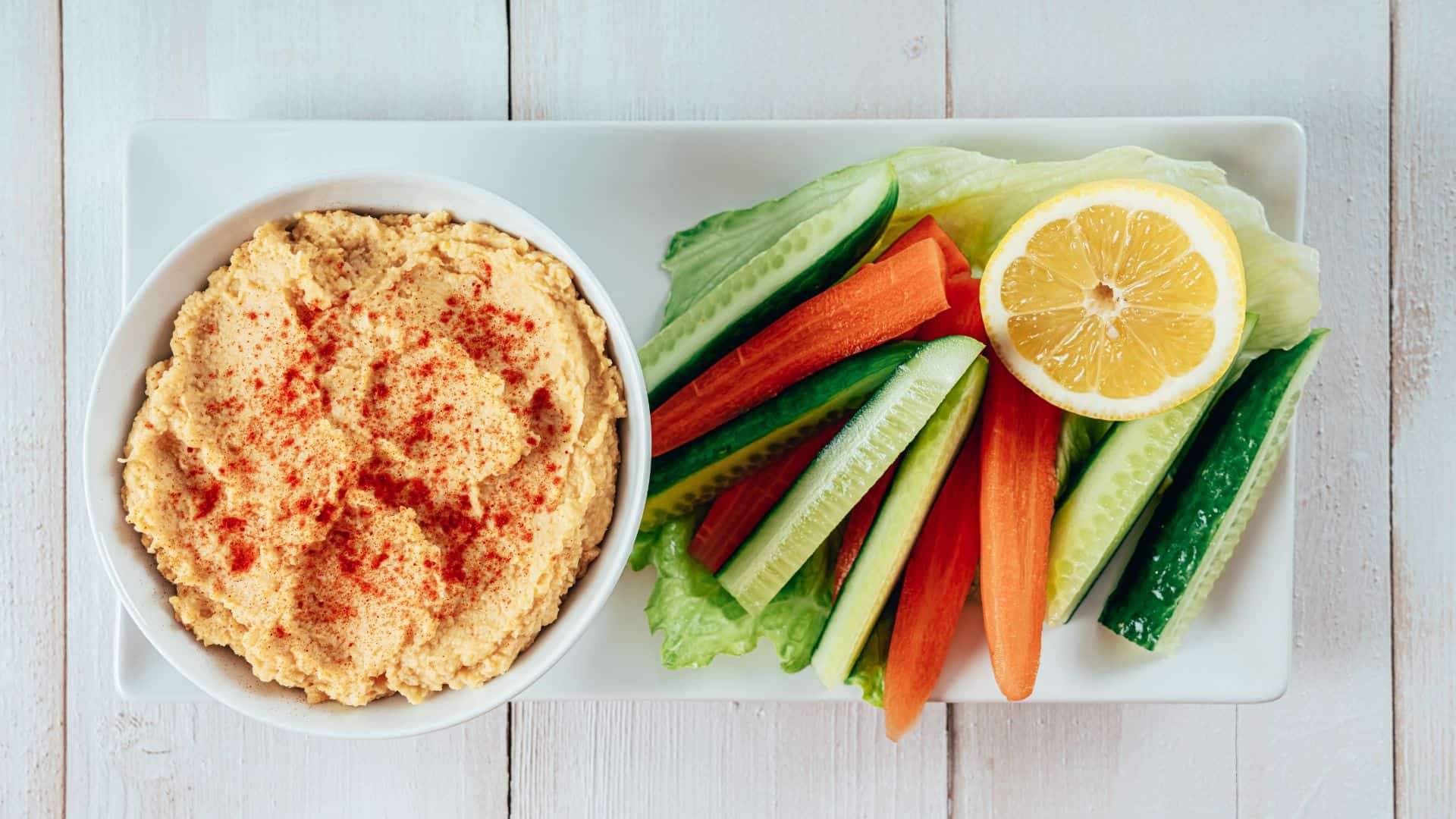
Instead of eating processed food, you can eat veggies as a snack. Slice cucumbers, carrots, and bell peppers and refrigerate them in small containers.
You can make them taste better by pairing them with your favorite dips, such as hummus, yogurt dip, or guacamole. You can also make oven-baked veggie chips using kale, zucchini, or sweet potatoes; slice them thin, season with a bit of salt, and bake until crisp.
Eating veggies with a dip or baking them will make them more flavorful, and they may also become your favorite snack.
Make a sandwich or wrap
Sandwiches or wraps let you add vegetables along with other ingredients, so even if you’re not a fan, you won’t really notice them as much. Use lettuce, tomato, cucumbers, and shredded carrots for a quick lunch, or add roasted zucchini and peppers for something heartier.
You can also try a whole-grain wrap with chicken, avocado, spinach, and pickled onions.
Roast your favorite veggies
Roasting with a bit of seasoning can enhance the taste of any vegetable, and you may even start to like them. Toss broccoli, cauliflower, carrots, Brussels sprouts, or any other vegetable you like with olive oil, salt, and pepper, then roast in the oven until golden.
You can also roast root vegetables, potatoes, beets, and parsnips for an easy side dish. Try adding garlic or herbs like rosemary and thyme for extra flavor. Serve them with chicken, fish, or even grains.
Make a colorful salad
You don’t need to eat a plain salad if you hate the taste. Mix a variety of vegetables, such as leafy greens, cucumbers, shredded carrots, cherry tomatoes, and roasted vegetables, to make a delicious salad. You can also add beans, chickpeas, cheese, or boiled eggs for protein. Add a simple dressing of olive oil, lemon juice, and salt to enhance the flavor.
Make veggie noodles
If you’re not a fan of vegetables, try using them as noodles instead. Cut zucchini, carrots, or cucumbers into thin strips with a peeler or spiralizer. Add some spices, sauce, or even protein. It’s an easy way to add more vegetables to your daily meals without compromising on flavor.
Try different cuisines
Many people don’t actually hate the vegetables. They just don’t like how it’s cooked. Try recipes from other cuisines to see how they prepare vegetables. In many Asian, Mediterranean, and Middle Eastern dishes, vegetables are cooked with basic spices and simple methods.
You can make a stir-fry with rice, a salad with olive oil and herbs, or a curry with potatoes and peas. Cooking different styles of food helps you use vegetables in new ways and adds variety to your meals.
The last resort: bake them into delicious desserts

If you really can’t stand vegetables in savory dishes, try using them in desserts. You can make mini carrot cakes with shredded carrots, or make pumpkin puree from scratch for pumpkin desserts. These recipes are a simple way to use vegetables you already have while adding extra fiber to your treats.
Vegetables are essential for your overall health, even if they’re not your favorite food. If you cannot eat them as is, try adding them to the foods you already eat, such as eggs, pasta, soups, or wraps. Try roasting or blending them to change the flavor, or cook them in different cuisines until you find what you like best.
Start slow, keep experimenting, and over time, you’ll find a few ways to eat vegetables without hating them.
Leave a Reply