
Most people shop with a plan, or at least an idea of what they might cook. But life shifts during the week. Plans change, and ingredients that seemed essential at the store end up forgotten in the back of the fridge. The result is familiar: wilted greens, half-used containers, and food that gets thrown out even though it was perfectly usable days earlier.
Getting more out of what you buy doesn’t require strict rules or a complete overhaul. Small shifts in how you plan and reuse food can make a noticeable difference.

Start with a flexible plan
A rigid meal plan can backfire. If every night is assigned a specific recipe, there is little room for change. A more flexible approach tends to work better.
Instead of planning exact meals for every day, think in terms of a few core ingredients that can carry multiple dishes. For example, a pack of chicken can turn into a simple skillet dinner one night, tacos another, and a quick salad topping later in the week. A batch of roasted vegetables can show up alongside a main dish, then get folded into pasta or grain bowls.
This kind of planning reduces pressure. If one meal doesn’t happen, the ingredients still have a place elsewhere. It also helps prevent the common situation in which a single missing item derails an entire recipe.
It can also help to build meals around ingredients that spoil quickly first. Fresh herbs, berries, and leafy greens tend to have a shorter window. Using them early in the week naturally reduces waste.
Store food with intention
How food is stored often determines how long it lasts. Small adjustments can stretch the life of ingredients by several days.
Leafy greens, for example, benefit from being kept dry and loosely wrapped. Excess moisture speeds up spoilage. Herbs can last longer when treated more like fresh flowers, with stems in a bit of water in the fridge. Berries tend to last longer when kept dry and unwashed until they are needed.
It also helps to make food visible. When items get tucked away in drawers or behind larger containers, they are easy to forget. Keeping frequently used or quick-to-spoil items at eye level can serve as a reminder to use them sooner.

Cook once, use it twice
Batch cooking doesn’t have to mean making the same meal for several days in a row. It can be as simple as preparing components that can be used in different ways.
A pot of rice or quinoa can support several meals. Grilled or roasted proteins can be added to salads, wraps, or bowls. Even something as simple as caramelized onions or sautéed mushrooms can elevate multiple dishes throughout the week.
For example, roasting a tray of vegetables at the start of the week can save time later. Those vegetables might be served as a side one night, then added to an omelet the next morning, and later mixed into pasta or a grain bowl.
Cooking this way reduces the need to start from scratch each time, making it easier to use what you already have rather than reach for something new.
Rethink leftovers
Leftovers often carry a reputation for being less appealing the second time around. That’s usually because they’re treated as repeat meals instead of ingredients.
Leftover ham can become a sandwich filling, a soup base, or a quick stir-fry. Cooked vegetables can be blended into sauces or folded into eggs. Even small amounts of leftover rice or proteins can be combined into something new.
This approach shifts the focus. Instead of reheating the same plate, you’re building a different meal using what’s already cooked.
When leftovers are seen as building blocks, they’re more likely to get used.
Use the “use it next” mindset
One of the simplest habits is also one of the most effective: actively choosing the next ingredient to use.
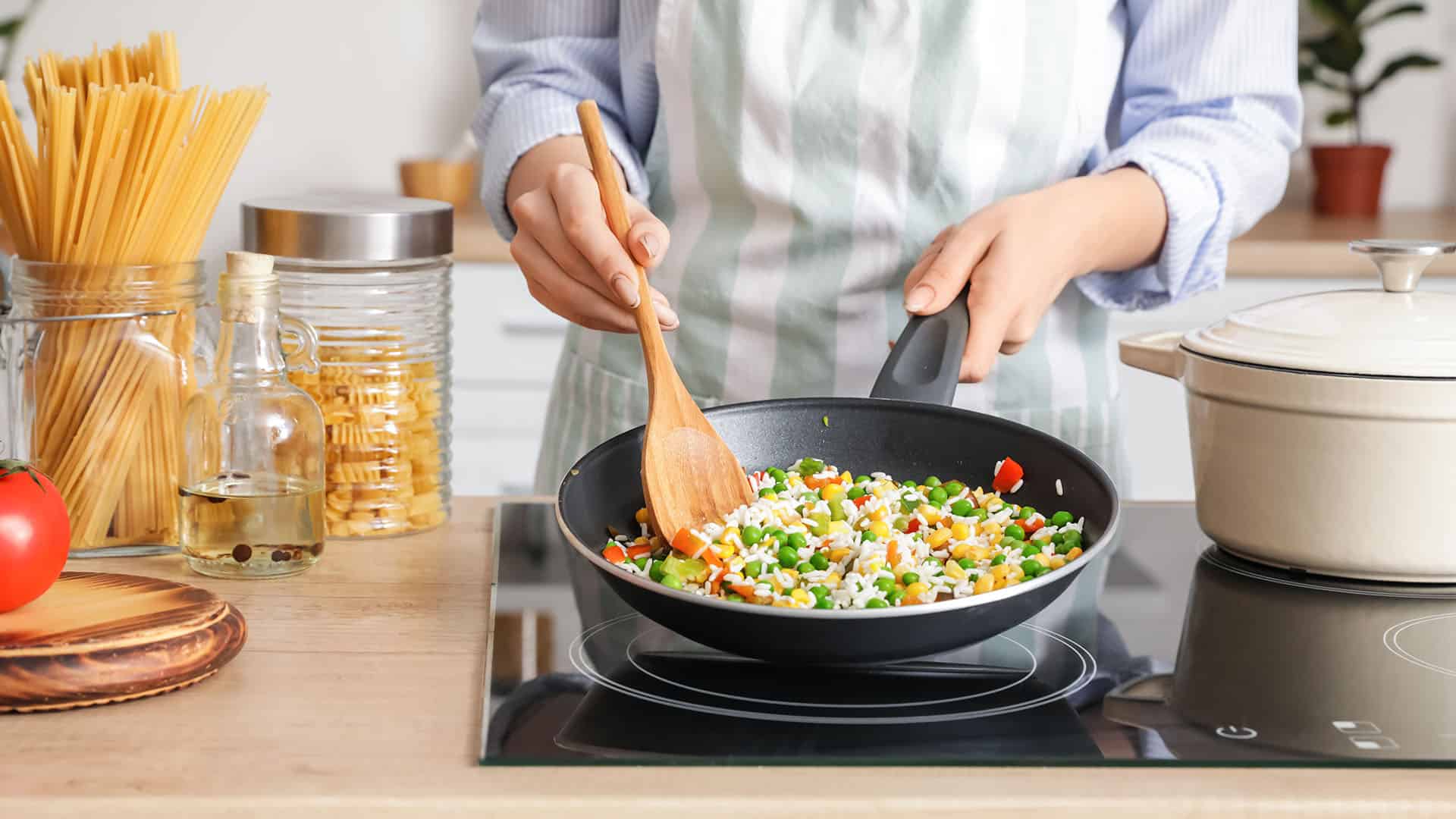
When opening the fridge, look for the item that has been there the longest or is closest to going bad. Then build a meal around it. This doesn’t have to be complicated. It could mean adding spinach to a pasta dish, using up peppers in a stir-fry, or blending fruit into a smoothie.
This mindset keeps food moving. Instead of waiting for the perfect recipe, it encourages using ingredients while they are still at their best.
It also helps reduce overbuying. When you know you are working through what you already have, it becomes easier to shop more intentionally the next time.
Keep simple “backup meals” in mind
There are days when cooking a full meal isn’t realistic. That’s often when fresh ingredients get ignored.
Having a few simple meals that can incorporate a range of ingredients can help. Think of dishes like omelets, soups, or wraps. These meals are flexible and can absorb whatever needs to be used.
For example, an omelet can take in leftover vegetables and small amounts of cheese. A quick pasta can use up greens or leftover protein. A soup can bring together odds and ends that might not have worked as a standalone dish.

Pay attention to portions at the store
Sometimes the issue starts before food even reaches the kitchen. Larger packages can seem like a better value, but only if everything gets used.
Buying smaller quantities of certain items can actually reduce waste. This is especially true for ingredients that spoil quickly or aren’t used often.
It can also help to be realistic about how much you will cook in a given week. Planning for seven home-cooked dinners sounds ideal, but if schedules are unpredictable, that food may not get used in time.
Why this matters
Food waste adds up in ways that aren’t always obvious. It shows up in grocery bills that feel higher than expected and in the small frustration of throwing away something that could have been used.
Using more of what you buy also tends to make cooking feel easier. When ingredients are already prepped or partially used, meals come together faster. There is less guesswork and less pressure to follow a perfect plan.
It also changes how you think about the food in your kitchen. Instead of constantly looking for new recipes or ingredients, the focus shifts to making the most of what’s already there.
Leave a Reply