
Eating healthy often means stocking up on fresh produce, meats, and other perishables, but what happens when good intentions lead to slimy spinach and expired chicken lurking in the back of the fridge? It’s a common frustration that wastes money and derails wellness goals.
Someone online recently vented about this exact issue, sparking a wave of tips and advice from others who’ve mastered minimizing food waste. From meal-prepping tricks to clever storage hacks, these tips show you can eat cheaply, healthily, and waste-free without resorting to endless processed foods.

The story
A Reddit user shared their struggle: "I'm trying to eat better, which means buying more fresh produce like spinach, chicken, etc. The problem is, my good intentions often die in the back of my fridge. Just had to throw out a whole bag of spinach that turned to slime and some chicken that passed its date." They asked for strategies to use up fresh food before it spoils, the items people waste most, and simple tricks to avoid procrastination.
The post resonated, drawing hundreds of comments with relatable stories and clever solutions.
The reactions
One of the top suggestions focused on freezing as a game-changer. A user shared, “Prep your meals, then freeze and reheat where possible.” They recommended using mason jars for storage, noting the freeze line to avoid breakage.
Others echoed this, explaining how his girlfriend batch-cooks every six weeks in a chest freezer: “She makes a lot of different stuff, so she doesn’t get bored... It saves her a lot of money and aggravation, with very little food waste.” Freezing portions of raw meat or cooked meals pauses spoilage, making it easier to eat healthy without daily cooking.
Meal planning

Meal planning emerged as a key strategy to prevent overbuying and forgetting ingredients. One commenter stated, “Make a meal plan/menu for the week with at least a day or two for leftovers and stick with it. Keep a running list of ingredients and their use-by dates to avoid spoilage.” Another added a gradual approach: “Accept that change can happen slowly. Instead of planning the whole week of healthy meals, maybe just one meal... When that’s comfortable, add a second.” Using tools like a magnetized whiteboard on the fridge helps track what’s inside, ensuring nothing gets buried and forgotten.
For those overwhelmed by variety, limiting purchases was a popular hack. A user suggested, “Permission to buy only 1 vegetable per shop. I don’t need more pressure to buy 5 veggies I don’t really like and struggle to cook. Instead, buy 1, and worry only about 1-3 different ways to use it.” This builds habits slowly, without the added worry of waste. Frequent smaller shops on the way home from work keep things fresh without overwhelming the fridge.
Frozen produce got major shoutouts for reducing waste altogether. One person said, “I use frozen produce a lot, especially kale now, and toss it into stews and soups where the texture is less noticeable.” Others recommended roasting frozen veggies like okra, squash, or Brussels sprouts in an air fryer. “California Blend” of broccoli, cauliflower, and carrots was praised for easy sheet-pan meals with sausage and potatoes, minimizing prep and spoilage.
Ingredient prep over meal prep
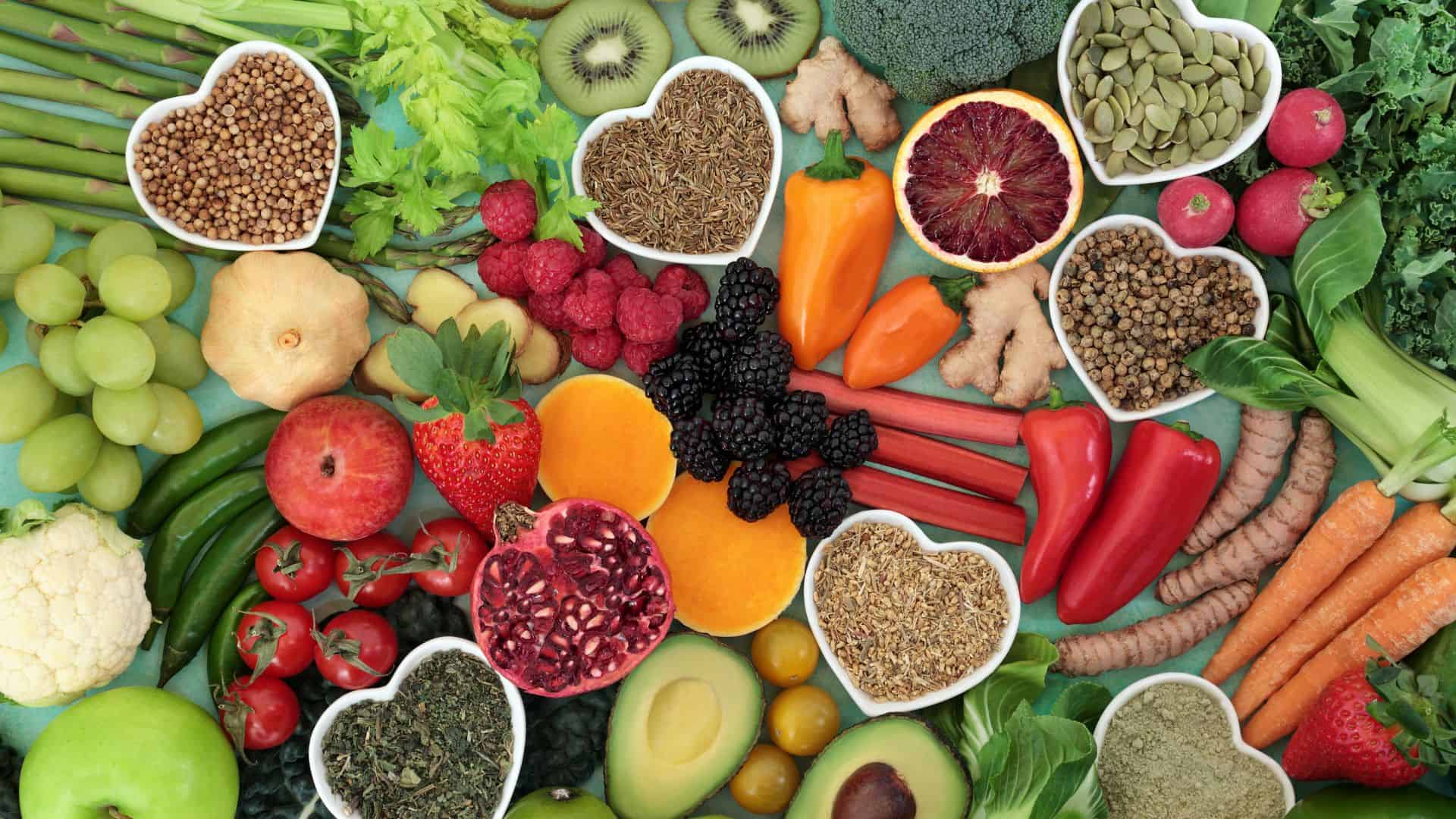
A commenter explained, “Not meal prep, but INGREDIENT prep. When you have stuff all washed, cut, and ready to go, it’s easy to assemble all kinds of meals, salads, wraps for the week.” This lowers barriers to cooking, helping you use items before they go bad. Pair it with a compost system for scraps, turning waste into garden gold.
Creative repurposing kept things exciting and efficient. For wilting greens, one user suggested, “If there is a bag that needs to be used up, I will make eggs with spinach and Parmesan or sauté a little onion in olive oil and then steam the spinach.”
Others turned extras into soups, stews, or smoothies: “As soon as I notice produce getting soft, I throw it in a gallon freezer ziplock bag. One for fruits, one for veggies. The fruits I can blend into a smoothie and the veggies I can blend into a soup or sauce!”
Storage hacks were said to extend shelf life dramatically
Wrapping greens in paper towels and storing them in airtight containers or bags absorbs moisture, keeping spinach crunchy for weeks. One tip: “Put your greens and veg into an airtight container with one or two sheets of paper towel. It really is that simple.” For meats, vacuum sealers or portioning into freezer bags prevent freezer burn and allow buying in bulk on sale.

Mindset shifts help combat the “I’ll cook it tomorrow” trap
A user shared, “Cook it now in bulk and store the rest. It’s easier to justify cooking now for the privilege of being lazy tomorrow.” Others emphasized staying true to who you are: “Be realistic about how much you’re actually going to cook! Plan for specific days, and look at your calendar to see if you have conflicts.” Starting small and building habits gradually avoids burnout.
The takeaway
The biggest thing to remember when it comes to reducing food waste is to be smart about how you stock your fridge. Start small, and you can easily increase your items as you get more comfortable using them in different recipes.
Leave a Reply