
You’ve likely noticed your grocery bill creeping higher with each visit to the store. Prices have surged over the past few years, and it’s becoming harder to get the same amount of food without spending significantly more. In fact, grocery costs have jumped by 25% in the last four years—and the trend isn’t showing signs of slowing down. Current trade policies are contributing to this steady rise, making basic necessities more expensive and putting increased pressure on household budgets. Eating well at home or dining out has become a growing challenge for many families.
Overview of the Tariff War

The U.S. has implemented a series of tariffs on imported goods from Canada, Mexico, and China. Under these policies, a 25% tariff has been placed on imports from Canada and Mexico, while imports from China are subject to tariffs ranging between 10-20%. These tariffs affect everything from produce and meat to alcohol and energy, making grocery shopping more expensive and, in turn, increasing the cost of dining out and traveling.
What Is Being Tariffed?

Many of the foods and products that Americans rely on daily are now subject to increased costs due to tariffs. Fruits, vegetables, meat, dairy, alcohol, and even energy imports are all affected. With so many essentials coming from Canada, Mexico, and China, the cost of living is bound to increase, especially when it comes to food. Whether you are grocery shopping at home or dining at a restaurant, these tariffs are sure to have a noticeable impact on your wallet.
Why Are Tariffs Being Implemented?

The purpose of these tariffs is to protect American industries and reduce reliance on foreign imports. The basic idea is to encourage domestic production and consumption by making imported goods more expensive. However, the unintended consequence is that American consumers and businesses face higher prices for everyday necessities, including groceries, restaurant meals, energy, and other expenses.
What Foods Come From These Countries?

A massive portion of America’s fresh produce comes from Mexico and Canada. About 51% of fresh fruit and 69% of fresh vegetables come from Mexico, while Canada supplies another 20% of fresh vegetables. That means many of your favorite foods are probably going to cost you more. If you were planning to eat fresh this year, you should expect to pay a premium for your vegetables or refreshing smoothies.
The Cost of Avocados
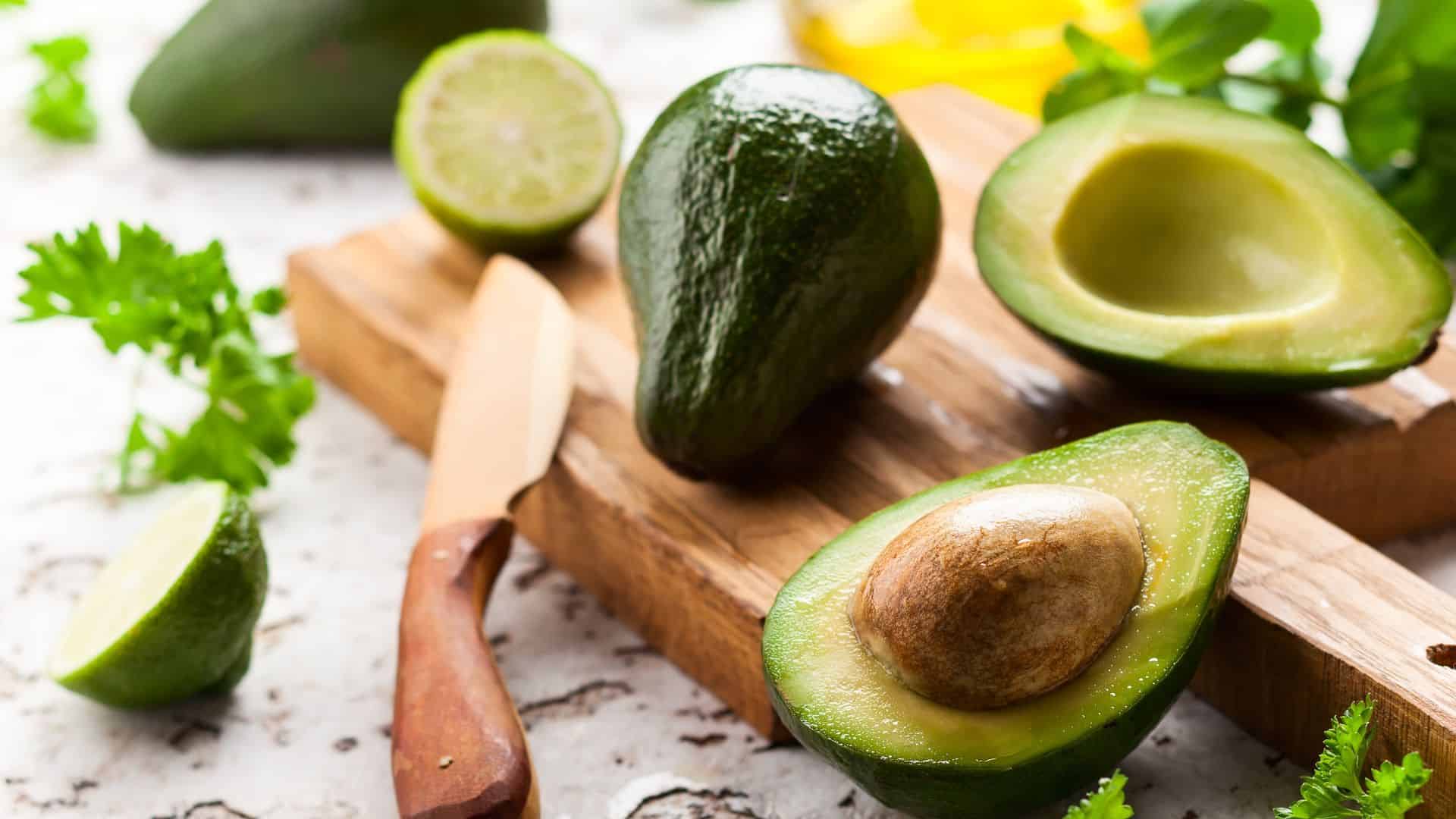
Avocados are a staple in many American households and a definite must-have for guacamole lovers. In 2023, the U.S. imported $2.7 billion worth of avocados from Mexico, making it the top destination for Mexican avocado exports. With tariffs in place, avocado prices are expected to rise significantly. If you were planning to enjoy a guacamole-covered taco anytime soon, be prepared to pay more—if avocados are even available. New tariffs are not only driving up prices but also making popular items like avocados harder to find on store shelves.
Tomatoes: A Hidden Cost Increase

Tomatoes are another major import from Mexico, with $2.7 billion worth coming into the U.S. in 2023. That means everything from fresh tomatoes on your burger to the salsa for your chips is about to get pricier. Tomato-based favorites like pasta, pizza, and sauces could soon cost more. With rising tariffs, everyday staples that rely on tomatoes are becoming more expensive to prepare and enjoy.
Beef and Veal: The Price of a Burger
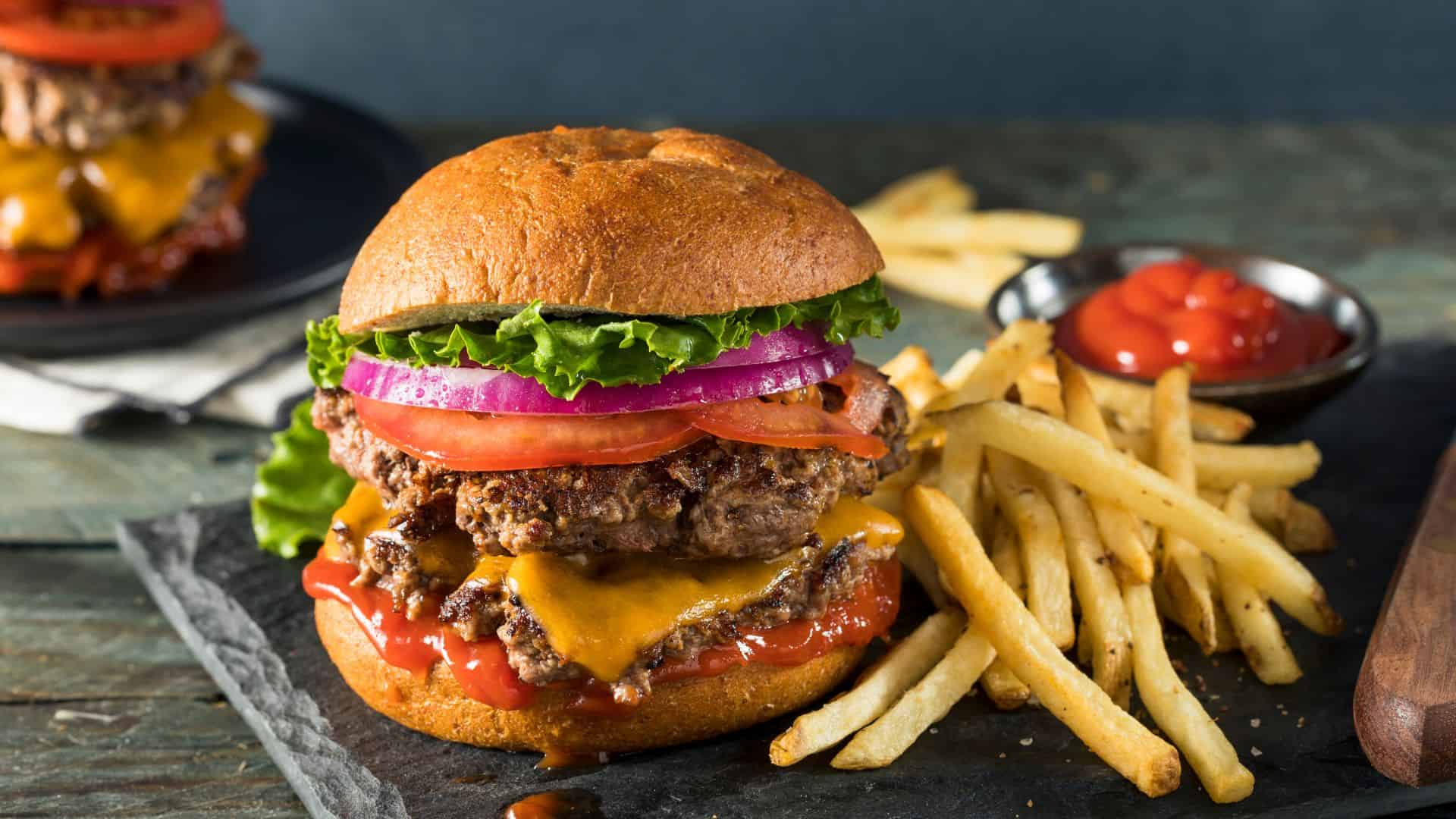
Have you been dreaming about a big, juicy burger or steak for your next meal? Well, that dream is going to cost you. The U.S. imported $4.2 billion worth of red meat from Canada in 2023, making it a major supplier of beef and veal. With tariffs in place, the price of beef is expected to increase, meaning higher restaurant prices and more expensive grocery store purchases. Whether you’re grilling at home or ordering a steak at a fancy restaurant, you’ll feel the price hike.
Alcohol Prices to Rise

Beer and tequila, which accounted for 13% and 10% of U.S. agricultural imports from Mexico in 2023, are now subject to new tariffs. As a result, the price of popular beverages like margaritas and Mexican beers is expected to rise. These increases won’t just affect restaurants and bars—consumers will likely see higher prices at grocery and liquor stores as well. For many households, even casual drinks may become noticeably more expensive. The impact of these tariffs is being felt across everyday spending habits.
Restaurant Bills Will Go Up

Dining out across the board is going to be more expensive. This holds true for fancy restaurants and fast-food drive-throughs. When restaurant owners have to pay more for ingredients, they pass those costs on to consumers. Fresh vegetables, meats, dairy, and even cooking oils are all affected by tariffs, making everything from your burger and fries to high-end steak dinners more costly. Fast food chains that rely on affordable ingredients will have to adjust their prices, and even dollar-menu items could see an increase.
Grocery Shopping
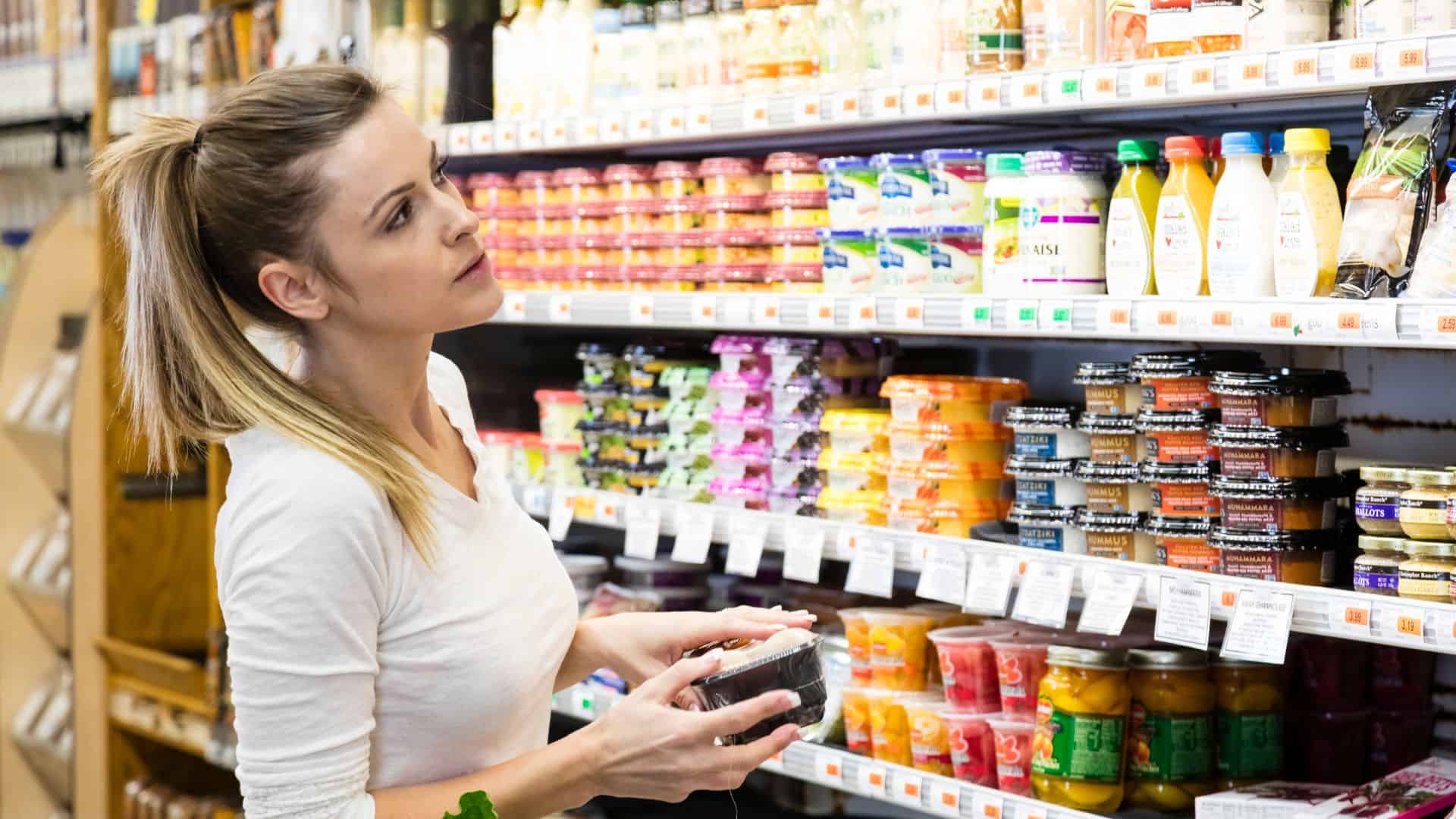
If you’re the type to pick up groceries regularly rather than eating out for every meal, get ready for serious sticker shock. Grocery stores, especially in busy areas, already tend to mark up prices, and tariffs will only make things worse. If you plan to cook some of your meals, you’ll find that basic staples like eggs, dairy, fresh produce, and meat have all gone up in price.
Other Rising Costs to Consider

It’s not just food and drinks that are getting more expensive; energy costs could also see a rise. Oil, natural gas, and electricity imported from Canada are now subject to a 10% tariff. While this is lower than the 25% rate imposed on other goods, it could still lead to noticeable price hikes fairly quickly. Rising energy costs affect airlines, hotels, and transportation, all of which could lead to a more expensive vacation overall.
How About Your Vacation? Think Twice

With rising food, drink, and energy costs, vacations will be significantly pricier. Hotels and resorts will have to adjust pricing to cover the increased costs of food and operational expenses. Flights could become more expensive due to higher fuel prices, and dining out will put a bigger dent in your budget. Before you book that getaway, consider how these tariffs will affect your overall travel expenses.
This article was inspired by Forbes and was first published at Spatula Desserts.
Leave a Reply