
Winter cooking has a way of turning the kitchen into a cozy little comfort zone. There are heavy soups simmering on the stove, casseroles bubbling in the oven, and enough baking projects to keep the house warm for hours. But once spring starts showing up, even the kitchen starts to feel different. Suddenly, rich comfort food sounds a little too heavy, and opening the windows while cooking feels better than standing over a pot all afternoon.
How I start the seasonal kitchen reset
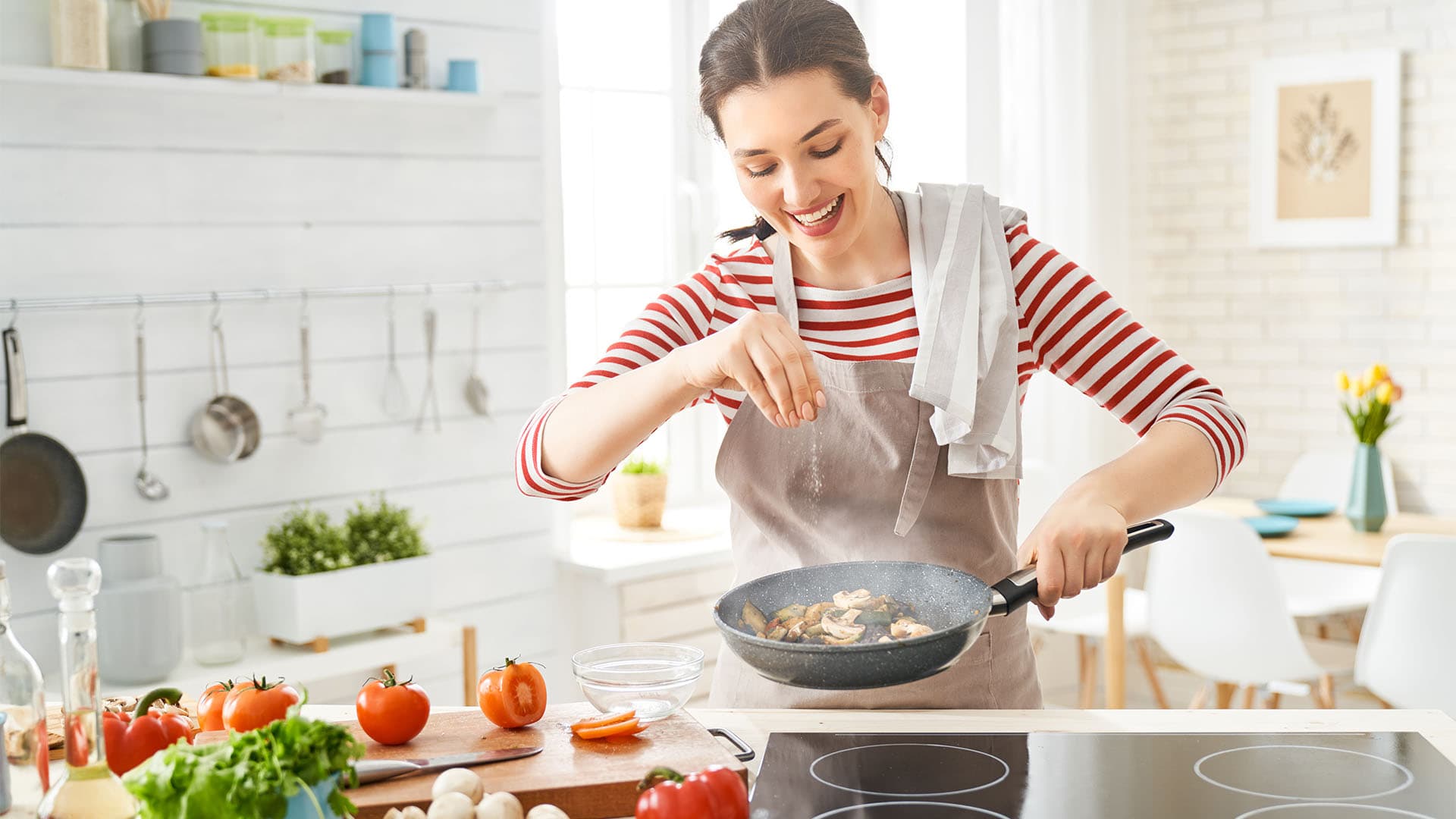
The first thing I usually do when spring arrives is give the kitchen a light reset. Not a deep-clean-the-entire-house type of project, but enough to make the space feel fresh again after months of winter cooking.
Winter tends to leave kitchens feeling crowded. There are extra baking supplies and pantry shelves packed with soup ingredients, canned goods, and holiday leftovers that somehow never disappeared. Spring is when I finally go through everything.
I start by clearing out expired pantry items and reorganizing shelves so everyday ingredients are easier to reach. I also switch around what stays on the counters. The slow cooker and giant Dutch oven stop being the stars of the kitchen, while cutting boards and smaller sauté pans become more useful again.
This is also when I completely clean out the refrigerator. Spring produce tends to take up more space. It sounds simple, but even wiping down shelves and reorganizing condiments somehow makes cooking feel easier again.
Swapping heavy comfort foods for lighter meals
One of the biggest shifts between winter and spring cooking is the type of meals that sound appealing.
During winter, I naturally lean toward creamy pastas and slow-cooked meals that feel warm and filling. By spring, I want meals that feel fresher and less heavy without becoming boring.
That doesn’t mean giving up comfort food entirely. It just means adjusting it a little. Instead of thick cream sauces, I start to use more lemon, fresh herbs, olive oil, and lighter broths. Pasta dishes become more vegetable-focused. Roasted vegetables start to replace heavier side dishes like mashed potatoes.
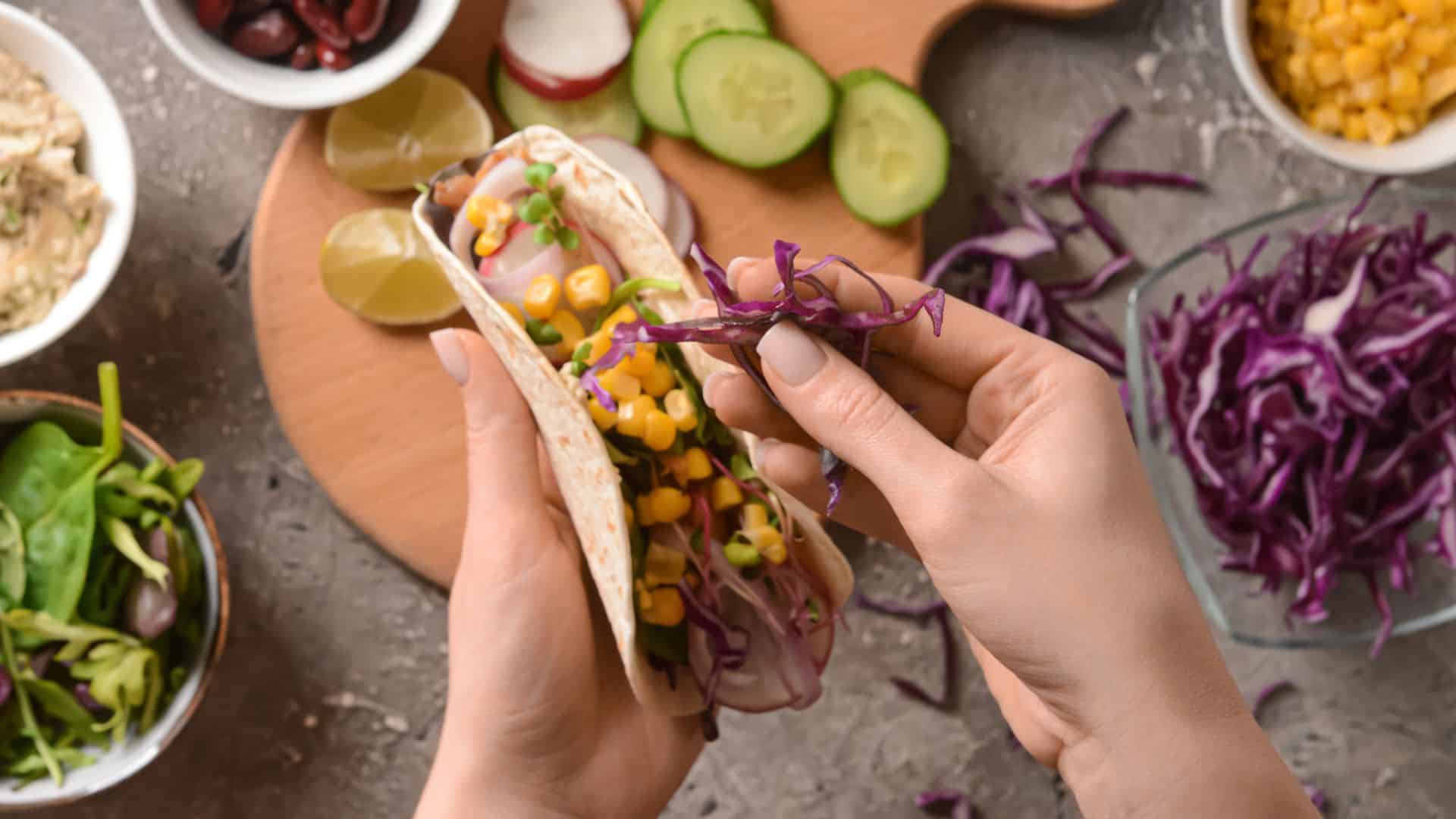
Even tacos and simple sheet-pan dinners are making more appearances because they feel easier and fresher this time of year.
Spring cooking also tends to involve fewer long cooking times. After months of comfort food season, there’s something refreshing about meals that come together quickly and don’t heat up the entire kitchen for hours.
Seasonal ingredients completely change the kitchen
The arrival of spring produce is probably the biggest reason my cooking habits change so much this time of year.
Once spring hits, grocery stores and farmers' markets start filling up with ingredients that instantly make meals feel brighter.
Asparagus, strawberries, peas, radishes, fresh herbs, spinach, arugula, and spring onions all start showing up everywhere. Even adding a handful of fresh herbs to a simple meal suddenly makes it taste like spring.
I also start keeping lemons and limes around constantly this time of year. Citrus works in everything from marinades to salad dressings to quick pasta sauces, and it helps wake up flavors that can feel a little heavy after winter.
One thing I’ve learned over the years is that spring cooking doesn’t have to be complicated to feel seasonal. Sometimes it’s as simple as adding fresh herbs to roasted chicken or tossing seasonal vegetables into meals you already make regularly.
Farmers markets change the way I meal plan
Spring is when I start visiting farmers' markets again, and honestly, it changes the way I shop and cook.
Winter grocery shopping feels very list-based and practical. Spring farmers market shopping feels more flexible and inspiring. Instead of planning every meal in advance, I often buy whatever looks fresh and figure out meals afterward.
That shift alone helps cooking feel less repetitive.
Fresh local produce also tends to last longer and taste better, which makes simple meals easier to pull off. A fresh tomato and herbs can turn into dinner without much effort.
Farmers' markets also tend to naturally inspire more seasonal eating. You stop forcing yourself to cook winter meals because the ingredients around you start changing. It becomes easier to build meals around what’s actually in season.
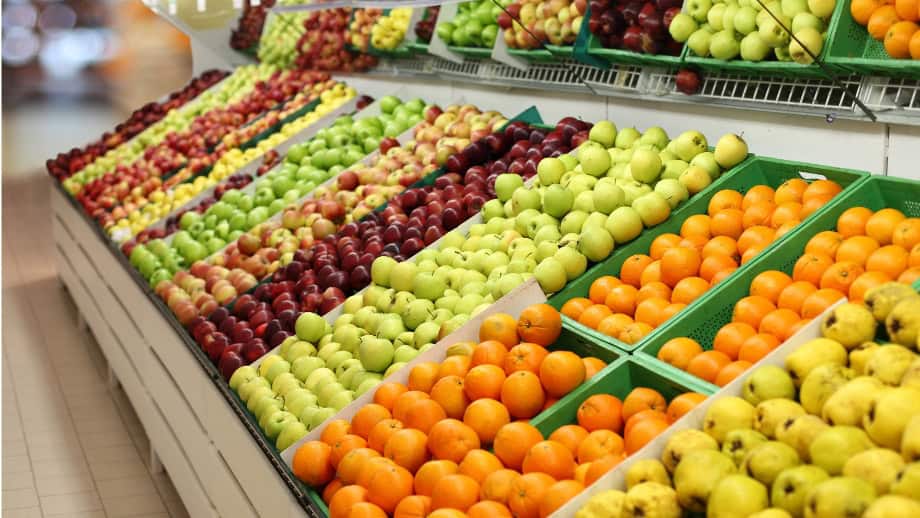
Even if someone doesn’t shop at farmers' markets regularly, spring is still a good time to pay closer attention to seasonal produce sections at grocery stores. Ingredients are usually fresher and easier to work into simple meals.
Cooking moves outside more often
One of the biggest changes in my kitchen during spring is that some of my cooking moves outside.
After being indoors all winter, grilling suddenly sounds appealing again. Even simple meals feel different when they’re cooked outside. Vegetables and even pizza somehow taste more exciting once grilling season starts.
Outdoor cooking also changes the atmosphere around meals. Dinner stops feeling rushed and starts feeling more social. People linger outside longer, conversations last longer, and meals become more relaxed overall.
Spring is also when I start prepping simpler, outdoor-friendly foods. Pasta salads and picnic-style meals are more common because they work well for eating outdoors.
Even weeknight dinners feel less stressful when meals can move outdoors again.
Spring hosting feels easier and less formal
Winter hosting often feels heavier and more structured. There are formal holiday meals and lots of indoor entertaining.
Spring hosting feels more casual in the best possible way.
Instead of spending all day cooking complicated meals, spring gatherings often revolve around simpler foods and outdoor spaces. A few appetizers and desserts suddenly feel like enough.
I also notice that people seem more willing to gather casually once the weather improves. Last-minute patio dinners and backyard hangouts happen more often because nobody feels stuck indoors anymore.

One thing that helps during the spring hosting season is simplifying the menu. Fresh seasonal ingredients do a lot of the work on their own, so meals don’t need as many heavy sauces or complicated sides to feel complete.
Even setting up simple outdoor dining areas with string lights, plants, or fresh flowers can make meals feel special without requiring much effort.
Leave a Reply