
Standing in front of the refrigerator, many people ask the same question: is this still safe to eat? Best-before dates and expiration dates are often get confused, but the risks of pushing them too far can be serious. Expired foods don’t just lose flavor and texture; they can harbor bacteria, toxins, and mold that lead to foodborne illness.
But not everyone takes the warning signs seriously. Some people admit to stretching expiration dates, and the practice has even sparked debate online. Food safety experts say that approach can be risky, especially with perishable items like meat, fish, and dairy.
How to Tell if Food Is Expired
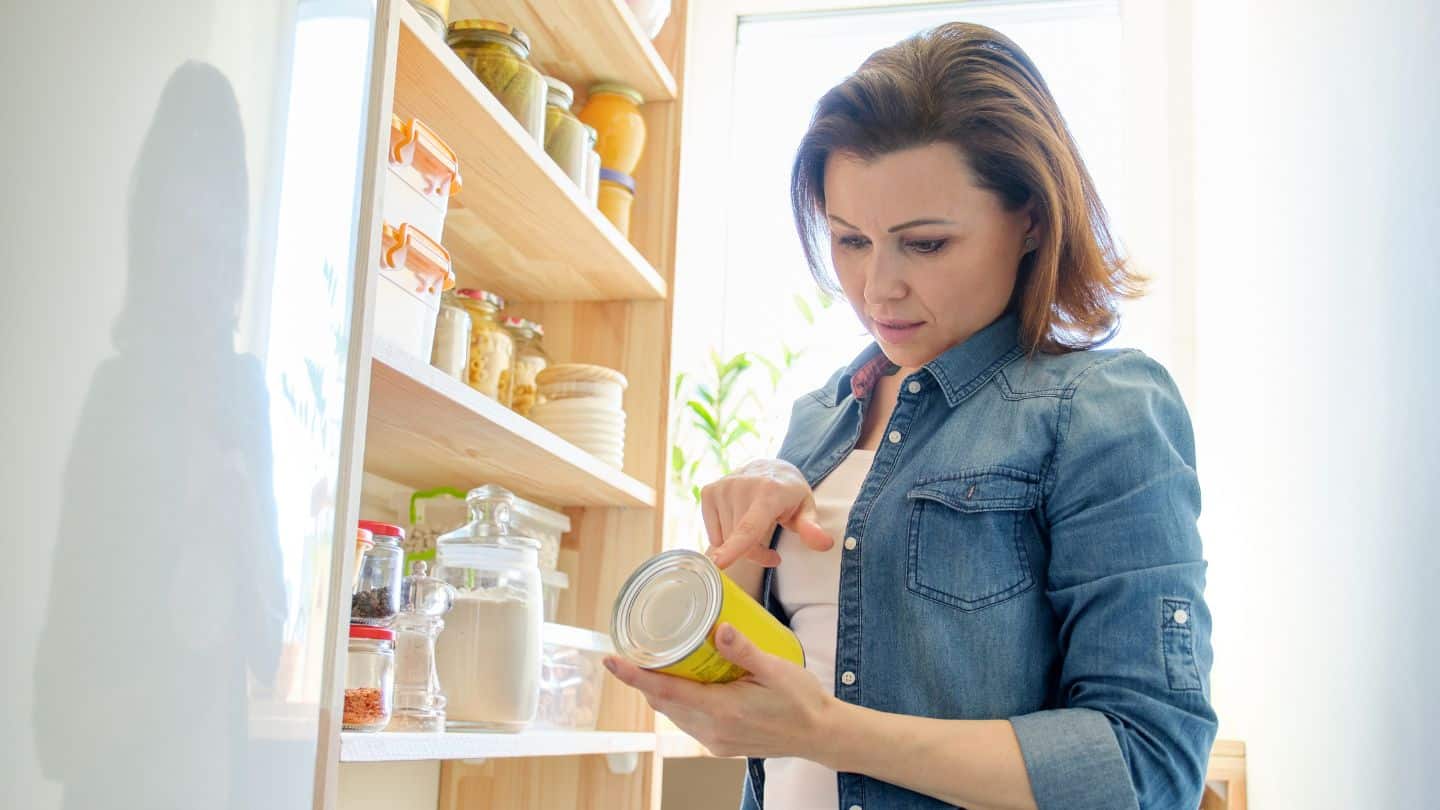
Date labels often create confusion, and it is worth noting that most are not strict safety deadlines.
Examples of commonly used phrases:
A "Freeze-By" date indicates when a product should be frozen to maintain peak quality.
A "Best if Used By/Before" date indicates when a product will be of best flavor or quality.
A "Sell-By" date tells the store how long to display the product for sale for inventory management.
A "Use-By" date is the last date recommended for the use of the product while at peak quality.
As you can see, most labels focus on quality rather than health risks. None of these are safety dates, as, except for infant formula, product dating is not required by federal regulations.
Food can sometimes be safe beyond these dates if it has been stored properly, though flavor and texture may decline. In practice, your senses are the best guide.
Milk
Milk is one of the easiest foods to check for spoilage. If it smells sour, appears lumpy, or has a yellowish tinge, it should be discarded immediately. A small taste is also a reliable indicator. Spoiled milk will be tangy and unpleasant.
Bread
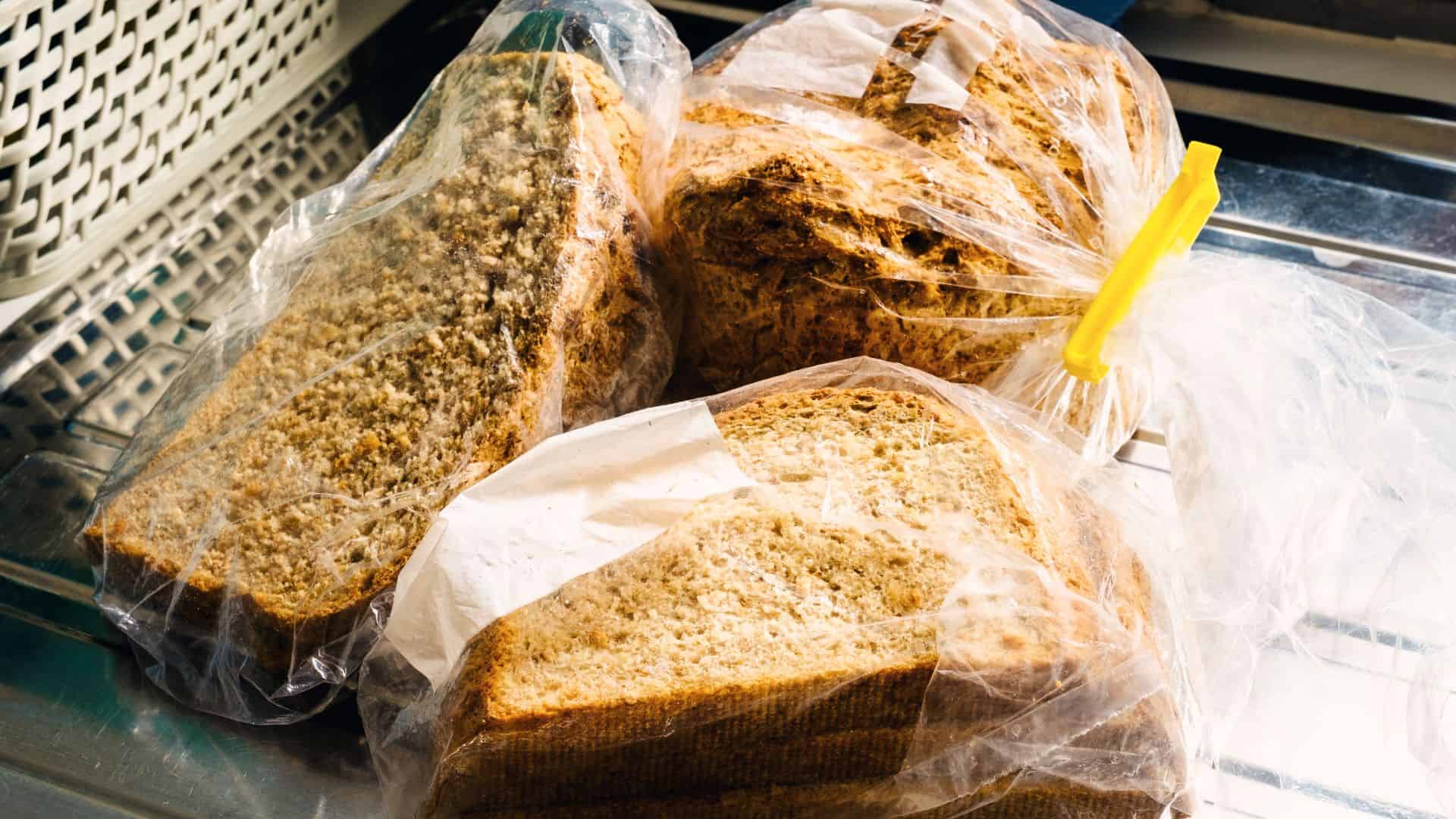
Bread often becomes stale before it becomes unsafe. Stale bread can still be eaten, but any sign of mold, such as white, green, or black spots, means it should be thrown out. Mold can spread beyond what is visible, so cutting away small spots is not safe.
Eggs
Eggs can be tested with the water method. Place an egg in a bowl of cold water: if it sinks to the bottom, it is fresh. If it floats, gases inside the shell indicate it has gone bad. This method gives a quick way to judge freshness without cracking the egg open.
Meat
To tell if meat is safe to eat, start by checking its smell. Fresh meat should have a clean, mild scent, while sour or ammonia-like odors are warning signs. Look at the color and texture as well: meat that has turned gray, green, or slimy is no longer safe. If you’re uncertain, it’s better to discard it than risk foodborne illness.
Not All Expired Food Needs to Go Straight Into the Trash
Dry goods such as pasta, rice, oats, and flour often last months beyond their “best by” date if stored in airtight containers. Canned goods may also remain safe well after the printed date, provided the can is intact.
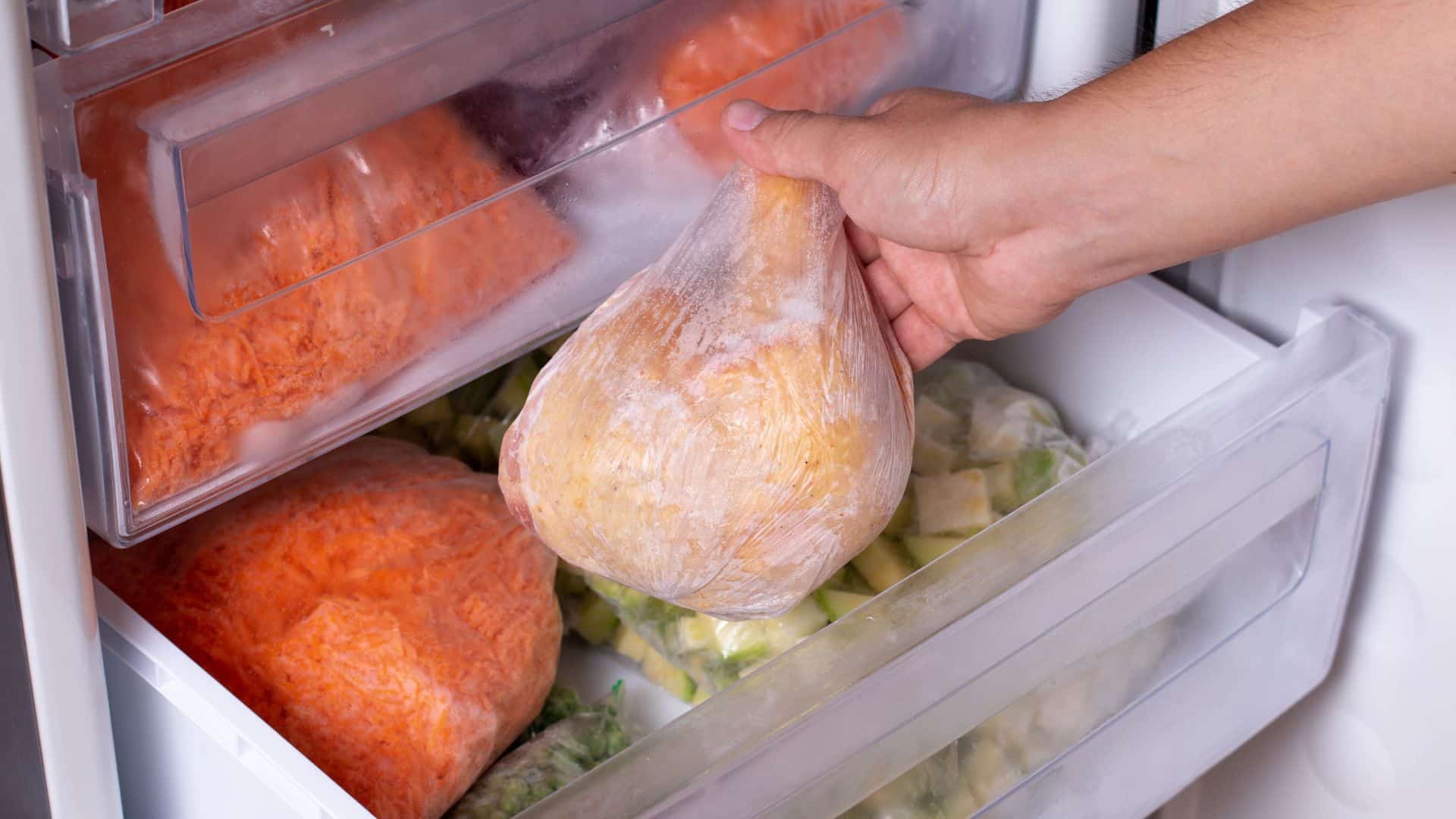
Frozen food that has been kept at a steady temperature of 0°F (-18°C) is generally safe for a long period, though quality can decline over time. It is advised to check the quality after properly defrosting because although freezing is the best way to keep food for longer, it is not indefinite.
Shelf-stable condiments such as ketchup, mustard, and soy sauce usually outlast their printed dates, though flavor may weaken.
For donations, many items can still be accepted past a “Best if Used By” date if they remain wholesome, though perishable foods with a strict “Use By” label are usually excluded.
Why Some Ingredients Are More Dangerous Than Others
Not all expired foods present the same level of danger. High-protein, high-moisture items like meat, fish, dairy, and eggs create conditions where bacteria thrive, and even minor issues in storage can make these products unsafe. Cooking may kill some bacteria, but toxins produced by spoilage organisms often remain.
Dry goods such as pasta, rice, and flour are less likely to make people sick once they have expired. These foods may taste stale or lose nutritional value, but they rarely cause foodborne illness if stored properly. Fresh produce falls somewhere in the middle. While a bruised apple or wilted lettuce is not usually dangerous, mold on fruits or vegetables can spread toxins beyond the visible surface.
How to Prevent Food From Going Out of Date
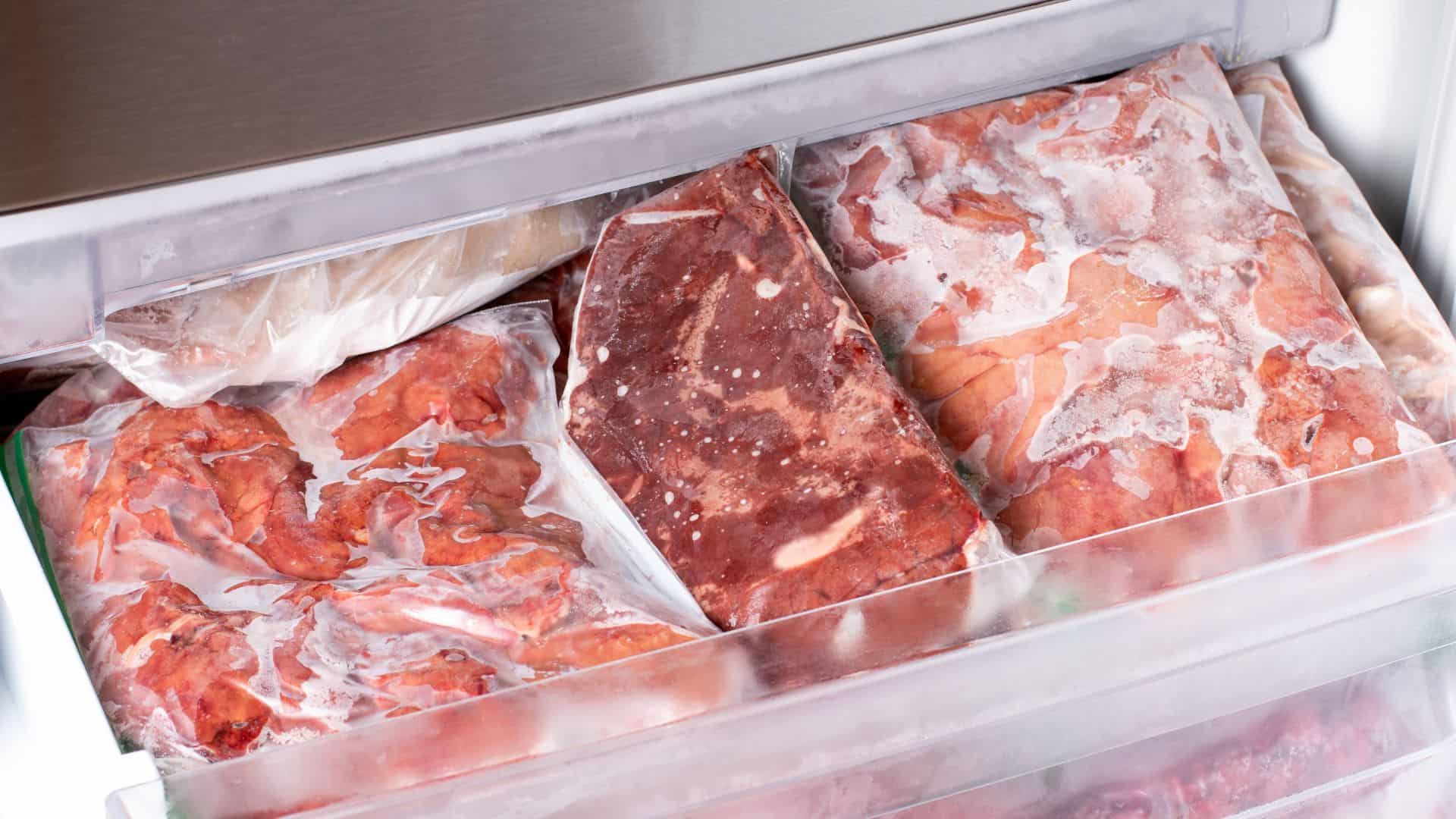
Planning is the easiest way to cut waste. Meal prepping with items that are closest to expiration ensures they are used while still fresh. Freezing meat, bread, or produce before they spoil extends their life and saves money in the long run.
Rotating pantry items also helps. Place newer purchases at the back and move older ones forward so they get used first. If fresh fruits or vegetables do go bad, composting them instead of throwing them away is a safe and eco-friendly alternative.
What to Do With Expired Foods
Experts agree on one rule: never taste expired food to check its safety. If there is doubt, it is best to throw it out. For perishable foods like meat, fish, and dairy, disposal should be done carefully by sealing items in a bag to avoid contaminating other trash.
Some expired items, such as fruits, vegetables, and bread, can be composted instead of thrown away. While throwing away food may feel wasteful, foodborne illness carries far greater costs.
Leave a Reply