
Thanksgiving brings people together around a table full of food, but not everyone loves the same things. Some guests skip the turkey while others turn up their noses to the green beans. The goal this year is simple: make sure every person finds something to eat without turning the day into a battle.
A standard Thanksgiving menu looks familiar to most. Roasted turkey sits at the center, with mashed potatoes and gravy as sides. Stuffing, cranberry sauce, sweet potatoes, green bean casserole, and pumpkin pie fill out the list, with the rolls and a salad being simple fillers. For most, these foods feel traditional and classic, but for picky eaters, they can be a problem.
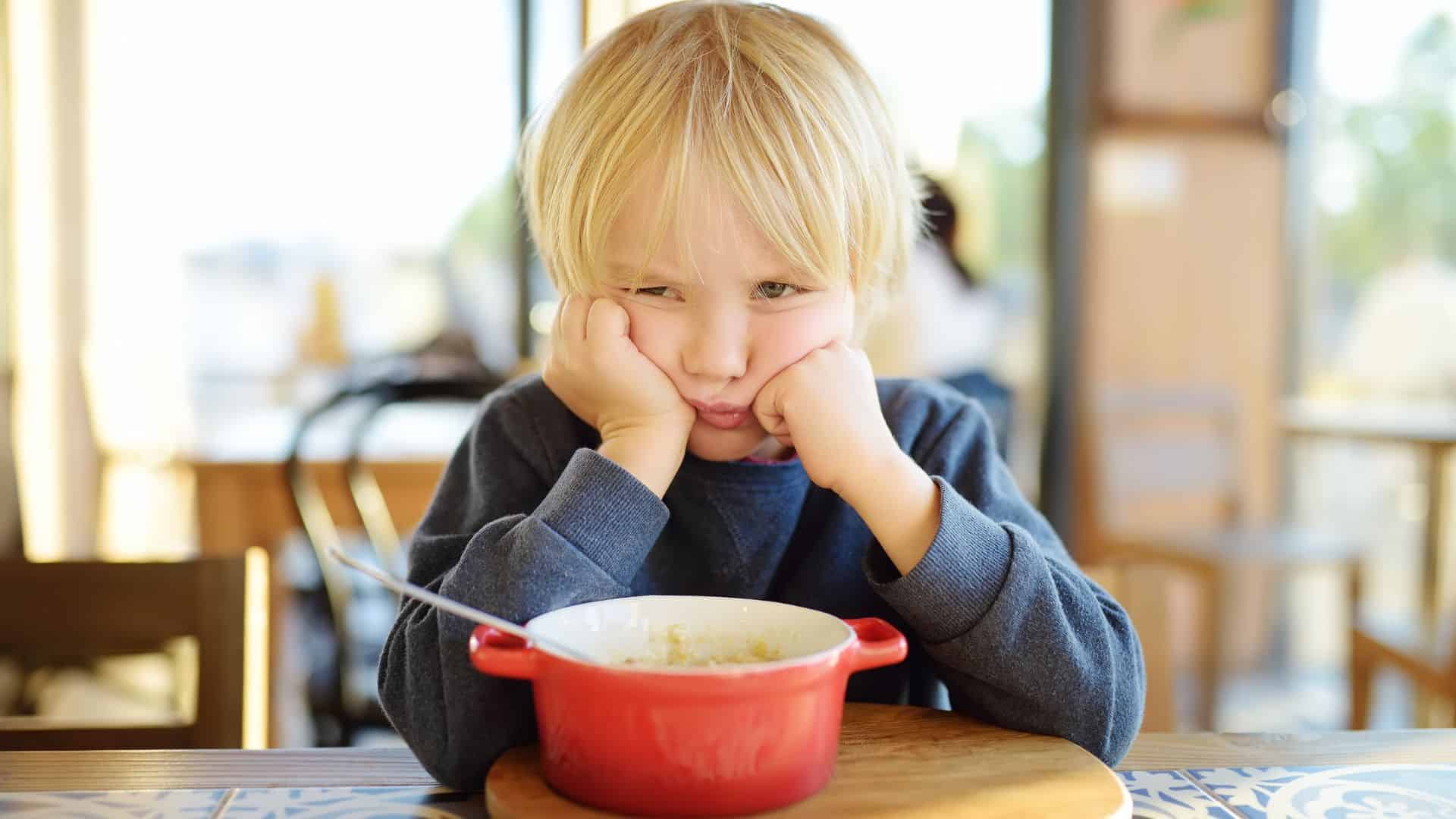
The issue
Plain and simple, everyone's taste buds and cravings are different. To some, turkey can seem dry or bland. Stuffing with onions or celery turns off texture-sensitive palates, and for many, raspberry sauce tastes too tart. Green bean casserole mixes flavors and textures that can clash, and even pumpkin pie divides people who dislike spices or squash.
Tips for dealing with picky eaters
The best way to prepare for picky eaters is to ask guests ahead of time what they can and can't eat. Send a quick message a week before asking, “Any foods to avoid?” Keep their answers handy when you're planning the menu and shopping.
You don't have to make everything that they mention. Just a few pivots and options are all that it takes to give them foods to enjoy.
Remember that it's no big deal if someone refuses a dish. Pressure and guilt make eating tense, and the last thing that you want is drama at the holiday table.
Focus on the people, not perfect plates. Do your best, and then embrace the day as it is.
The plan
The fix for picky eaters starts with small changes. It's possible to keep the classic dishes on the menu while adding options that appeal to a bigger audience. Swapping items that cause the most complaints might take a bit more effort, but if you plan, you can overcome.
Guests with Dietary Restrictions
Health needs or choices typically shape what and how people eat. Vegetarians skip meat, and vegans avoid all animal products. Gluten-free eaters watch wheat, while lactose-intolerant guests steer clear of dairy. Those with nut allergies have to avoid many recipes, although nuts can be easily avoided on Thanksgiving dinner (by skipping the pecan pie).
A simple pivot and way to overcome the most common dietary issue is to offer a main dish beyond turkey. Roast a whole cauliflower seasoned with herbs and olive oil to feed vegetarians and vegans. For gluten-free guests, make stuffing with gluten-free bread or rice, and use gluten-free flour in gravy.
Dairy shows up in a lot of Thanksgiving recipes, but you can use substitutes for a lot of them. Make mashed potatoes with chicken broth instead of milk, and skip the cheese in the green bean casserole. Serve a fruit crisp for dessert with an oat topping instead of a pie crust.
Be sure that you label dishes clearly. Using small placecards that say “vegan” or “gluten-free" is an easy way to make guests feel heard and safe, grabbing what works for them.
Controversial classics and better swaps
Many Thanksgiving foods spark debate and division. Brussels sprouts often get hated. Jellied cranberry sauce from a can wiggles too much, and marshmallow-topped sweet potatoes can taste too sweet.
You can replace Brussels sprouts with roasted carrots. Cut them small, toss with oil and salt, and roast until edges brown. The natural sweetness wins over most people, and it keeps a healthier dish on the table. Make fresh cranberry relish with oranges and a touch of sugar. It tastes fantastic and skips the jiggle.

For sweet potatoes, bake them plain and serve with butter and cinnamon on the side. That way, people can choose their own toppings. Just skip the marshmallow topping altogether.
Cornbread is a great alternative to dinner rolls. It stays moist, offers a subtle sweetness, and pairs well with most classic Thanksgiving flavors.
Kid-friendly choices
Children tend to like and eat plain foods. They like familiar shapes and mild flavors, and many kids are all about consistency. Turkey slices can work if cut small and served with ketchup or a dipping sauce. Mashed potatoes without the skins and lots of butter are typically kid-friendly. Add a bowl of buttered noodles or plain rice as a safe base. You can never go wrong with having cheesy mac and cheese.
Set out carrot sticks, apple slices, and grapes as a starter and snack before the main meal. This helps the kids fill up on healthy bites without fuss.
For dessert, make something simple and universally loved alongside the pie such as a New York cheesecake.
Sample adjusted menu
Here are a few alternatives for picky eaters.
- Roasted turkey (plain slices on the side)
- Herb-roasted cauliflower steak
- Mashed potatoes with butter and a dairy-free option
- Cornbread stuffing (gluten-free version separate)
- Fresh cranberry-orange relish
- Roasted carrots and broccoli
- Buttered noodles
- Green salad with vinaigrette
- Pumpkin pie and apple crisp
- Cheesecake
This keeps tradition alive while opening new doors. It's also an easy way to make sure that everyone there has something to eat.
Thanksgiving works best when no one leaves hungry or stressed. Plan with care and offer choices. Let go of the idea that every plate must match and that new recipes throw off the classic feel. The day belongs to connection, not perfection.
Leave a Reply