
Lately, reheated rice has become a hot topic online, sparking fears about food poisoning and dangerous bacteria. Many people are now second-guessing whether it’s safe to enjoy leftover rice at all. While the risks are real, they’re often misunderstood or exaggerated. The key is knowing how to handle and store rice properly. Here’s what you really need to know before you reheat your next bowl.
Note: The content is not medical advice.
Understanding Bacillus Cereus
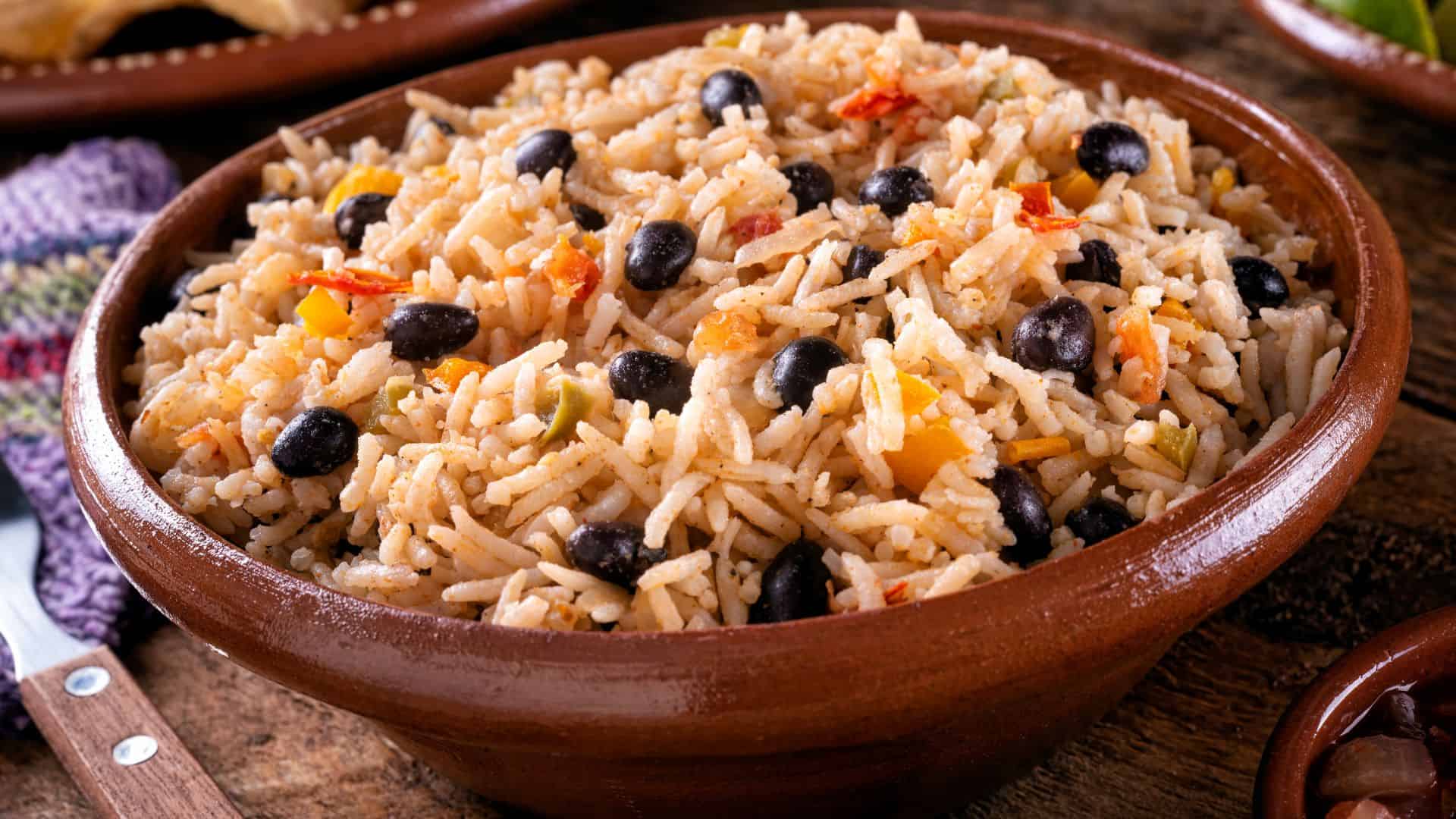
One huge concern with reheated rice is the presence of Bacillus cereus, a bacterium that can cause food poisoning. It can survive cooking and, if rice is at room temperature for too long, can produce toxins. Knowing this risk highlights the importance of proper storage and reheating practices.
Cool Rice Quickly
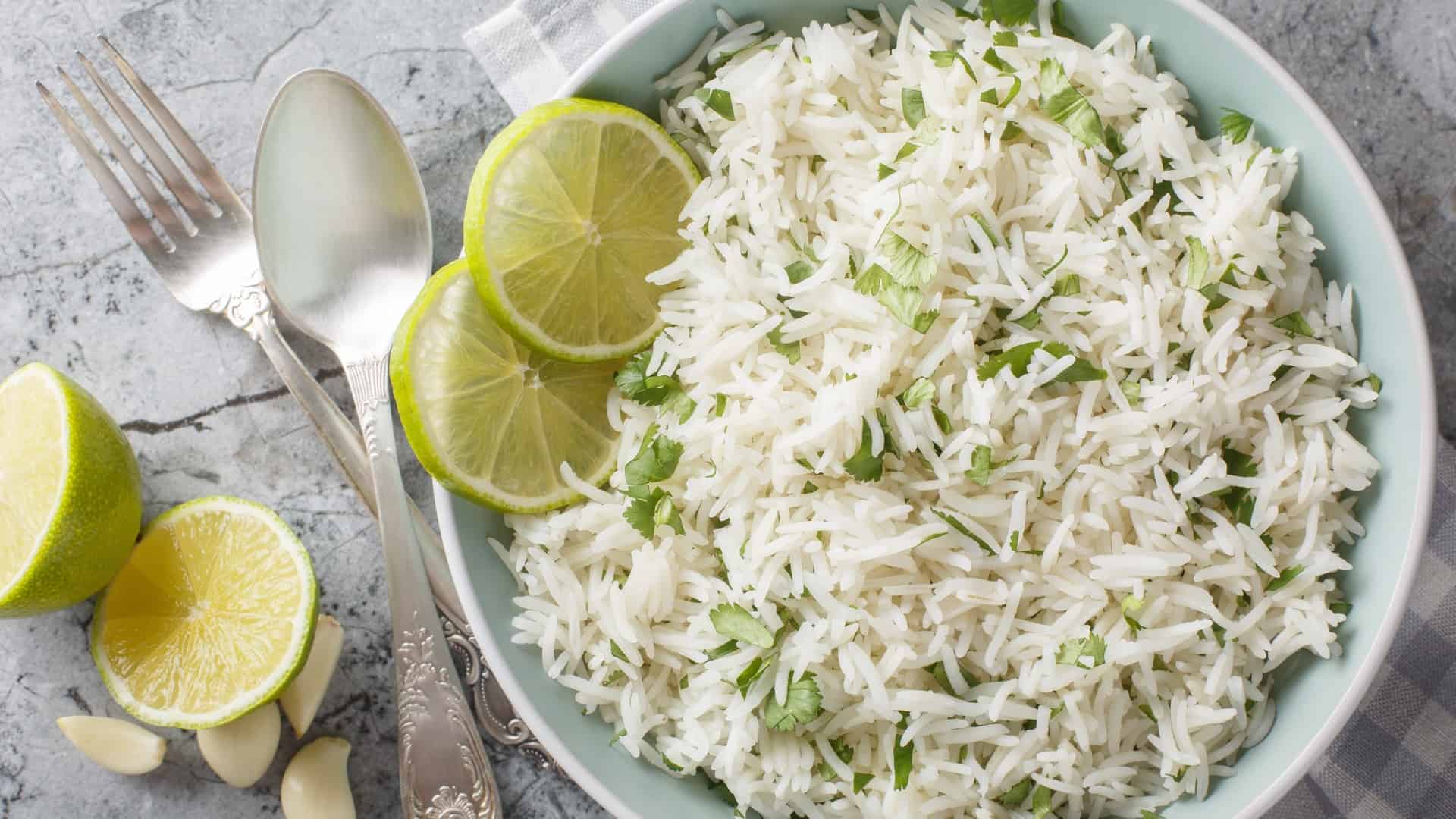
After cooking rice, it’s essential to cool the leftovers quickly to minimize the risk of bacterial growth. Leaving them out can give the bacterium a chance to grow successfully. Use shallow containers to help them cool down faster before refrigerating them.
Properly Store Your Rice
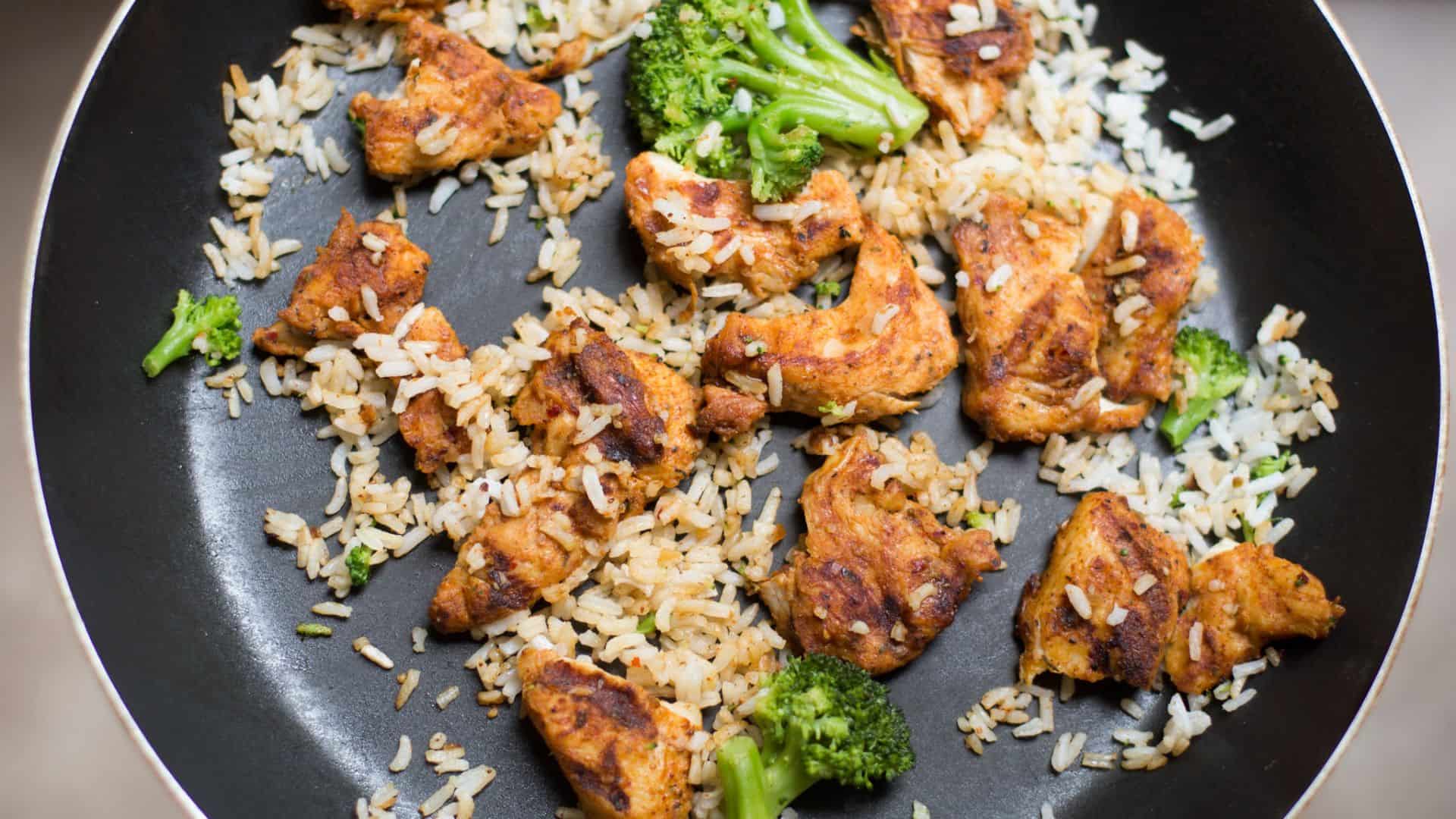
Once cooled, transfer the rice to airtight containers and store it in your refrigerator. Keeping your rice at a consistent, cool temperature makes it safer to reheat and consume later and helps you to reduce any potential risk.
Follow The Two-Hour Rule
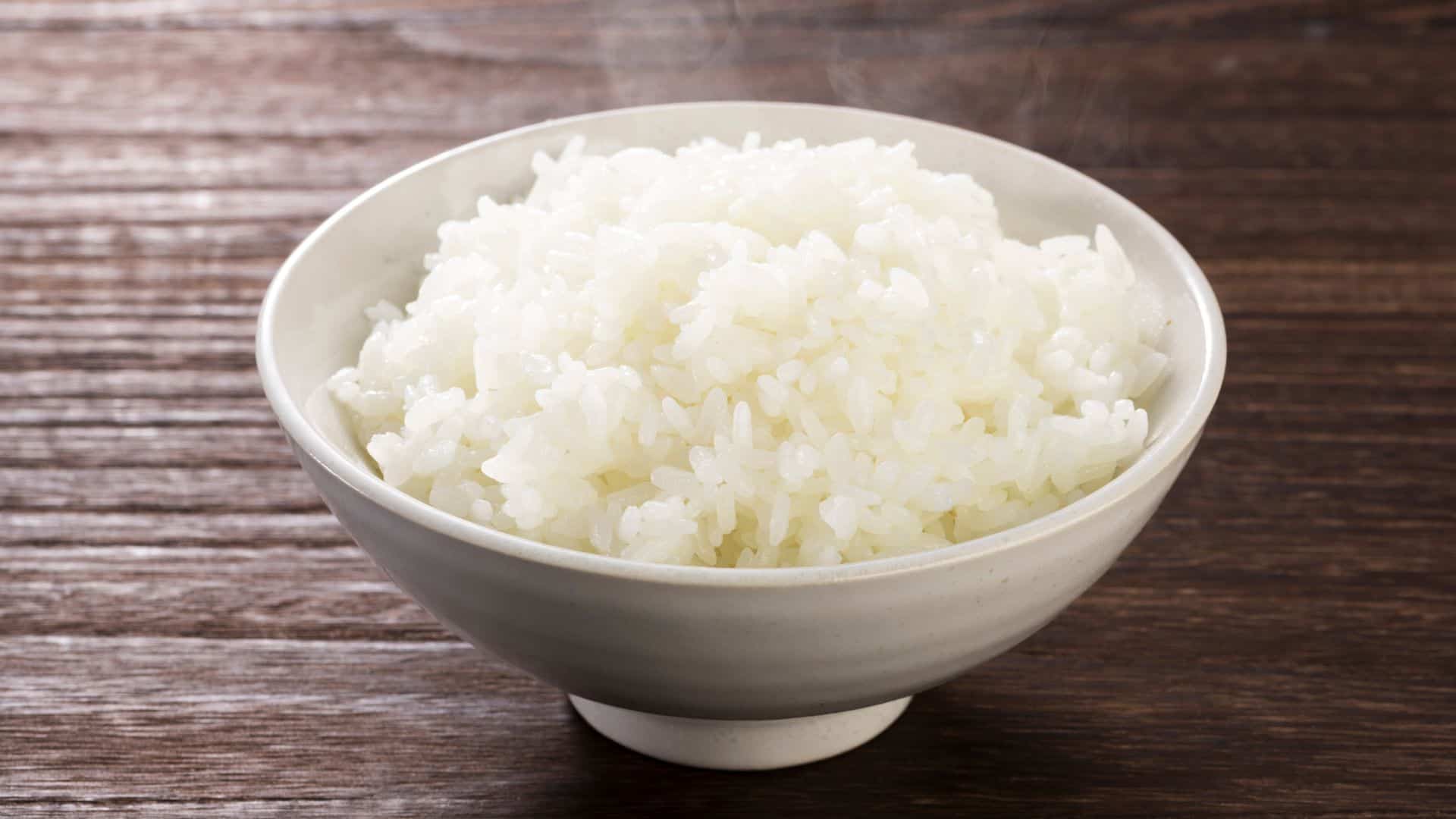
A general rule for food safety is the two-hour rule: don’t leave cooked rice out at room temperature for more than two hours. Adhering to this rule ensures that your rice remains safe to eat when you’re ready to reheat it.
Reheat Rice Thoroughly
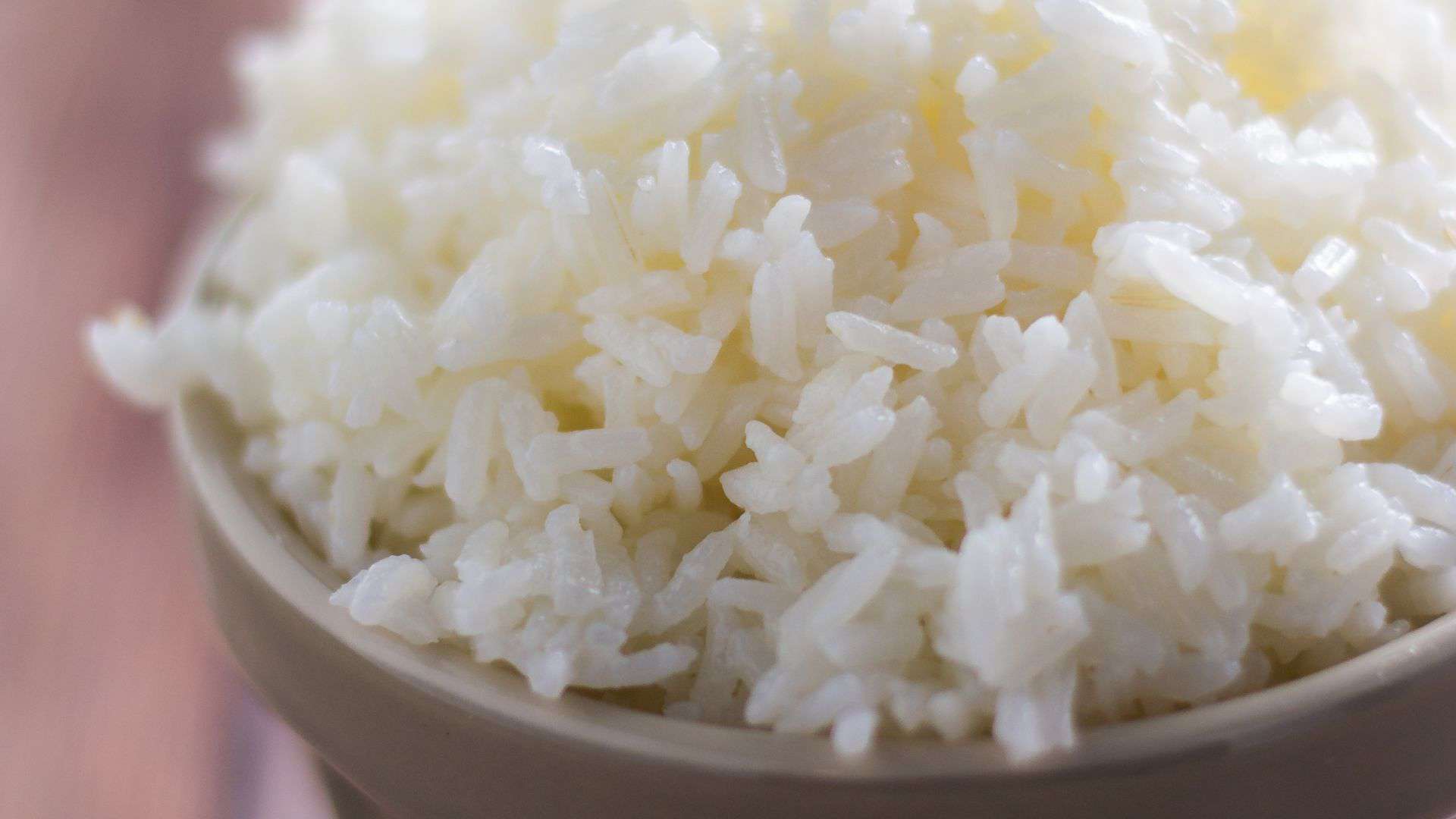
When reheating your rice, ensure it's steaming hot all the way through, which means reaching at least 165°F (74°C). Stir the rice often and thoroughly to ensure that it reaches the proper temperature evenly.
Avoid Multiple Reheats

Reheating rice more than once can increase the risk of food poisoning. When rice is cooled and reheated, the chances of bacterial growth multiply. It’s best to reheat only the portion you plan to eat and avoid reheating leftovers multiple times.
Utilize Your Freezer
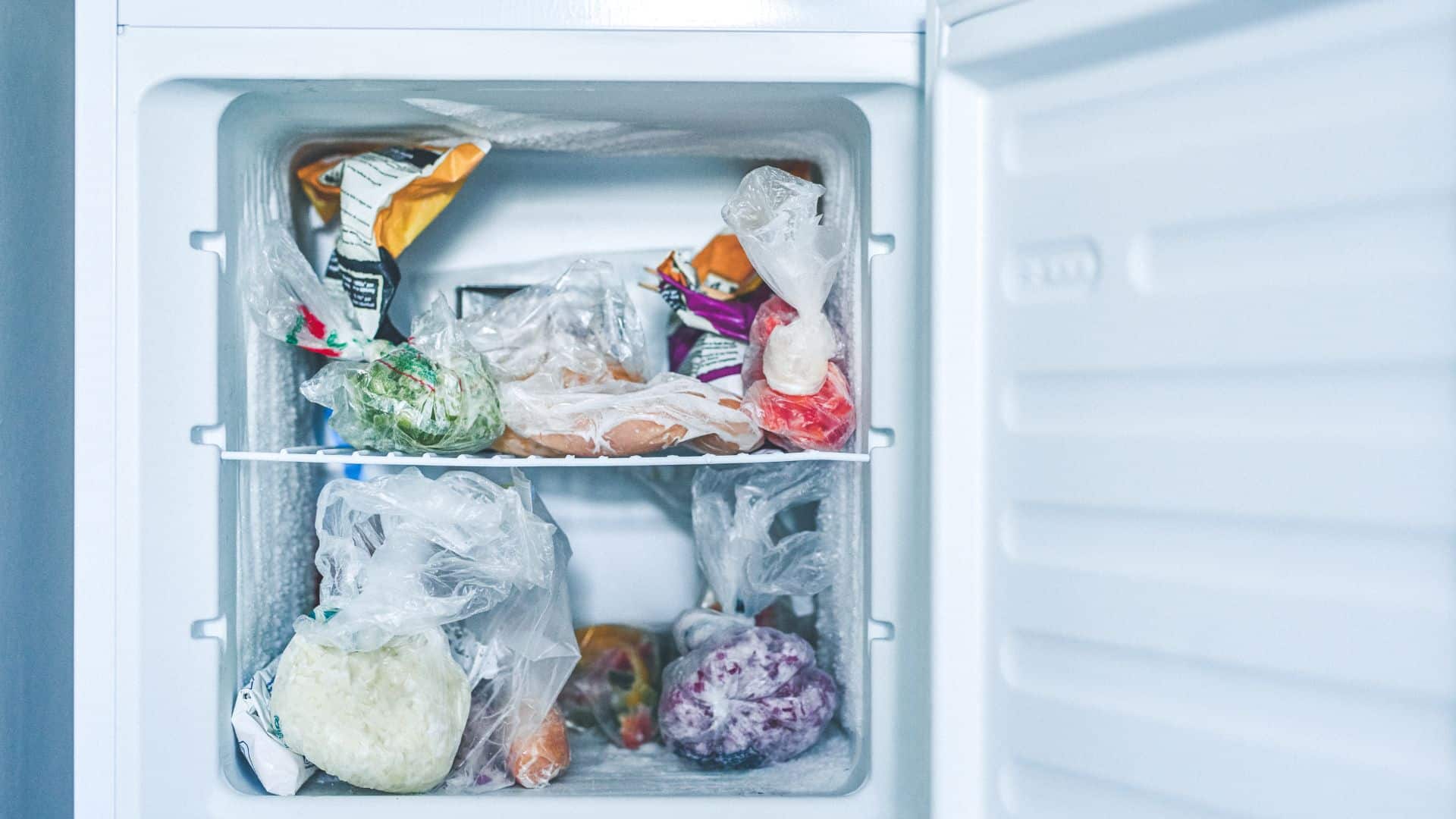
If you have a large batch of leftover rice, try freezing portions instead of refrigerating them. Freezing rice halts bacterial growth and preserves its quality longer. When you’re ready to eat, simply thaw and reheat the rice thoroughly.
Look For Spoilage
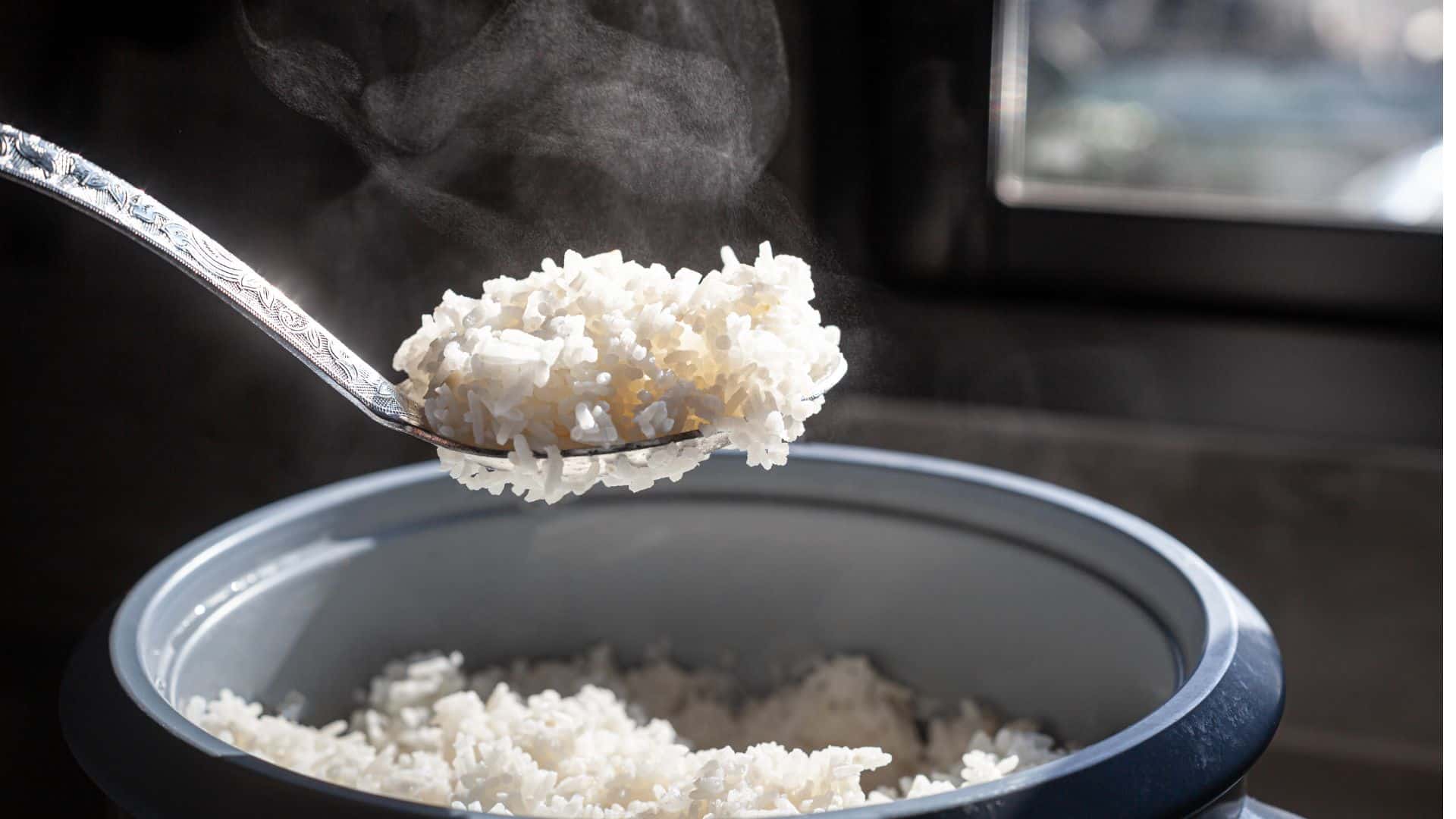
Always check leftover rice for signs of spoilage before reheating. If the rice smells off, has a slimy texture, smells, or shows signs of mold, it’s best to discard it. These signs indicate spoilage, making the rice unsafe to eat.
Use Freshly Cooked Rice For Certain Dishes
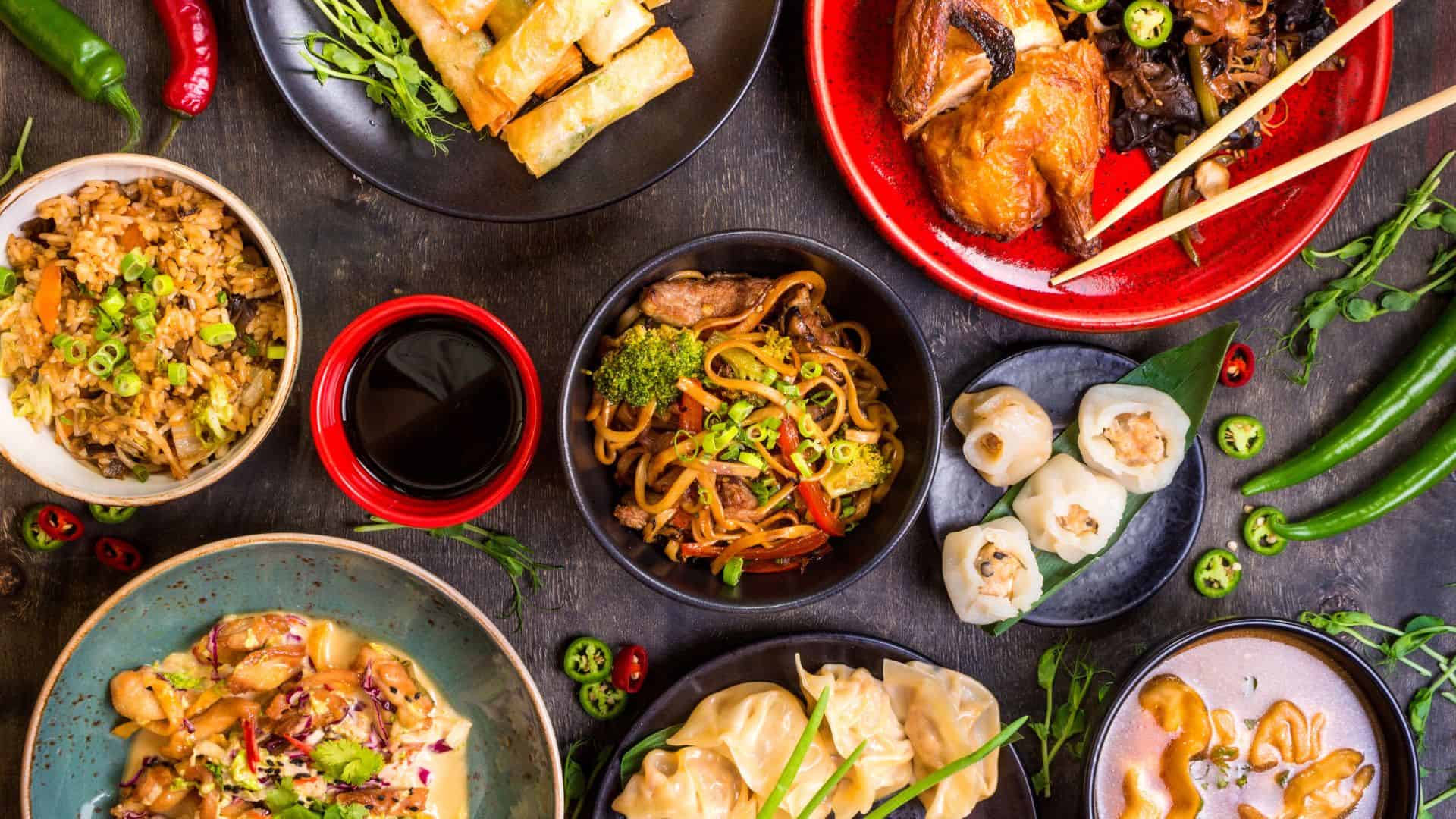
For many dishes, it's best to use freshly cooked rice (especially if you're hosting guests), which can reduce the risk of food poisoning. Fresh rice has less chance of bacterial contamination compared to leftover rice. If you prefer using leftover rice, make sure you store and reheat it properly.
Know Your Microwave

Microwave reheating can sometimes lead to uneven heating, leaving parts of the rice insufficiently hot to kill bacteria. Stir your rice midway through reheating to ensure even heat distribution, and consider any characteristics your microwave has that might prevent even heating.
Know The Risks

Some groups are more susceptible to foodborne illnesses, like children, the elderly, and people with health issues. Be vigilant when preparing and reheating rice for these individuals, and follow food safety guidelines.
Stay Informed
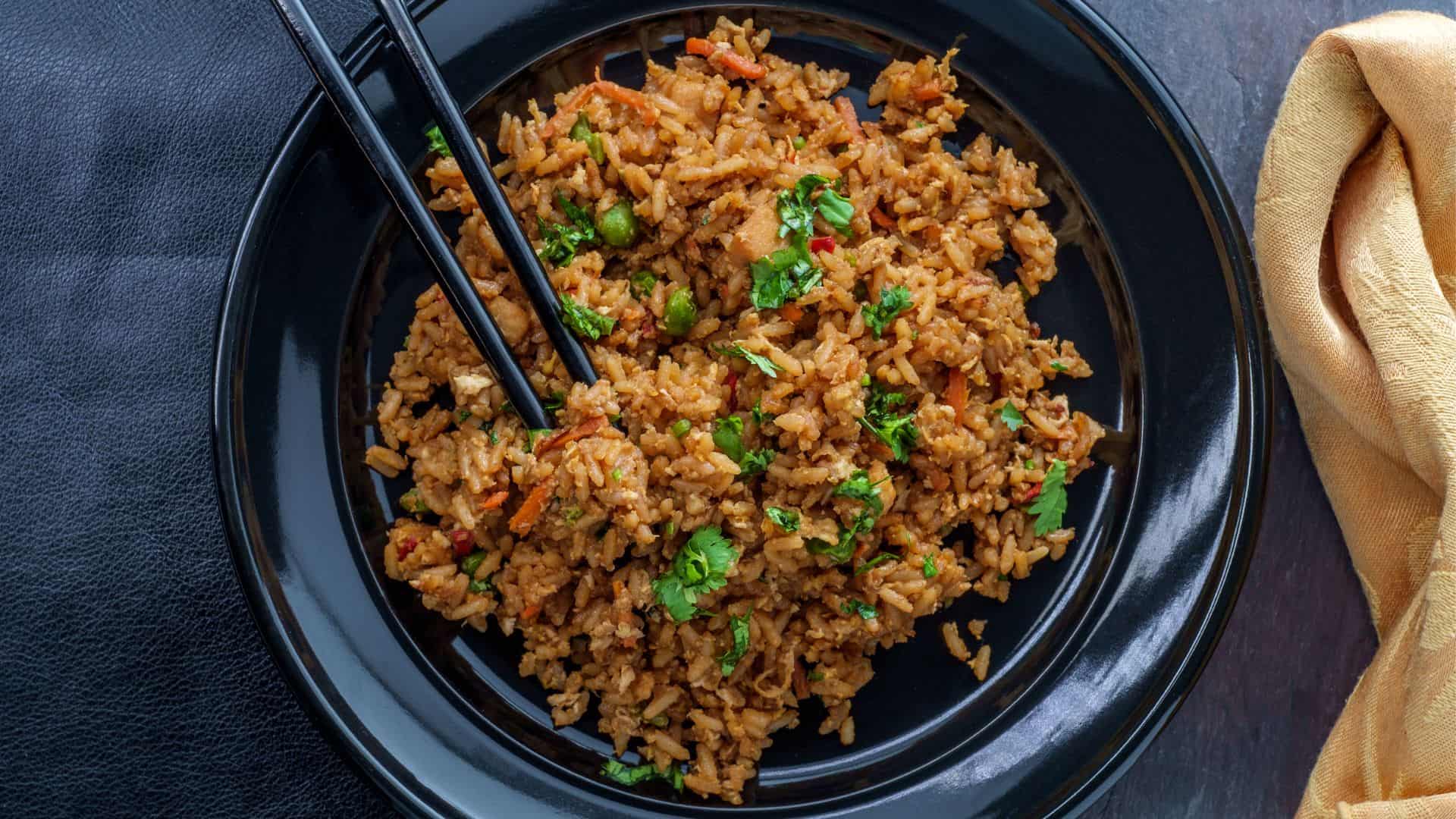
Food safety guidelines can evolve with new research and insights. Stay informed about the latest recommendations from reliable sources like the CDC and FDA. Always be open to adapting your practices based on the latest information so that you’re always following the best methods.
Leave a Reply