
As the planet warms and weather patterns shift, the impact on what ends up on our plates is becoming more serious than many realize. Some of the foods we enjoy regularly are under threat due to changing growing conditions, extreme weather, and environmental stress. These 14 beloved ingredients could become harder to find—or disappear altogether—if current climate trends continue.
Honey

Between 2018 and 2019, the honeybee population experienced a 40% decline. These animals started disappearing from our planet in 2006, and the situation seems to be worsening yearly.
Coffee

Coffee is another delicate plant that requires particular weather conditions to grow. A 2019 study found that 60% of the current coffee plant species are under threat of extinction, which may mean that coffee will one day be extinct.
Champagne

The three main grape types used to produce almost all Champagne, chardonnay, pinot noir, and pinot meunier, may soon disappear. The climate crisis has negatively affected most areas that grow these varieties, including Champagne in northern France.
Chocolate

Cacao is a very delicate plant. To grow, it requires rich soil and high humidity. It also thrives only in specific locations, namely around 20° north and south of the equator. Rising temperatures are a massive threat to cacao, which will probably soon experience a drastic decrease in production.
Corn

For each day above 30°C, maize may lose 5% of its harvest. As climate change worsens, this plant is expected to produce less corn. This means that one day, we may not be able to eat popcorn anymore!
Blueberries

Blueberries require cold weather to grow properly. This plant needs a period during which temperatures stay around 7°C to trigger dormancy’s break and support flowering and fruiting. Farmers are already experiencing a supply drop due to the current climate crisis.
Soybeans

Soy is another delicate plant that requires significantly more water to grow properly than wheat, pulses, and canola. This means that all food derived from this plant, from soy milk to tofu, will be negatively impacted by climate change and may one day disappear from our diets.
Wine

Grapes are wine’s main ingredient, and this popular product may also be under threat of extinction. Vineyards are becoming increasingly difficult to keep alive, and countries such as Australia, Chile, South Africa, Italy, and Brazil have all experienced a drop in their production.
Wheat

Wheat is a fundamental component of human diets and is used by most cultures to produce bread, pasta, cakes, and other delicacies. However, due to the climate crisis, this plant may experience a drastic reduction in productivity by the end of the century.
Seafood
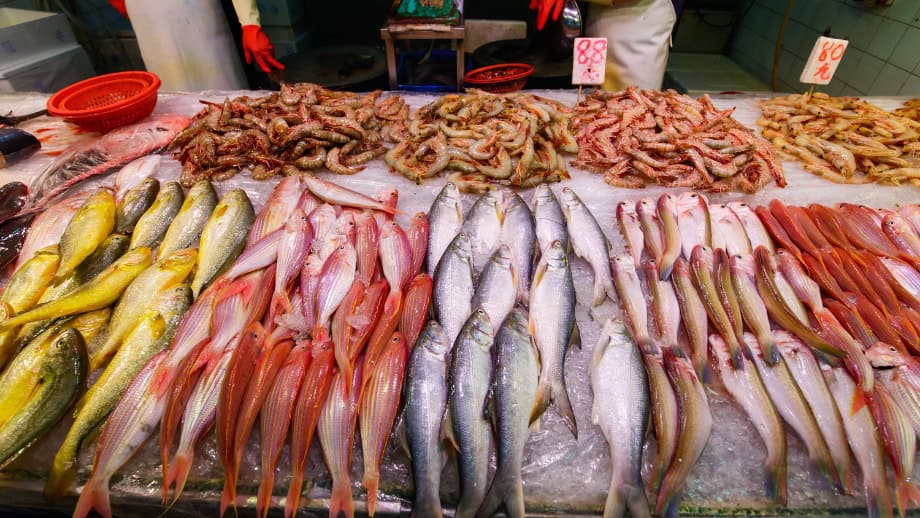
Unfortunately, rising temperatures, ocean acidification, and water pollution are only some of the many factors negatively impacting our oceans and their fauna. Plenty of species are now endangered, and seafood catch will fall drastically in the coming years.
Limes

Limes, especially those growing in Latin America, are now being threatened by the violent rain and weather fluctuations caused by the current climate crisis. Several countries, such as Peru, are now experiencing delays in Lime blossoms and have registered smaller harvests.
Chillies

Droughts in Mexico and a depleting water supply in Colorado threaten chilies. This is why, in recent years, the famous Hy Fong Goods company in Southern California had to stop producing Sriracha sauce for a few months.
Almonds

80% of the world's almonds are grown in California, but the state has been struggling with water shortages for years. With less and less available water, it is becoming difficult to grow almonds in California. The entire industry may have to move, or almonds will be harder to find.
Cranberries

Cranberries grow in bogs that are hundreds of years old. However, those bogs have been subject to erratic rainfall followed by long periods of drought in recent years. On top of it all, high heats often cause the delicate berries to cook on the vine. It would be very hard to start cranberry bogs in new locations so this fruit may be doomed.
This article was first published at Spatula Desserts.
Leave a Reply