
Grocery stores become a lot more strategic during the Christmas season. Shoppers have longer lists, tight timelines, and a heightened desire to create a memorable holiday. That combination makes consumers more likely to overspend. Understanding how seasonal pricing, product placement, and holiday marketing work can help prevent common mistakes that wreck the household budget during the holiday months.
Being a savvy shopper and recognizing the tactics that encourage impulse purchases is a must this time of year. Many of the spending pressures that shoppers feel during this period are designed, not accidental.

Watch for limited-time holiday packaging
Holiday packaging might be one of the biggest traps. Festive labels can make everyday items seem special, even when nothing inside the package has changed. A product that sits on a shelf year-round may suddenly appear in red wrapping or with winter imagery. These visual cues prompt shoppers to purchase quickly and feel less analytical, as they let festivity take over their emotions.
Seasonal packaging also comes with a price increase. Sugar cookies, crackers, and chocolates are everyday items that see price hikes during the holiday shopping season. When the product is identical in size and ingredient list, the higher cost reflects marketing rather than added value or size.
You can avoid this trap by comparing the unit price of the holiday version to the regular one. This is especially useful for baking ingredients, snacks, and beverages. This breaks down the pricing per ounce for most items, so you can see immediately if you're paying more for decor than for the actual item.
Be careful with promotional displays
Holiday displays near store entrances or main aisles are created to attract impulse buyers. Retailers know customers are more emotionally invested during the holiday season, which increases the likelihood of adding something unplanned to the cart. These items are typically not discounted at all.
Bright lights, seasonal music, and oversized displays are designed to influence mood and decision-making. Stores place these tempting displays in high-traffic areas, knowing shoppers won't be able to pass them by without stopping to take a look. You can reduce this impulse by sticking to a written list.
Top tip: Allow yourself 1-2 impulse buys within your budget, and focus the rest of your energy on sticking to the budget.
Recognize the upsell on baking essentials
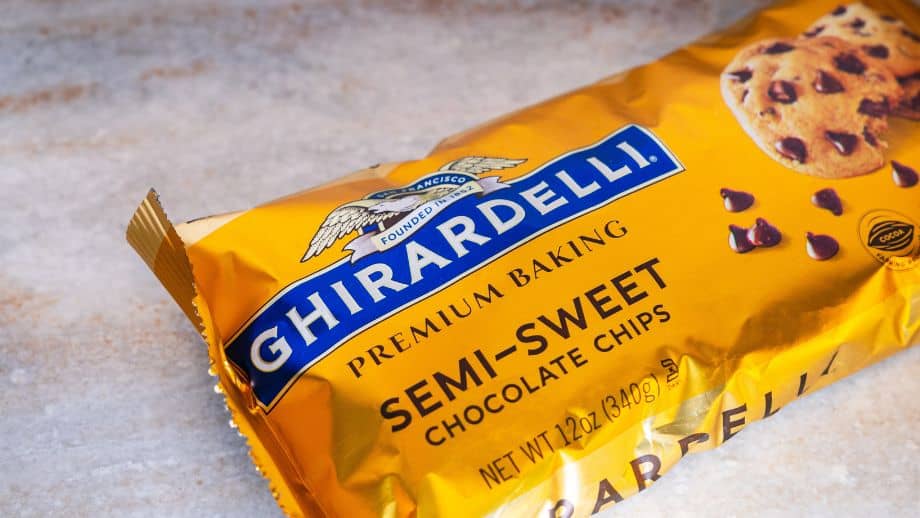
Holiday baking is where many people spend a lot of their money in December. Flour, sugar, butter, chocolate, and spices all have higher demand, which means stores capitalize on it by promoting “premium” versions, bundling products, or displaying specialty items that are must-by and trending.
Before purchasing, compare brands and avoid assuming the most expensive or most festive packaging indicates higher quality. Store brands, or "dupes," can often deliver the same results at a fraction of the cost.
Avoid overbuying seasonal produce
Large bins filled with cranberries, citrus, potatoes, and seasonal fruits convey a sense of abundance and encourage shoppers to purchase more. However, perishable foods can quickly go to waste if there isn't a clear plan for using them all.
The United States Department of Agriculture estimates that 30-40% of the food supply is wasted every year. During the holidays, it's safe to assume the number can easily increase, as shoppers often guess quantities or purchase unfamiliar items they don't end up using.
Planning menus, knowing serving sizes, and checking pantry ingredients to see what you have already on hand can reduce waste. Buying only what will be used within a specific time frame helps prevent spoilage and keeps grocery spending in line.
Understand the psychology of “buy more” promotions
Holiday promotions tend to encourage bulk buying. Signs that advertise multi-buy deals such as “two for” or “three for” can create a perception of savings even when the per-item cost is not actually discounted. Some stores also set limits that push shoppers to buy more units to qualify for a slight price reduction.
During Christmas, this tactic is often applied to snack foods, beverages, and candies. Shoppers may buy extra to avoid having to return later. While that convenience has value, overspending happens when the promotion overrides planning.
Top tip: Checking whether the sale offers actual per-unit savings is key. If the individual price is the same whether one or three are purchased, there is no financial advantage in buying multiples.

Be ready for the checkout counter pressure
The checkout area generates big revenue during December. Seasonal chocolates, stocking-stuffer toys, gift cards, and holiday-themed packaged goods surround shoppers while they wait in line. These items typically come with big markups.
Shoppers can avoid impulse purchases by reminding themselves not to buy anything at the last minute and by choosing self-checkout when available, since these stations typically offer fewer impulse items and shorter wait times.
Plan for rising meat prices during peak weeks
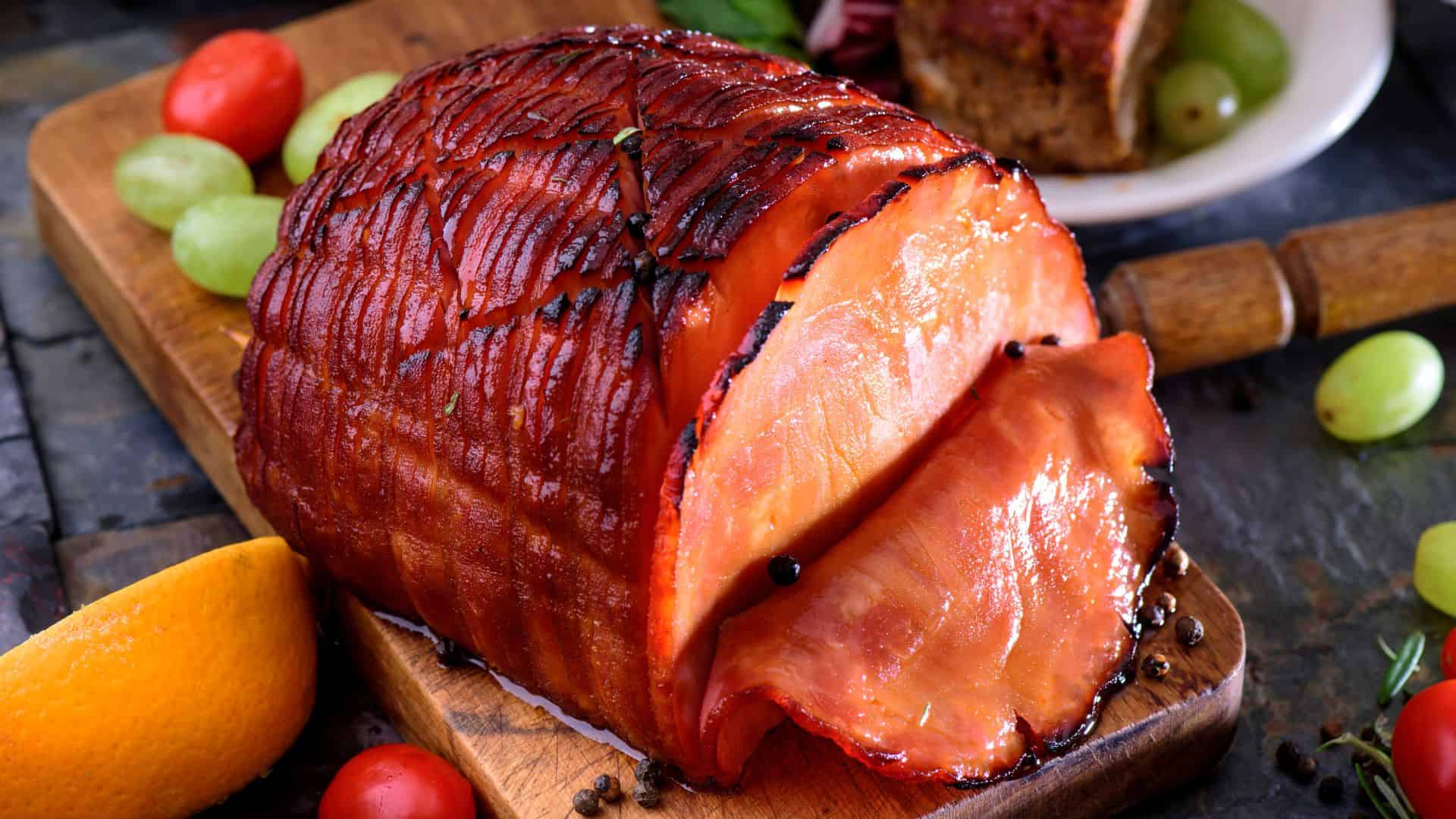
Ham, turkey, and roasts have both higher demand and higher pricing during the holidays. These items can fluctuate in price as the holiday nears, based on supply, promotions, and inventory levels.
Buying early can reduce costs, especially when stores offer loyalty member discounts or perks. Compare per-pound pricing to get the best deals.
Avoid shopping while rushed or distracted
Holiday grocery stores rely on customers being in a hurry. Crowded aisles, longer lines, and time pressure make shoppers less attentive to prices.
Building in extra time, shopping early in the day, and avoiding weekends can reduce pressure. Anything that can be done to prevent that rushed shopping experience will help make better decisions while walking down the grocery aisle.
Top tip: Never go shopping while hungry! Research shows that hungry shoppers spend 60 percent more and buy more non-food items than less hungry customers.
Prepare before entering the store
Creating a shopping list is a must during the holiday season. Organize it by categories to help stay on track.
Going shopping alone is also worth considering. Parents who take their kids shopping with them spend 35% more on average, so stepping out the door solo for your weekly grocery run is actually a money-saving tactic.
Holiday grocery shopping should not strain a household budget. With awareness and preparation, consumers can navigate the overspending tactics that happen this time of year. Master these traps now, and you’ll outsmart the season’s priciest tricks long before they sneak into your cart.
Leave a Reply