
Holiday spending adds up quickly, especially as grocery prices continue to increase. In 2025, prices for all foods are predicted to increase by 3%. These increases hit hard during the busiest time of the year, when households purchase larger quantities of baking supplies, snacks, gift ingredients, and holiday meal essentials. Holiday shopping can get overwhelming fast, especially when stores roll out festive cookies, limited-edition snacks, and seasonal napkins that seem too cute to pass up.
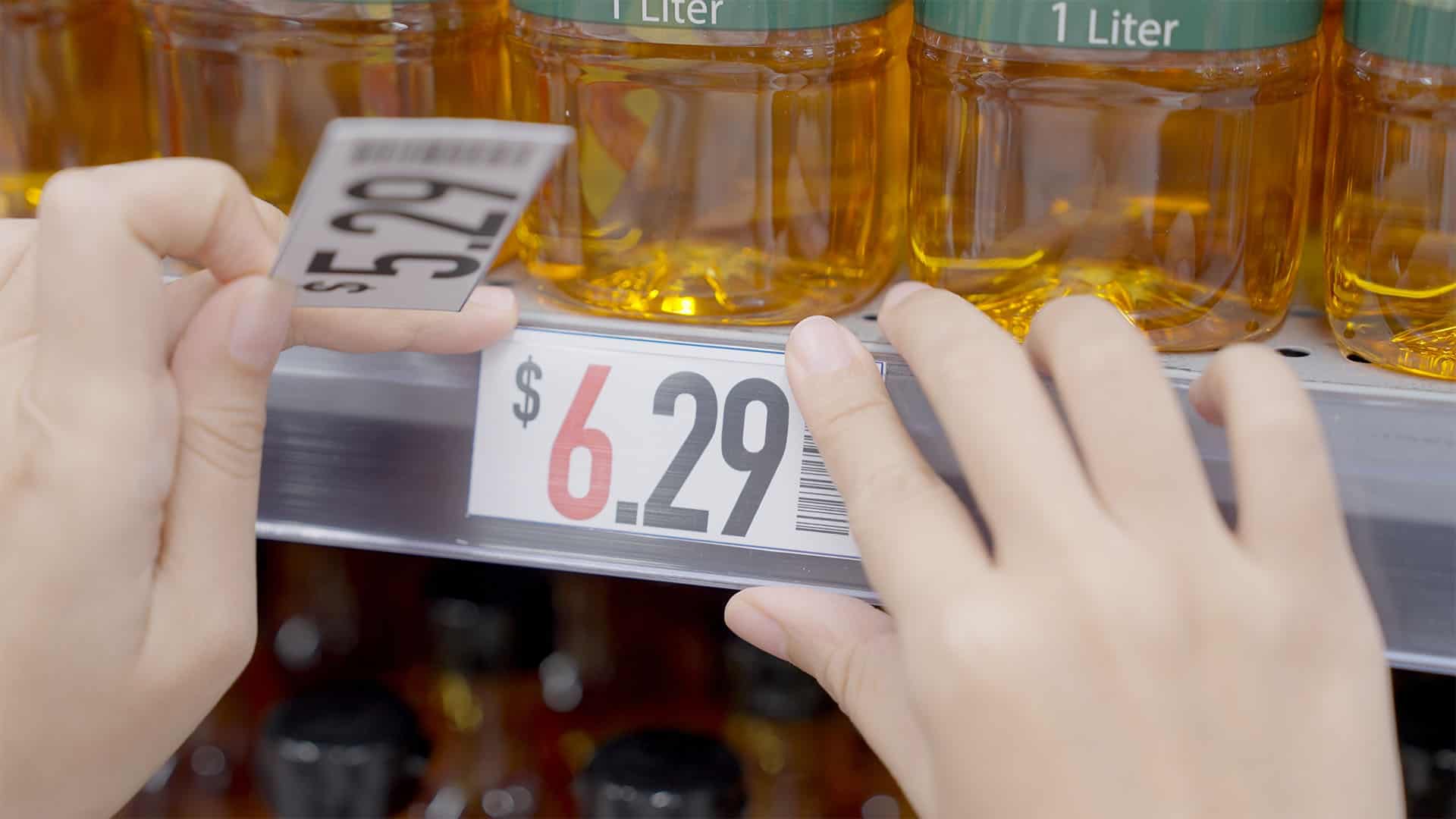
One of the most reliable ways to manage costs is to pay closer attention to unit pricing, a tool that helps consumers understand the actual value of what they are buying. It converts package sizes, promotional labels, and seasonal bundles into a single comparable number. During the Christmas season, when stores release limited-edition packaging and “value” gifts, understanding unit prices can save money and stop overspending.
How to find unit prices
Many U.S. grocery retailers display unit prices directly on shelf tags beneath each product. The information is usually printed in smaller text next to the total cost. It may show “per ounce,” “per pound,” “per count,” or “per 100 sheets,” depending on the product type.
If the store does not provide unit pricing, you can calculate it by dividing the total price by the number of units.
Here’s the basic formula:
Unit price = Total price ÷ Unit quantity
For example, a 12-ounce bag of chocolate priced at $5.49 has a unit price of $5.49 ÷ 12 ≈ 0.46 cents per ounce.
A similar bag, marketed as a “holiday family size,” for $7.99 may appear like a better deal, but if it contains only 14 ounces, the unit price is $7.99 ÷ 14 ≈ 0.57 cents per ounce.
The point isn’t to avoid these treats altogether but to become more aware of what you’re actually paying for. Unit prices often reveal that two similar-looking products can differ wildly in cost, even when the sale tags suggest otherwise. Making it a habit to glance at the price per ounce or per count is one of the easiest ways to keep your Christmas budget under control without sacrificing any of the holiday fun.
Why unit pricing can save money during Christmas
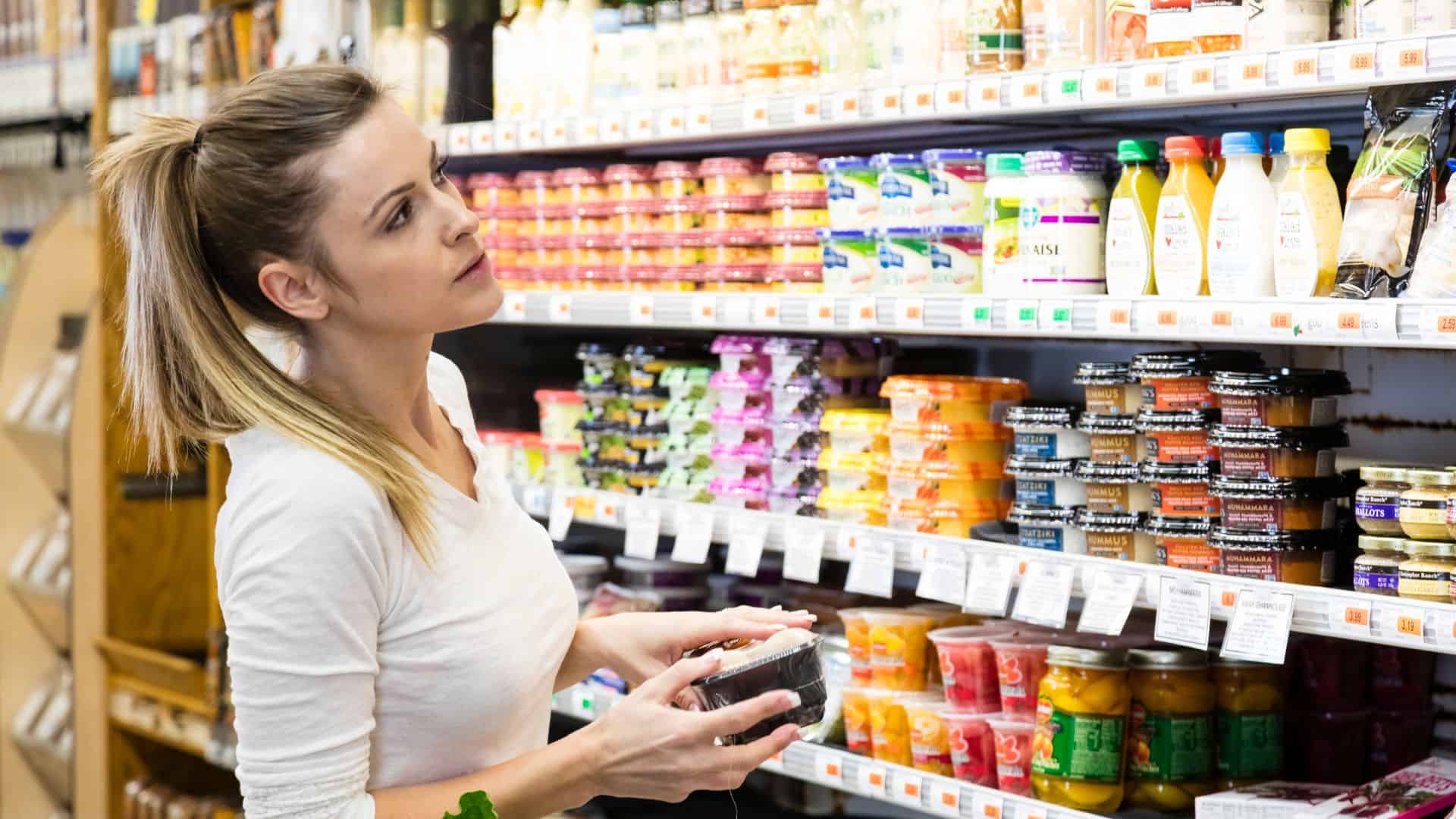
Holiday grocery shelves are filled with products designed to nudge shoppers toward larger, more attractive, or “limited edition” items. Bright packaging and themed bundles can make price comparison difficult. Unit pricing cuts through the marketing and reveals when a deal is not actually a deal.
Seasonal packaging often reduces the amount inside
Holiday-branded baking chips, candies, and snacks typically have fewer ounces than their everyday counterparts. A shopper might assume a Christmas-themed bag of candy is comparable to the regular version, but the unit price often reveals the opposite.
Gift bundles inflate the per-item cost
A cocoa sampler might contain six small packets packaged in a decorative box for $14.99. The same cocoa, sold individually at .99 cents per packet, is way cheaper. Shoppers who calculate the unit price of each packet can see whether they are paying more for the presentation than for the product itself.
Bulk is not automatically cheaper
Holiday hosting encourages consumers to buy flour, butter, spices, and snacks in large quantities. In many cases, bulk pricing does lower the unit cost. However, there are times when a smaller size has a lower unit price than the bulk version.
Unit pricing makes this discrepancy clear and underscores the importance of checking and never assuming.
Unit prices reveal the value of premade holiday foods
Ready-to-serve items like cheese boards, bakery cookie trays, and appetizers save time but often have higher increases in per-ounce costs. A bakery cookie tray for $18.99 may seem convenient, but compared to the unit price of the ingredients needed to bake a similar quantity at home, the cost difference can be significant.
This does not mean prepared foods should be avoided; calculating the unit price allows you to understand what they are paying for and make the right judgment call for your budget.
Real Christmas product examples
Examples like the following show how unit pricing changes decision-making when shopping and comparing pricing.
Holiday chocolate boxes
A 10-ounce holiday chocolate box costs $12.99, which is about $1.29 per ounce. A non-seasonal bag of the same brand costs $4.99 for 6 ounces, or about .83 cents per ounce. The holiday packaging alone raises the price by more than 50 percent.
Cinnamon sticks for holiday drinks
A holiday jar of cinnamon sticks priced at $6.49 for 1 ounce has a unit price of $6.49 per ounce. A larger non-holiday jar containing 3 ounces costs $8.99, or about $3 per ounce. This means that the seasonal label more than doubles the unit cost.
Limited edition baking chips
A 7-ounce bag of red and green chocolate baking chips for $3.99 has a unit price of about .57 cents per ounce. A regular 12-ounce bag of chocolate chips costs about .42 cents per ounce. The seasonal color increases the cost by more than a third.

Tips for using unit pricing to save during the holidays
Being aware of how to save during the holiday season is never a bad idea. These tips can help.
1. Compare all size options, not just the promotional one
Holiday packaging often focuses on a single product. Looking at the unit prices of both the regular and seasonal versions often reveals a significant price difference.
2. Check whether holiday bulk sizes are truly bulk
Some manufacturers reduce the net weight of “holiday size” versions but raise the price slightly, banking on customers assuming they are getting more. Never assume and always verify.
3. Look at gift bundles by breaking them down into individual components
Divide the total cost by the number of items or ounces included. Often, you are paying extra for presentation rather than product.
4. Be cautious with premade holiday platters
Cheese trays, cookie assortments, and fruit displays are known to carry high unit prices. If time allows, assembling similar items yourself will dramatically reduce the per-ounce cost.
5. Look at unit pricing for household supplies as well
Wrapping paper, tape, napkins, and disposable plates often vary widely in unit price. A holiday pack of napkins with decorative prints may cost twice as much as a plain version. Again, it might be worth paying extra for the festive napkins, depending on your budget, but at the very least, you should be aware of the price difference.
6. Compare seasonal baking ingredients carefully
Spices, flavored extracts, and specialty sugars see big price hikes during the holiday months. Unit pricing helps identify which items are priced for convenience rather than value.

Why unit pricing matters beyond Christmas
Holiday spending creates long-term budget pressure. People spend a lot more during the holiday months, which can extend throughout the other months of the year. Being mindful of holiday prices can reduce financial stress and preserve your household budget for the rest of the year.
Once you become comfortable using unit pricing, the habit can carry into the rest of the year. Grocery and household goods prices fluctuate, and unit costs change frequently based on packaging, supply conditions, and promotions. Regular use of unit pricing helps shoppers consistently get the best value.
With prices rising rapidly, taking a few extra seconds to figure out unit pricing is a great way to keep more in your wallet this holiday season. Why spend more when you have all the tools to be able to spend less?
Tina
This is a GREAT article, Katalin and very timely. It's easy to get in a hurry to try to get holiday grocery shopping marked off of your to-do list, but taking a few extra minutes can save you a lot of money, as a few cents here and there adds up quickly!