
There’s nothing worse than slicing into an avocado only to find it brown and mushy—or worse, hard as a rock. If you've ever struggled to choose the perfect one, you’re definitely not alone. But with a few simple tricks, you’ll never bring home a disappointing avocado again. This quick guide breaks down everything you need to know, from ripeness clues to storage hacks. Say goodbye to avocado guesswork for good.
Have You Ever Been Disappointed In An Avocado?
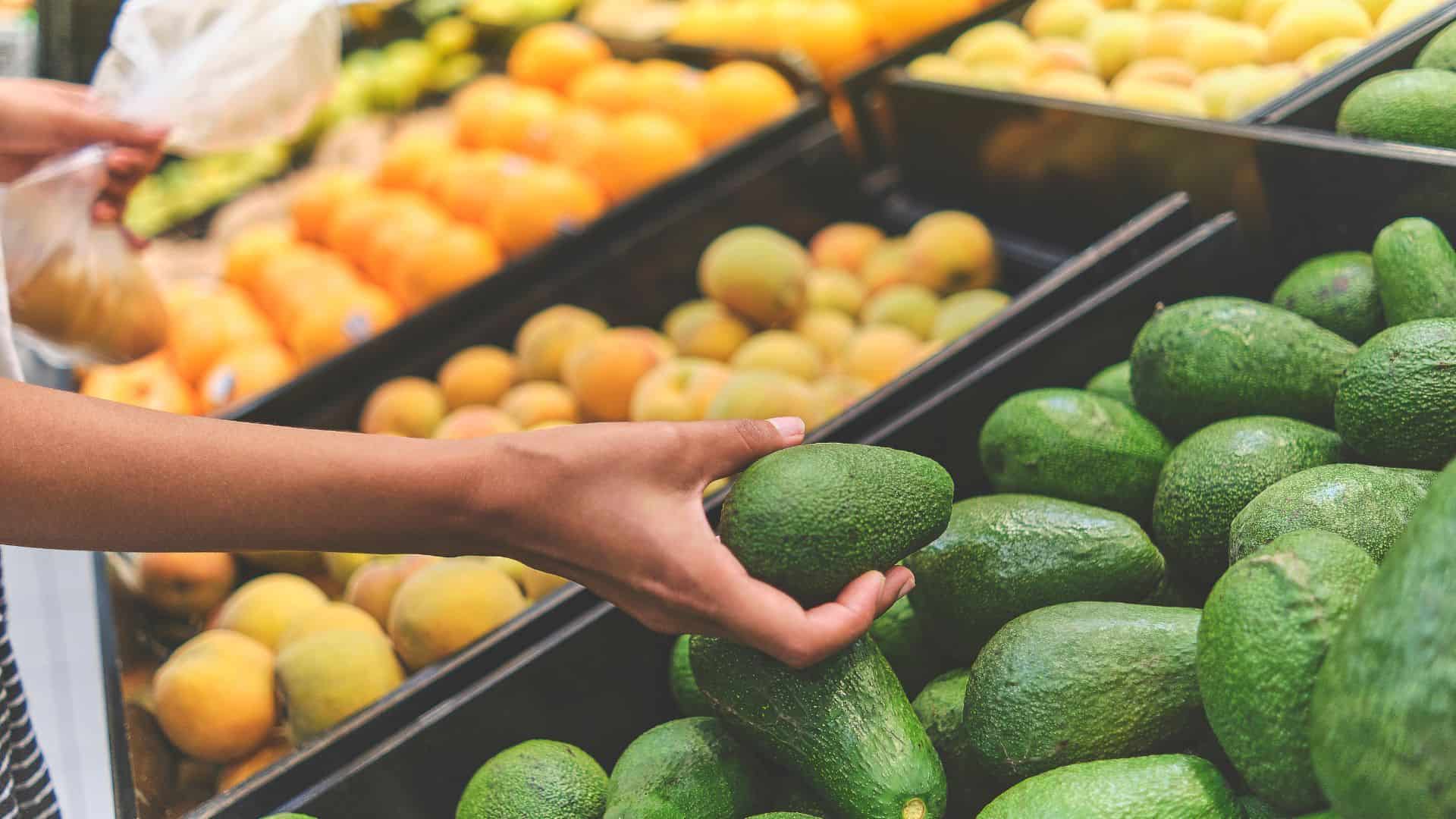
It happens to the best of us... we grab an avocado to spread on our Everything bagel, and the avocado is either bruised and beaten beyond repair or unripe and unspreadable. Becoming a pro at choosing the right avocado for your needs is crucial in avoiding this feat in the kitchen.
Color

The color of an avocado is essential because it gives you insight into what's on the inside. As the avocados ripen, they get darker, fading to brown and black as they spoil. A brighter green means it's still hard on the inside, while a dark, rich shade of green suggests perfect ripeness.
Bruising & Blemishes
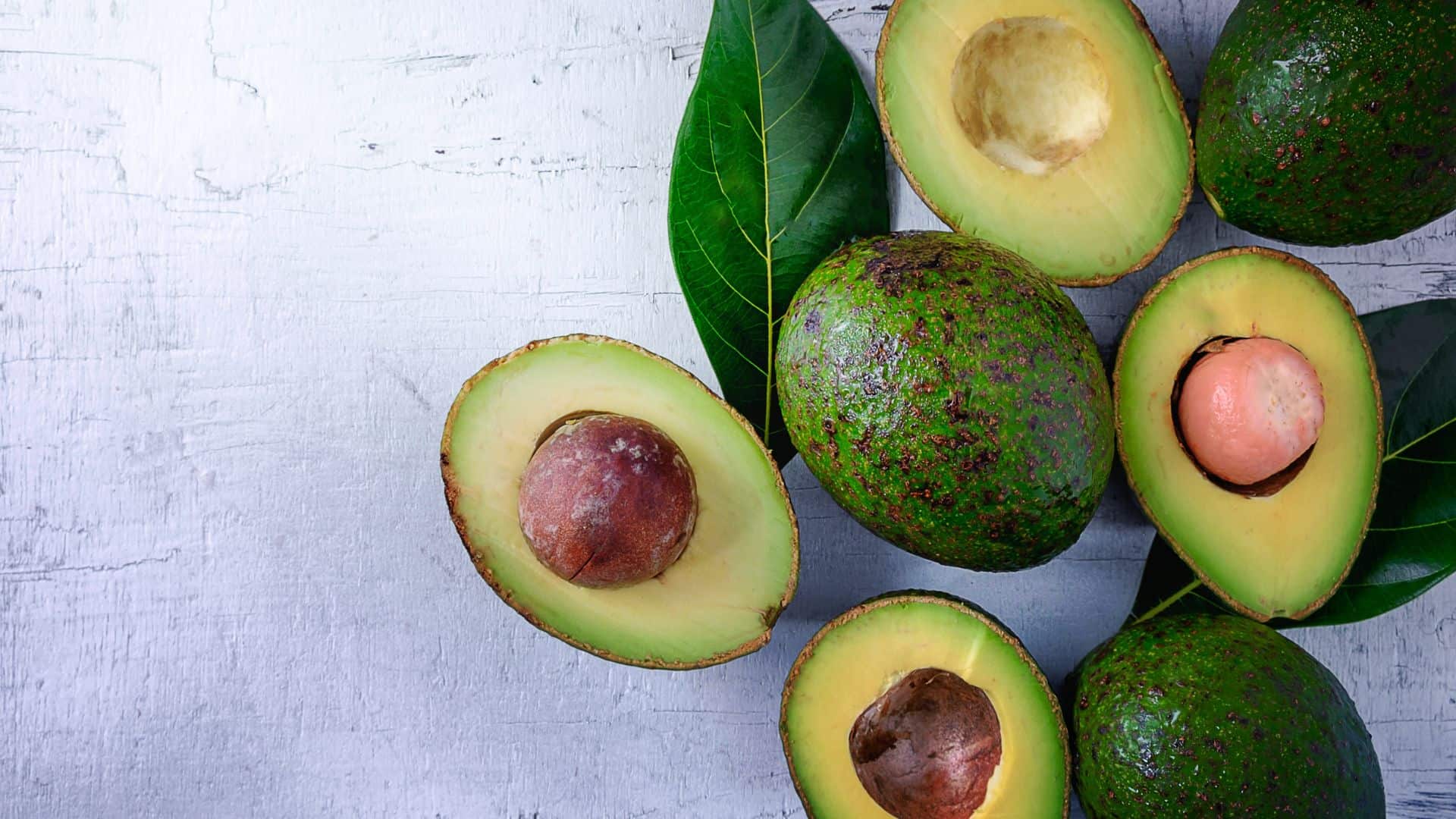
The presence of bruises and blemishes doesn't always mean you shouldn't choose that avocado. However, selecting one with unbroken skin and solid coloring is the safest bet for a more visually appealing plate and freshness.
Texture

The texture of an avocado provides valuable insight into the condition of the meat of the fruit inside. For a ripe, ready-to-eat avocado, the texture won't be rock solid or too mushy or dry; it should be a balanced mixture of firm and stable with smooth outside skin.
Ripeness
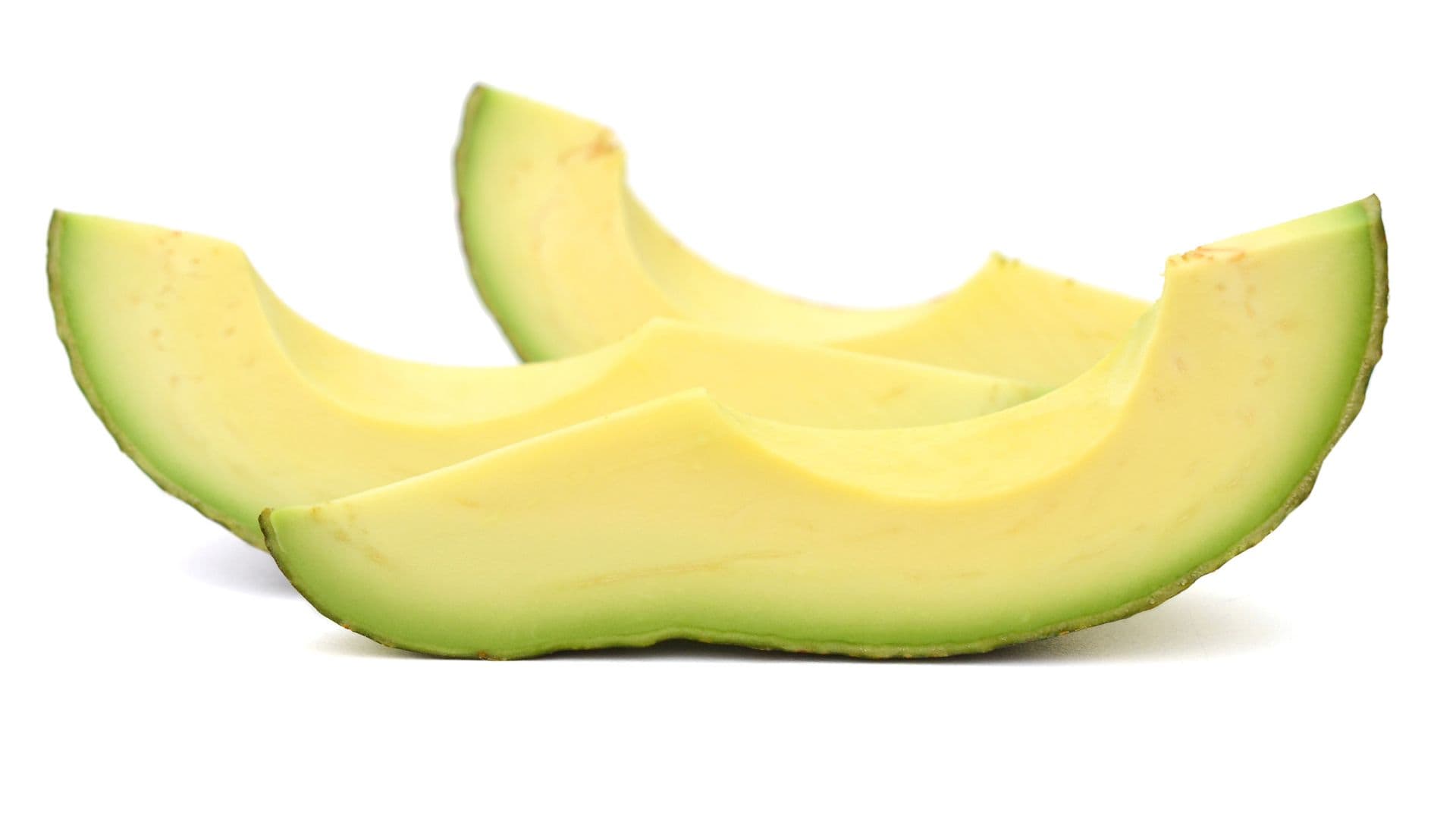
A freshly ripe avocado should appear smooth, be a deep shade of green with a lot of life, and not be mushy to the touch. Remember that the ripeness of the avocado you choose is essential to the time frame in which you want to consume it.
Squeeze Test
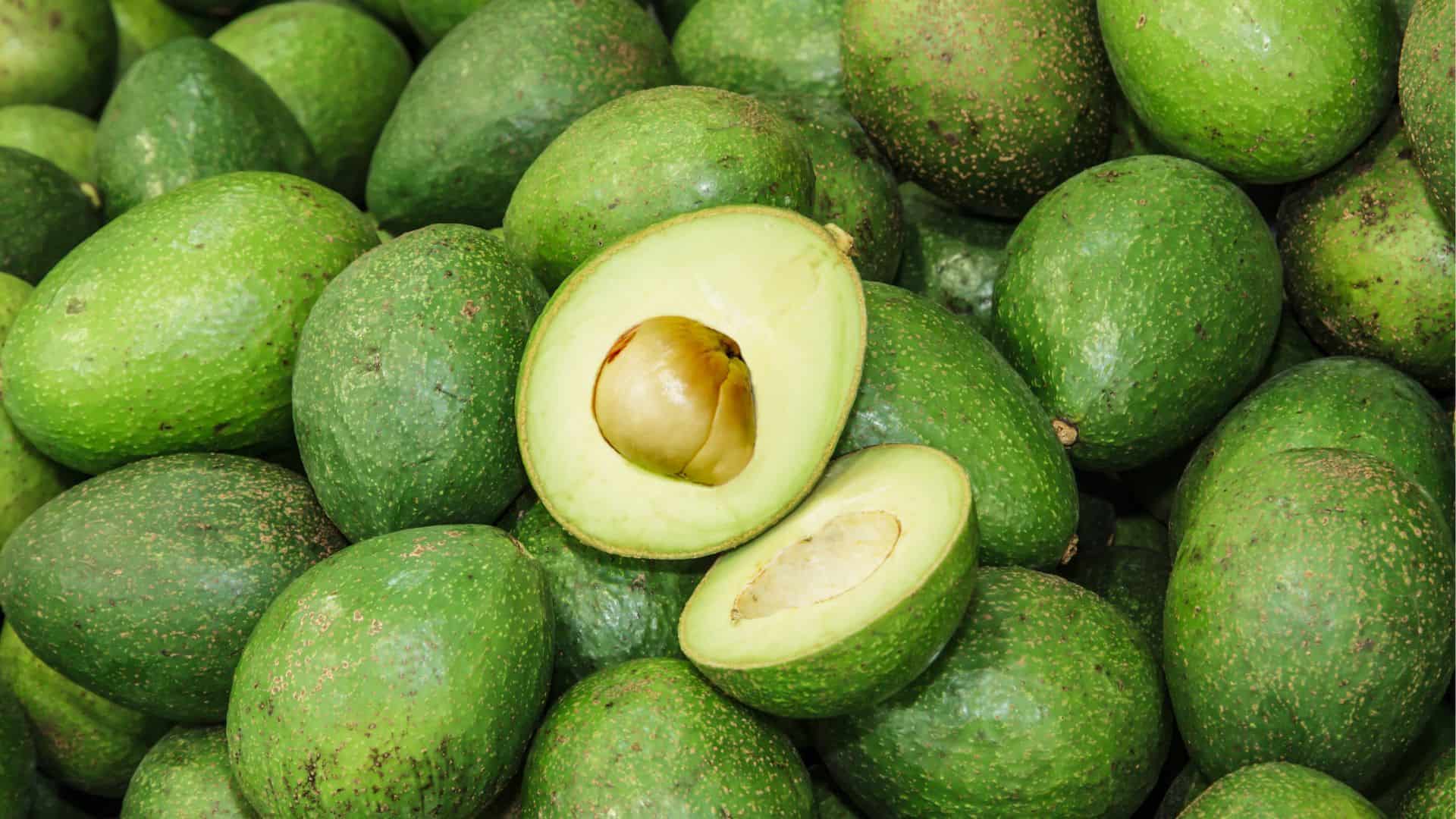
A squeeze test is an easy and effective way to check the ripeness of an avocado at the store. Hold it and apply gentle pressure with your palm and fingers. A ripe avocado will have a slight slippage between the skin and meat, and an underripe avocado will feel stiff and tighter.
Handle With Love
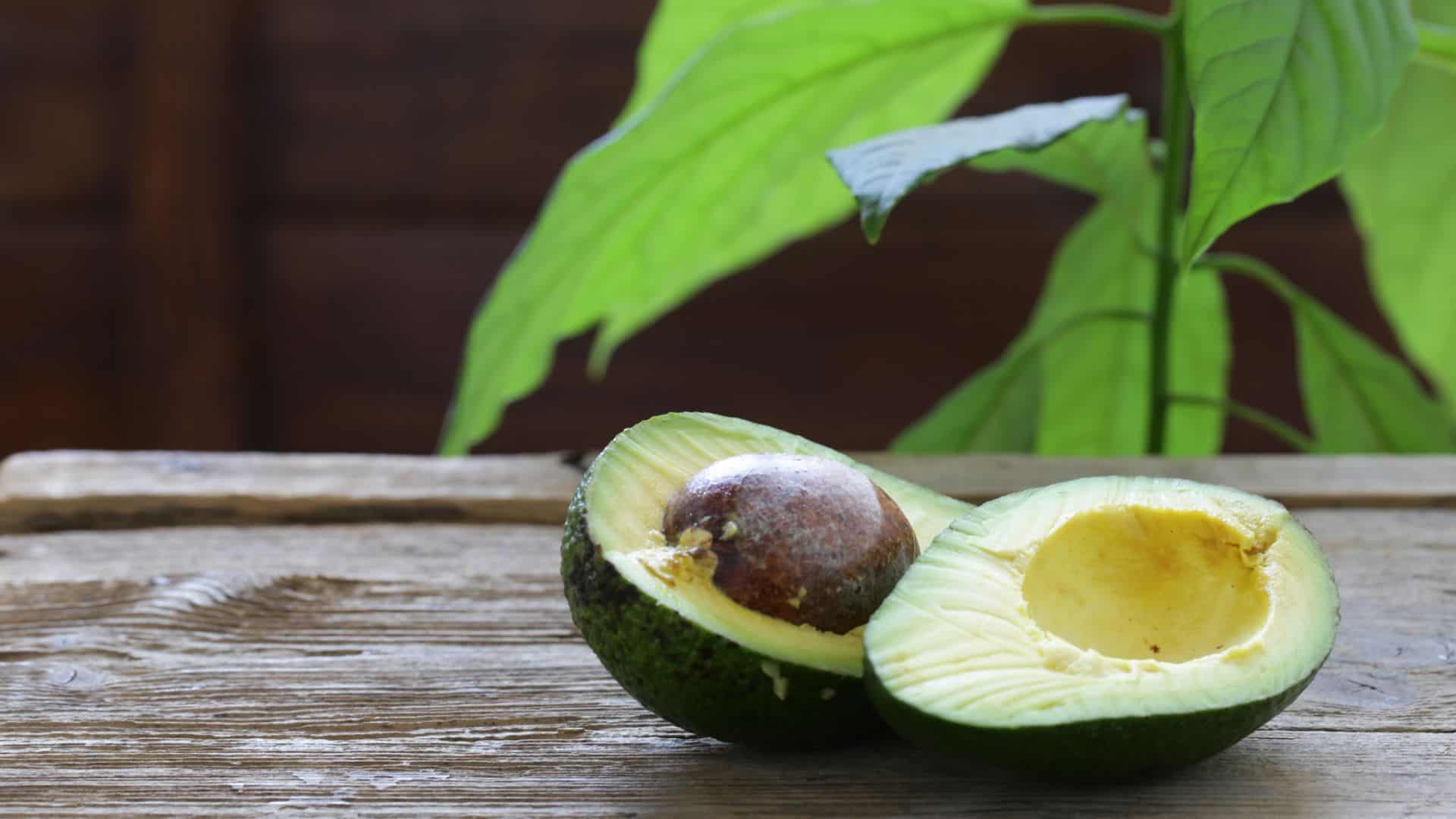
Performing the squeeze test (and assessing an avocado before buying it) is a delicate process that requires careful consideration. If you handle it with too much force, you risk bruising it. This can also compromise its integrity before you get it home to eat.
Check The Stem
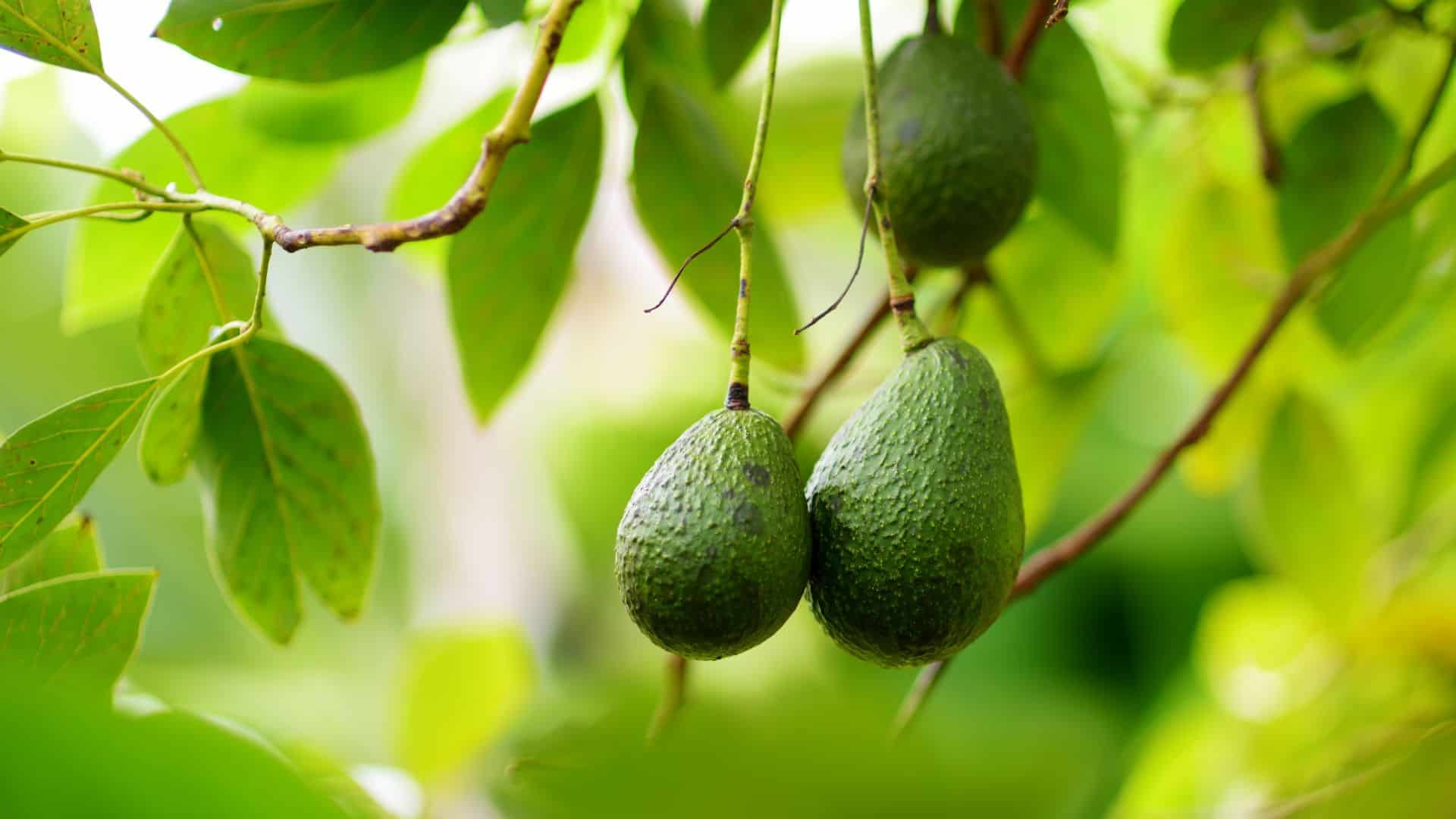
Checking the stem of an avocado is a quick and easy way to assess its ripeness. Look at the bottom of the avocado and gently pull at the remainder of the stem. If it comes off with ease, it's ripe and ready. If the stem cap is difficult to pull off, it's overripe.
Ripening An Avocado At Home
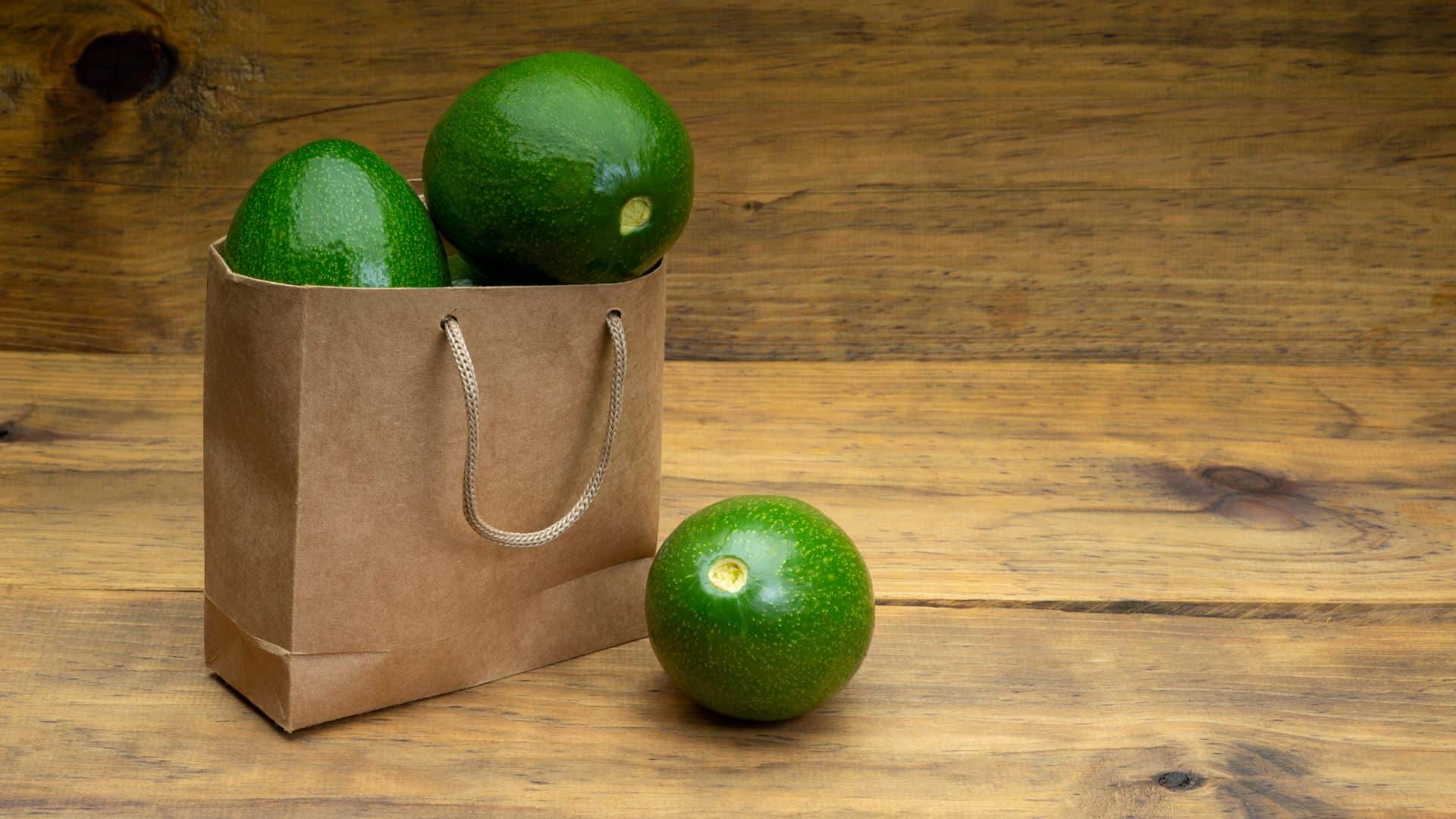
If your avocado is hard and unspreadable, you can speed up the ripening process at home. Place the avocado in a brown paper bag with an apple or banana, then close it and leave it in a warm, dry place. This method can take 1-5 days, so check the avocado daily.
Optimum Storage

If you want to delay the ripening process by using the avocados later, store them in a cold, dark place away from sunlight. Store ripe avocados that you want to keep fresh for longer in a bowl of water in your fridge.
Important Reminders
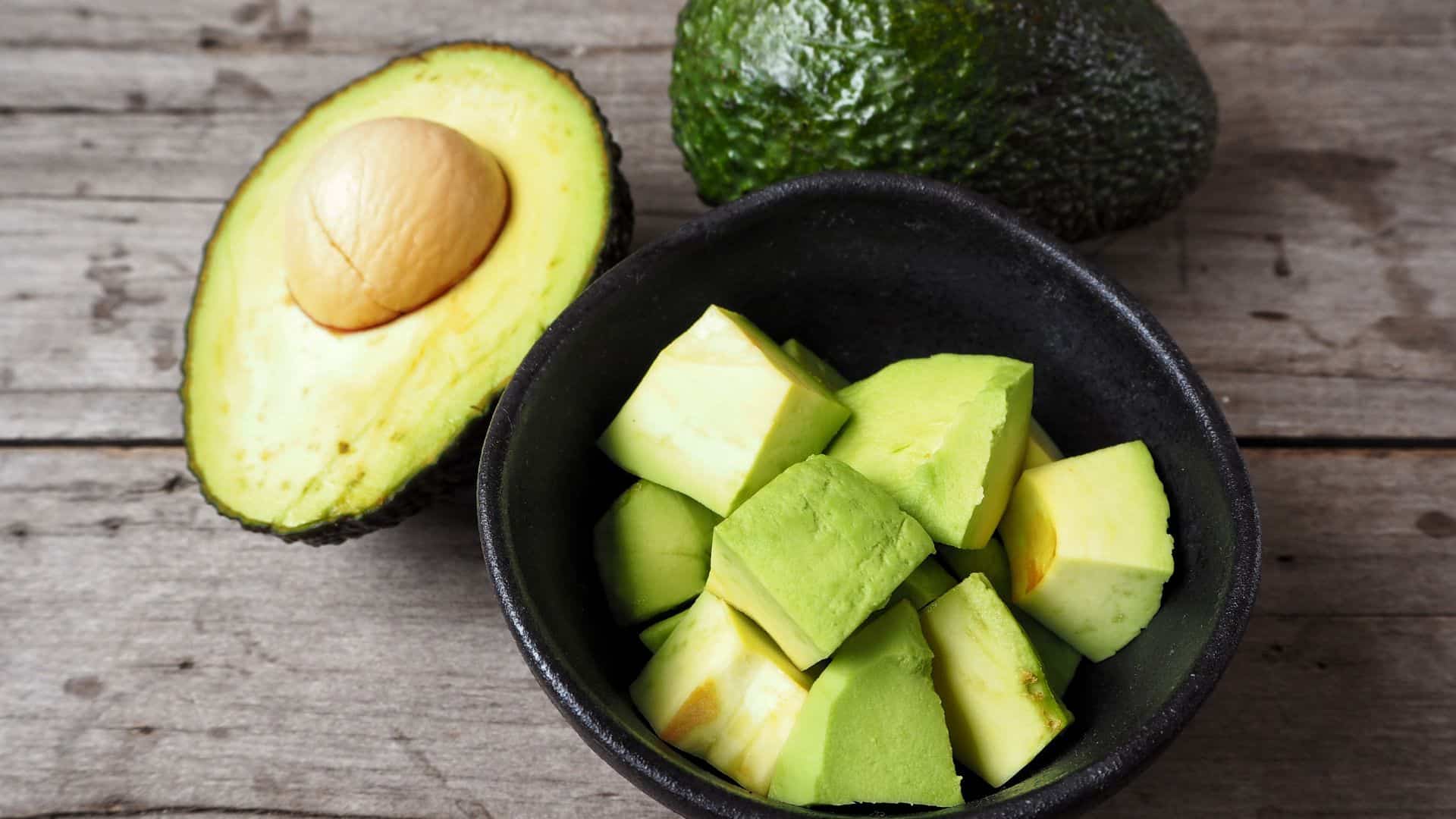
It's important to note that while avocados can go bad quickly, your selected storage method can influence the ripening process and even spoil it. Remember, when shopping for avocados, different avocados will have slightly different characteristics and storage needs.
Takeaways
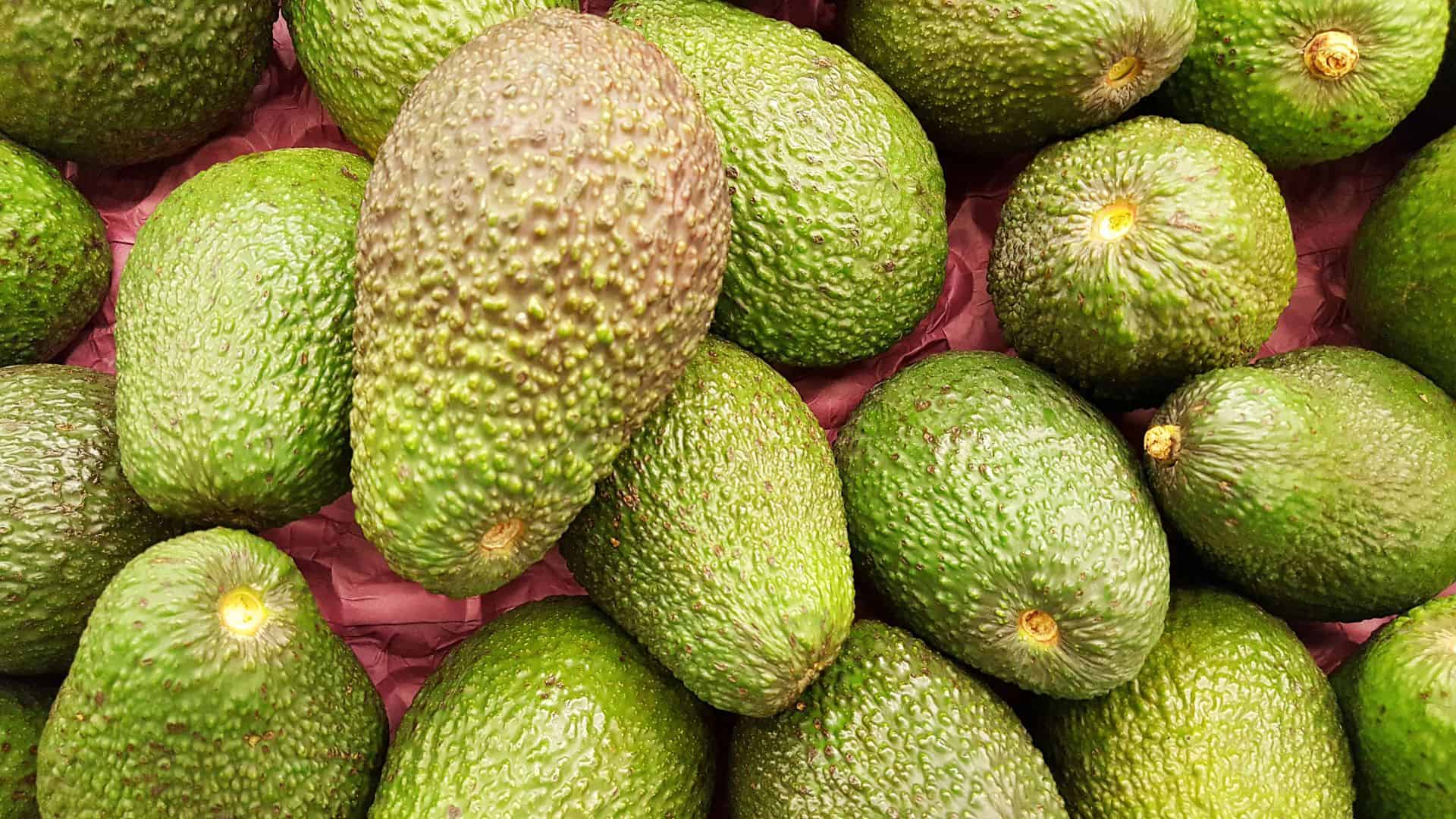
Whether you're checking the color or examining the texture, there are various ways to pick the best avocado for your needs. Check the stem, perform a squeeze test, and store your avocado accordingly for optimal shelf life.
This article was inspired by the "How To" collection from Avocado101 and first appeared at Spatula Desserts.
Leave a Reply