
Cooking at home often feels rushed. You start chopping while the pan heats, realize you’re missing an ingredient halfway through, or end up with something overcooked because not everything finishes at once. In a professional kitchen, that kind of chaos doesn’t fly. Chefs rely on a set of pre-cooking habits that keep everything controlled and repeatable.
You don’t need a commercial kitchen to use the same approach. Even adopting a few of these habits can completely change how cooking feels and how your food turns out.

Start with mise en place (and actually commit to it)
If there’s one habit that separates professionals from home cooks, it’s mise en place. The phrase comes from culinary tradition and simply means “everything in its place.” But in practice, it’s much more than that.
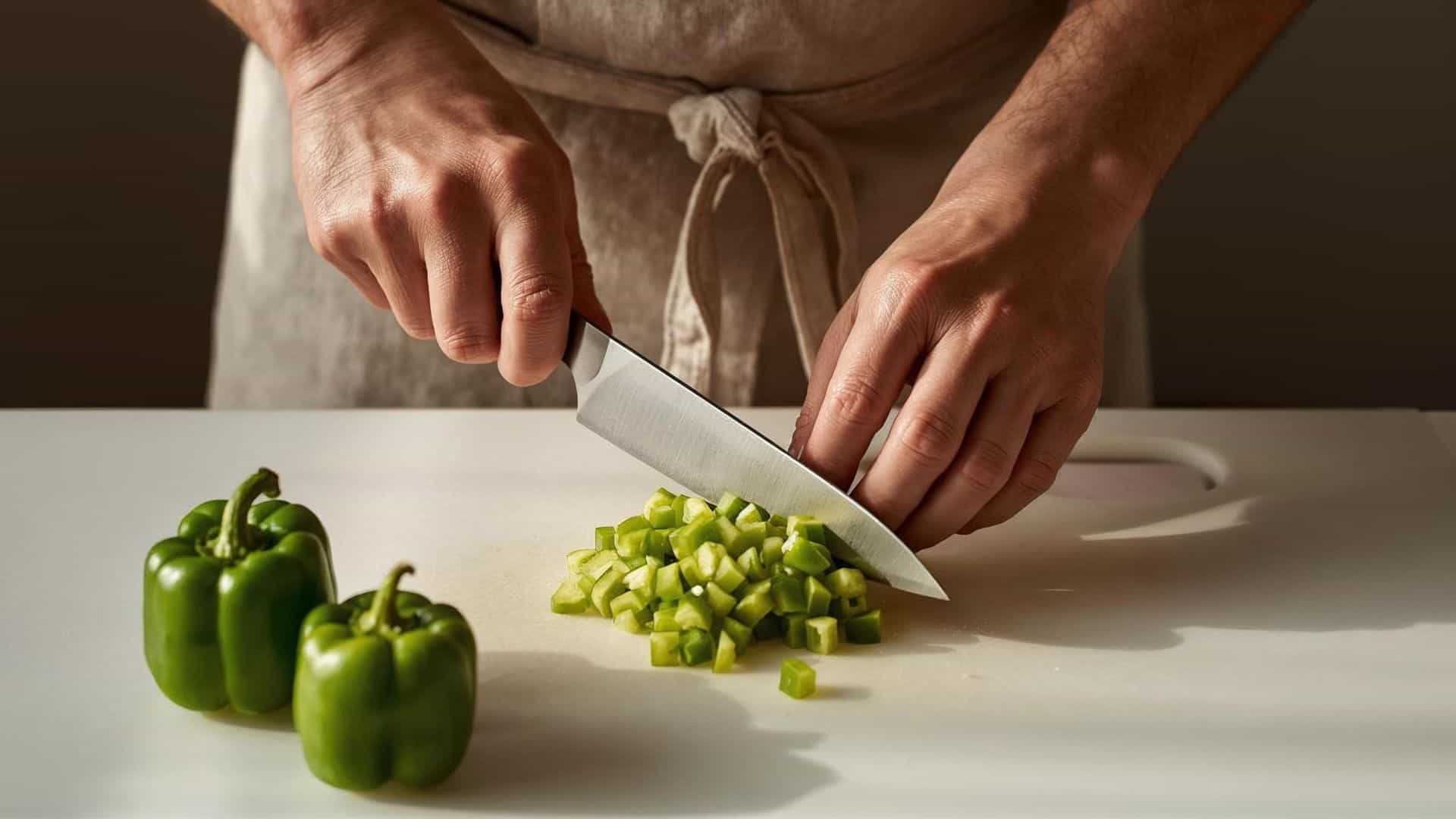
Before any heat is turned on, chefs prep everything. Vegetables are chopped, proteins are portioned, spices are measured, sauces are mixed, and kitchen tools are set out. Nothing is left to chance once cooking begins.
When everything is prepped in advance, you can focus on timing and technique rather than scrambling to keep up.
At home, this might look like chopping all your vegetables before you start, measuring out ingredients into small bowls, and placing everything within arm’s reach. It might feel like extra work upfront, but it saves time overall and prevents mistakes like burning ingredients or forgetting steps.
Set up a clean, efficient workspace
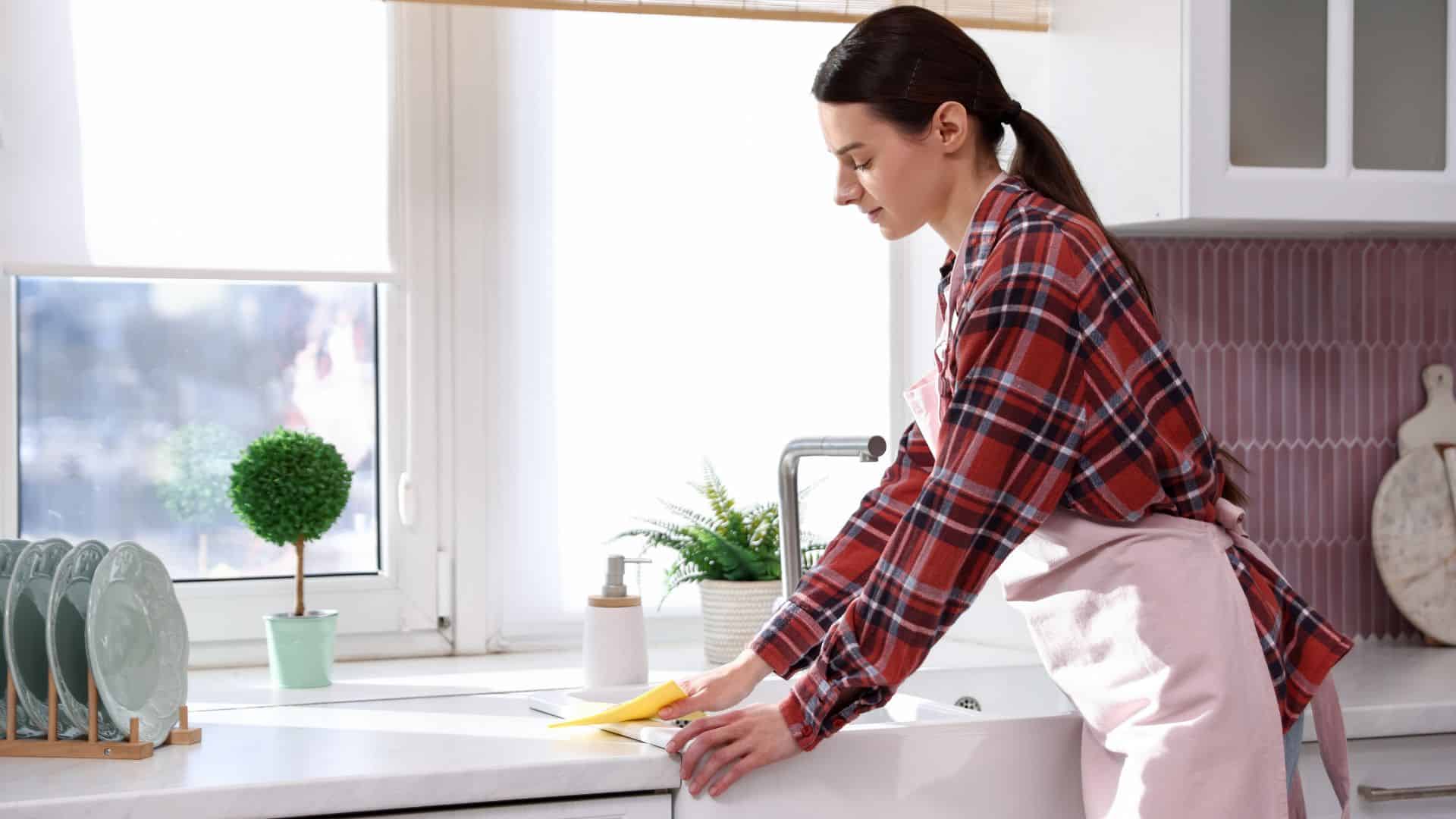
Professional kitchens are busy, but they’re rarely disorganized. Before cooking starts, chefs take a moment to clear and set up their station.
This step is often overlooked at home, but it makes a big difference. A cluttered counter slows you down and increases the chance of accidents. A clean space lets you move smoothly from one step to the next.
So, always use the right tools and have them ready. Chefs don’t waste time searching for equipment once cooking starts. They gather what they need ahead of time and make sure it’s ready to go.
It also makes cleanup easier. When you’re not constantly working around a mess, you can clean as you go without feeling overwhelmed at the end.
Preheat earlier than you think you need to
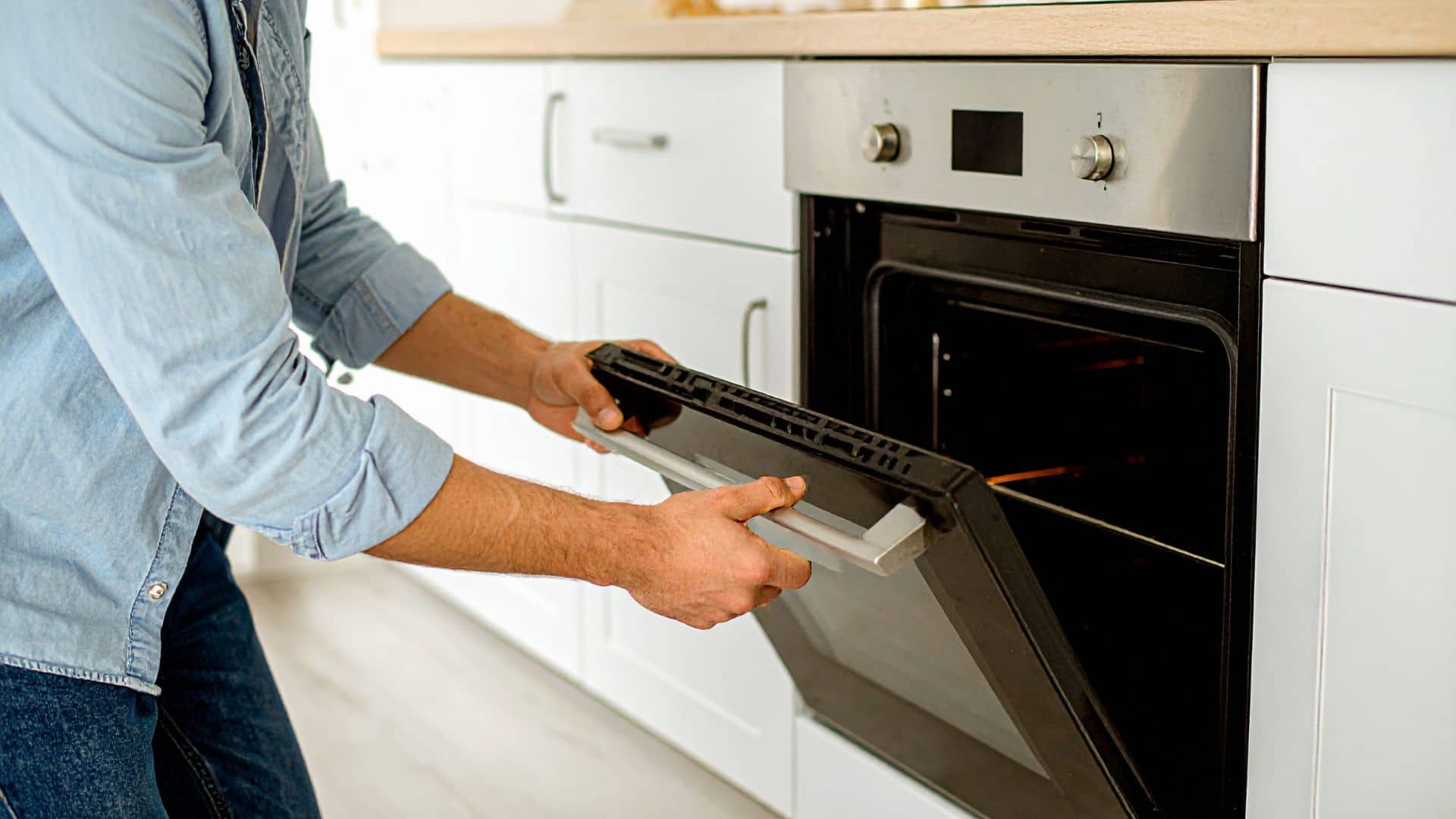
One of the most common mistakes in home cooking is starting with a cold pan or oven. Professional chefs avoid this by preheating early, often before they finish prepping.
Pans need time to reach the right temperature. Ovens can take longer than expected. If you wait until the moment you need them, you’ll either delay the process or cook at the wrong temperature.
In practice, this means turning on your oven as soon as you know you’ll need it, and placing your pan on the stove a few minutes before adding oil or ingredients. It’s a small adjustment, but it has a big impact on how your food cooks.
Plan your cooking order before you start
In a professional kitchen, timing is everything. Chefs don’t just cook; they plan their steps so everything comes together at the right moment.
Before cooking begins, they think through the order of operations. What takes the longest? What needs to rest? What can be prepped ahead? What should be cooked last for the best texture?
For example, if you’re making a full meal, you might start with something that takes longer, like roasting vegetables or cooking grains. While that’s cooking, you prep and cook other quicker items. Proteins are often cooked closer to serving time so they stay fresh and properly textured.
Read the recipe all the way through first
This sounds obvious, but it’s something many people skip. Professional chefs don’t start cooking without understanding the full process.
Reading through the recipe ahead of time helps you catch important details. Maybe something needs to marinate. Maybe there’s a step that requires immediate attention. Maybe you need to reserve part of an ingredient for later.
Skipping this step often leads to mistakes that are hard to fix mid-cook. Taking a minute to read everything first gives you a clear roadmap and helps you move through the process with confidence.

Taste and adjust as you go, but be prepared for it
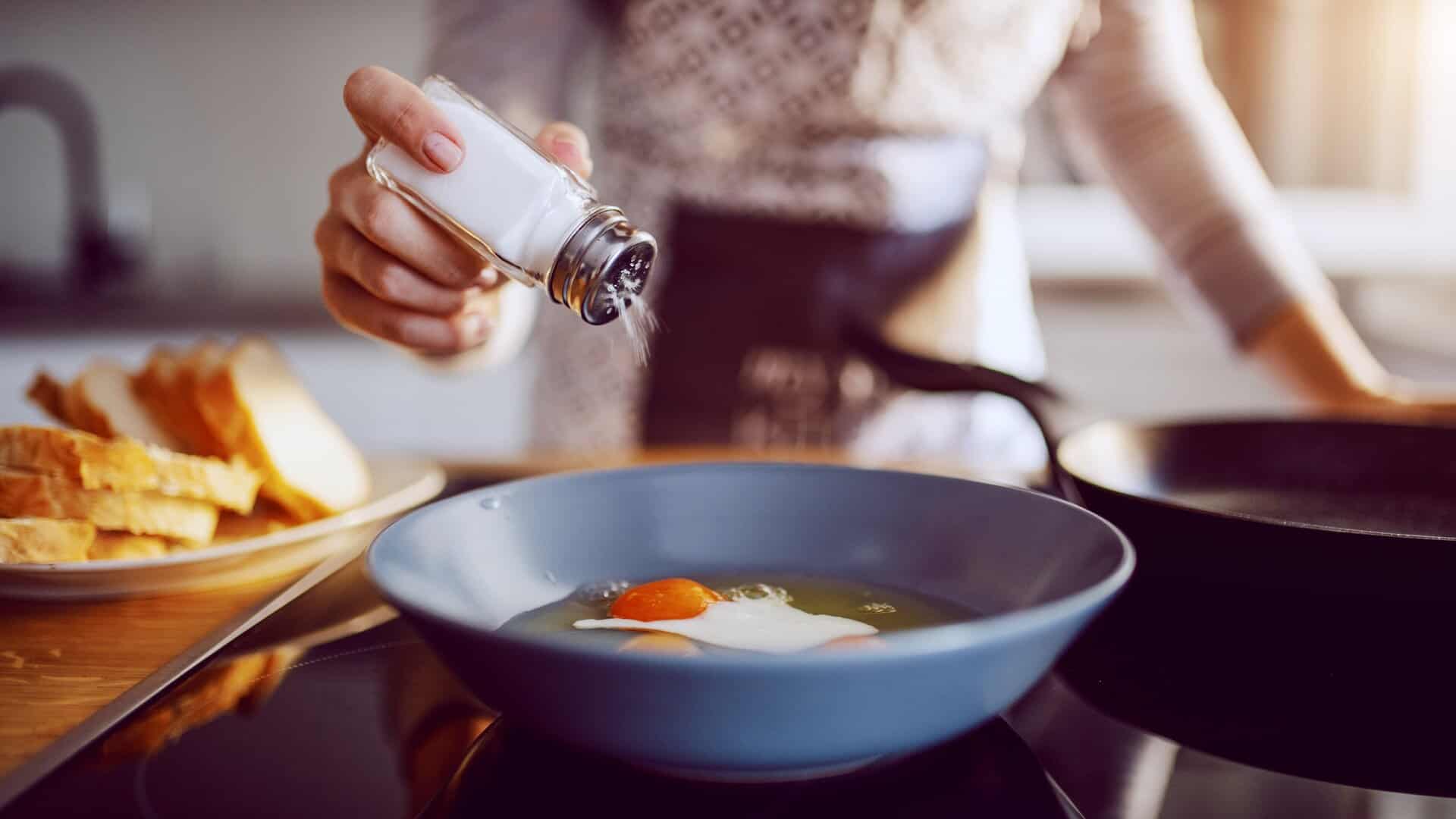
While tasting occurs during cooking, the ability to do so easily begins before cooking starts. Chefs set themselves up so they can quickly taste and adjust without disrupting the flow.
This might mean having a spoon ready and leaving space to pause and evaluate.
When you’re prepared to taste, you’re more likely to catch issues early!
Why these habits matter more than you think
None of these steps is complicated, but together they create a smoother cooking experience. They reduce stress and help you stay focused on the actual cooking.
More importantly, they lead to better results. Food cooks more evenly, and the entire process feels more controlled instead of rushed.
You don’t need to adopt everything at once. Start with one or two habits and once those feel natural, add another.
Leave a Reply