
Stale bread has a bad reputation, but it shouldn’t. A day-old loaf or a slightly hardened baguette isn’t spoiled; it’s just lost moisture. That’s an important difference. In fact, many dishes are built around bread that’s past its prime because the texture holds up better and absorbs flavors more effectively. Instead of tossing it, you can turn stale bread into something that tastes intentional, not like a last-minute save.
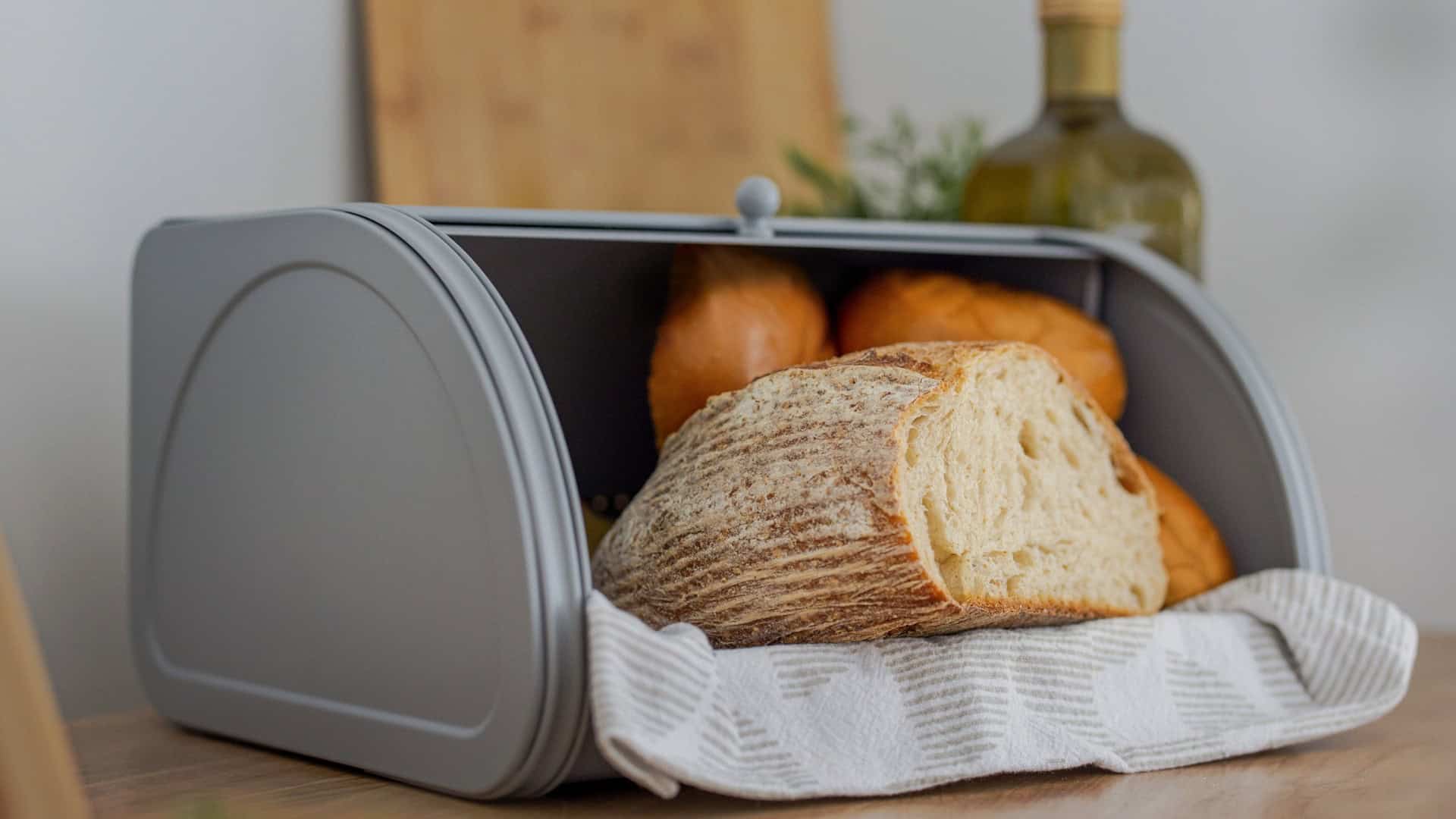
Fresh bread is soft because it contains moisture. As it sits, that moisture evaporates or redistributes, leaving the structure intact but firmer. This is exactly why stale bread works so well in recipes that need structure. It won’t fall apart as easily, and it can soak up liquids without turning mushy right away.
That means you’re not starting with a problem ingredient. You’re starting with something that’s actually better suited for certain uses. It’s also a simple way to reduce food waste and stretch your grocery budget without changing how you shop.
First rule: check for freshness, not softness
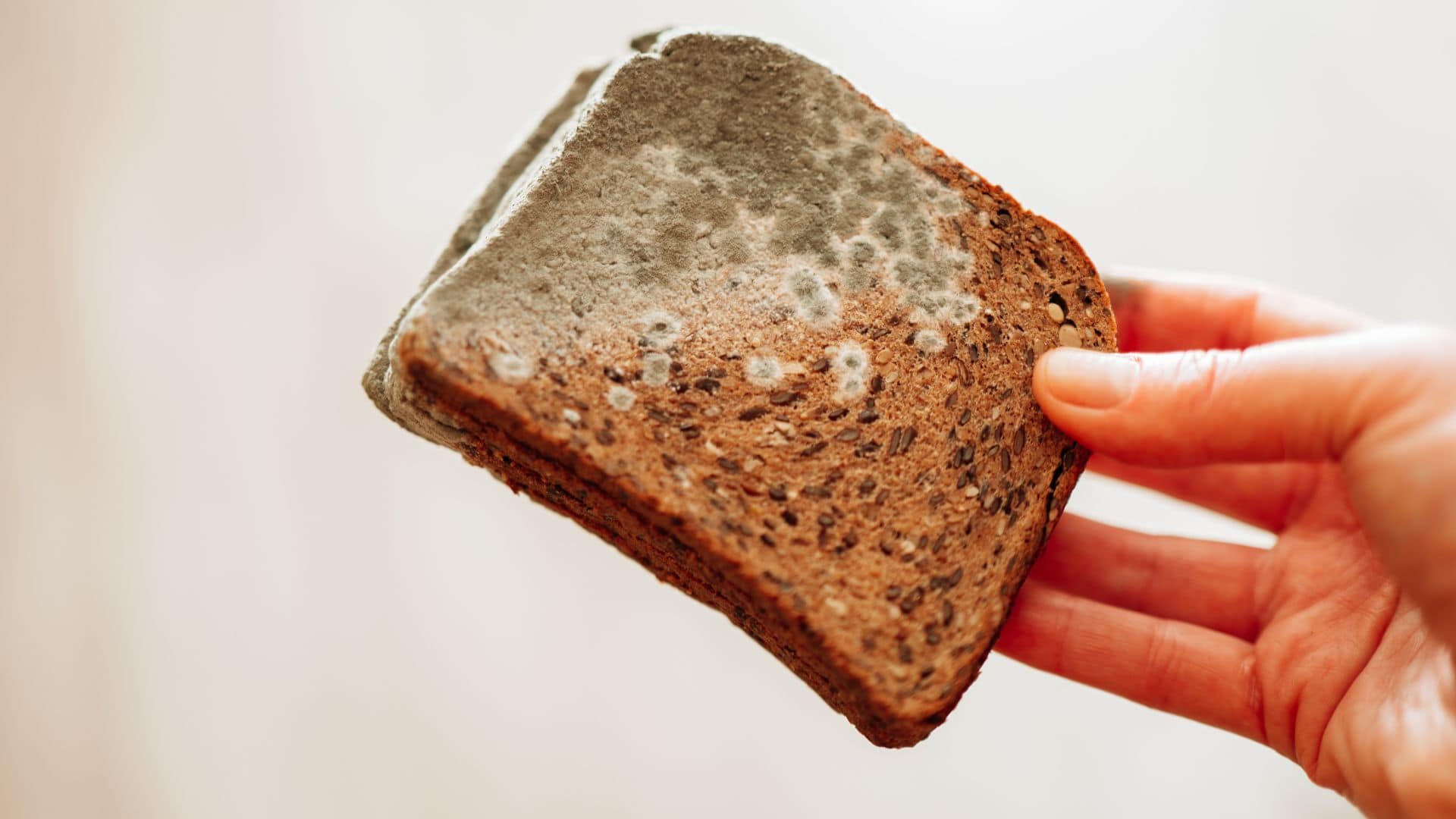
Before using any leftover bread, make sure it’s still safe to eat. Stale is fine. Mold is not. If you see any spots of mold, the safest option is to discard the entire loaf.
If it’s just dry or firm, you’re good to go. Even bread that feels too hard to slice can still be repurposed with a little creativity.
Reviving bread vs. repurposing it
There are two main paths you can take. You can try to bring the bread back to life or transform it into something new.
If you want to revive it, a quick sprinkle of water and a few minutes in a warm oven can restore some of its crust and softness. This works best for whole loaves or rolls and is ideal if you want to serve it alongside a meal.
Repurposing is where stale bread really shines. Instead of trying to make it taste fresh again, you lean into its texture and use it as a base for something else.
Think in categories, not recipes
When you see stale bread as a versatile ingredient, it becomes easier to use regularly.
One of the most practical uses is turning it into crumbs. Bread crumbs can be coarse or fine depending on how you process them, and they store well for later. They’re useful for coating proteins, topping casseroles, or adding texture to pasta dishes. If you season them before storing, they’re ready to go whenever you need them.
Another easy option is cubing the bread. Cubes can be toasted into croutons or used as a base for dishes that soak up liquid. Because stale bread holds its shape, it won’t collapse the way fresh bread can. This makes it ideal for anything that needs structure.
You can also slice stale bread thin and bake it into crisp pieces. These work well for spreads, dips, or simple snacks. The dryness actually helps create a better crunch without needing a long bake time.
Use it to build flavor
Stale bread is really good at absorbing liquids, which makes it perfect for dishes that rely on soaking. Whether it’s broth or a flavored mixture, the bread acts like a sponge while still keeping some texture.
This is why so many comfort foods use older bread. It adds body without extra ingredients and helps stretch a dish further. Instead of adding more meat or dairy, bread can fill in that gap while still tasting rich and satisfying.
Even small amounts can make a difference. A handful of torn bread stirred into a dish can thicken it slightly or add a soft, layered texture.

If you don’t have time to use stale bread right away, you don’t have to rush. You can freeze it. Slice it, cube it, or leave it whole, then store it in a freezer-safe bag. When you’re ready to use it, you can toast or bake it straight from frozen.
But if you wish to use your stale bread, here are a few recipes that show it can taste new and fresh again.
Banana bread pudding
This banana bread pudding is a comforting dessert that transforms leftover bread into something soft, rich, and deeply satisfying. Ripe bananas bring natural sweetness and flavor, while the bread soaks up a simple mixture, creating an almost melt-in-your-mouth texture. As it bakes, the inside stays soft and creamy, making it perfect for serving warm as a crowd-pleasing treat.
Stale bread tortino
Stale bread tortino is an easy baked dish that gives stale bread a second life in an easy, no-fuss way. Everything comes together into a soft, cohesive texture with just enough structure to slice and serve. It’s a flexible option that works well with whatever you have on hand.
Pfannenknodel
Pfannenknodel is a simple, pan-cooked dish that makes good use of stale bread by turning it into something hearty and satisfying. The mixture comes together easily, then cooks until lightly crisp on the outside while staying soft inside. It’s a practical, no-fuss way to turn leftovers into a filling meal.
French toast bites
French toast bites are a bite-sized twist on a classic, putting stale bread to good use. The pieces soak up a simple mixture, making the cutest and most delicious bites. It’s an easy, flexible option that works well for breakfast or a simple treat.
Homemade croutons
Homemade croutons are a simple way to turn stale bread into something crisp and useful. Cut into pieces and cooked until golden, they add texture and crunch to salads, soups, or even snacks. It’s an easy, no-waste option that comes together with just a few basic ingredients.
Once you start using stale bread in other ways, it’s hard to go back to tossing it. It becomes one of those kitchen habits that makes everything more efficient, more practical, and a little more creative.
Leave a Reply