
Every person who cooks makes a few mistakes in the kitchen. Some rely on the same pan for every meal, others measure by eye, and everyone has that one recipe that never turns out quite the same. When professional chefs talk about cooking, they notice what the rest of us overlook. A recent online thread highlighted these common mistakes, the ones people often don’t realize they’re making, and how much they can affect the outcome of a meal.
The story
The post came from someone curious to ask what many home cooks secretly wonder: “Professional chefs of Reddit, what are the top 3 mistakes you see the average home ‘chef’ commit?” Experienced chefs and kitchen veterans listed quite a few habits that drive them crazy: inconsistent measuring, cold pans, wrong oils, wrong seasoning mistakes, and too much confidence with too little practice.
The reactions
One chef shared the list with a few basics that almost every home cook has ignored at some point:
“1. Not properly weighing/measuring ingredients - ask five people to show you a cup of flour and then weigh all five on a gram scale if you don’t believe me.
2. Not adjusting times/temperatures for your cooking equipment - our ovens/grills/pans probably cook differently than yours.
3. Not using enough salt and fat. Yes, it may sound like a lot, but it’s why you pay us to cook for you.”

Proper measurement is one of the first lessons in professional kitchens. A cup of flour can weigh differently depending on how it is scooped. That is why chefs - including me - rely on scales only rather than measuring cups.
Adjusting temperature is also very important, whether you’re cooking or baking. Overheating or underheating can ruin any dish and impact its texture and flavor. Heat control determines how food browns, rises, or stays tender.
Salt and fat are equally important, but most people use them incorrectly or in insufficient amounts. Salt does more than make food “salty.” It brings out natural flavors, balances bitterness, and even affects how ingredients react during cooking. Fat carries those flavors across the palate and helps create texture in baked or cooked items.
Another chef mentioned one of the most common mistakes people make: “Not preheating pans enough. Not cooking on high enough heat. Moving stuff around in the pan too much.”
Food needs heat to brown properly, and most people start cooking before the pan is actually ready. A cold or barely warm surface causes food to steam rather than sear properly. To check whether the pan is hot enough, put a drop of water in the pan. If it starts to bubble, the pan is ready. If it doesn’t, heat it for a few more seconds before putting the food in the pan.
One person shared that most people are aware of using the oils, “Using the wrong type of oils.“
Every oil has a different smoke point, which is the temperature at which it starts to burn. When oil burns, it breaks down and gives food a bitter flavor. Olive oil, for example, is best used in dishes that require low to medium heat. However, other oils, such as coconut oil, clarified butter, or avocado oil, can withstand higher heat for frying or searing.
Many people use whatever oil is on hand for every task, which often leads to uneven cooking or a burnt taste.
Someone else mentioned a common but often-ignored mistake: “Crowding. Trying to cook too much of something in a pan that isn’t big enough.”
Everybody might have made this mistake, especially when batch-cooking or rushing dinner. Overcrowded pans trap steam, preventing food from browning. Restaurants avoid it by using larger surfaces or cooking in smaller rounds. For better flavor and browning, don’t crowd the pan; cook in small amounts or use a bigger pan if you’re short on time.
Not everyone focused on temperature or tools. Some chefs mentioned taste itself, which many people often ignore, “Not really thinking what combos of taste go together, I feel like cooking is like maths, there are rules to it, and ingredients are one of the biggest rules to master first.” The best dishes are made by balancing ingredients and spices and knowing which ones work together. Before experimenting, understand how each ingredient affects the flavor and texture of your dish.
Some chefs also shared their concerns regarding cross-contamination. One said, “Cross Contamination. It is less of an issue when serving people you know, care about, and are aware of their dietary limitations, but if someone cooked two dishes for a potluck, and one of those dishes has nuts in it, I would 100% assume that both dishes have nuts in it because most people in their home kitchens simply do not know or care about proper sanitation and illness prevention.”
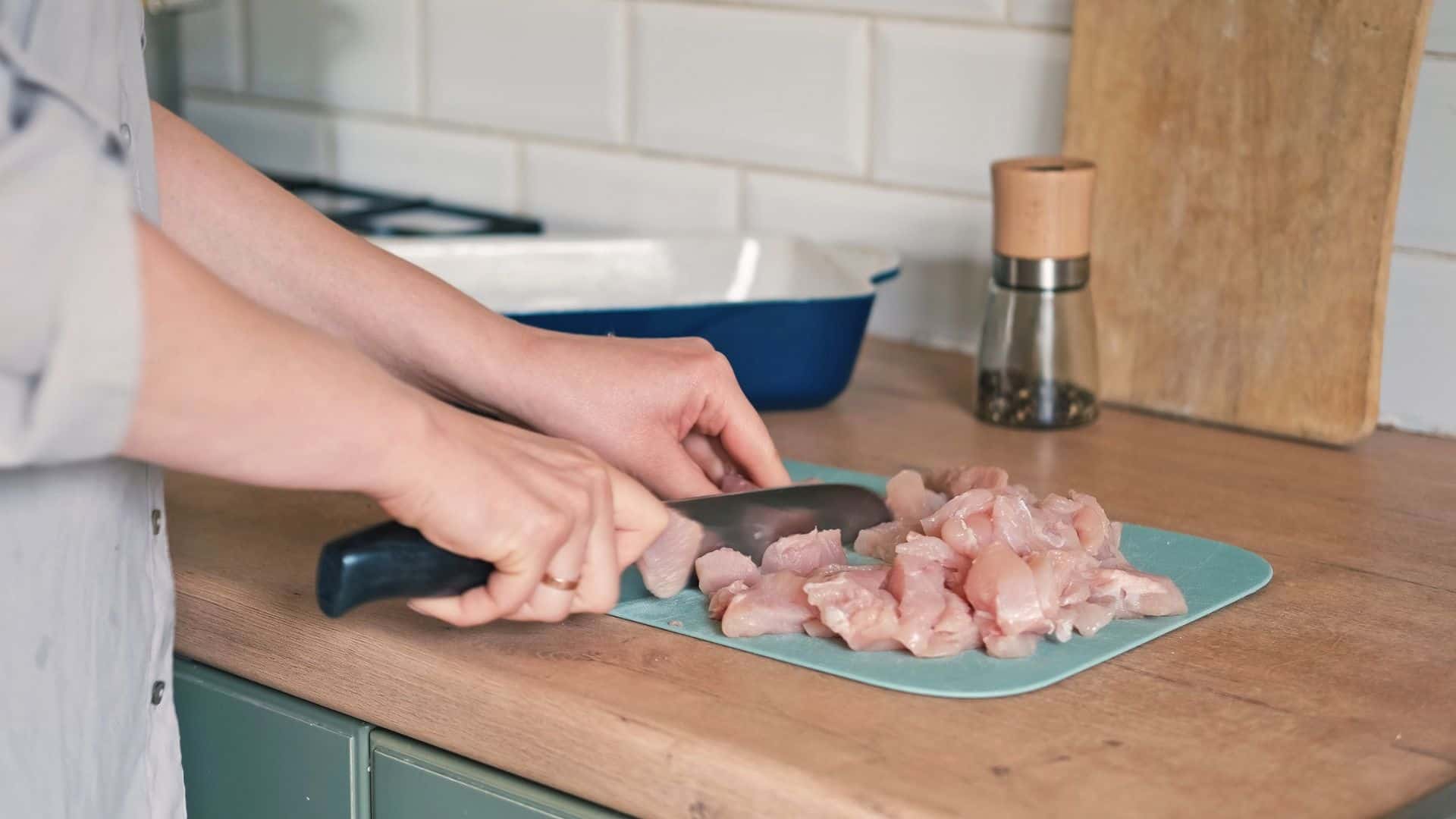
Many people don’t even think of it seriously when cooking at home. Professionals are trained to separate raw meats, allergens, and ready-to-eat items. At home, people don’t pay much attention to these. Raw meat and eggs can carry bacteria that spread easily when utensils or cutting boards aren’t cleaned between tasks.
Even wiping a counter with the same towel after handling raw chicken can transfer germs. To avoid contamination, wash your hands regularly, clean surfaces, and use separate tools for each item.
One chef shared that many people are not aware of properly seasoning their food, “Overseasoning or underseasoning everything.”
Chefs see this problem often. People season one part of the dish and forget the rest. The pasta water might be well salted, but the sauce is left plain. Others add soy sauce once and never taste it again. The solution is to taste during cooking and adjust as needed to achieve balanced flavors.
Another said, “Not practicing and ‘perfecting’ the basics before moving on to the extravagant meals for dinner parties!”

If you cook often, it’s essential to learn the fundamentals of cooking, which means getting comfortable with knife skills, sautéing, seasoning, and timing before trying any dish. Professionals spend years repeating simple techniques until they master them. Once you’re familiar with those skills, you can cook almost anything without struggling with the recipe or ingredients.
Other common mistakes people make
Chefs pointed out a few other mistakes that most people make, and they can affect how food tastes and cooks.
- Skipping prep work. Many people start cooking before everything is ready, which often leads to missed steps or uneven cooking.
- Cooking straight from the fridge. Cold meat or eggs can cool down the pan and prevent even cooking. Let them sit at room temperature for a few minutes before cooking.
- Using dull knives. A dull blade can make it hard to cut correctly. Keeping knives sharp saves time and gives cleaner cuts.
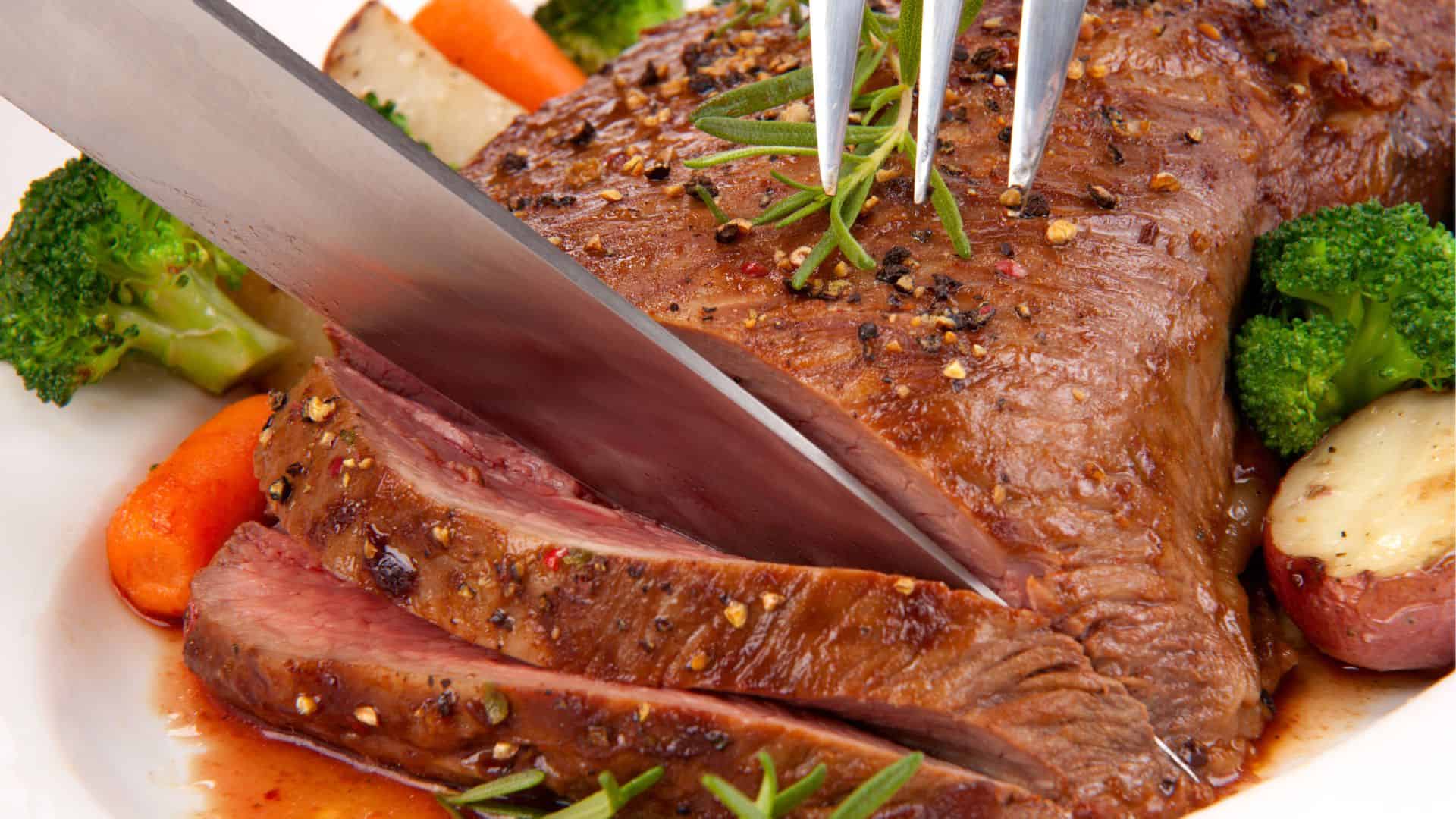
- Cutting too soon. Slicing meat right after cooking lets the juices run out, leaving the meat dry. Briefly rest the food to keep it moist.
Leave a Reply