
Thanksgiving is one of the most stressful times of the year. It often feels burdensome because it involves navigating dinner, preparing menus, managing guests, and making countless grocery runs. But there are plenty of ways to have a stress-free Thanksgiving.
Curating the perfect Thanksgiving timeline isn’t easy, but a few strategies can help make it less stressful.
A quick look at the overall flow
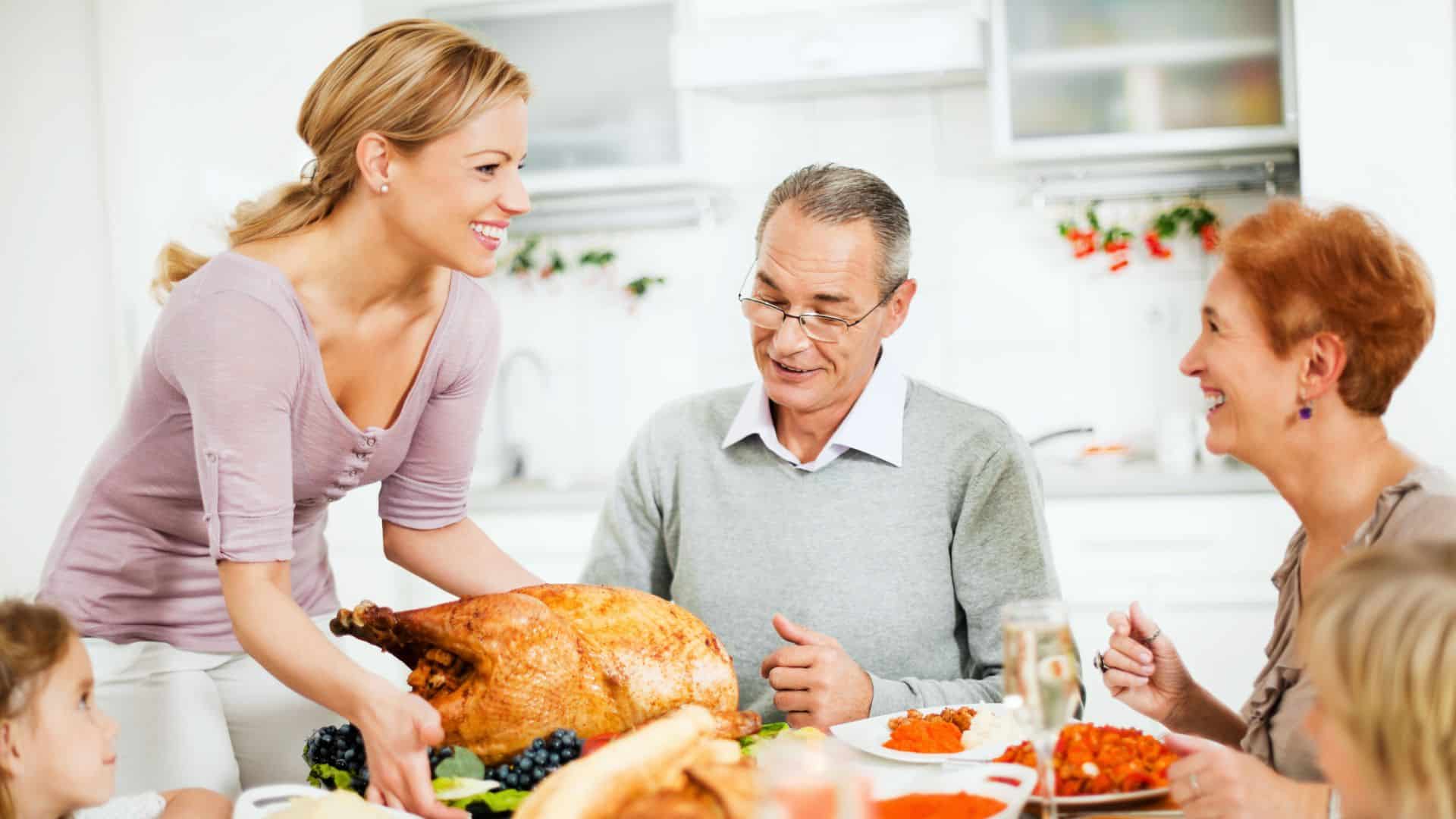
Hosts who chase perfection over pace often experience a disagreeable Thanksgiving. It is vital to structure the day and map out all contingencies, but leaving enough room to breathe might make it run smoothly. Prioritizing a healthy pace over expectations of perfection is the best way to move forward with an agreeable Thanksgiving timeline.
A few days before Thanksgiving
Hosts should consider taking these steps before Thanksgiving for a smooth experience:
Plan the menu without overdoing it
Many hosts tend to overcomplicate things by picking a complex menu. While food is important, Thanksgiving should not be a culinary experiment; it is best to stick with dishes one has already worked with. Planning a simple menu that takes everyone’s dietary needs into account and focuses on a few main dishes is an easy way to manage Thanksgiving dinner.
Grocery shopping (2–3 days before)

Don’t buy groceries too early. Most grocery stores offer discounts closer to Thanksgiving, so make grocery runs at least 2-3 days before the main event. Buying too early also means produce can wilt or lose flavor before you even start prepping. Lastly, it’s ideal to get extra cookware to ensure everything goes smoothly on Thanksgiving. If you don’t want to splurge on cookware, you can borrow from family or friends.
Prep what you can before the big day
People who skip food preparation and start everything on Thanksgiving Day are more likely to experience rifts and stress. It is best to prep at least a day or two before Thanksgiving. Preparing pie crusts, chopping vegetables like onions, celery, and carrots, and assembling casseroles make for a smoother kitchen run the next day.
The day before Thanksgiving
We advise keeping up with preparations at least a day or two before Thanksgiving to ensure a happy experience.
Do the heavier prep now
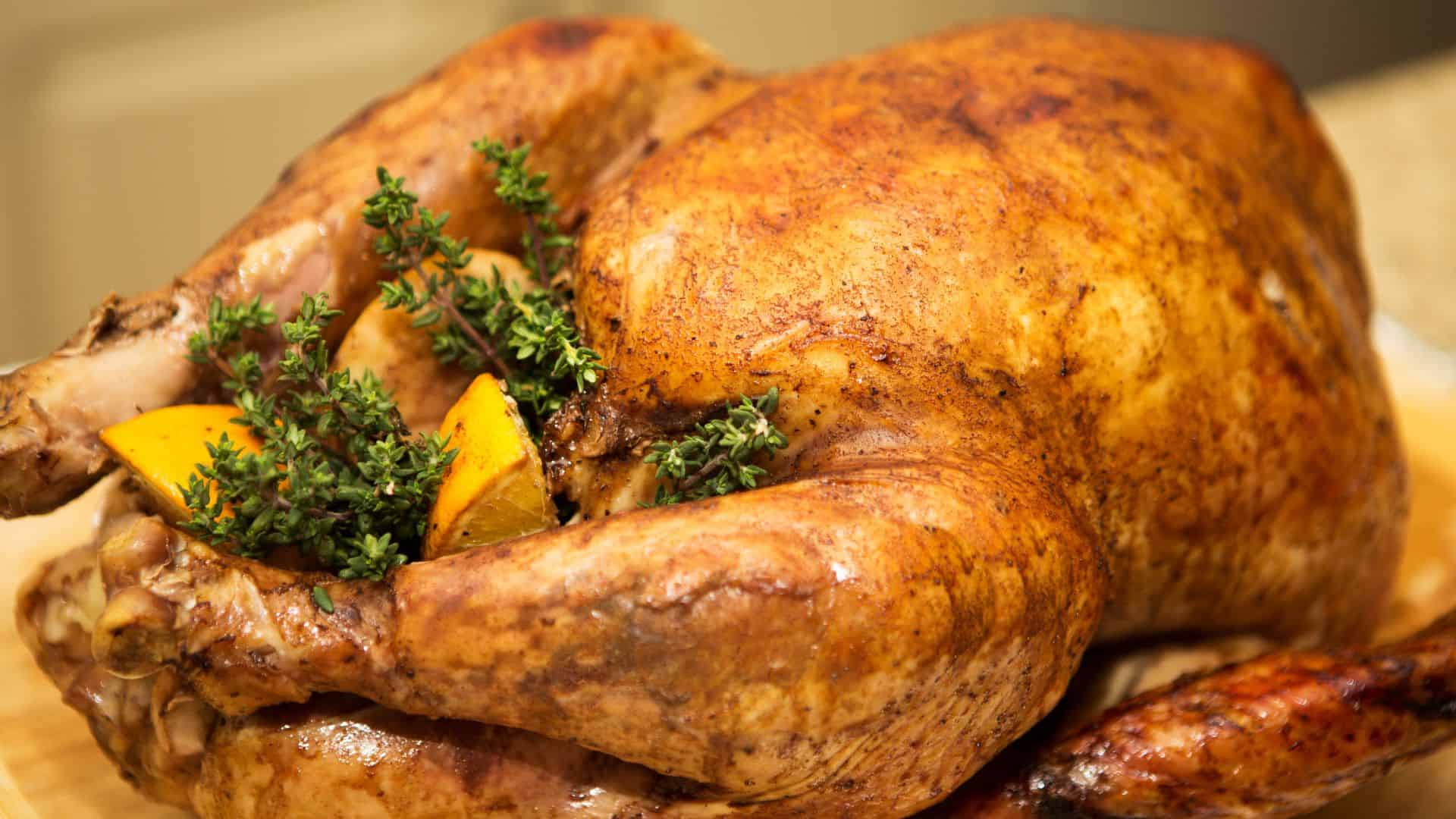
Cooking a turkey is challenging, with long hours of baking and making multiple side dishes. Hosts who leave everything to the day of Thanksgiving often find themselves in a more hectic, panicked state because they run out of time.
It’s best to handle the heavier prep the night before Thanksgiving. You can season the turkey, assemble the stuffing, and even set the table ahead of time. Getting these tasks out of the way makes the next morning a lot easier.
Bake the pie and any other desserts
Don't wait until the last minute to prepare the desserts. Baking pumpkin pie, apple pie, or most Thanksgiving desserts, the day before the holiday is one of the easiest ways to reduce kitchen stress. Custard-based pies need several hours to chill and set properly, which improves both flavor and texture. Preparing desserts ahead also frees up valuable oven space on Thanksgiving Day, when the turkey and sides dominate the schedule.
Thanksgiving morning
Thanksgiving morning should start slow and cozy. Starting the day in panic and haste will only affect dinner, so it is advised to stay calm.
Start the day slow
Hosts shouldn’t skip breakfast or start the day in panic just because it’s Thanksgiving. A healthy and fulfilling breakfast refreshes the mind and makes mornings pleasant, so it is always recommended to start the day slowly with a fulfilling meal. People who prioritize their well-being tend to be calmer and collected, so it’s easier for them to host Thanksgiving.
Get the turkey in the oven first
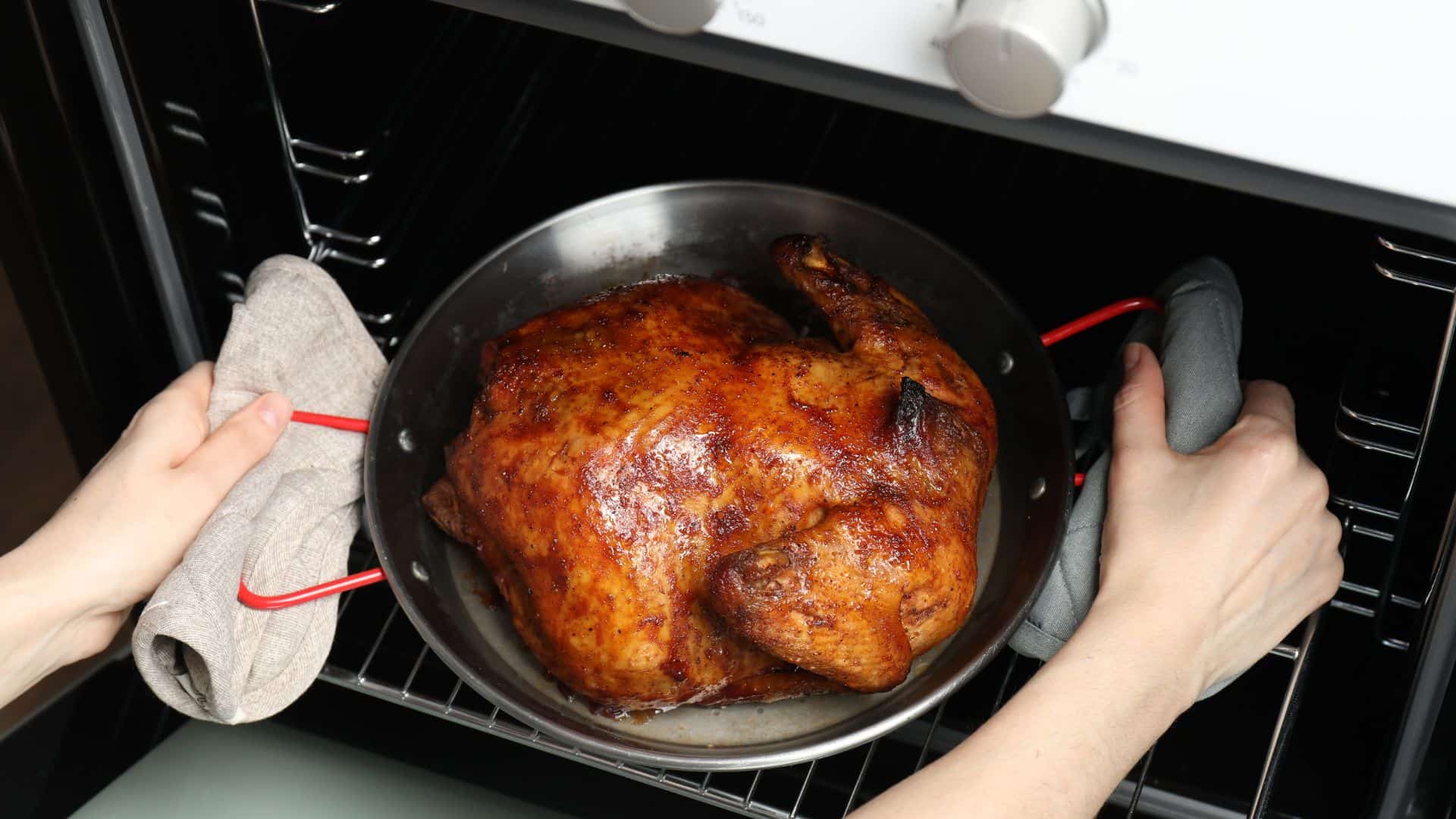
The roasting time for turkey determines everything else. So, start the Thanksgiving morning by roasting the turkey. Since turkey usually takes a couple of hours to roast and cook, setting it aside first ensures hosts have enough time to devote equal attention to the whole menu.
Bake or warm make-ahead dishes
Bake side dishes that require long cooling times, and those that can be reheated without drying. For example, casseroles usually take a long time to prepare, but bake quickly and can be reheated without any problems, so they must be next in line after the turkey. If you have already prepared or assembled any dishes a day before, you may be able to make them quickly and have them ready for dinner. Adjust oven temperatures as needed to ensure even cooking.
Clear counters and set up serving space
Hosts who were unable to set up a serving space must utilize this cooking time. Set up a service space by delegating seats, clearing counters, and ensuring there is space for guests to move around and socialize. Trivets, spoons, and napkins should also be put out early.
Right before serving
Rest the turkey
The turkey is usually the first to go into the oven and the last to come out. However, it is also recommended to let the turkey rest for about 30 to 45 minutes (or more, depending on its weight) before serving. Allowing the turkey to rest ensures it cooks evenly, adjusts to the atmosphere, and keeps the oven space open for side dishes.
Make gravy and final touches
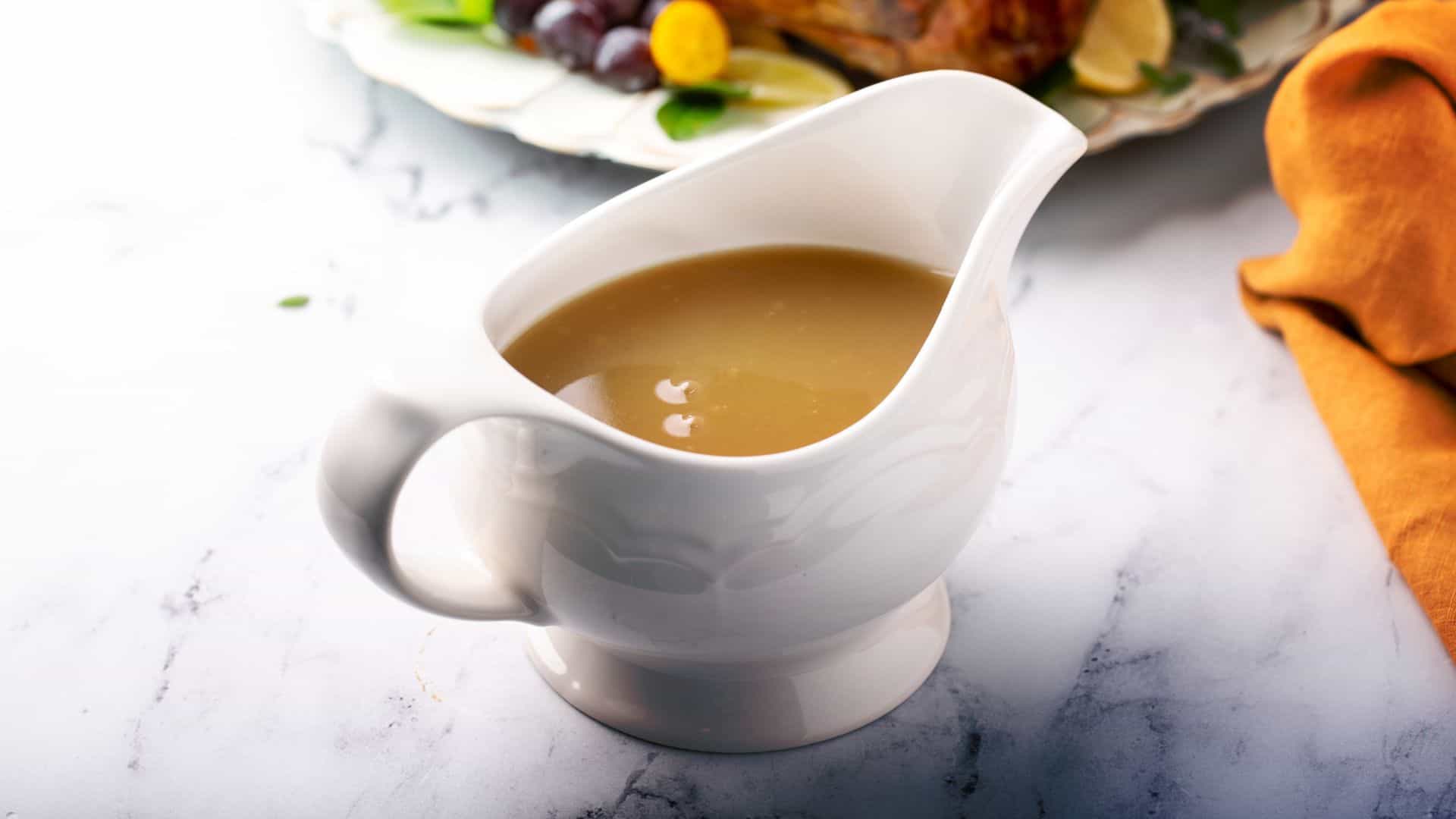
Before serving, make the gravy, warm the rolls, and make sure every dish is heated through. Give everything a quick taste to make sure it’s still balanced and nothing feels off after reheating. It’s mainly a final check and a chance to add a pinch of salt or a squeeze of lemon if something needs a bit more flavor.
Dinner time
Once everything is sorted, cooked, and heated, it’s time to serve the dishes.
Put everything out at once (without rushing)
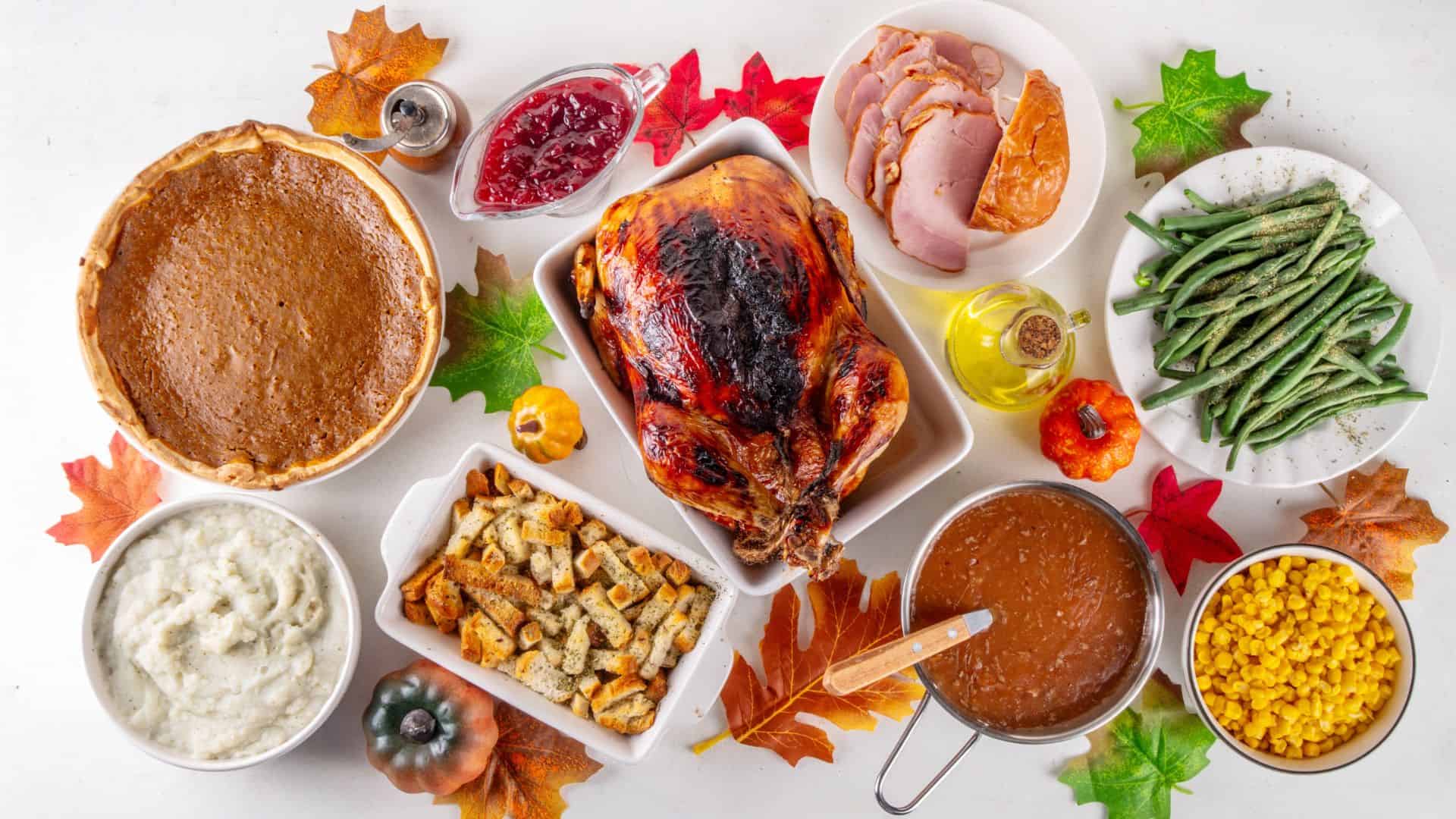
Prepare everything and place it on the counter. It is best to serve everything at once, or within seconds of each other, rather than rushing a few dishes and delaying others. It’s recommended to let guests serve themselves to keep an eye out for possible refills and keep the dinner conversation going while the food is still hot.
After dinner
Taking these steps after Thanksgiving dinner adds a positive end to the experience:
Clean-up
Cleaning up food as one cooks and clearing the kitchen as soon as guests leave make for a more pleasant experience than letting dishes sit in the sink until the next day. A quick clean-up also makes the next morning easier. You can also politely ask a guest or two to help by clearing the table.
Give yourself a break

Unwinding after a long and exhausting Thanksgiving dinner is the only way to end the day on a good note. Skipping relaxation and ignoring the need to unwind can make for an exhausting, unpleasant night. Change clothes, take a bath, indulge in a hobby, or prioritize similar activities to boost mood.
Leave a Reply