
Hosting Thanksgiving dinner can feel like a marathon of cooking, cleaning, and coordinating. The best hosts know the secret lies in preparation long before the first guest arrives. From organising the space to handling dietary requests, these steps ensure a comfortable, enjoyable gathering that guests will cherish forever.
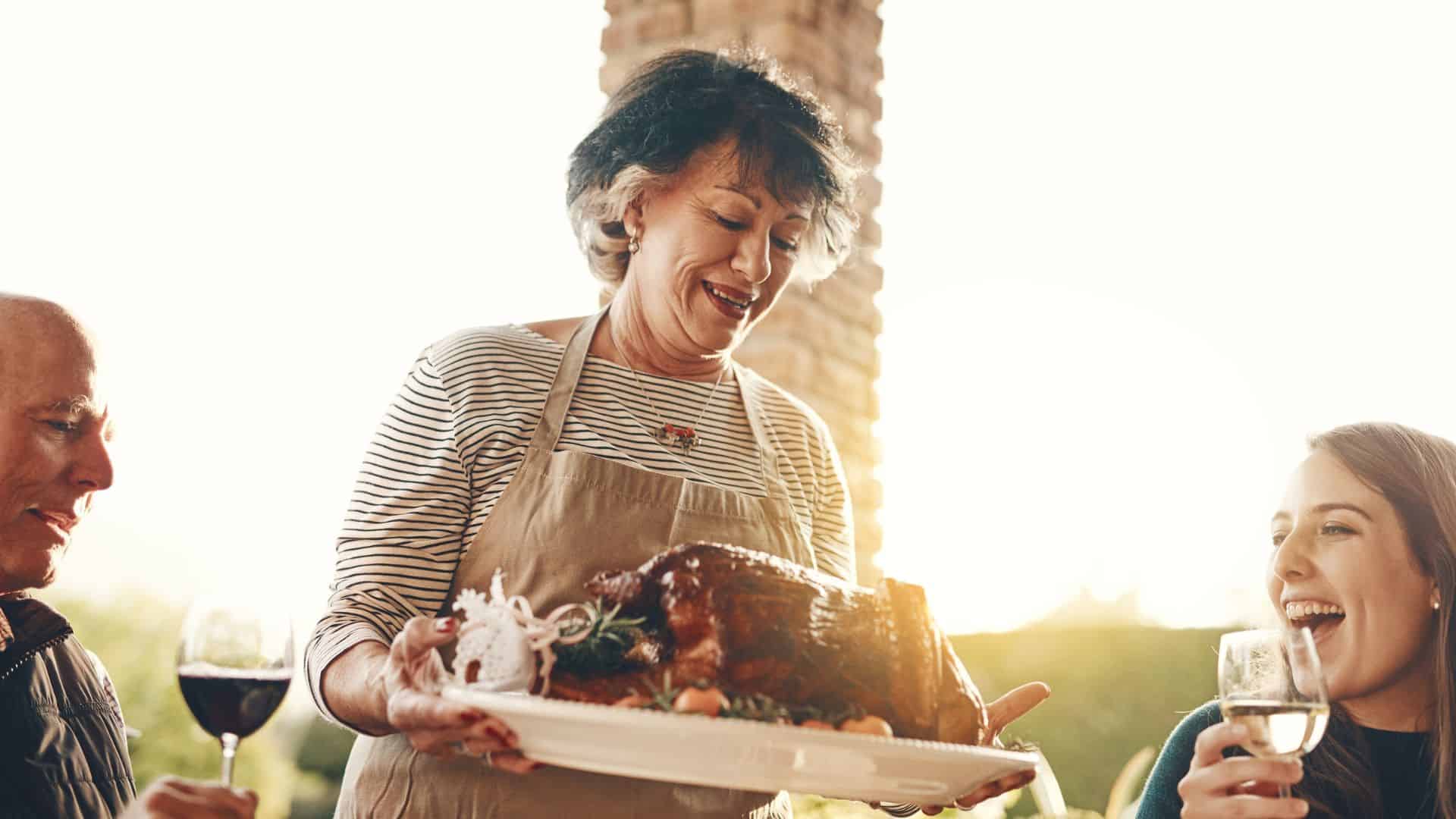
1. Confirm guest count and dietary needs
Reach out to guests a week or so before the dinner to confirm how many will attend and to check whether anyone has dietary restrictions or allergies. If you know in advance that someone avoids gluten, doesn’t eat meat, or has a nut allergy, you can plan alternatives that make them feel included without extra stress.
Having a clear guest list makes it easier to choose the right turkey size, enough seating, and extra plates.
2. Set up the dining space and flow
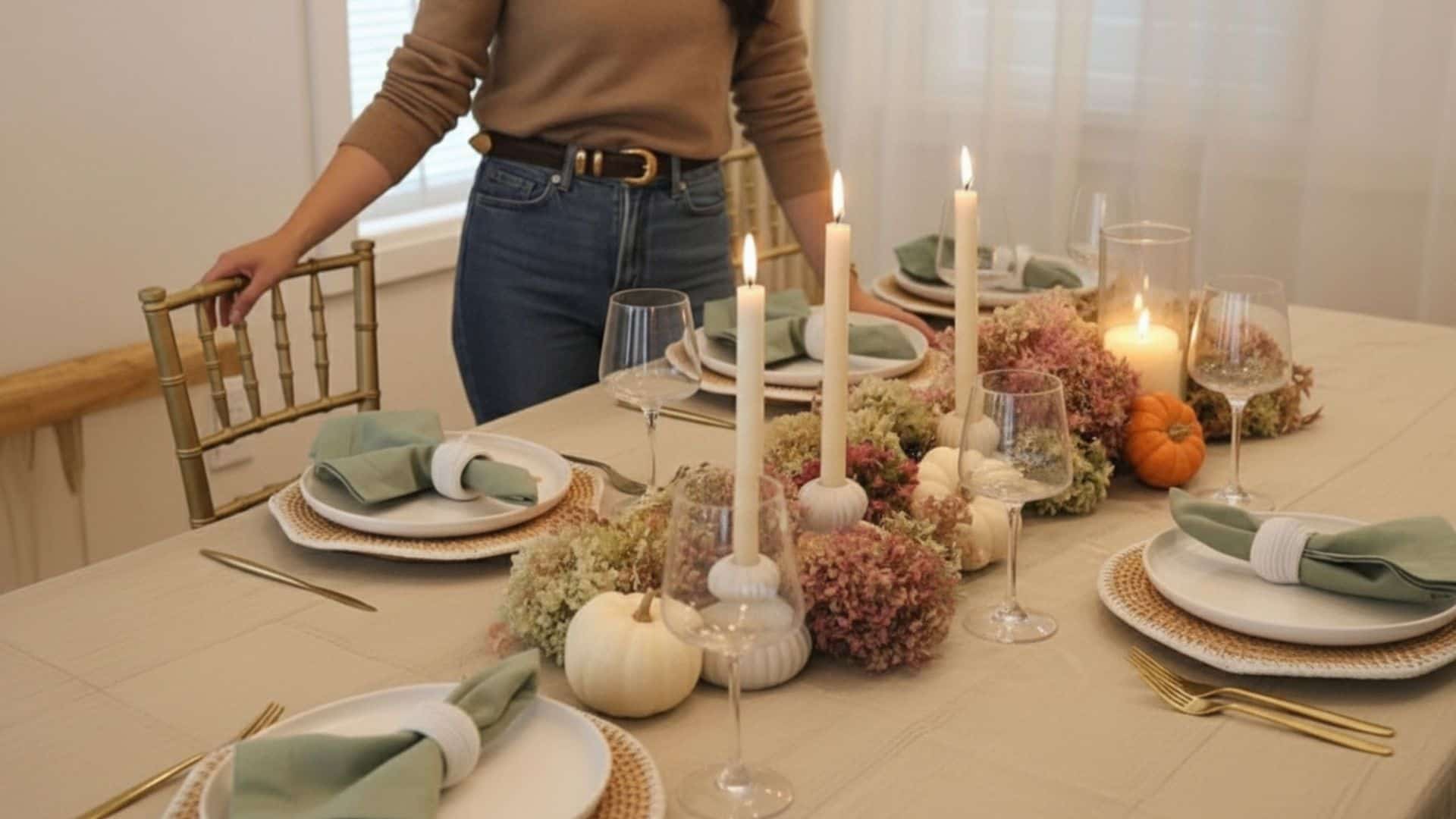
A comfortable dining setup is just as important as the food itself. Before guests arrive, take a moment to visualize how people will move through your home. Try mapping out the traffic flow in the dining and gathering areas.
Clear away nonessential furniture, and arrange seating so people can move easily. Set up a buffet or self-serve station if needed. This reduces bottlenecks when people serve themselves or move drinks to the living room. It also helps those arriving late or bringing items from the kitchen to feel comfortable.
3. Prepare as much food as possible ahead of time
Cooking or prepping side dishes, desserts, and salads ahead of time eases the pressure on the day. For example, make casseroles the day before and refrigerate; chop vegetables ahead; pre-bake Thanksgiving pies; assign dishes that just need reheating.
Doing the prep work early frees up your oven and counter space, reduces stress, and gives you time to actually enjoy your guests instead of being stuck in the kitchen. When dinner time comes, you’ll be calm, confident, and ready to serve food that looks and tastes like you didn’t rush a thing.
4. Designate a drop zone and guest arrival plan
When guests arrive, it’s helpful to have a clear drop-off zone for coats, bags, and shoes. Set up a welcoming area near the entry or foyer so guests aren’t left wandering. They may also plan the arrival timeframe, for instance, suggesting guests arrive fifteen minutes early so drinks and snacks are ready.
Having a simple arrival plan means the host isn’t scrambling to greet people while juggling kitchen tasks.
5. Stock the beverage and snack table
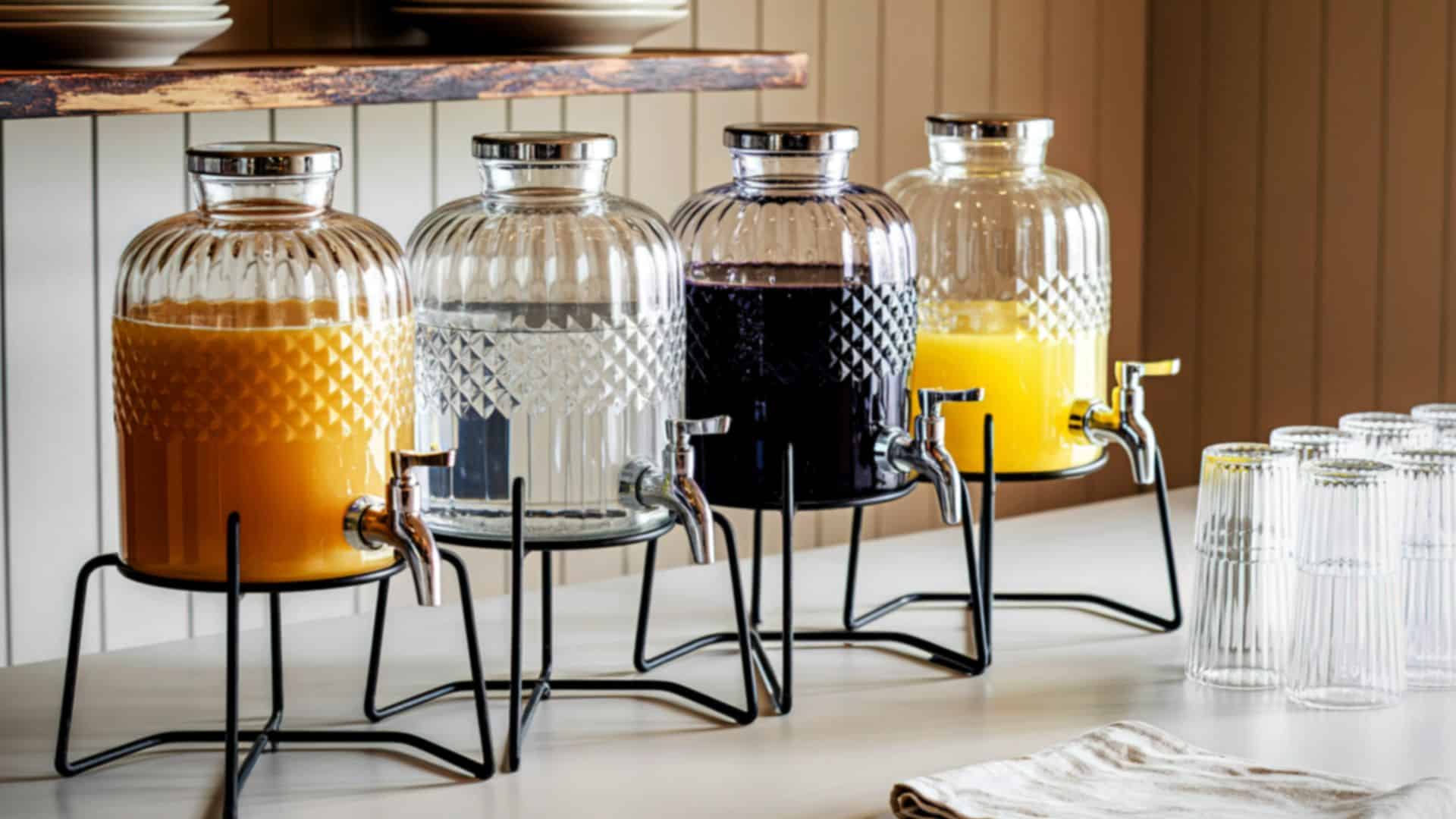
Having drinks and small bites ready before guests arrive instantly sets a welcoming tone. A well-stocked beverage station keeps traffic out of the kitchen and encourages guests to help themselves.
Offer a mix of options—sparkling water, juice, wine, and maybe a signature cocktail or mocktail—to suit everyone’s preferences. Add plenty of ice, clean glasses, and a few garnishes, such as citrus slices or fresh herbs, for a polished touch. Alongside drinks, place a few light snacks such as nuts, cheese, or a small charcuterie board to keep early arrivals happy without spoiling their appetite.
6. Create a timeline and delegate tasks
Even the most experienced hosts can feel overwhelmed without a plan. Schedule equal less stress: when the turkey goes in the oven, when the sides are ready, and when the dessert is chilled enough to serve.
Delegating roles to a partner, children, or close friends ensures the host isn’t the only one responsible, so don’t hesitate to delegate tasks. Assign someone to handle drinks and another to take coats. Delegating doesn’t make you less of a host; it lets you focus on the big picture and enjoy the celebration without feeling pulled in 10 directions.
7. Check seating, table setting, and lighting
Before guests arrive, take a few minutes to review how the table looks and feels. Make sure there’s enough space for everyone to sit comfortably, with chairs evenly spaced and tableware neatly arranged. Double-check that utensils, napkins, and glasses are clean—small details that make the table feel intentional rather than rushed.
If you’re using place cards, now’s the time to adjust them for the best flow of conversation and easy access to serving dishes. Once the setting is done, focus on lighting. Dim overhead lights, add candles or soft lamps, and avoid harsh brightness that can make the space feel cold or clinical.
8. Handle last-minute cooking and resting time
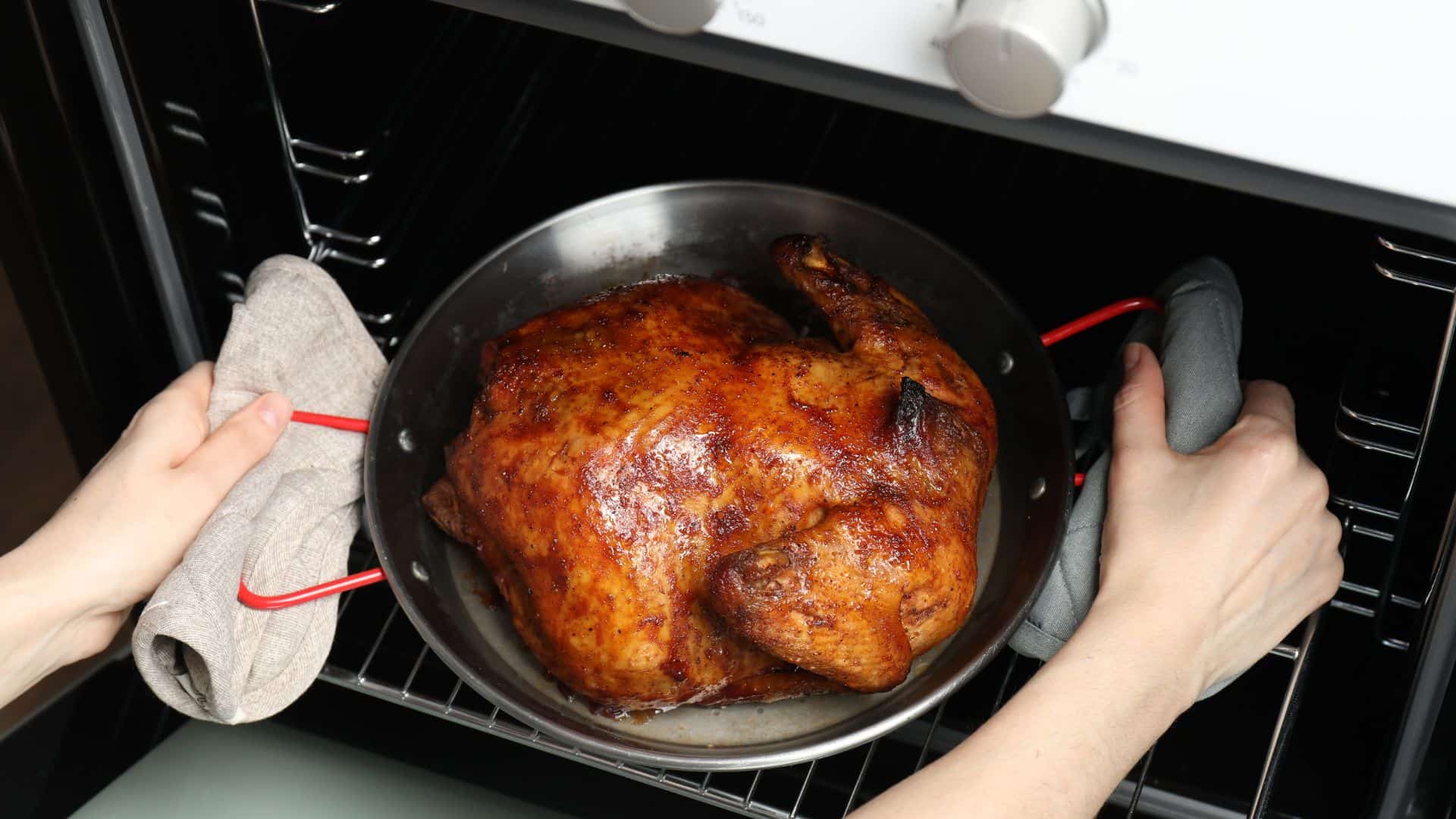
As the final countdown begins, focus on timing and temperature. Plan your last-minute cooking so that hot dishes come out in sync. Don’t forget to let meats, especially turkey, rest before carving; this simple step locks in juices and makes slicing easier. A calm kitchen and well-timed rest periods mean your food stays at its best and you get to greet your guests with a smile.
9. Set up kids’ or casual zones
Some hosts arrange a separate zone, maybe a living room with games, cushions, or a TV corner for kids to play. That way, the dining area remains free for those focusing on the meal, while younger or more active guests have space to relax. This prevents the main table from becoming too chaotic and gives everyone a place to feel comfortable.
10. Prepare for clean-up after dinner
Think ahead about cleaning up. Before the meal, place a few garbage bags in an accessible spot, line up containers for leftovers, and have towels ready for spills. It also means the post-dinner phase is less stressful, which allows the host to relax with guests rather than deal with the mess.
Thanksgiving dinners rarely go exactly as planned. Something’s always late, something gets cold, and someone forgets the cranberry sauce in the fridge. Hosting Thanksgiving doesn’t have to be overwhelming, nor perfect. With a little preparation and planning, you can turn a hectic holiday into a warm, memorable gathering.
Leave a Reply