
Holiday baking can be fun until you realize your cookies are burnt, your cake hasn’t risen, and the pie crust has broken apart. Most of the time, the problem isn’t the recipe itself, but the underrated tips that people tend to ignore. As a professional baker, I wanted to see what home bakers recommend to each other, and I’ve gathered some of the best advice they shared, along with my own tried-and-true professional tips.
The story
Someone asked on Reddit, “What’s an underrated baking tip that makes a huge difference for you?” The person who asked shared their own experience. For them, it’s letting things cool properly before cutting into them. They said they used to wait only 25 to 30 minutes before slicing cakes and loaves, thinking that was enough. Everything looked perfect at first, but later the texture changed. But now, they let the baked goods rest for a few hours until they are cool to the touch, and the texture turns out perfect every time.
The reactions
People shared their own baking tips and lessons they learned. One baker said, “Replacing ½ the water in pie crusts with ice-cold vodka. Crusts come out so much flakier!”
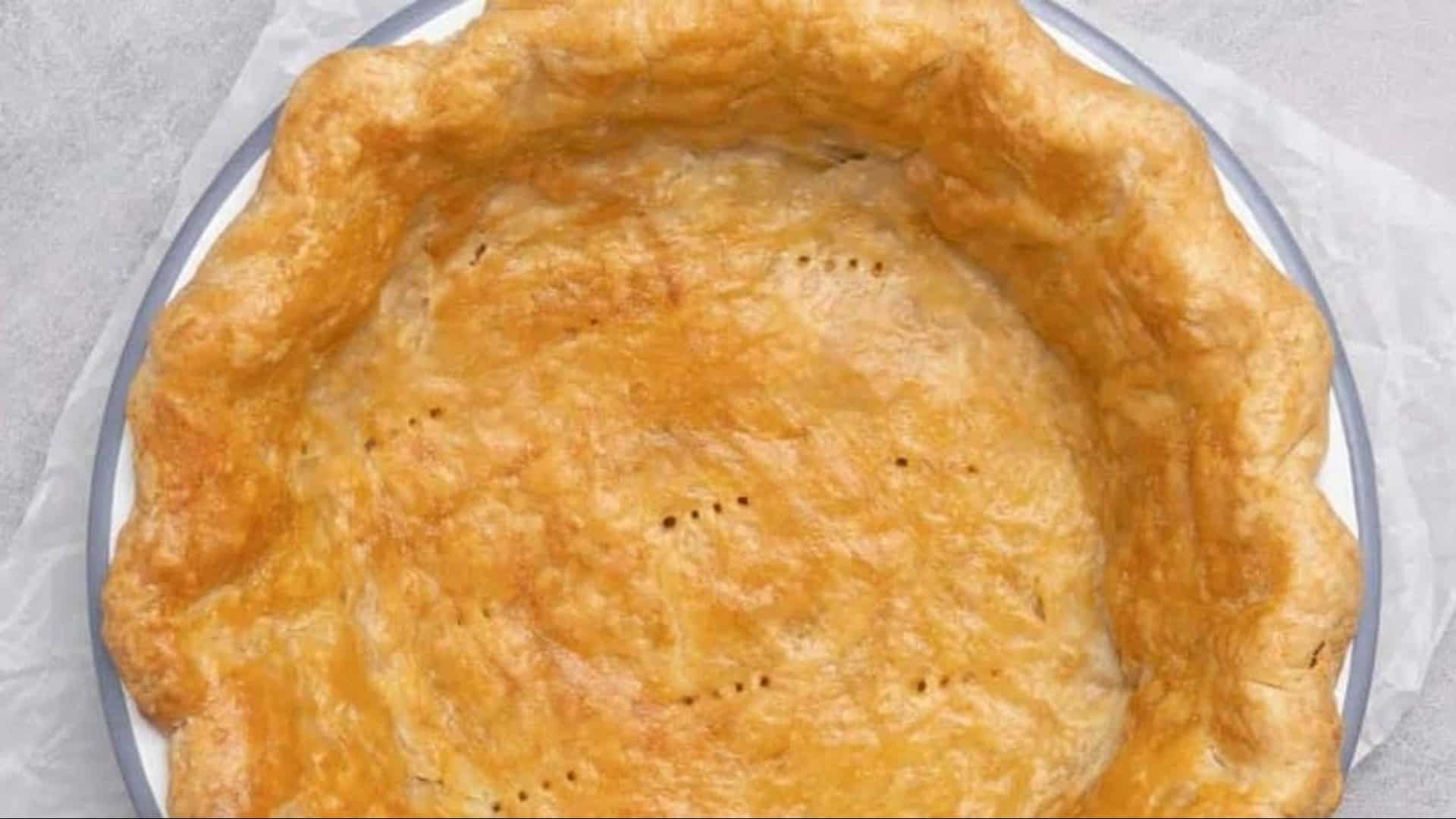
Vodka evaporates faster than water, which keeps the crust from turning hard. It lets you roll the dough out without cracking it and helps the crust stay moist and tender. As a professional baker, I probably wouldn't recommend replacing half of the water; however, a quarter seems more reasonable.
Another person added a simpler version for those who don’t want to use alcohol, “For people not comfortable with using vodka or don’t keep alcohol in the house, vinegar has the same effect (I still use water but replace a few teaspoon of it with white vinegar).” - Yes! that is in fact how I make my flaky pie crust. I add 120 g (½ cups) of water and 30 g (2 tablespoons) of apple cider vinegar.
Vinegar adds the same acidity that keeps gluten from overdeveloping. The dough holds together better and rolls more smoothly. Please don't worry, it won't impact the taste.
Someone else shared how flavor can be improved with the simplest ingredients. “I always use a bit more salt than listed in sweets. I also use a lot more vanilla than listed. These hacks make food more flavorful.”
A small extra pinch of salt can enhance the taste of desserts. Vanilla enhances any dessert, especially cookies or cakes that might otherwise taste plain. As a baker, I approve this hack; however, make sure to use good-quality natural vanilla extract. Here is my homemade vanilla extract recipe.
Chocolate lovers added a tip that may surprise some beginners: “Espresso powder goes in all the chocolate baked goods.”
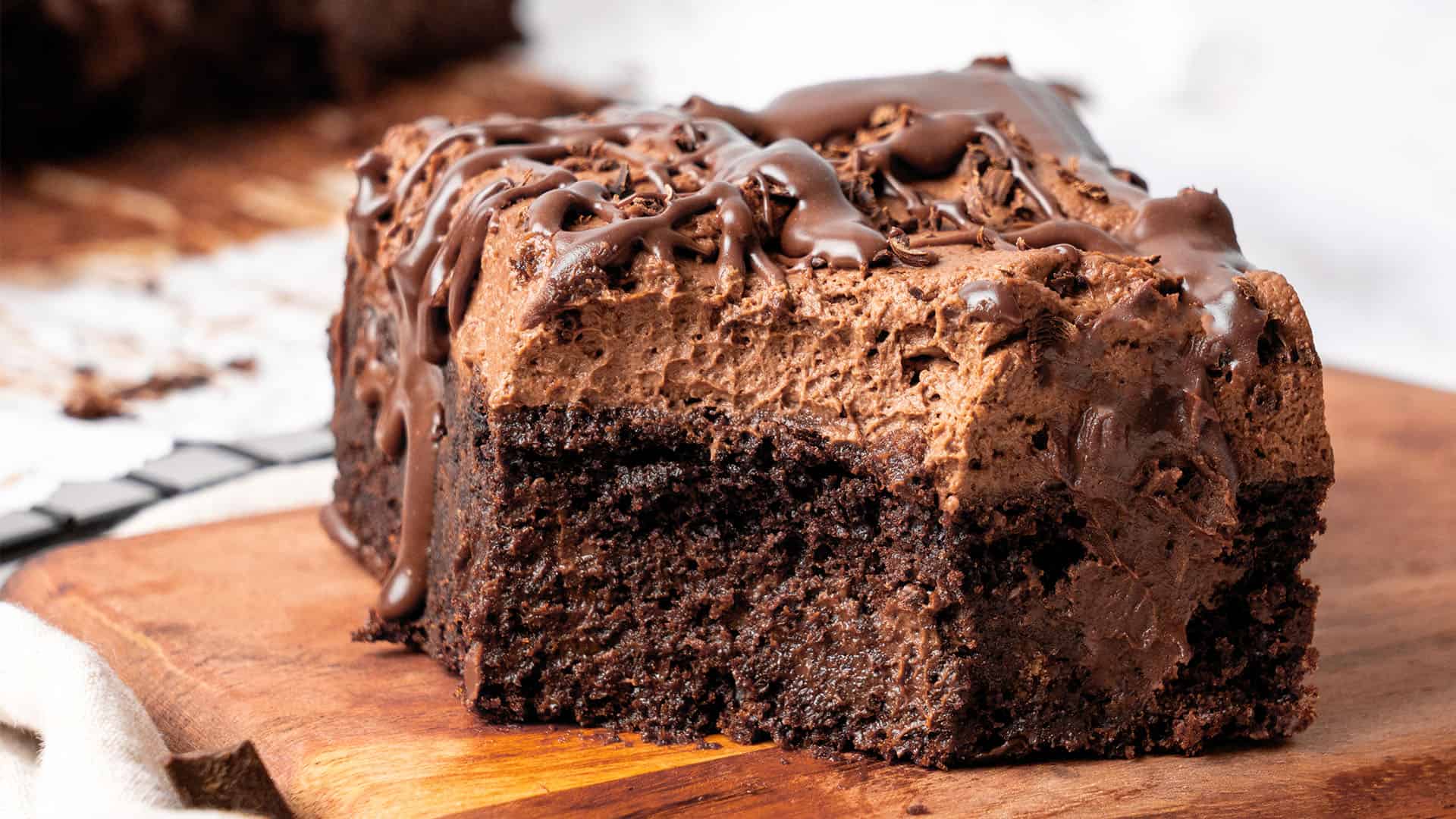
Adding espresso doesn’t change the taste of desserts. It just makes the chocolate flavor firmer and smoother. A few people said they learned this from old cookbooks that called for “instant coffee granules,” which have the same effect. - I loved reading this tip! I also add freshly brewed coffee to chocolate cake; it gives the cake an intense flavor without the taste of the coffee.
One baker wrote about how changing one ingredient made everything taste better: “Using real butter. I grew up in a margarine household and had no clue it wasn’t real butter.”
Several others agreed, saying switching from margarine to butter changed everything, especially texture. Butter melts differently, browns better, and gives cookies that chewy texture you can’t get with margarine. Some said they noticed their cakes rose more evenly and had a richer smell while baking. I cannot emphasize this enough. Baking with high-quality 82% fat content butter is the best way to level up your cookie game!
Another baker shared a tip to ensure the cakes are baked to perfection. They said, “Listen to your cakes. If you open the oven, and they’re hissing, give them a couple more minutes. When they go quiet, they’re done.” I personally prefer visual clues —like a toothpick check and checking the side to see if it starts to pull off the pan—over listening. However, it also makes sense and can be a good additional clue to check.
One user shared a time-saving fix for something every baker has done: forgetting to take eggs out of the fridge. They said, “If a recipe calls for room temperature eggs and you only read that five minutes before you need them, place the eggs in a bowl of warm water.”
Another user shared a tip that explained why their cakes suddenly started turning out better:
“Any time a recipe calls for creamed butter and sugar, I always cream the butter first for quite some time before adding sugar, and then minimal mixing of ingredients after. The air that gets incorporated into the butter is what delivers fluffy cakes!”

Beating the butter longer gives it time to fill with air, which helps the cake rise better. When you rush this step, the batter stays thick, and the cake turns out dense instead of soft and fluffy. It takes a little patience, but once you try it, you won’t skip it again. The creaming method is a crucial step and often undervalued. Read my helpful guide on how to cream butter and sugar properly.
Someone else shared a fall favorite tip people should try this season: “If you’re making the typical fall baked goods with the typical fall spices, go ahead and measure heavy on the spices. Personally, I go extra heavy and always get a lot of compliments.”

I use extra cinnamon and nutmeg in almost everything: pumpkin streusel bread, pumpkin banana muffins, and even apple bread pudding. It enhances the flavor of desserts and smells amazing while they bake. This small change can make your fall desserts taste irresistible every time!
And one comment was one every baker could use, “When baking anything, always sift your dry ingredients…including prepackaged mixes. It makes a difference in the texture of the baked goods.”
Sifting takes seconds but improves texture. It breaks up clumps, spreads baking powder evenly, and makes cakes softer.
Other baking tips I recommend
Here are a few other tricks worth remembering in the kitchen:
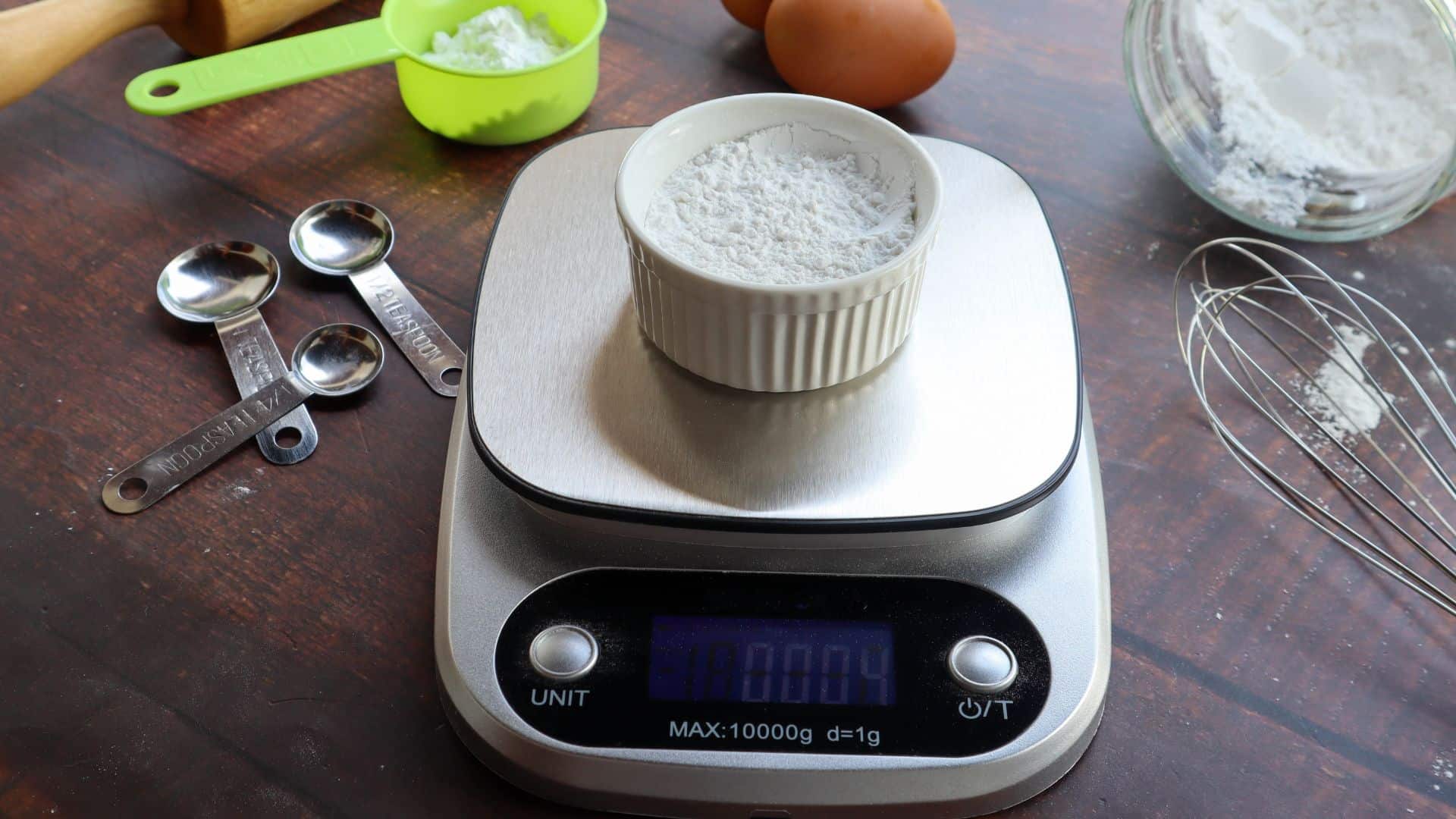
Use a digital scale. Measuring by weight keeps your baking results consistent and prevents dry or heavy textures. Once you start using a digital scale, you’ll notice your cakes and cookies turn out the same every time.
Check your oven temperature. Ovens most often run either too hot or underheat. I recommend buying an oven thermometer to know the exact temperature. No more burnt cookies!
Avoid opening the oven early. Sudden temperature drops can affect the texture of your cakes. I know it’s tempting to peek, but every time you open the door, you’re letting hot air out. Set a timer, trust the process, and check only when you’re close to the end of the bake time.
Line your pans. Parchment paper or silicone mats prevent the batter from sticking. It also helps your baked items, such as cakes, release neatly without breaking apart. I usually cut the parchment to fit the bottom of the pan so it lies flat and doesn’t wrinkle.
Cool everything on a wire rack. Airflow underneath keeps the bottoms from getting soggy. If you leave things on a tray or plate, it can trap the steam and soften your crust. Always put your baked items on the wire rack to cool down.
Leave a Reply