
Cooking steak sounds simple—until you end up with something tough, dry, or just plain disappointing. I’ve learned the hard way that even small missteps can turn a great cut of meat into a letdown. Whether you're firing up the grill or using a skillet, a few key tips can make all the difference. There are some common mistakes that are easy to fix once you know what to watch for. Nail them now, and you’ll be serving up perfect steaks every time—just in time for BBQ season.
Choosing The Wrong Cut
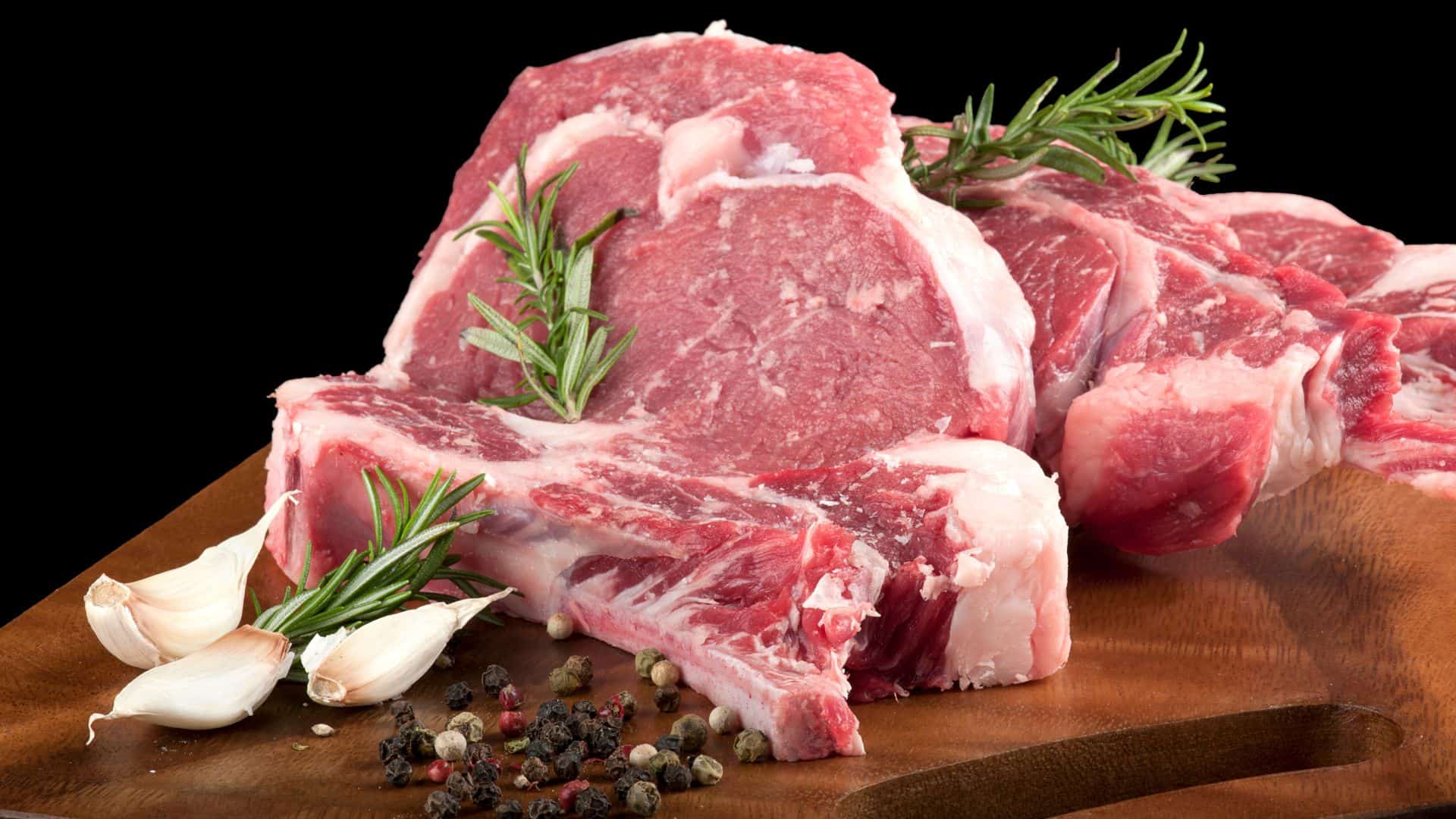
The right cut of steak can make a world of difference. For example, a ribeye steak with marbling is great for grilling or pan-searing. To avoid the wrong cut, choose a steak with the best characteristics for your preferred cooking method and meal.
Not Preparing The Steak
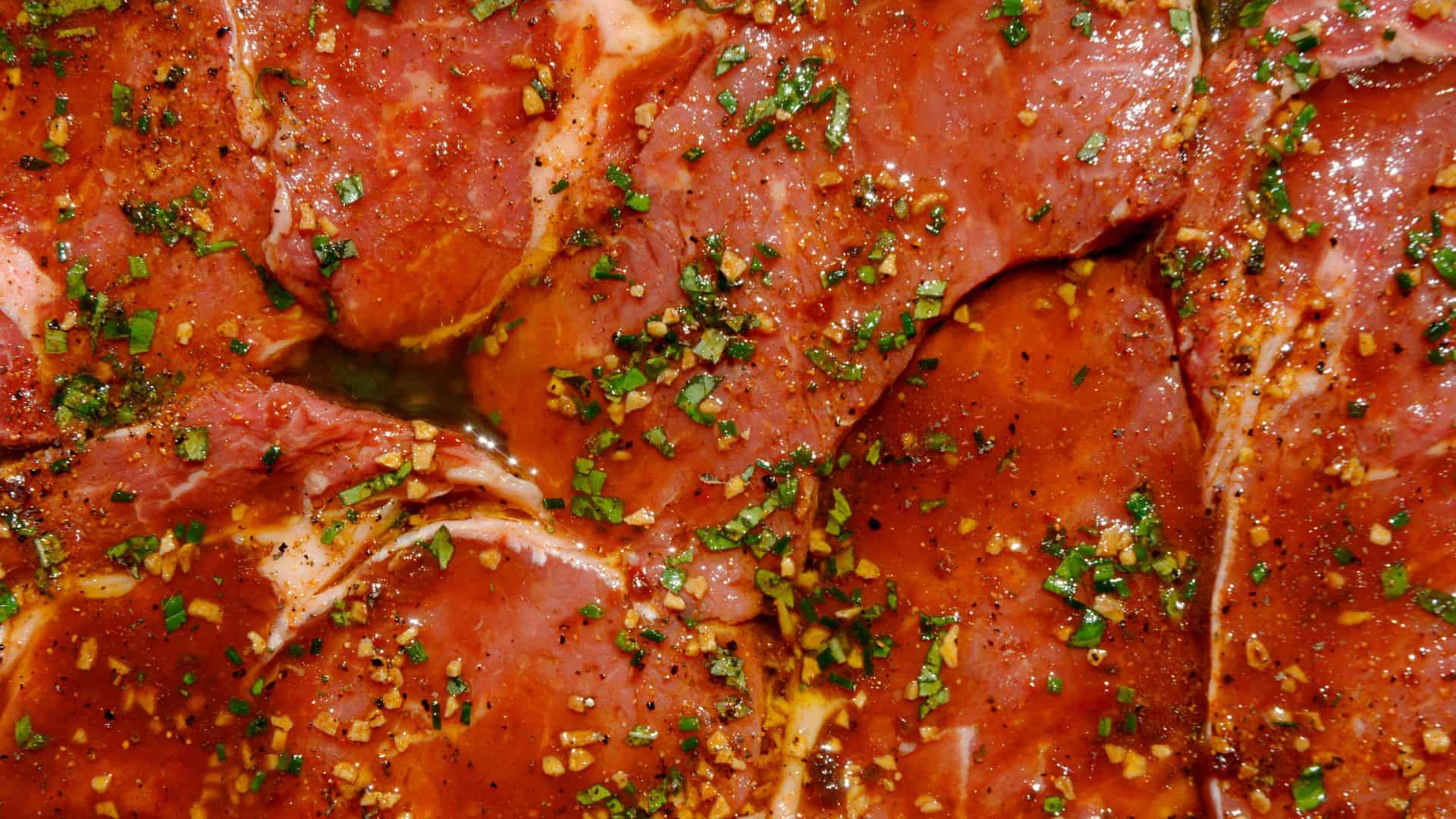
Properly preparing your steak before cooking is key to unlocking its full flavor potential. Seasoning generously with salt and pepper or a spice blend enhances taste and creates a flavorful crust during cooking. Try marinating the steak with herbs, spices, and acidic ingredients.
Skipping The Resting Period
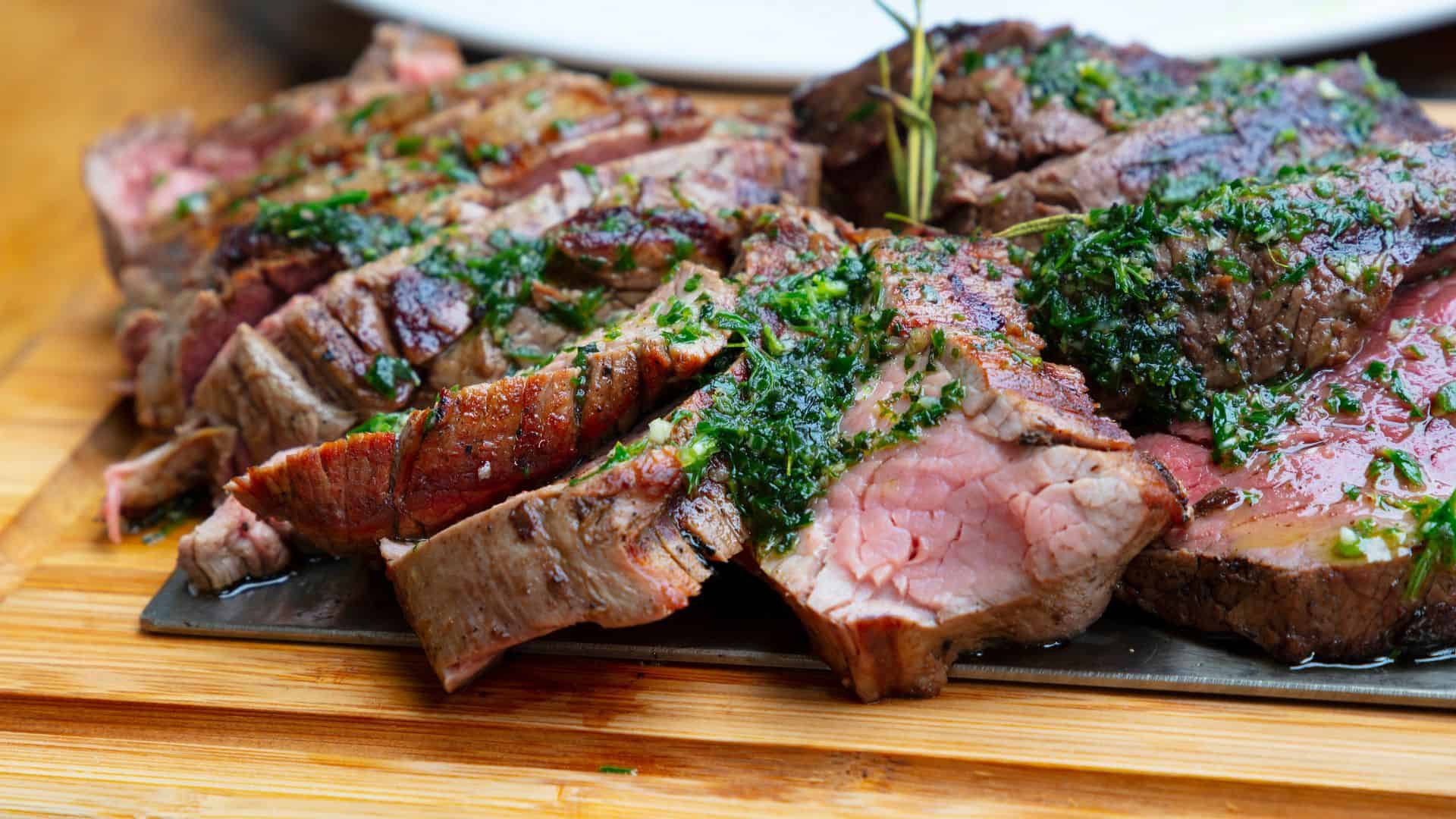
One of the most overlooked yet crucial steps in steak cooking is allowing it to rest after cooking. Resting the steak for a few minutes before slicing allows the juices to redistribute, resulting in a juicier and more tender bite. Allow your steak to rest for at least 5 minutes or more.
Overcooking Or Undercooking
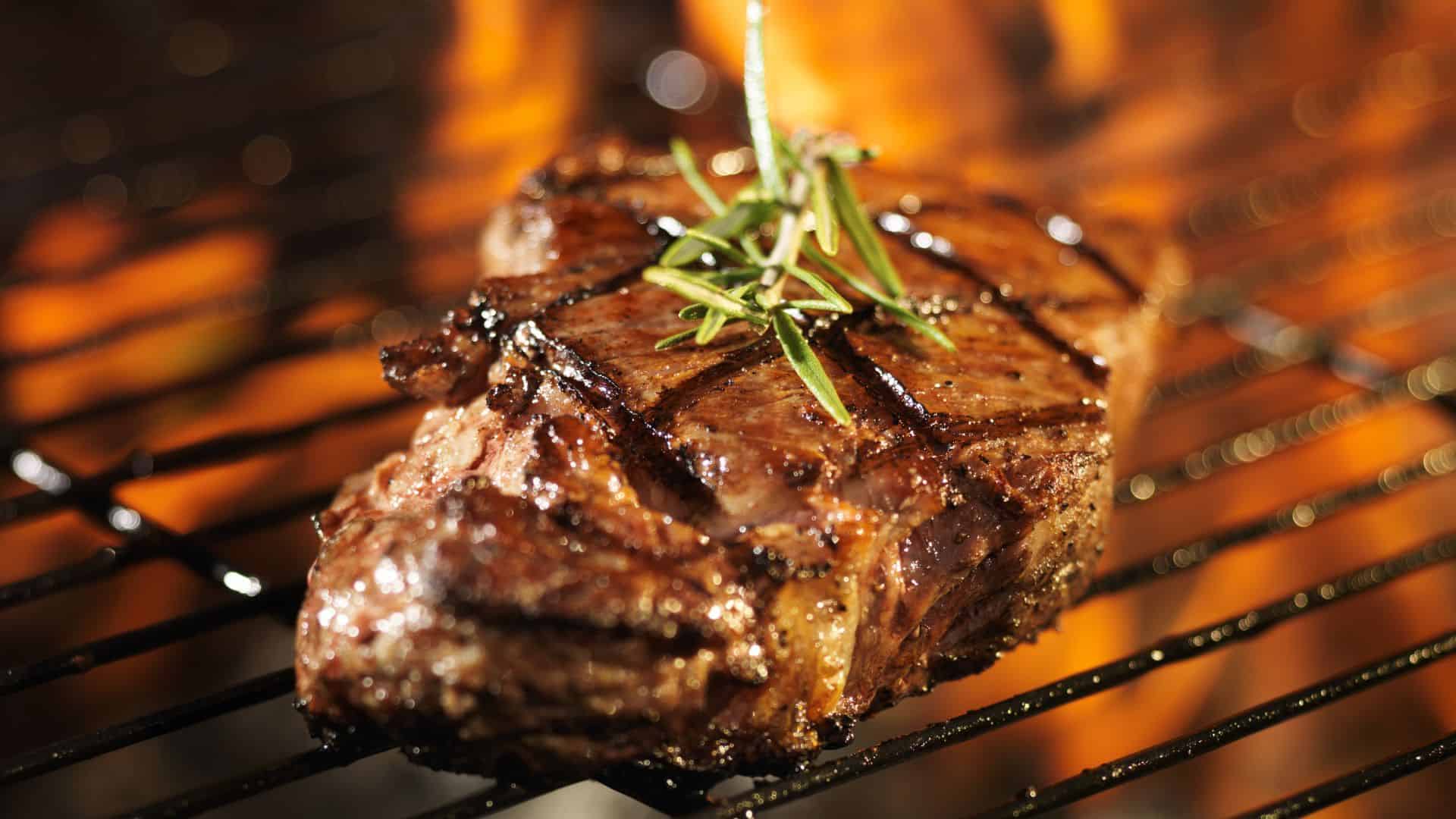
The perfect level of doneness is a tedious act that can make or break a person's steak. To achieve a rare cook, you want an internal temperature of 48ºC /118ºF; for medium-rare, aim for 52ºC /125ºF; for medium-well, an internal temperature of 62ºC /143ºF; and 68ºC /154F for a well-done steak.
Incorrect Temperature
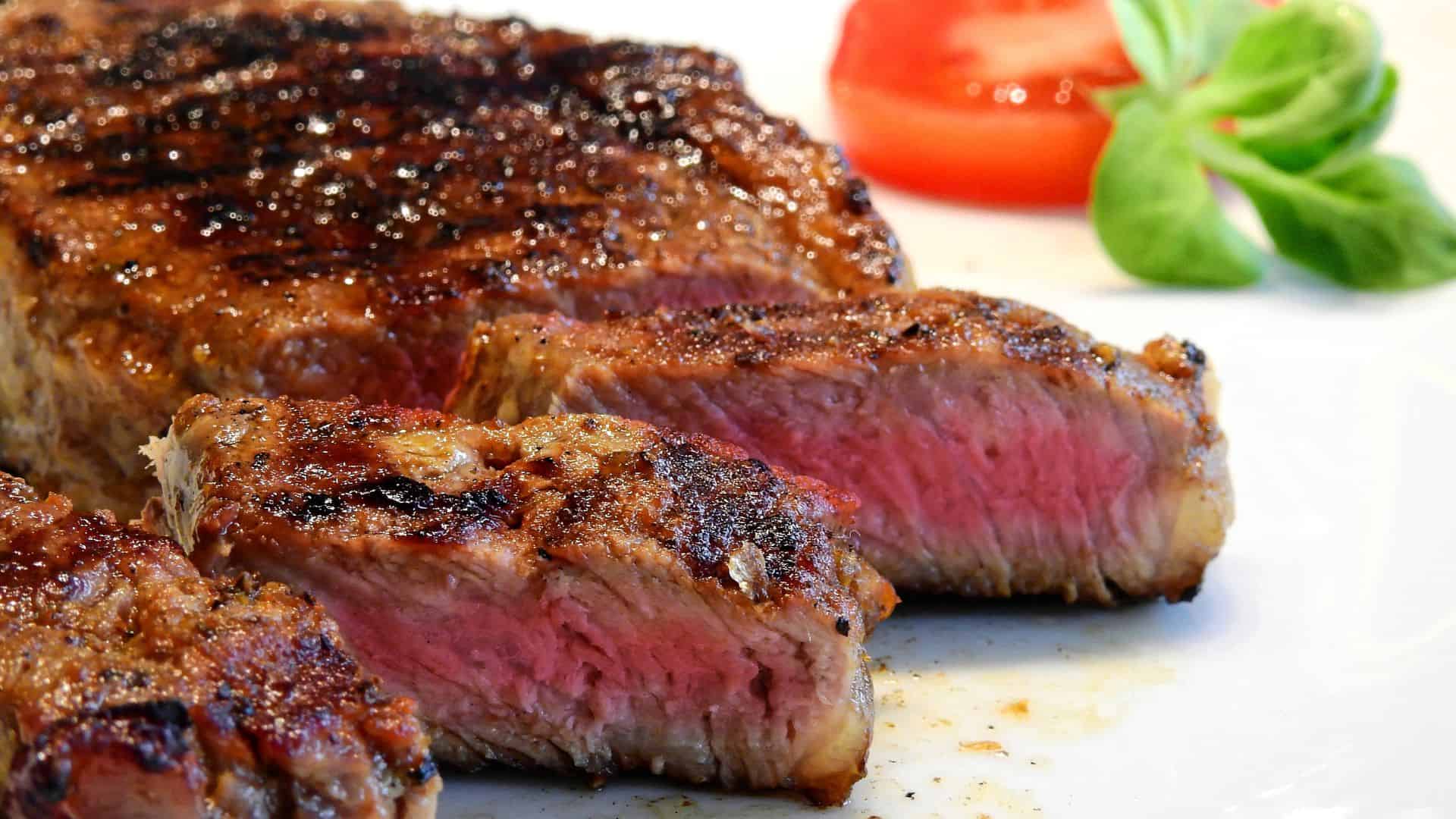
The right pan or grill temperature is crucial for a perfect sear and caramelization on your steak. Preheat your skillet over medium-high heat for pan-searing until it's hot enough to sizzle. When grilling, ensure your grill is heated to the temperature for your chosen level of doneness.
Crowding The Pan Or Grill
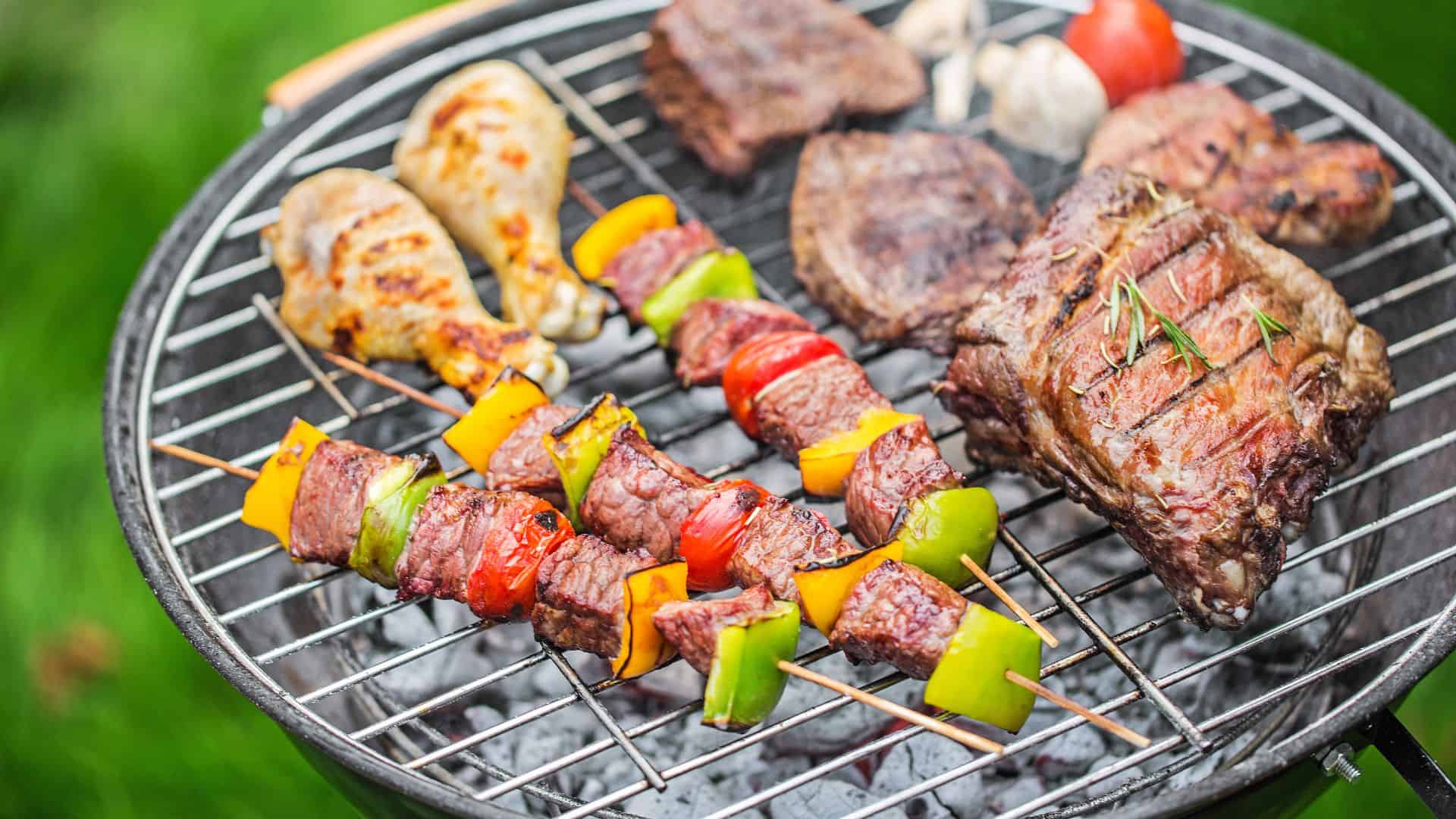
Overcrowding the cooking surface can lead to uneven cooking and prevent your steak from developing a crust. To avoid this, cook steaks in batches or use a larger cooking surface for proper heat distribution and enough space between each piece of meat.
Flipping The Steak Too Often
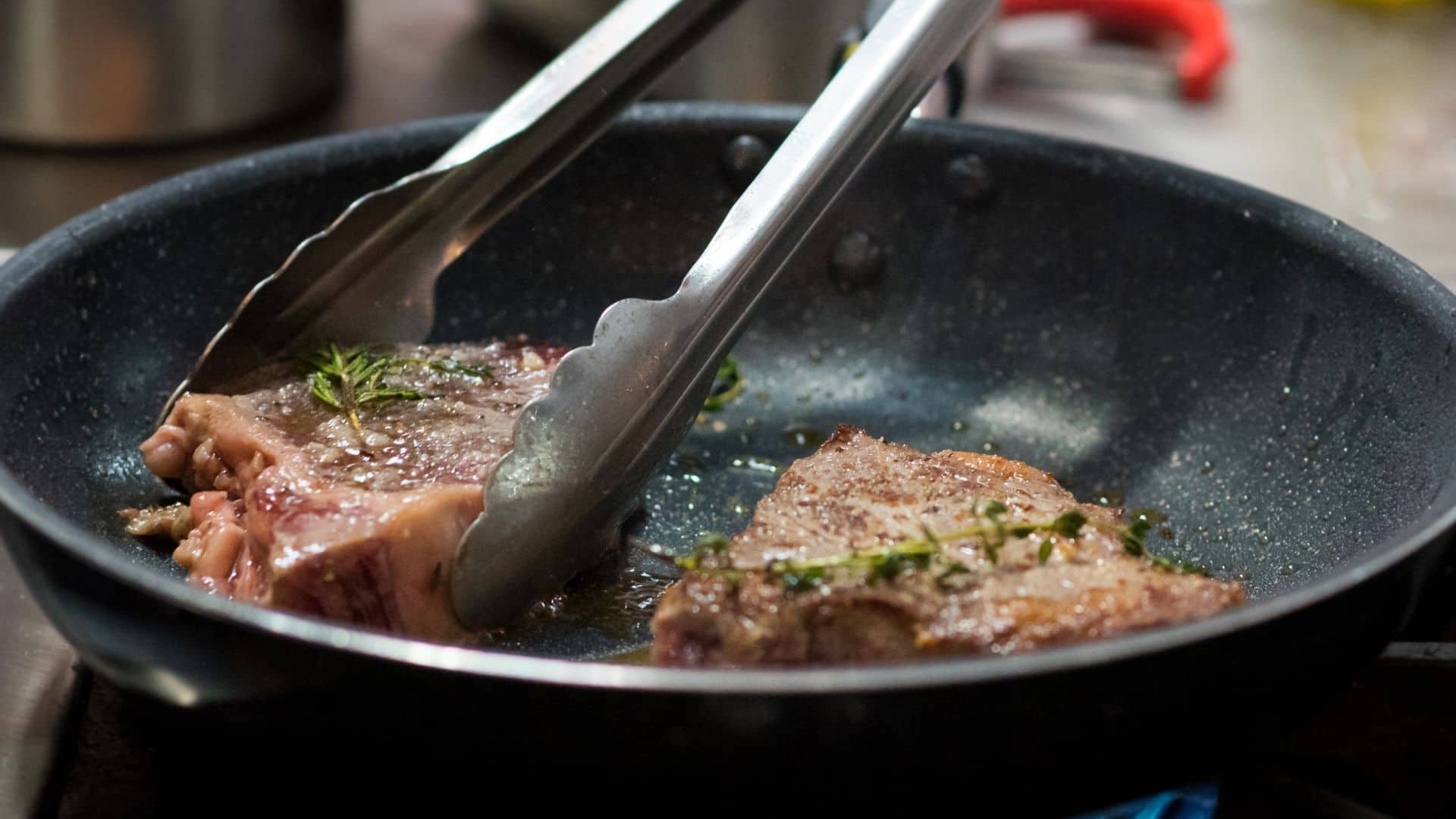
Resist the urge to continuously flip your steak while cooking, disrupting the development of a flavorful crust. Instead, you should only flip the steak once, halfway through cooking, to ensure even browning and caramelization on both sides.
Not Using a Meat Thermometer
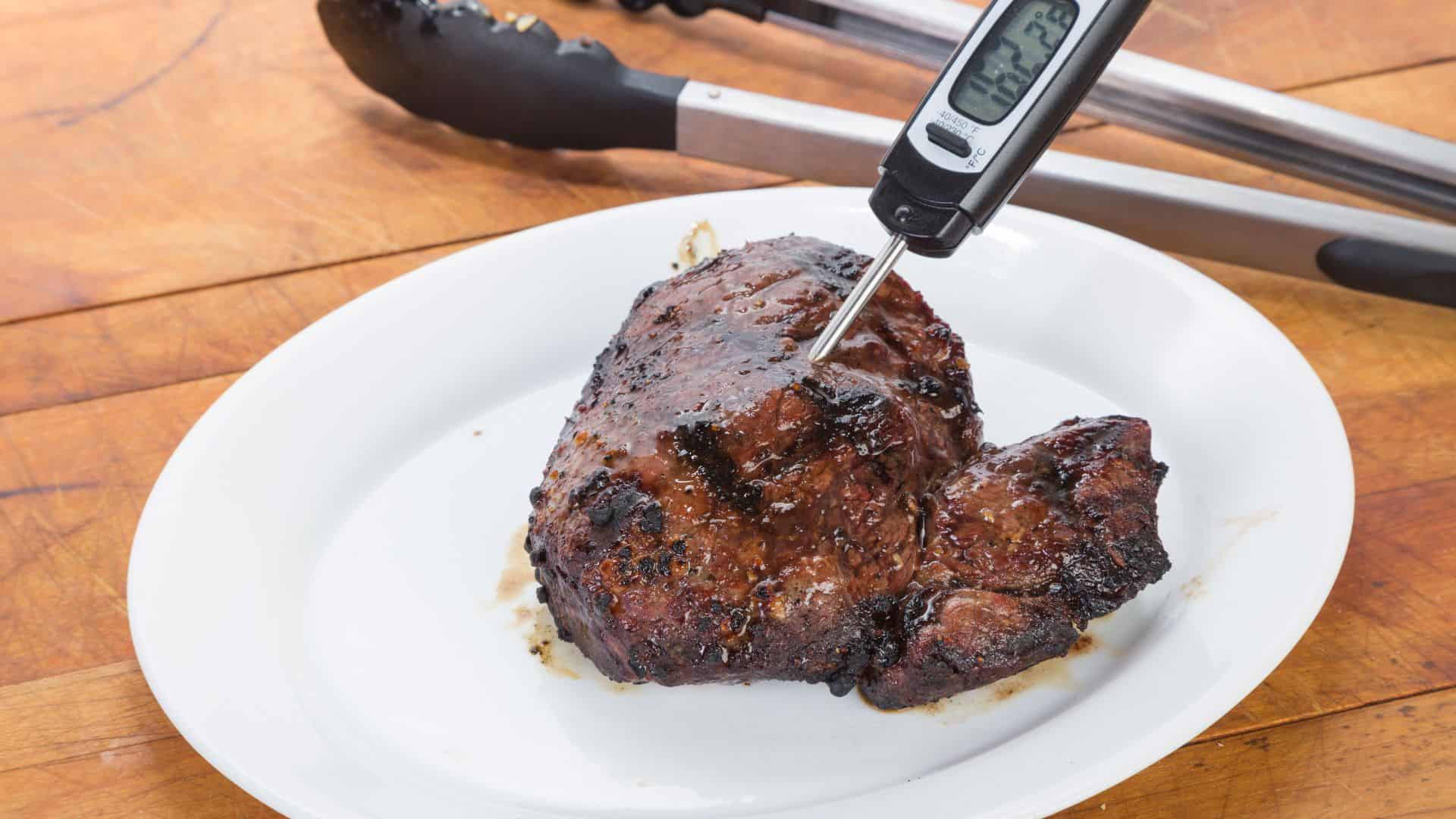
A meat thermometer provides accurate temperature readings and ensures perfect doneness every time, so you don't have to guess. Insert the thermometer into the thickest part of the steak to read its internal temperature, allowing you to achieve your desired cook effortlessly.
Slicing Incorrectly
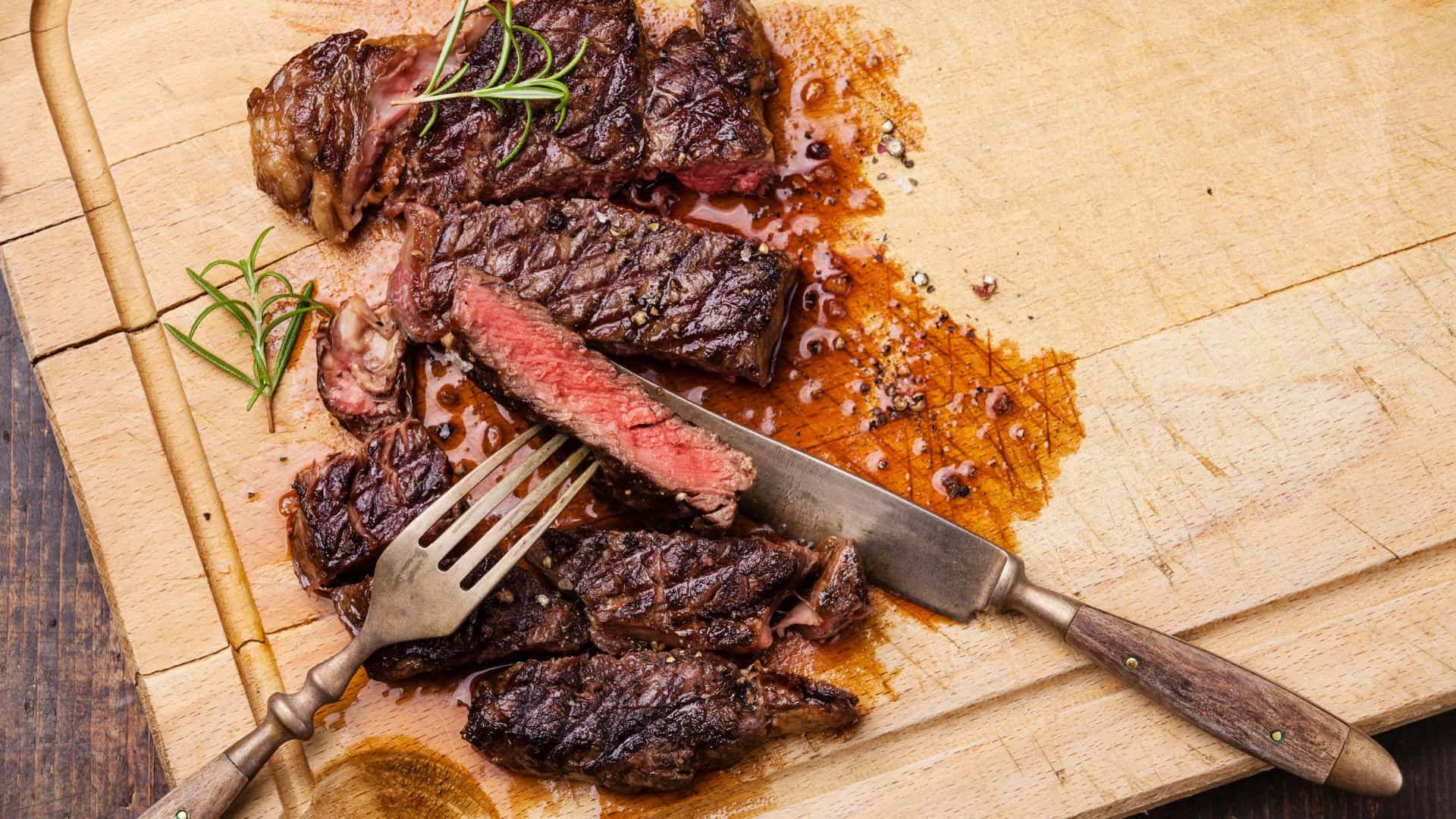
How you slice your steak can seriously impact its tenderness and your overall eating experience. For maximum tenderness, slice your steak against the grain and cut perpendicular to the direction of the muscle.
Not Searing It
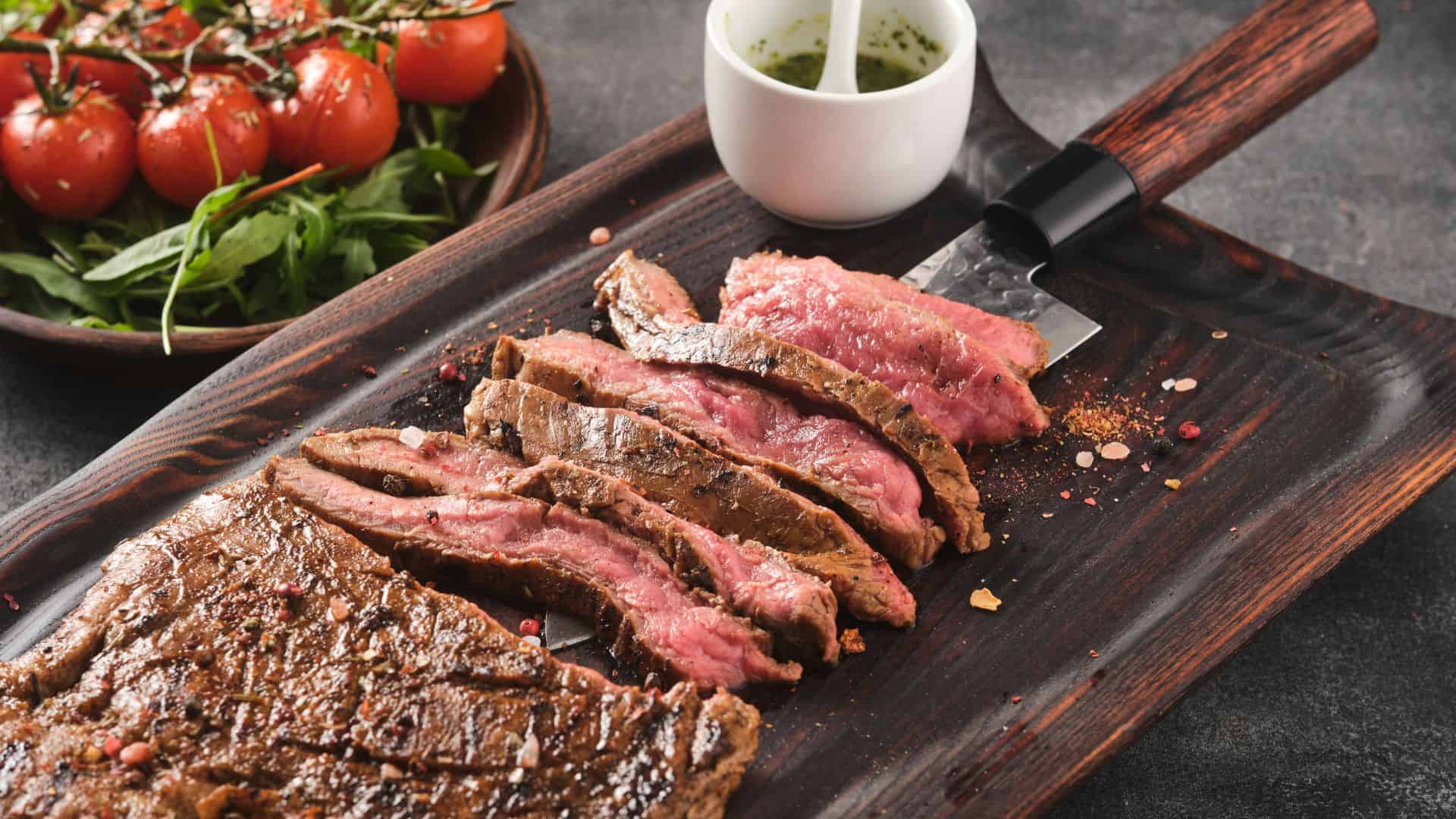
One of the biggest mistakes you can make when cooking steak is not searing it, which plays a crucial role in adding flavor and texture to the surface of the meat. To remedy this, preheat a skillet until smoking hot, then cook the steak until a golden-brown crust forms.
Overseasoning
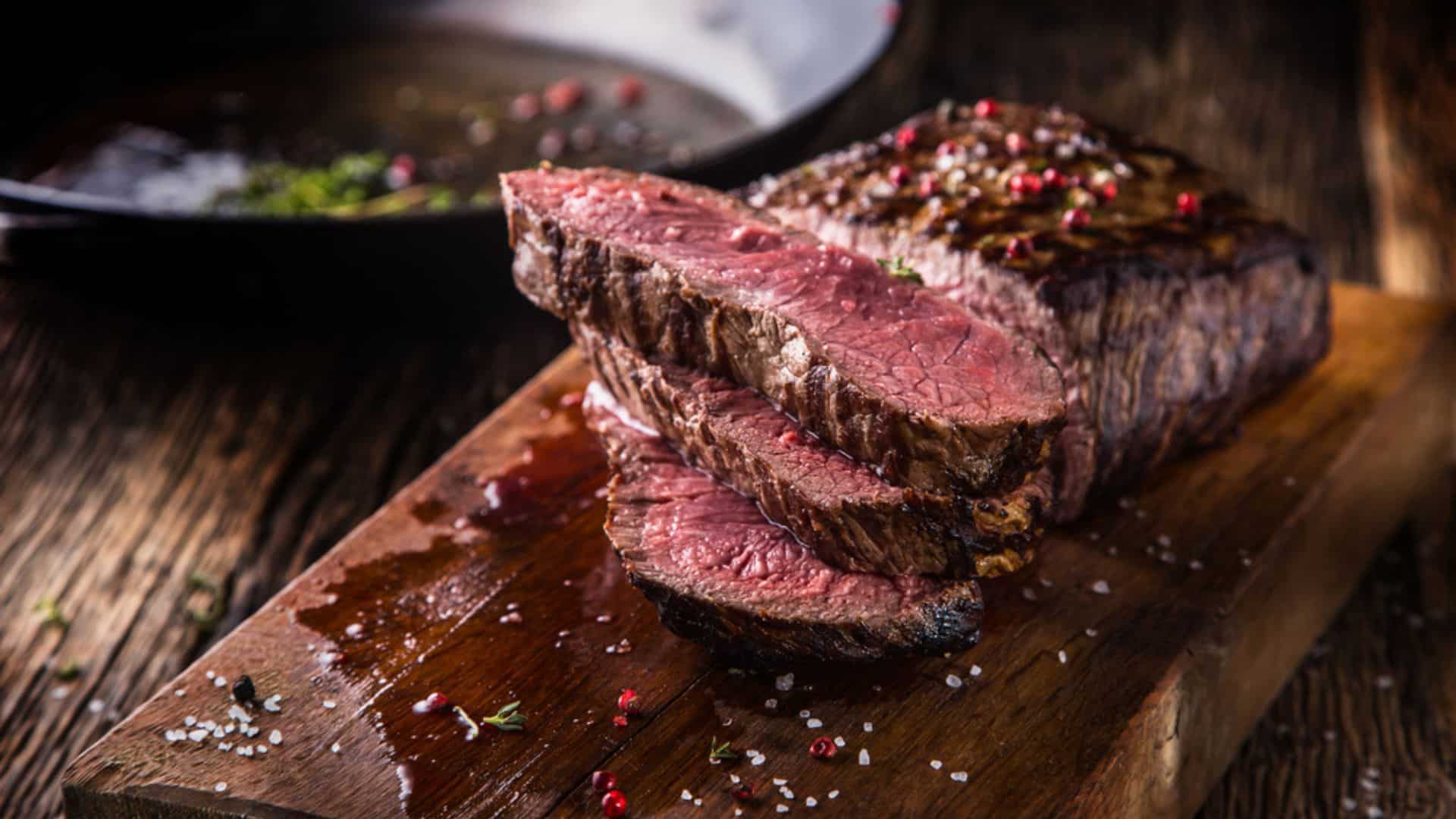
Overseasoning a steak can overpower its natural flavor and texture, masking its inherent qualities and potentially leading to a too-salty or overly-spiced dish. To address this issue, one can use a simple fix by gently scraping off excess seasoning from the surface of the steak before cooking.
Using The Wrong Pan
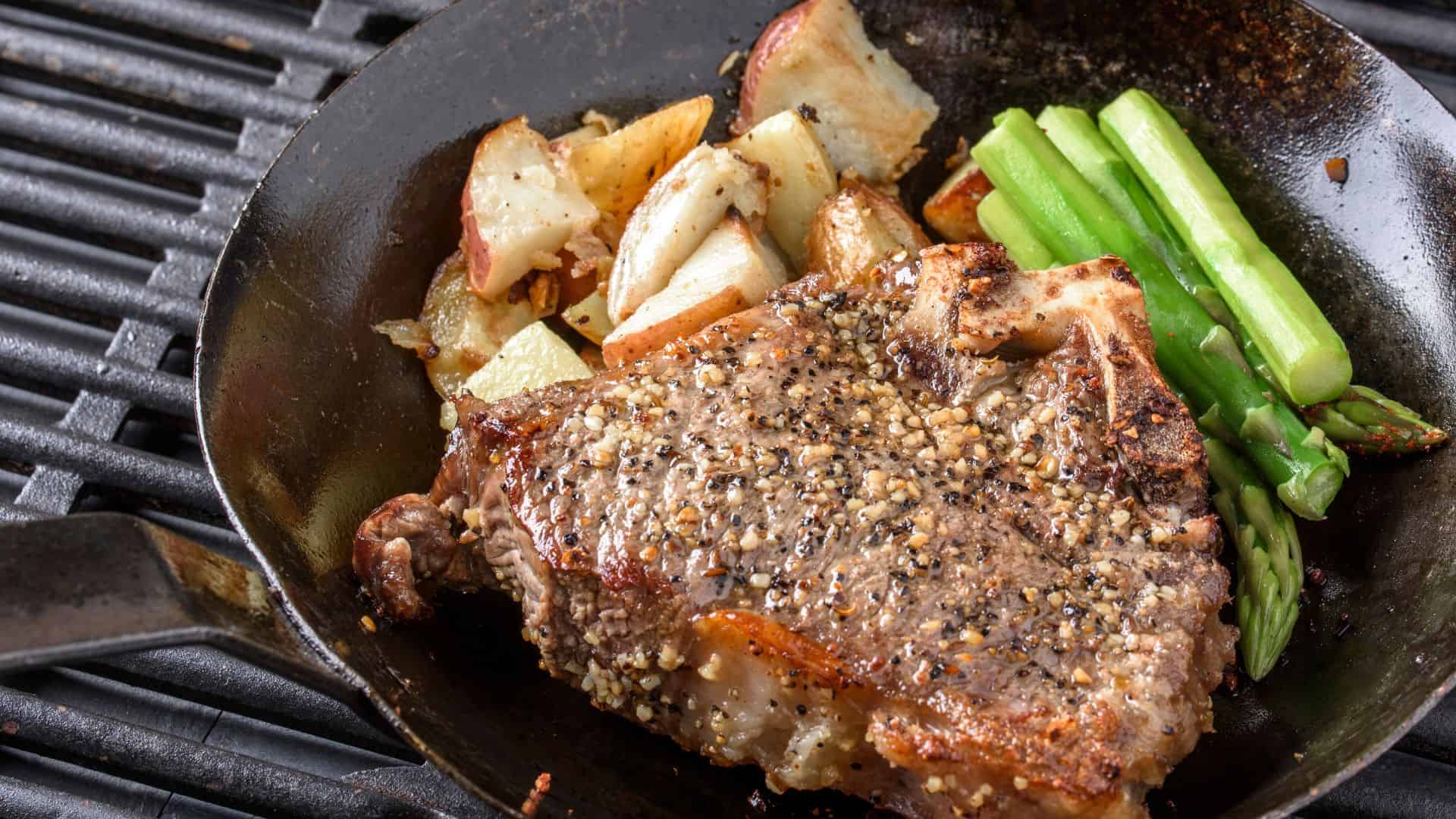
Using the wrong pan to cook a steak can result in uneven cooking, poor searing, and an undercooked or overcooked steak. To rectify this mistake, using a pan that can withstand high heat and promote even cooking is crucial.
Leave a Reply