
The way you store things in your kitchen—from food to tools to random gadgets—can seriously impact how fresh, functional, and organized your space feels. Most of us make small mistakes that lead to wasted ingredients, cluttered drawers, and chaotic cabinets. But a few smart adjustments can extend the life of your groceries and keep everything else in order. These easy storage tips will help you get the most out of your kitchen—without the mess or waste.
Storing Knives Loose In Drawers

Storing knives loosely in drawers can lead to blade damage, dullness, and even safety hazards. To protect your knives and prevent accidents, use knife blocks, magnetic strips, or blade guards to keep them organized and safely stored.
Storing Spices Near Heat Sources

Placing spice jars near stovetops, ovens, or other heat sources exposes them to heat and moisture, which can degrade their quality and potency. Store spices in a cool, dry place away from heat and sunlight to maintain their flavor and aroma, such as a pantry or spice rack.
Storing Potatoes And Onions Together

Storing potatoes and onions together can lead to premature sprouting and spoilage due to gasses from the onions. Keep these items separate in cool, dark places with good ventilation to extend their shelf life and prevent cross-contamination.
Storing Produce Incorrectly In The Fridge

Not all produce should be stored in the fridge. Items like tomatoes, avocados, bananas, and potatoes are best stored at room temperature to maintain flavor and texture. Check the specific storage guidelines of your produce to ensure optimal freshness.
Overcrowding The Fridge Or Pantry

Overcrowding storage spaces in the fridge or pantry can hinder air circulation and lead to food spoilage. Keep your shelves and drawers organized and with proper spacing for airflow. This also allows easy access to your items.
Storing Leftovers In Open Containers

Storing leftovers in open containers or bowls exposes them to air, leading to faster spoilage and loss of freshness. Use airtight containers or sealed storage bags to preserve the flavor and quality of leftovers for longer periods.
Storing Breads And Baked Goods In The Fridge
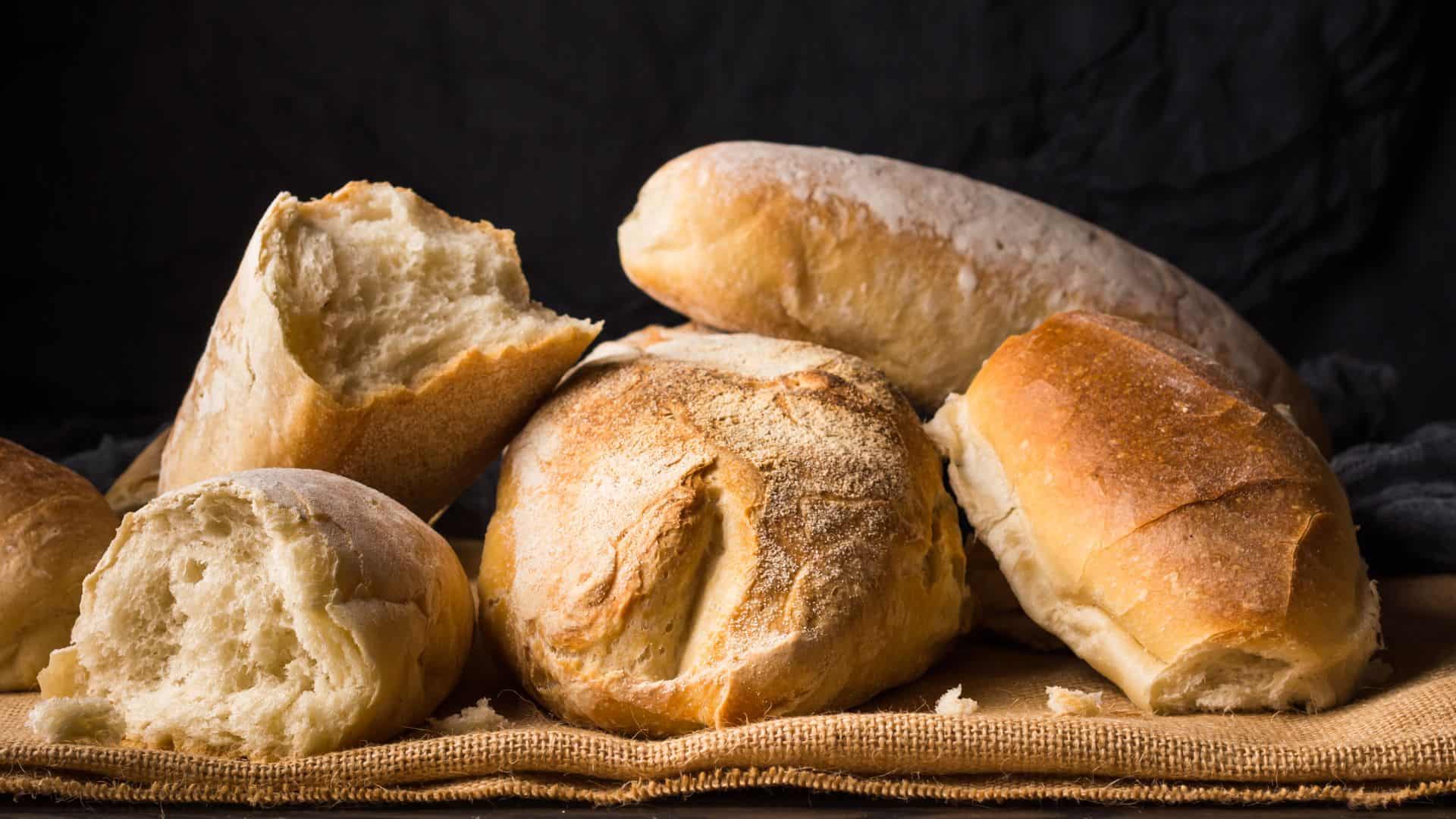
While refrigeration can extend the shelf life of some foods, storing bread and baked goods in the fridge can cause them to dry out and become stale faster. Keep bread at room temperature in a box or sealed container for optimal freshness.
Storing Oil And Vinegar Near Heat Sources

Heat and sunlight can affect oil and vinegar, affecting their flavor and quality. Store them in a cool, dark place away from stovetops and direct sunlight windows to preserve their flavor and nutritional benefits.
Storing Coffee Beans In The Freezer
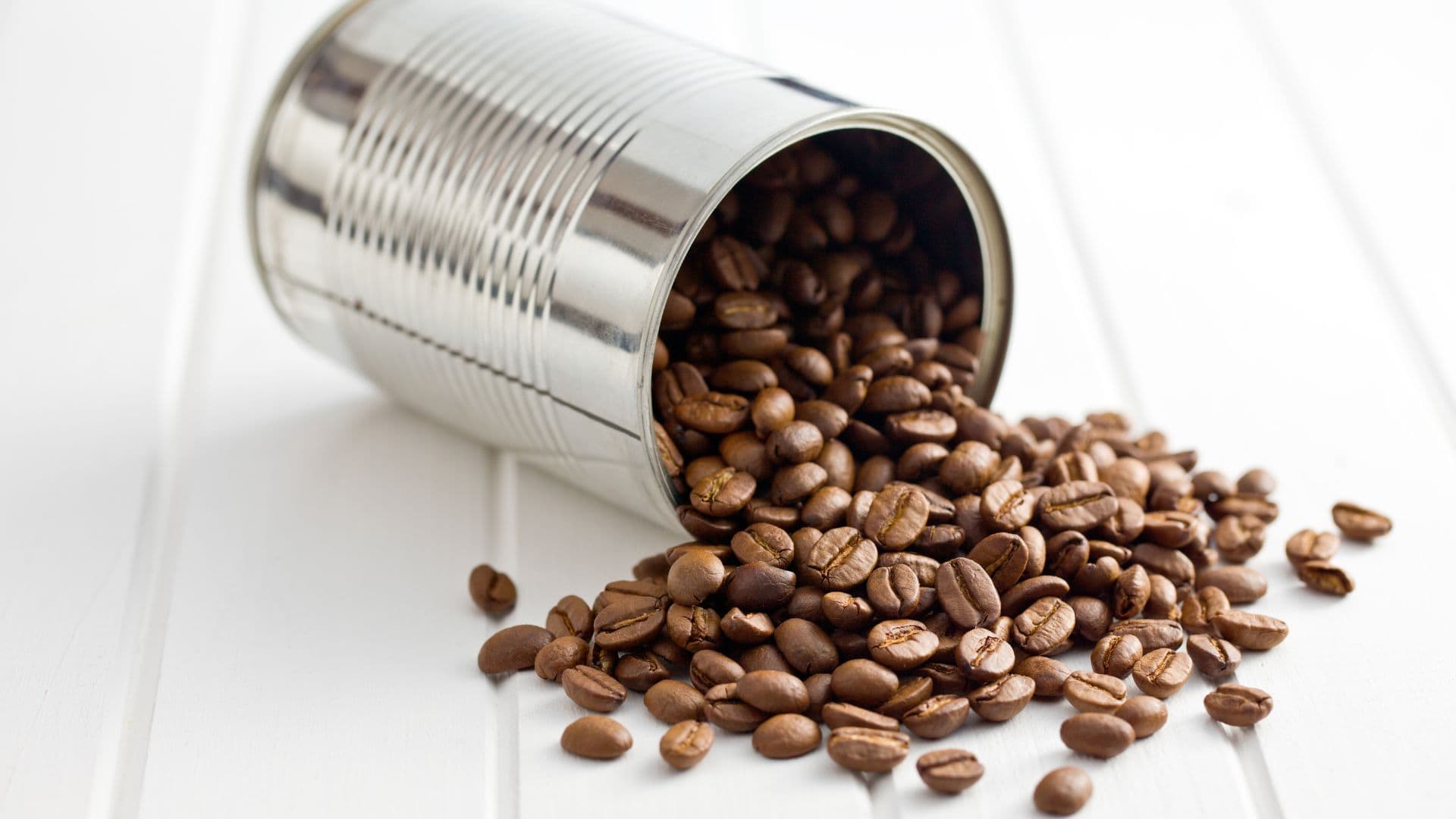
If not stored properly, freezing coffee beans can alter their flavor and texture. Instead of the freezer, store coffee beans in airtight containers at room temperature in a cool, dry place to maintain their freshness and aroma.
Storing Glassware And Delicate Items In High Cabinets

Putting your glassware and delicate items in high cabinets can increase the risk of accidents and lead to breakage. Store these items in lower cabinets, china cabinets, or shelves where they are easily accessible and less likely to fall and get damaged.
Storing Cookware Without Protective Layers

Stacking pots, pans, and cookware without protective layers can cause scratches, chips, and surface damage. Use protective pads, liners, or dividers between stacked items to preserve their appearance and functionality.
Storing Cleaning Products And Chemicals Near Food Items

Storing cleaning products and chemicals in cabinets near food items can pose a safety risk and lead to contamination. Keep these items in separate cabinets or storage areas away from food to prevent accidental exposure and ensure food safety.
Leave a Reply