
If you’re looking to improve your baking skills, it’s time to stop believing in these 16 common baking myths. These false claims will only harm your baking rather than help it! Once you understand the truth behind these myths, you’ll be well on your way to becoming a confident and successful baker.
Note: The content of this article does not reflect the Writer's personal beliefs.
Measuring Doesn’t Matter

Baking is a science, and accurate measurements are crucial. Even a slight variation in ingredients can lead to failed results. The best way to measure is by using a kitchen scale, as measuring cups and spoons can often be inconsistent. Precise measurements ensure your recipes turn out perfectly every time.
Stick to the scale, and you can never go wrong.
Sugar Only Makes Things Sweet
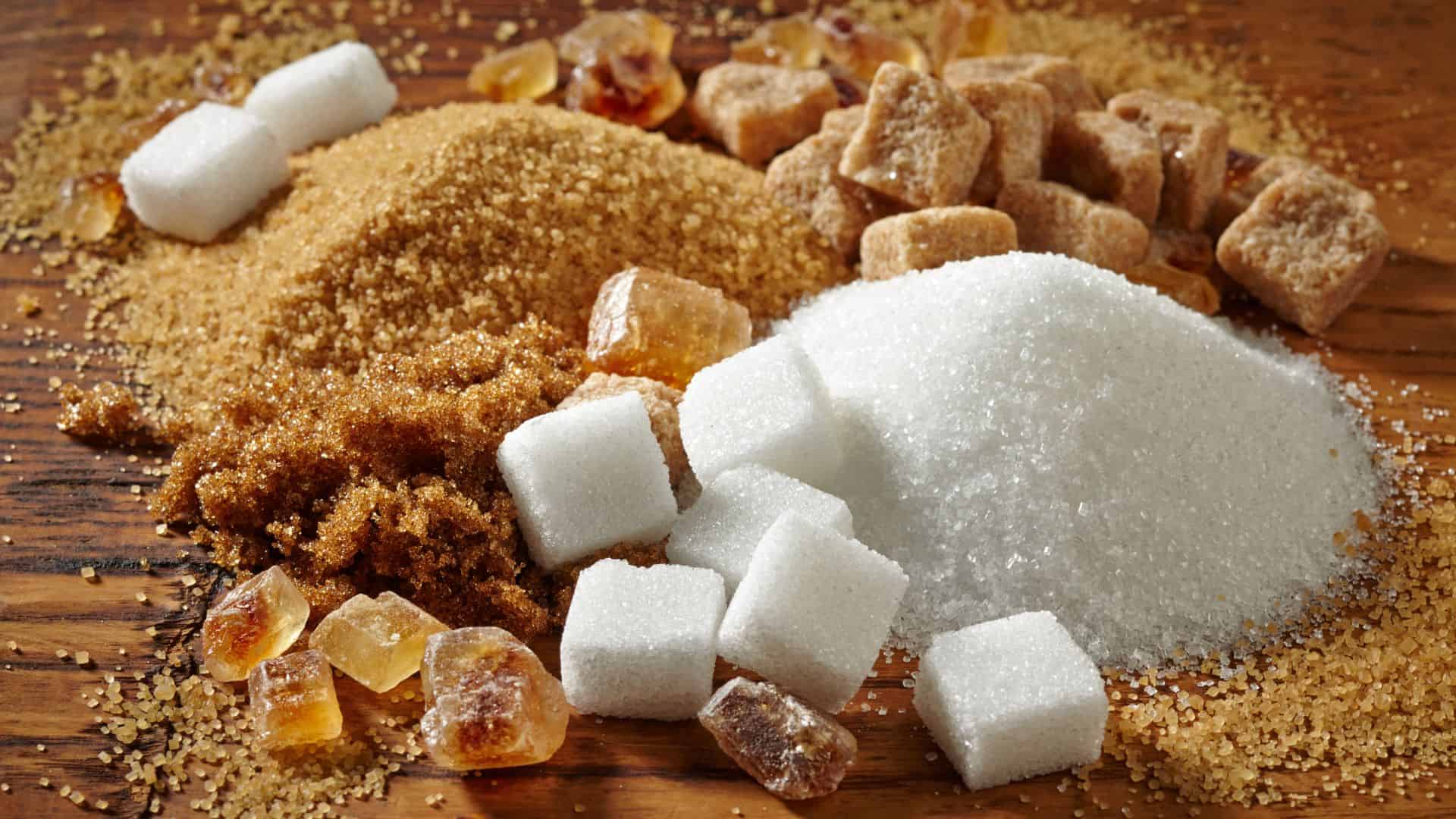
Yes. Sugar does make things sweet! But that is not the only thing that it does! Sugar has a lot of jobs when it comes to baking. It helps baked goods retain moisture, keeping them soft and chewy. The sugar caramelizes as it cooks, acting as a binder and helping pastries and desserts stick together. Without sugar, they may crumble apart!
Sugar also enhances other flavors, bringing out the taste of chocolate, and vanilla and even making buttery sweets taste more buttery! It is important to remember all of the things sugar does before reducing or eliminating it from a recipe. You can’t just remove the sugar! It does a whole lot more than just make things sweet.
Salt is Optional in Baking

Do not skip the salt! Salt balances sweetness and highlights the taste of ingredients like chocolate and butter. Without salt, desserts can taste bland and flat, so never skip this small but powerful ingredient. Salt is a flavor enhancer. It brings out the taste of the ingredients and makes them more powerful and delicious.
A pastry without salt will taste bland and boring. Add just a little bit of this powerhouse ingredient, and BAM! Your desserts are incredible. Never skip the salt. It really does make a huge difference.
You Can Microwave Butter to Soften It
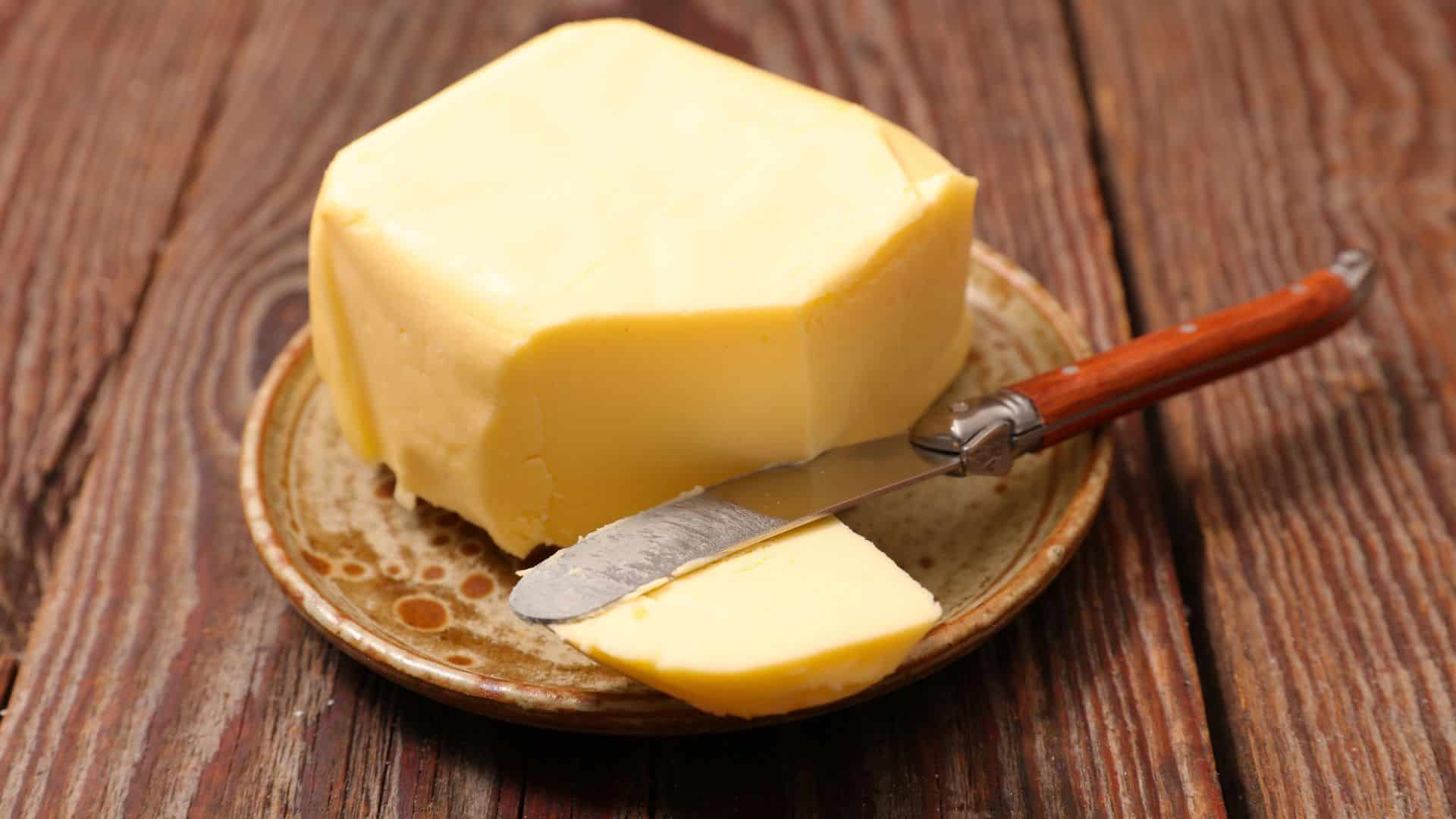
Many recipes call for room-temperature butter. The butter needs to be soft to blend evenly into the cookie dough and batter. So, many of us take our cold, refrigerated butter and just pop it in the microwave. This is a huge mistake!
Microwaveing typically melts the center of the butter while the outside is still cold. Instead, let your butter sit at room temperature for about 30 minutes to achieve the perfect consistency for baking. You will be happy you did!
Cold Eggs are Okay

When you bake, do you take your eggs right out of the fridge and use them right away? This is completely wrong! The temperature difference can separate the eggs from the other ingredients. Allow your eggs to reach room temperature before baking for the best results.
Just like you need room-temperature butter, your eggs should also be room-temperature. You will be shocked by what a difference this can make!
Dry And Wet Ingredients Can Be Mixed Together Anytime
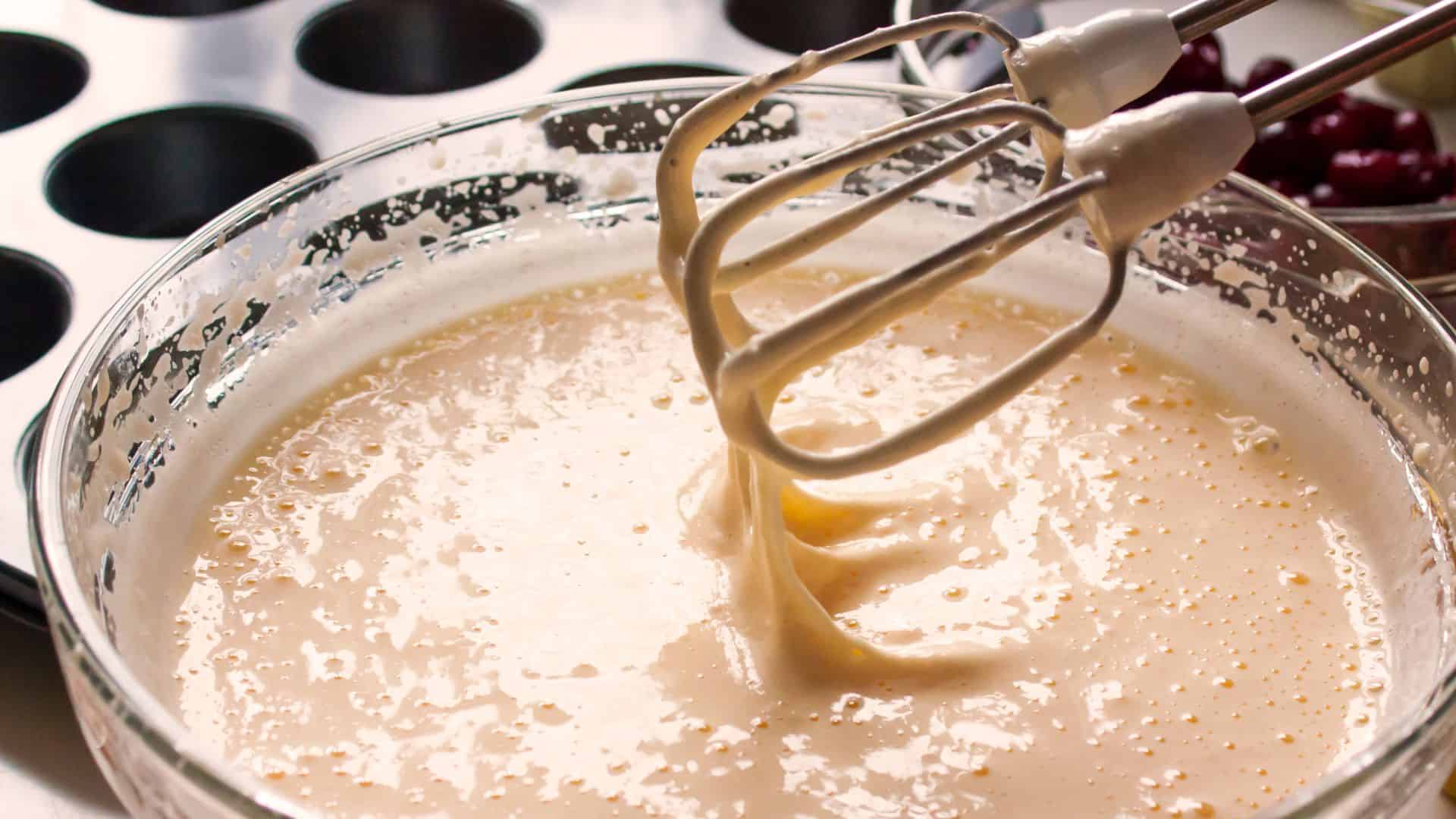
This couldn’t be further from the truth! Always mix dry and wet ingredients separately before combining them. They will blend together better separately and then easily come together at the end. It will also prevent you from overmixing the batter and will ensure your ingredients are all evenly blended.
Mixing them separately also helps create a smoother batter.
Add Vanilla Anytime

Vanilla extract isn’t just a minor addition—it needs to be used strategically. Adding it during the mixing process, particularly when combining fats like butter, enhances its flavor. Tossing it in randomly won’t yield the same delicious results.
All Pans Bake The Same
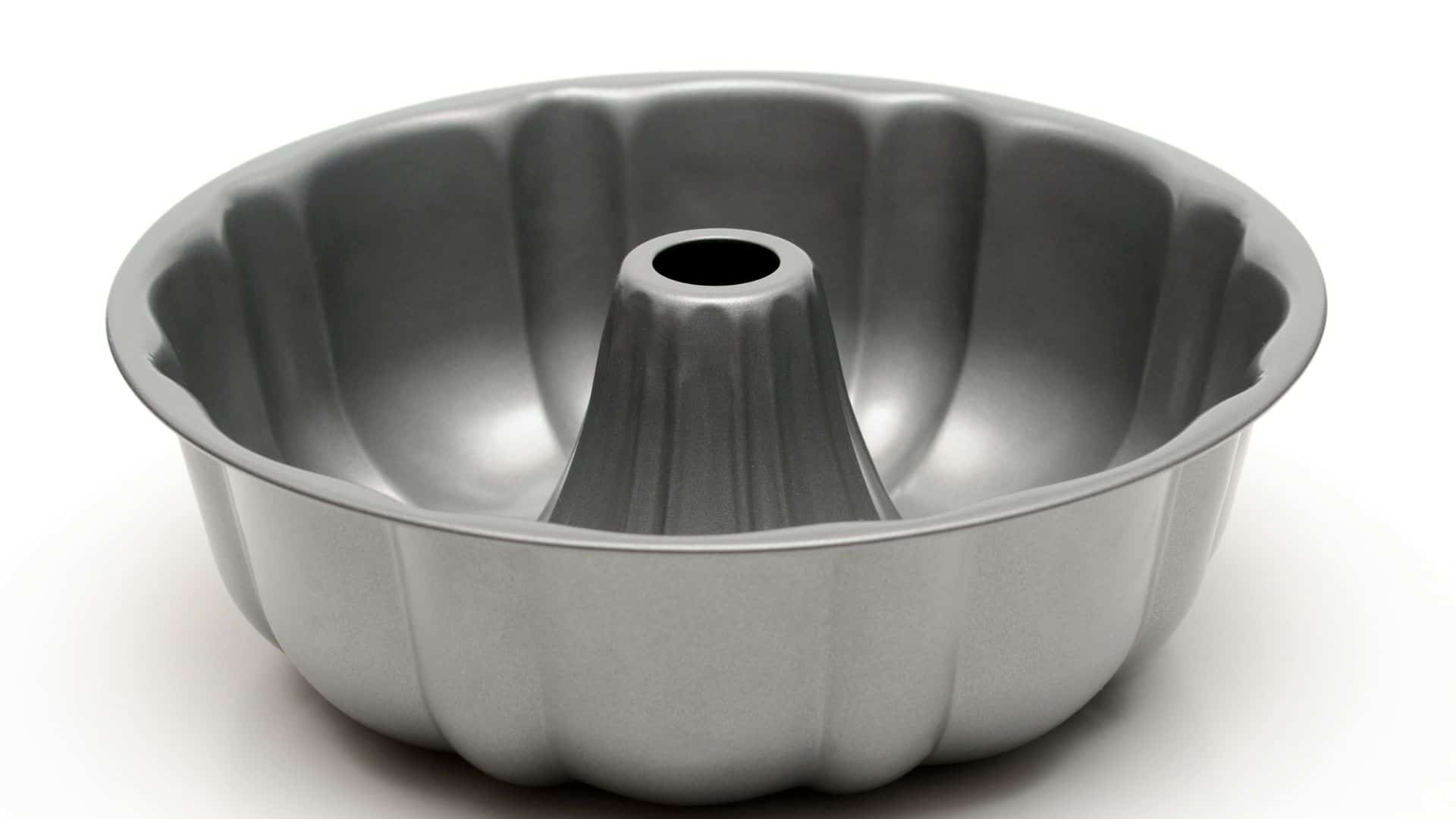
Dark-colored pans and light-colored pans bake so much differently. Dark pans actually absorb heat faster and will make the bottom of your cookies and cakes (aka anything that touches the pan) a little darker. Light-colored pans actually reflect the heat, giving your baked goods a more even color.
Light-colored pans are definitely better for baking! If you only have a dark pan, try reducing the oven heat by about 10% to adjust for the intensity of the heat on your baked goods.
All Ovens Are The Same

Ovens are absolutely not all the same and vary greatly in temperature accuracy and heat distribution. Some have hot spots where the heating units tend to get hotter. Others have spots that never quite warm up (we’re thinking about that front corner near the door!). The temperature in your oven may not even be accurate! You may set your oven to 350 degrees, but inside, it is actually 375, causing your baked goods to burn.
You need to know your oven and know how it bakes in order to be a successful pastry chef. Never assume an oven will simply bake your recipes perfectly. We recommend getting a portable oven thermometer and checking your oven temperature often.
All Butter is the Same
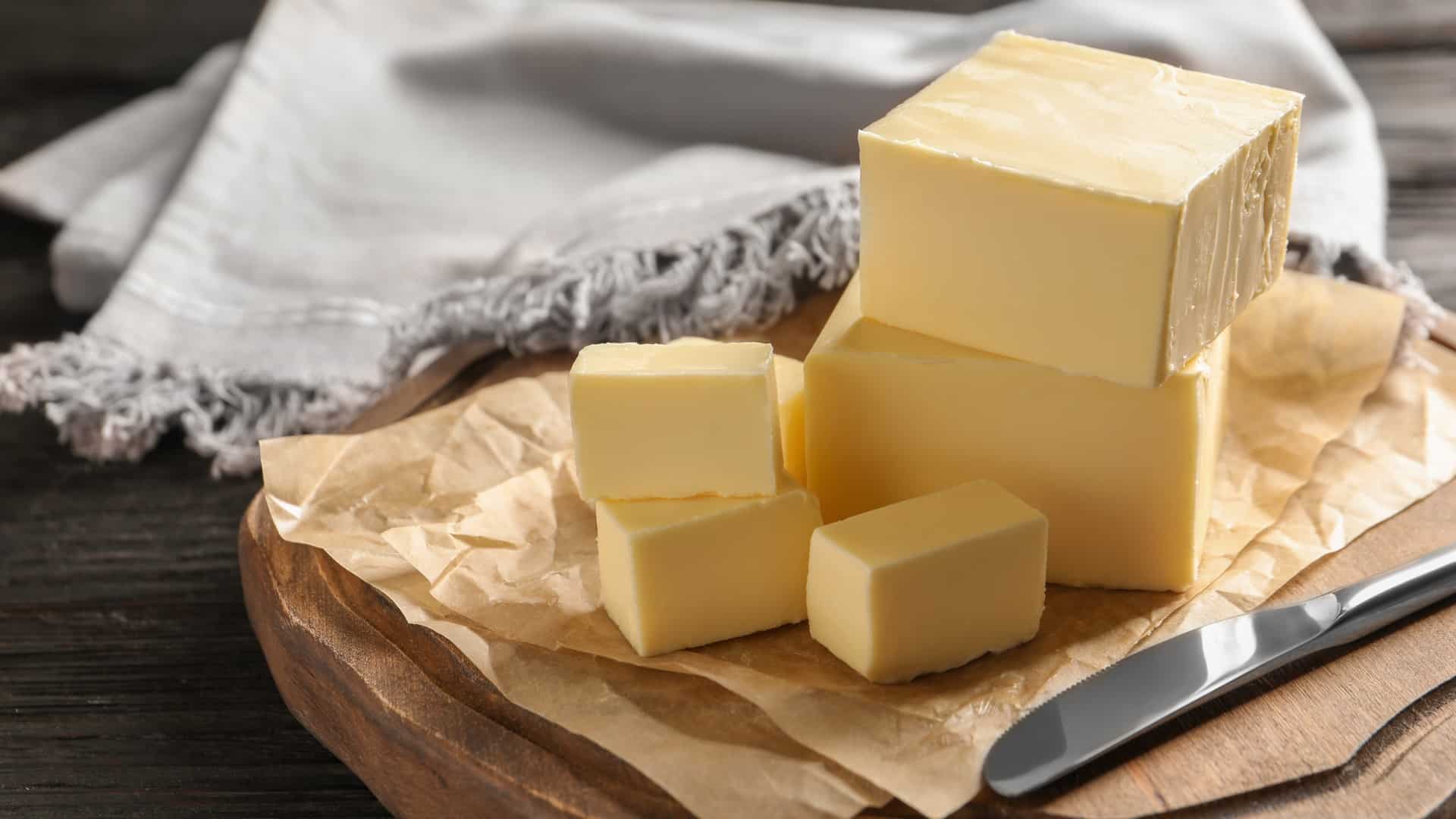
The quality of butter matters in baking. Cheaper butter contains more water and less fat, which can impact the texture and flavor of your baked goods. High-quality butter, such as European-style butter, produces richer and creamier desserts.
Grease Your Cookie Pan With Butter
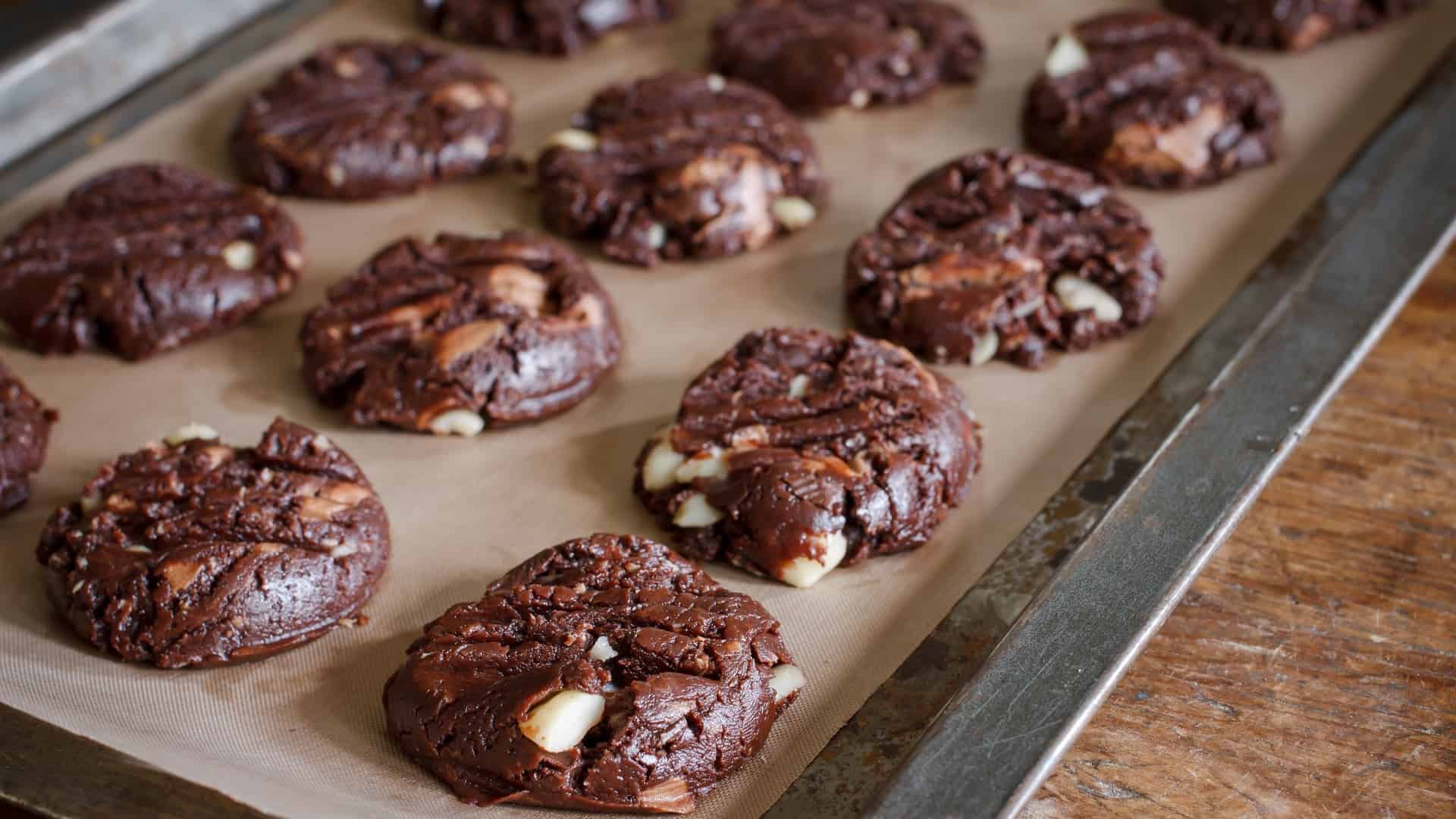
It makes logical sense to grease a cookie pan with butter. It will prevent the cookies from sticking to the pan, and more butter will always be tasty! But let us tell you something- never grease your cookie pan with butter! It will cause the cookie batter to spread drastically, making cookies with super thin, crispy edges.
Instead, line your cookie tray with parchment paper or a silicone mat, which both prevents the cookie dough from sticking and gives it something to grip on to as it bakes.
Any Recipe Will Work

Any published recipe should be great, right? Wrong! Anyone can write out a recipe and post it on the internet. There are actually tons of awful recipes out there that will completely fail. Always look for recipes from accredited websites run by real chefs.
Of course, classic cookbooks are also a great place to start. You don't want your baking project to fail just from a bad recipe.
Baking is Hard

Baking isn’t as difficult as it seems when you have a reliable recipe and follow it closely. Unlike cooking, baking is a precise science that requires attention to detail. By taking your time and sticking to the recipe, anyone can bake successfully and enjoy the process.
Go slow, read carefully, and most of all, have fun! That is the trick to being a successful baker.
Best When Warm

Many people think that homemade baked goods taste best when warm.
While some treats, like cookies, are great warm, many baked goods need time to cool for the best texture and flavor. Cheesecakes, for example, must be served cold to hold their shape, and brownies slice better at room temperature.
Make sure you read your recipe and follow the cooling time as directed. You want your desserts to have the right texture, and that isn't always achieved when they're fresh out of the oven.
Folding Means Mixing

When a recipe tells you to "fold" in ingredients, this does not mean to stir frantically. Folding means to layer an ingredient into the batter or dough gently. It is a very light, gentle stir, not a heavy whisking action.
Ingredients are typically folded in to keep a batter fluffy and prevent it from collapsing or becoming too tough. When you see the word "fold," think of it as meaning "gentle."
Cakes Take Hours to Make
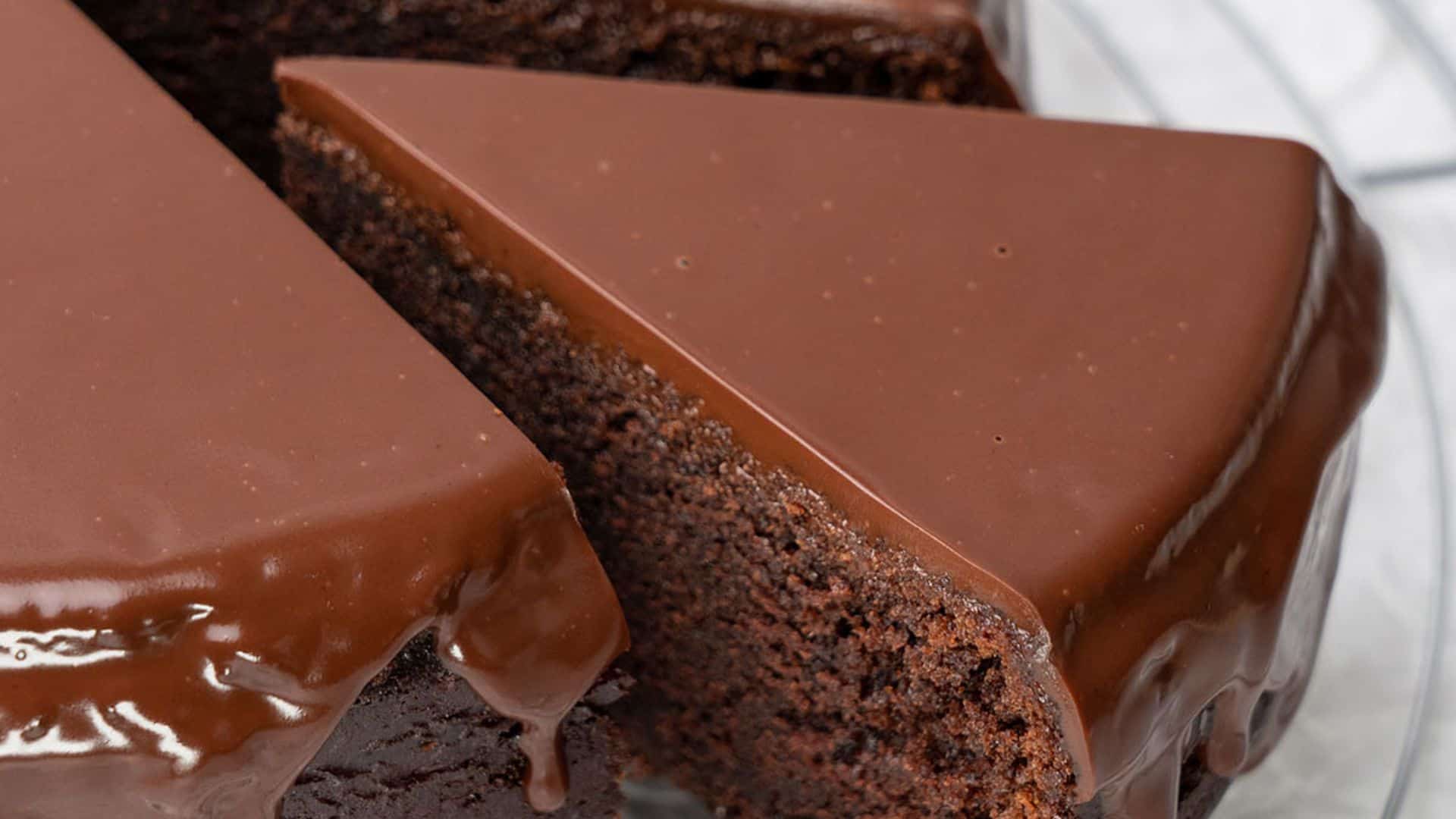
Cakes can take a while to make, especially if you are baking a layered cake. However, there are plenty of cake recipes out there that take just minutes to put together. If you want to bake a cake in a hurry, look for a recipe that does not have a layer of frosting or filling in the cake. Those layers take time! Stick with the thicker, dense cakes that are sure to be delicious.
Once you stop believing these common baking myths, your skills in the kitchen will improve dramatically. Baking doesn’t have to be complicated—just follow these tips, and you’ll be turning out perfect pastries in no time.
This post was originally published on Spatula Desserts
Leave a Reply