
I think I am not alone when it comes to just wandering around at the local grocery store and putting random goods into my basket. It might sound amazing to buy whatever you like, but the reality is this type of shopping can quickly add up, and you will get a shocking reality at the cashier. Luckily, with a few smart strategies, we can make a big difference in your budget. By planning ahead, making thoughtful choices, and avoiding common spending traps, you can save money without giving up quality or variety. These simple yet effective tips will help you stretch your grocery budget while still enjoying fresh and delicious meals.
Note: The content of this article does not reflect the Writer's personal beliefs.
Choose Store Brands

Store-brand products often cost less than name-brand items and taste just as good. Often, the same manufacturers make many generic options as the pricier brands. Don’t pay more for fancy packaging—go for the value-packed alternatives, especially if you buy essentials like sugar, salt, and flour.
Plan Your Meals

Take some time to plan your meals for the week. Knowing what you’ll cook helps you create a detailed shopping list, ensuring you only buy what you need. This way, you can avoid adding unnecessary items to your cart and reduce food waste. You can even combine and rescue leftover ingredients for other dishes.
Check the Sales

Keep an eye on the weekly sales flyers from your local grocery stores. Whether they’re sent to your email or mailbox, these flyers highlight the best deals. Use them to plan your shopping around discounted items and stretch your budget further.
Use Coupon Apps

There is no need to clip paper coupons anymore—most grocery stores have apps with digital coupons ready for you to use. Download your favorite store’s app or try popular savings apps like Ibotta or Rakuten to find great deals. These tools make saving money easier and more convenient than ever.
Buy in Bulk

Stocking up on bulk items can save you money over time. Non-perishable goods like toilet paper, pasta, and canned foods are great options for bulk purchases. Just ensure you have enough storage space and buy items you’ll use regularly.
Sign Up for Loyalty Programs
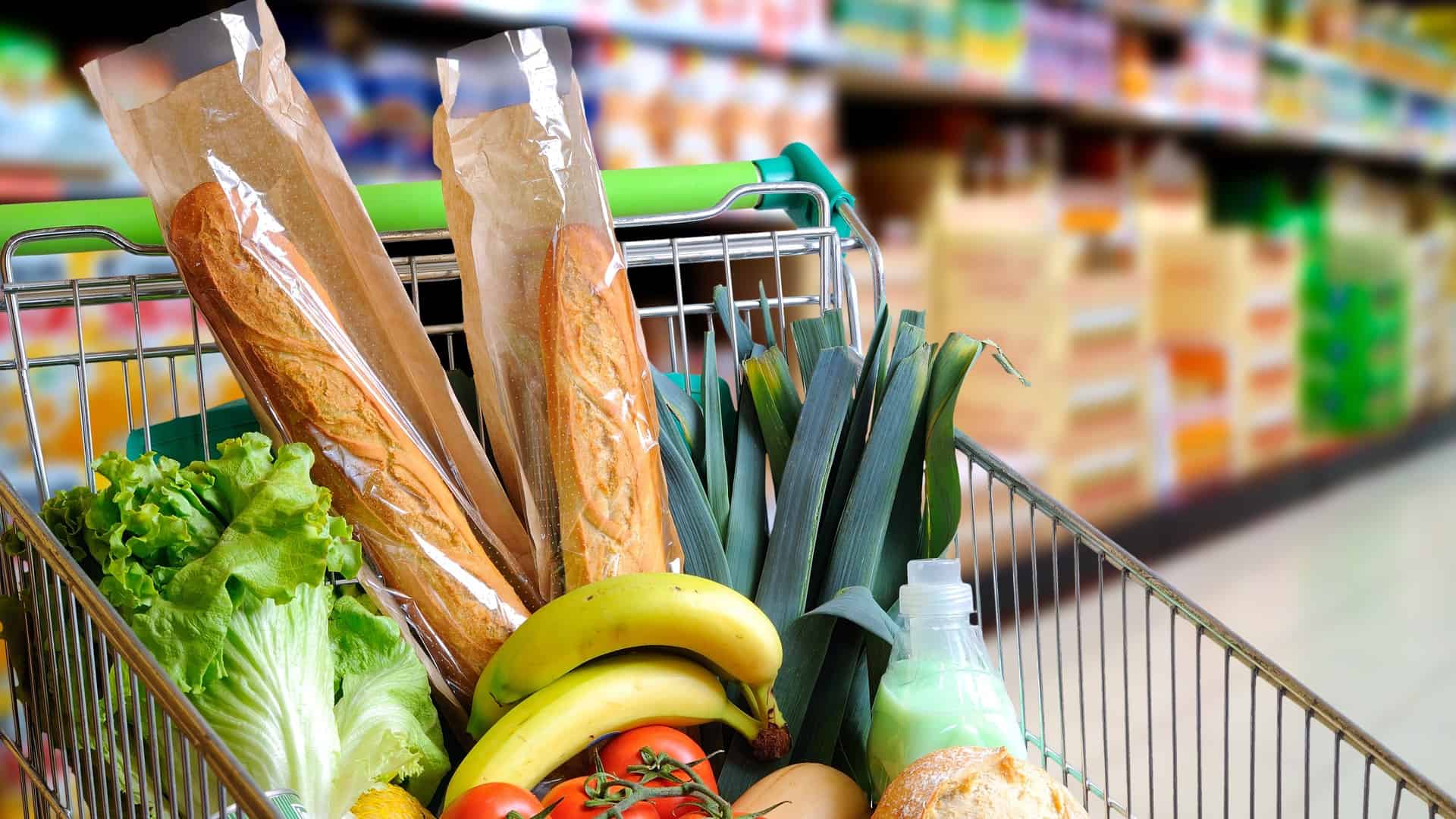
Joining your grocery store’s loyalty program can unlock special discounts and member-only deals. Most of these programs are available in every local store for free, and they are super easy to use. Simply scan your loyalty card or enter your phone number at checkout to enjoy the savings.
Stick to The List
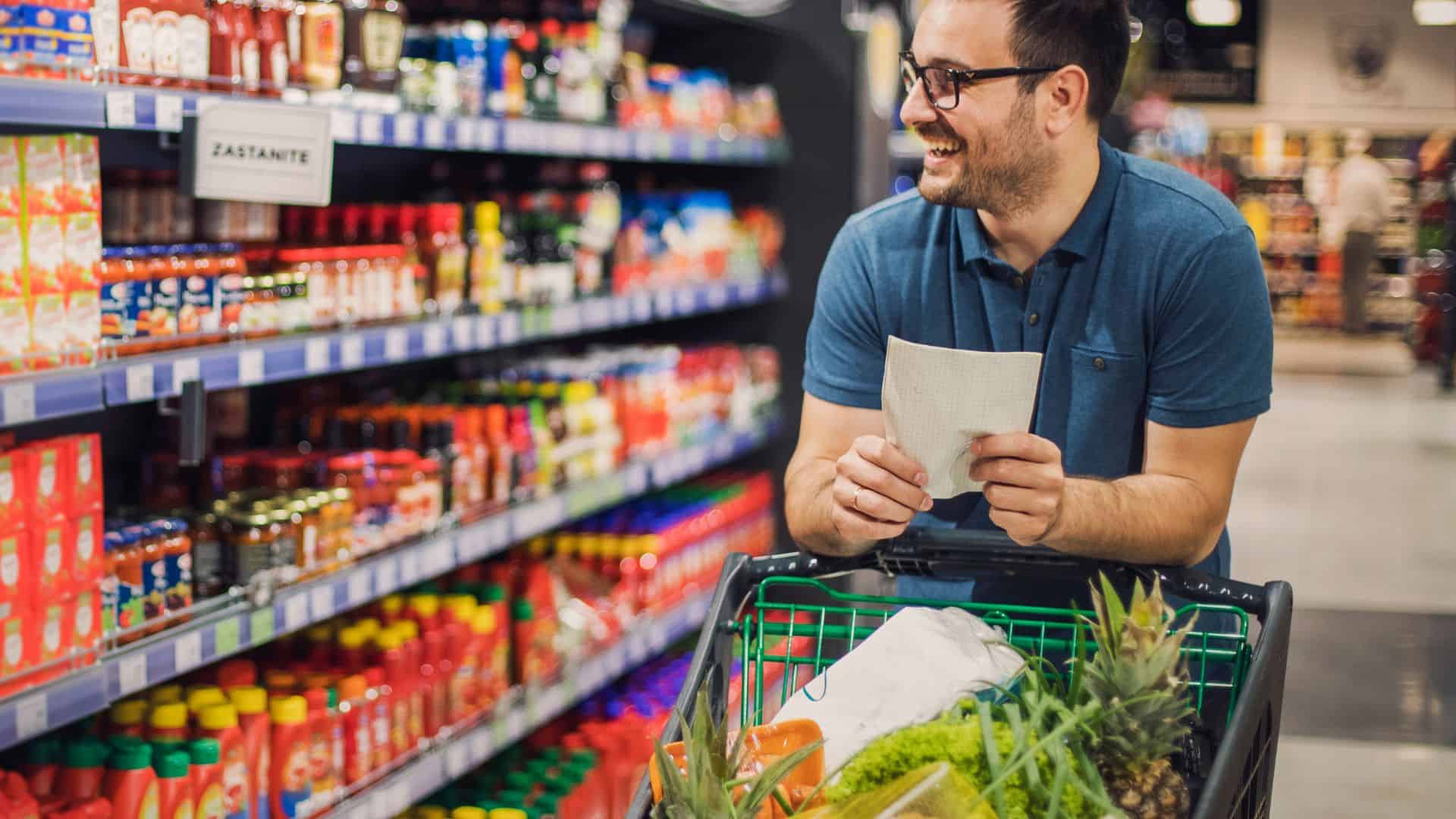
Impulse buying can quickly inflate your grocery bill. Create a shopping list based on your meal plan and commit to sticking to it. By focusing on your list, you’ll avoid picking up extra snacks or items you don’t truly need.
Use a Cash Back Card

Many credit cards offer cashback rewards on grocery purchases. Check which card in your wallet has the best deal and use it for your shopping trips. The small percentage you earn back can add up over time, giving you even more savings.
Inventory Your Pantry

Before heading to the store, take a quick look at what you already have. Checking your pantry, fridge, and freezer helps you avoid buying duplicates and prevents food from going to waste.
Order Curbside Pickup

Shopping online for groceries and using curbside pickup can save you both time and money. Without the temptation of wandering through aisles, you’re less likely to grab unnecessary items. Plus, you can review your cart total before you finalize your purchase.
Buy Freezable Foods

When you spot a good deal on items like meat or bread, buy extra and freeze them for later. This is especially helpful for items with shorter shelf lives. Freezing food lets you take advantage of discounts without worrying about spoilage.
Buy Frozen Fish

Very often, the fresh fish in the seafood department of the grocery store has already been frozen and thawed and displayed as "fresh." The price of this fake fresh fish is often much higher than the same fish in the frozen food section. Always buy frozen fish when at the grocery store. It is the same as the fish in the expensive "fresh" section.
Skip the Prepped Foods

Many grocery stores offer a good amount of pre-made, fresh deli foods. However, these pre-prepped foods are not as good as they may seem. They are often way more expensive than any fresh foods or foods you could make at home. If you are running short on time, sure, grab some pre-made foods. Just be warned that your bill will be through the roof!
Shop Seasonal Produce

Produce that’s in season is not only fresher but also much cheaper. For instance, strawberries are more affordable in summer than in winter. Incorporate seasonal fruits and vegetables into your meal plan for better flavor and savings.
Shop the Sale Rack

Many stores have a discount section where items nearing their expiration date are sold at reduced prices. From slightly bruised fruits to day-old bakery goods, these items are still perfectly good to eat and can significantly lower your grocery bill.
Saving money at the grocery store doesn’t mean giving up your favorite foods. With these tips, you can shop smarter, reduce waste, and enjoy your favorite meals without breaking the bank.
This article was first published at Spatula Desserts.
Leave a Reply