
If you have ever run into a situation where you have decided to buy all the fresh foods you need, but all of a sudden, they just went wrong in a few days, then this article is for you. Most of us now buy in bulk instead of making daily trips to the grocery store, which means we need to learn how to keep our food fresh for longer at home. We have collected 14 useful and easy tips on how to keep your food fresh for longer.
Note: The content of this article is not medical advice.
Learn how to use your freezer

Plenty of ingredients can be safely stored in the freezer. Mushrooms, ginger, and avocado are excellent choices. Opt for thick packaging materials to protect your food from the cold such as heavy plastic wrap, and aluminum foil.
Put paper towels in your salad

Whenever you buy lettuce, add a few sheets of kitchen roll to absorb excess moisture. This will help keep your lettuce fresh for longer.
Avoid avocados from browning

If you love avocados, you know that if you only eat half, the other half will soon turn brown, even if kept in the fridge. A good way to prevent this is to store your half avocado with an onion or squeeze a little lemon juice on it.
Clean your fridge regularly

Clean your fridge regularly is a good rule of thumb to avoid waste. In this way, you will soon notice whether some ingredients need to be eaten shortly.
Read your labels

Most products' labels will include detailed information on how to store them properly. Read this carefully and follow the instructions provided. Some may suggest keeping your food in a dry place, while others may advise keeping a certain product in the refrigerator once opened.
Wash berries in vinegar

Berries are expensive and tend to ripen quickly. To prevent this, wash your berries in a solution made with one portion of vinegar and three portions of water, let them dry, and store them in the fridge.
Cook

Are your veggies getting overripe? Then it’s time to cook them before it’s too late! You can make plenty of jams or fill up your jars with homemade tomato sauce. This will avoid waste and prepare delicious food to eat throughout the week.
Put your herbs in water

Finishing the huge bunches of basil and parsley sold in supermarkets is never easy unless you’re cooking for ten people. The secret? Treat your herbs as a bouquet. Put them in a nice vase with water, and they will stay fresh for days.
Flour in the Fridge
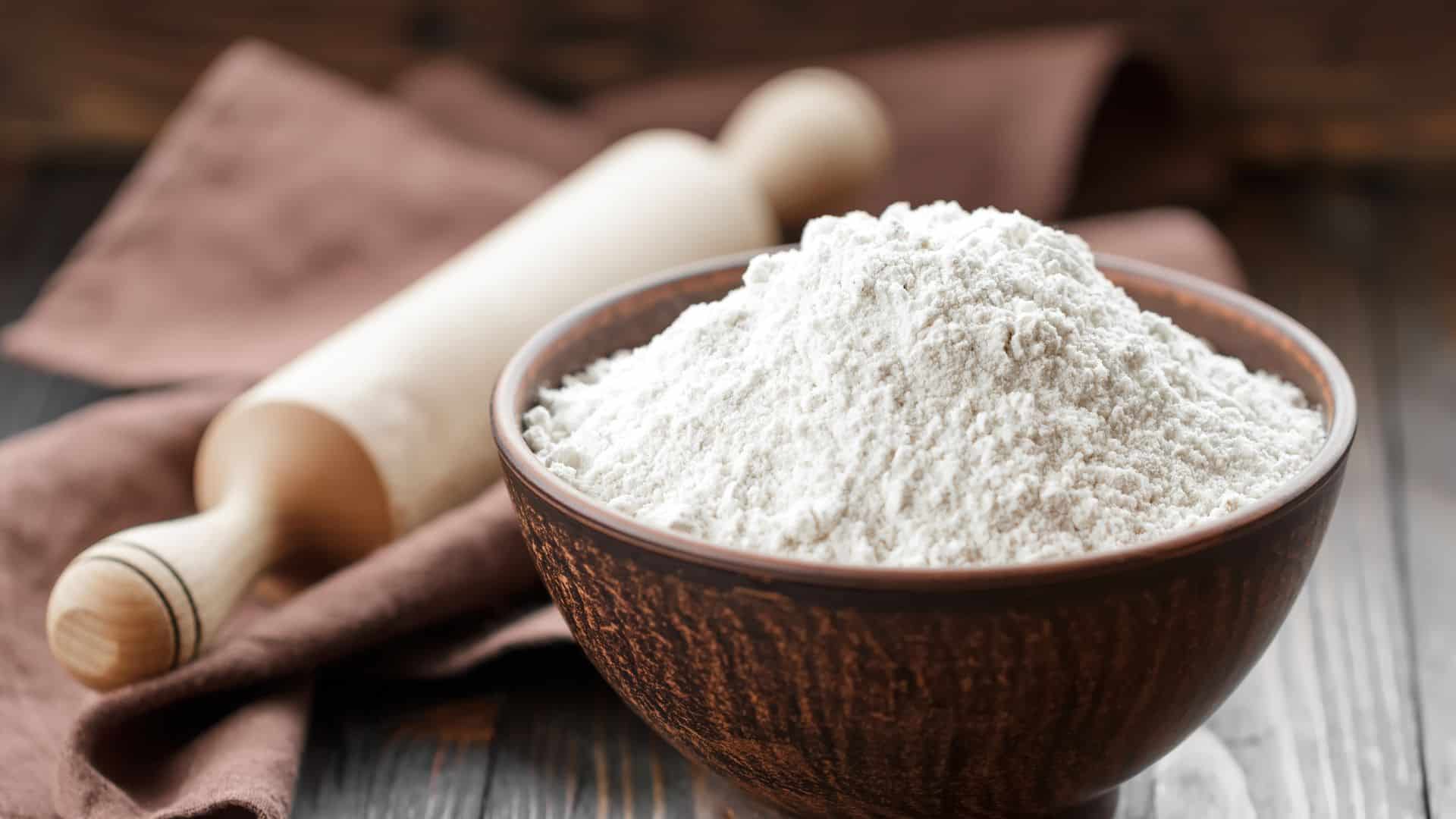
You may not think of putting your flour in the fridge, but that is where it really should be stored! When flour is stored in the pantry, it can start to attract little bugs called weevals. While those bugs won't harm the flour, they are gross! Putting your opened bag of flour in the fridge will prevent you from opening the bag to find those little black bugs.
Learn how to use your fridge

While some products last longer in the fridge, others stay fresher outside of it. Some of the foods you should always keep outside of the fridge include tomatoes, bananas, and onions.
Create a system

Creating a system will help you reduce food waste. For instance, you can keep veggies and fruits that need to be eaten soon in a certain compartment of your fridge. Try a few different techniques and see what works for you.
Vacuum Seal

If you buy a big pack of meat or veggies, divide it into usable portions, vacuum seal it, and freeze the rest. Investing in a vacuum sealer is a great idea, especially if you plan to buy food in bulk regularly. Vacuum sealers will suck out all the air from the packaging and help keep foods fresher for longer. Plus, it will make your fridge and freezer look super organized!
Cover your bread

Bread tends to get dry quite quickly. However, there is a simple way to avoid this. Simply put it in a bread box, plastic wrap, or airtight plastic bag to ensure it will retain its moisture over time.
Wash your veggies at the very last

Avoid washing your veggies and fruits before storing them in the fridge. This will increase their moisture and result in faster decay.
This article was first published at Spatula Desserts.
Leave a Reply