
As we grow older, so do our bodies, and with that, our response to food shifts. The meals and snacks that once brought comfort or quick energy in our younger years don’t always serve us as well past 60. The truth is, aging brings changes to digestion, metabolism, and even how our bodies process nutrients. A diet that supported you in your 30s or 40s might now be contributing to fatigue, inflammation, or more serious health concerns.
Note: The content of this article is for informational purposes only and is not a substitute for professional advice. Always consult with a qualified professional for advice tailored to your individual circumstances.
Deli meat

Deli meats are a convenient choice for quick meals, but they come with hidden health risks. These processed meats are packed with sodium and preservatives, making them harmful for those with high blood pressure or kidney issues. Eating deli meat regularly can also increase the risk of heart disease. For a healthier option, consider cooking fresh meat at home.
Canned soups

Canned soups may be a pantry staple for many elderly, but they’re often high in sodium and preservatives. Excess sodium can elevate blood pressure, increasing the risk of cardiovascular problems. While they are convenient, their additive-rich profiles make them less nutritious than homemade alternatives. Opt for low-sodium or freshly made soups instead.
Coffee creamers

Coffee creamers are a favorite among coffee drinkers, but they often contain artificial sweeteners and trans fats. These ingredients can raise cholesterol levels and increase the risk of heart disease. Instead, try using milk or unsweetened plant-based creamers for a better alternative.
Canned beans
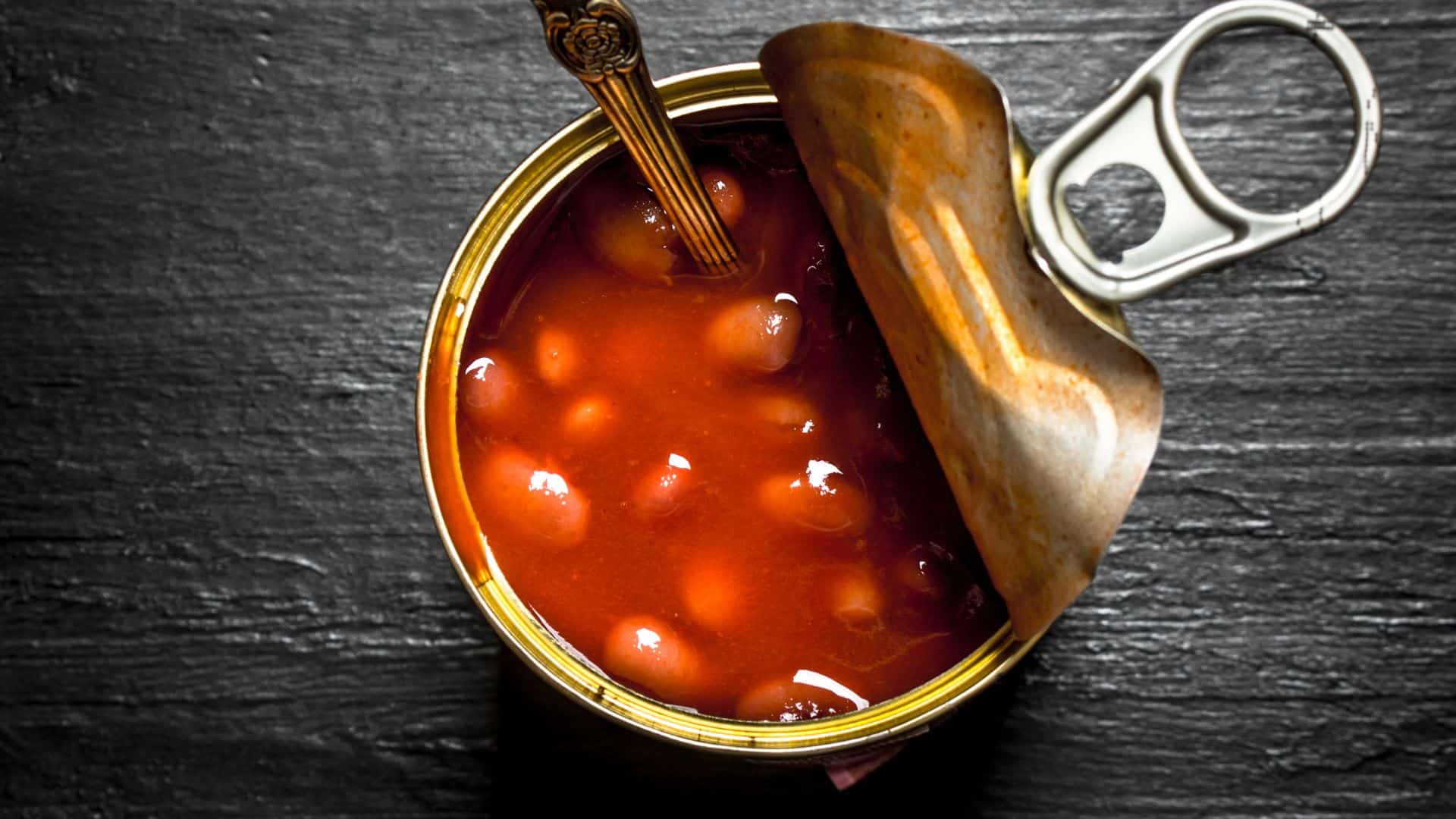
Canned beans are a popular choice due to their ease of use, but they often contain harmful nitrates and nitrites. These preservatives are used to prolong shelf life, but can have a negative impact on your health. Seniors should consider rinsing canned beans thoroughly or opting for dried beans to cook from scratch for a healthier alternative.
Sausage

Sausages are highly processed and filled with saturated fats and sodium. These components can raise cholesterol levels and increase the risk of heart disease. Reducing or eliminating sausage from the diet can make a big difference in improving overall heart health.
White bread

White bread is a common grocery item, but it’s far from healthy. It’s made from refined grains that lack essential nutrients and fiber. Regularly eating white bread can contribute to weight gain, spikes in blood sugar, and an increased risk of heart disease. Whole-grain options are a much better choice for maintaining health.
Artificial sweeteners

Artificial sweeteners are often marketed as healthier alternatives to sugar, especially for older adults. However, studies have shown they may contribute to obesity, diabetes, and heart disease. These sugar substitutes are best used sparingly, and natural sweeteners or moderation in sugar consumption may be a safer approach.
Diet soda

Many seniors reach for diet soda as a healthier alternative to regular soda. However, these beverages are often loaded with artificial sweeteners that may not be as safe as they seem. Diet sodas provide little to no nutritional value and can worsen health conditions like diabetes. Additionally, frequent consumption has been linked to an increased risk of heart problems and other chronic illnesses.
Sugary Cereals

Many breakfast cereals marketed as healthy are actually packed with added sugars and refined carbohydrates, making them a poor choice for adults over 60. These ultra-processed foods can lead to blood sugar spikes, weight gain, and increased risk of chronic conditions like heart disease. Instead, opt for plain oats, steel-cut oatmeal, or unsweetened whole grain cereals topped with fruit and nuts. These options provide more fiber, less sugar, and better long-term support for heart and digestive health.
Canned fruit
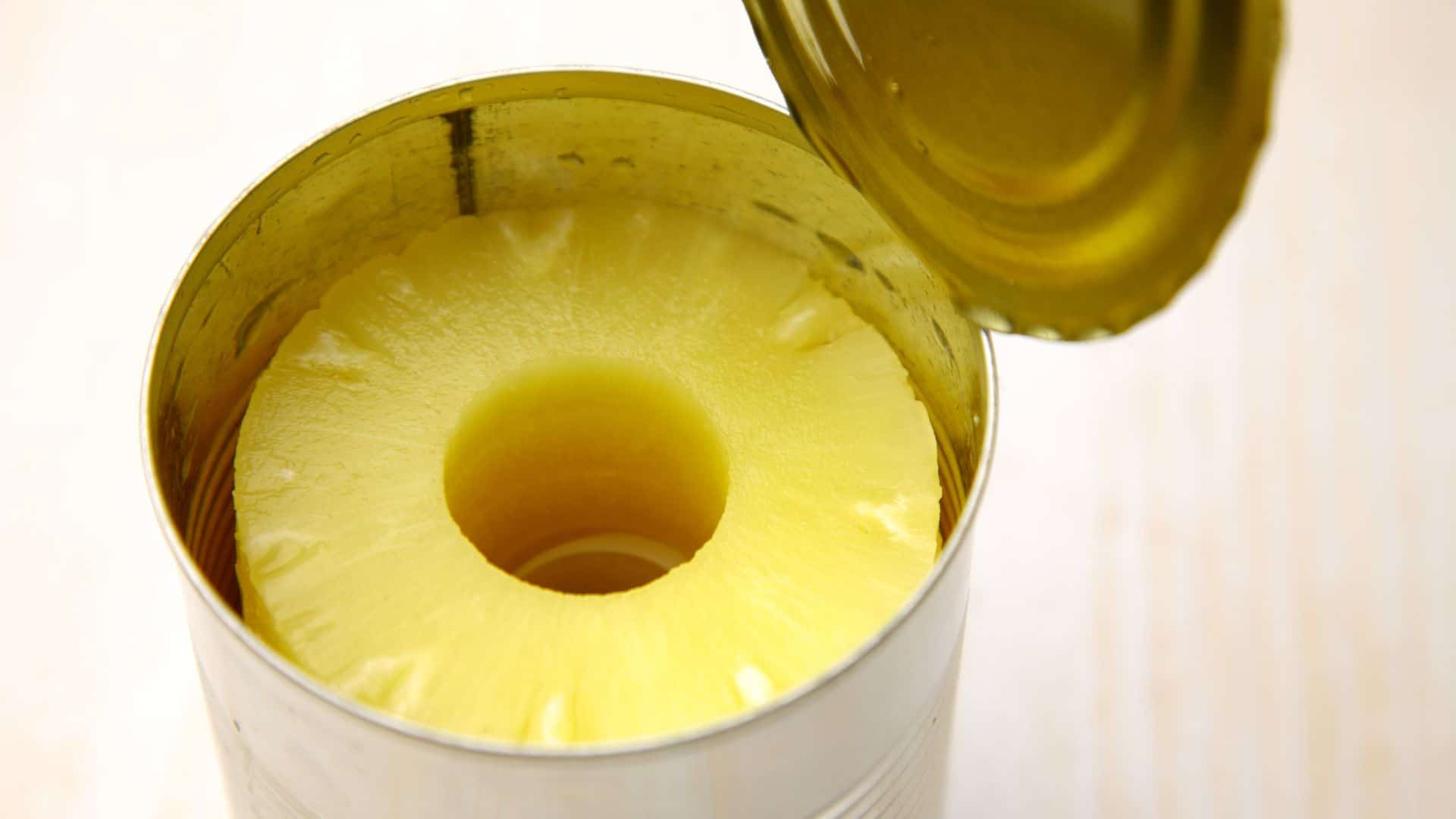
Canned fruit may seem nutritious, but it’s often soaked in sugary syrups that counteract any health benefits. Preservatives added to extend shelf life can also have negative effects. Choosing fresh or frozen fruit without added sugar is a much healthier alternative.
Fried Foods
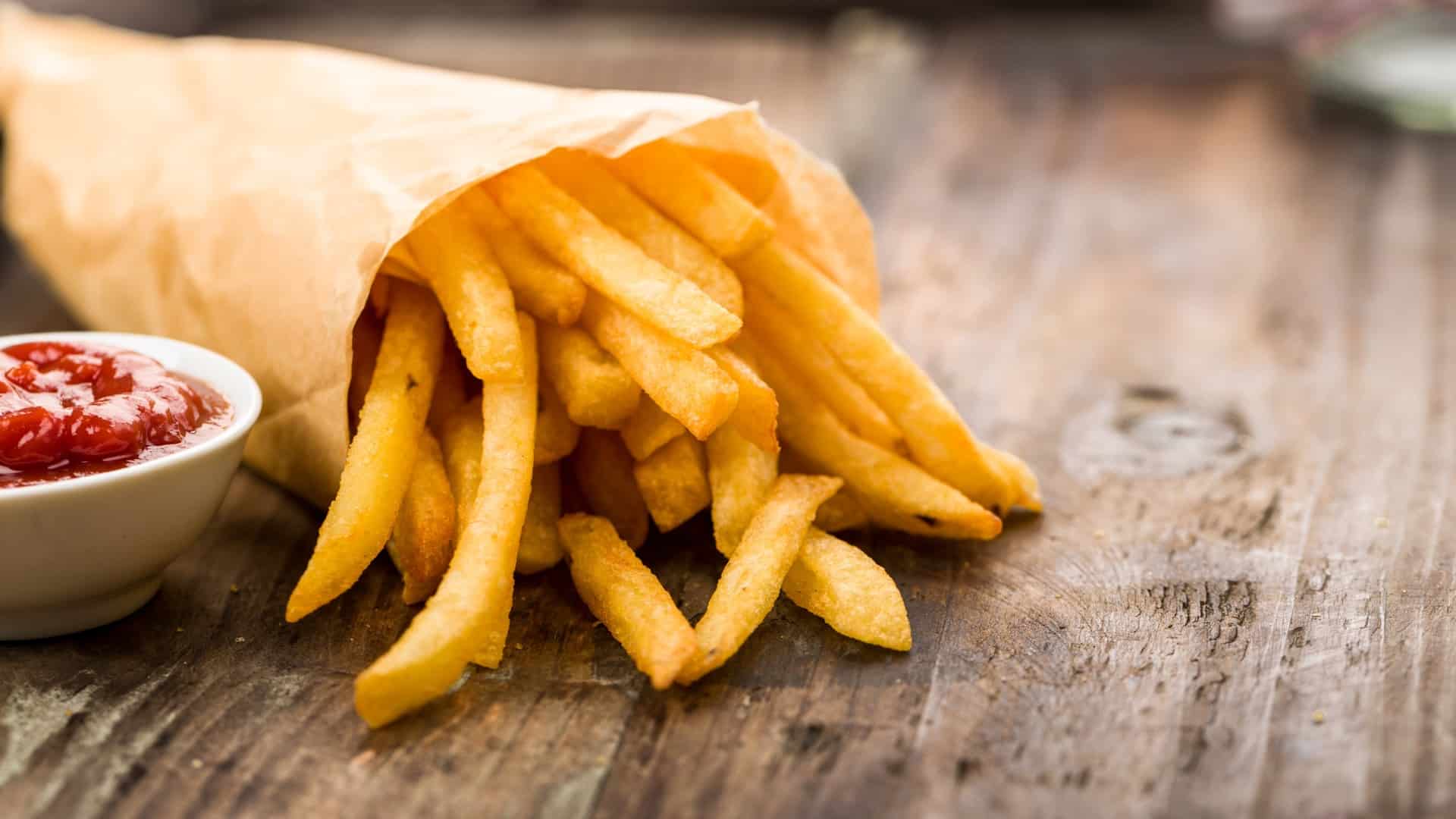
Fried foods are high in unhealthy fats, which can contribute to heart disease and weight gain. These foods are also more challenging to digest and can exacerbate pre-existing conditions. Reducing fried food intake and focusing on baked or grilled alternatives can help support better health.
Caffeine

While caffeine can boost energy, it may cause an irregular or rapid heartbeat, particularly in older adults. Too much caffeine can also interfere with sleep and exacerbate certain health conditions. Limiting intake or switching to decaffeinated options can help maintain a steady heart rhythm.
Alcohol

Alcohol can interact with medications and affect the body differently as we age. It can increase the risk of falls, impair judgment, and cause dehydration. Limiting alcohol consumption or opting for non-alcoholic alternatives is a safer choice for maintaining overall health.
Raw Eggs

Eating raw or undercooked eggs, such as in cookie dough or homemade sauces, increases the risk of salmonella. Older adults are more susceptible to foodborne illnesses, which can lead to severe health complications. Always ensure eggs are fully cooked before eating.
By making small changes and being mindful of what’s on your plate, it’s possible to enjoy meals while maintaining a healthy and active lifestyle. Always consult a healthcare provider for personalized dietary advice.
Leave a Reply