
Baking might seem simple, but even tiny mistakes can lead to disappointing results. If your cakes sink, cookies spread too much, or pastries turn out dry, chances are you’re making one of these common baking errors. The good news? Most of them are easy to fix once you know what to watch out for. We’re breaking down the most frequent mistakes so you can bake desserts that look and taste just as amazing as you imagined.
Not Preheating The Oven

Preheating the oven is a crucial step in baking. Failure to preheat can result in uneven baking, longer baking times, and potentially undercooked or overcooked baked goods. Always preheat your oven to the specified temperature in the recipe before placing your baking pans inside.
Ignoring Ingredient Measurements

Using inaccurate measurements, such as eyeballing quantities or different measuring techniques (scooping flour directly from the bag), can throw off the balance of ingredients and affect the texture and structure of your baked goods.
Using Cold Ingredients

Many baking recipes require ingredients like butter, eggs, and dairy products to be at room temperature before use. Using cold ingredients can hinder proper incorporation and affect the texture of your baked goods. Bring these ingredients to room temperature before starting your recipe.
Overmixing The Batter Or Dough

Overmixing batter or dough can lead to tough and dense baked goods. Mix the ingredients until they are combined, and no streaks of flour remain. Avoid excessive mixing or using high-speed settings on mixers, as this can overwork the gluten and result in undesirable textures.
Opening The Oven Door Too Often

Resist the temptation to open the oven door frequently while baking as this can cause temperature fluctuations that affect the baking process. Keep the oven door closed as much as possible during baking to maintain a consistent temperature.
Not Using An Oven Thermometer

Oven temperatures vary widely; relying solely on the oven's built-in temperature settings may lead to inaccuracies. Use an oven thermometer to ensure that your oven is at the correct temperature, as indicated in the recipe.
Substituting Ingredients Without Understanding Their Roles

Certain ingredients, such as flour, fats, and liquids, play specific roles in baking chemistry and can't always be swapped interchangeably. Research alternative ingredients and their effects on baking properties before making substitutions.
Using Expired/Stale Ingredients

Check the expiration dates of your ingredients before using them in baking. Expired baking powder, baking soda, yeast, and other leaveners can lose effectiveness, resulting in flat or dense baked goods.
Ignoring Sifting And Aerating Instructions

Sifting dry ingredients like flour, cocoa powder, and powdered sugar removes lumps, aerates the ingredients, and helps distribute leaveners evenly, promoting even rising and a lighter crumb in your baked goods. Make sure you take the time to do this step when the recipe calls for it.
Not Allowing Baked Goods to Cool Properly
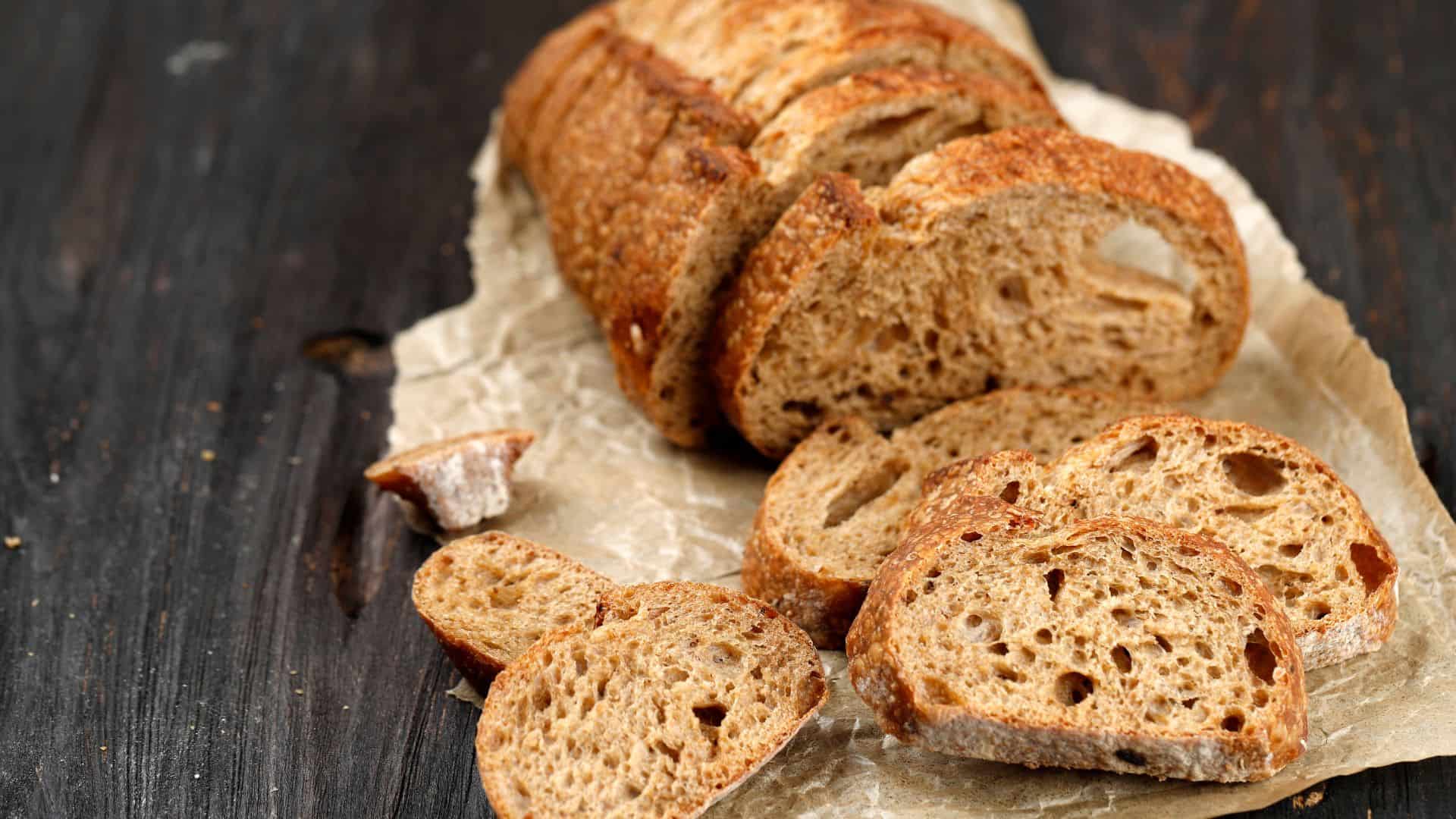
Rushing the cooling process can lead to uneven textures, collapsed structures, and moisture loss. Follow recipe instructions for cooling times and methods, such as cooling cakes in their pans on wire racks for a specified duration before removing them.
Overcrowding The Oven

Avoid overcrowding the oven with too many baking pans or trays at once because it can impede air circulation and lead to uneven baking. Space out baking pans evenly on oven racks, allowing sufficient room for hot air to circulate around each pan.
Not Testing For Doneness

Testing for doneness is a critical step in baking to ensure that your baked goods are fully cooked and ready to be enjoyed. For items like cakes and cookies, use visual cues, such as golden brown coloration and pulling away from the edges of pans, to indicate doneness.
Letting The Dough Rest

Lots of recipes require "resting time". When baking bread, this time allows the yeast to grow and develop, making the dough fluffy and light. When baking cookies, resting time helps relax the gluten in the flour, making the dough less tough and chewy. Skipping the resting time can be a terrible mistake. Always look at the recipe and do as it asks!
Using a Bad Recipe

You can google almost any food and find a recipe, but that doesn't mean it is a good one. Look for recipes that have positive reviews from well-established websites. Anyone can post a recipe online these days and there are a lot of bad ones out there. Your main baking problem may be as simple as following a poorly written recipe.
Leave a Reply