
Have you ever left the grocery store only to find that you spent half your paycheck on items you didn’t even need? It is incredibly easy to overspend in the grocery store, and it's something we're all guilty of. But this is not your fault. Impulse purchasing represents a much larger component of consumer behavior than people realize.
With the average American spending about $504 on groceries per month, you may be falling for some of the grocery store traps that are set up to make you buy more and spend more. Take a look at these common tactics that grocery stores use to increase sales. Have you fallen for some of these little tricks?
1. Essentials Are Always in the Back

Did you ever notice how milk, eggs, and bread are almost always at the back of the grocery store? That is intentional placement on behalf of grocery store giants everywhere. Stores make you walk past dozens of tempting aisles filled with snacks, baked goods, and packaged foods that you didn’t come in for. The longer you spend inside and the more products you see, the more likely you are to add something unplanned to your cart, which increases your grocery bill.
2. The 10 for $10 Trick
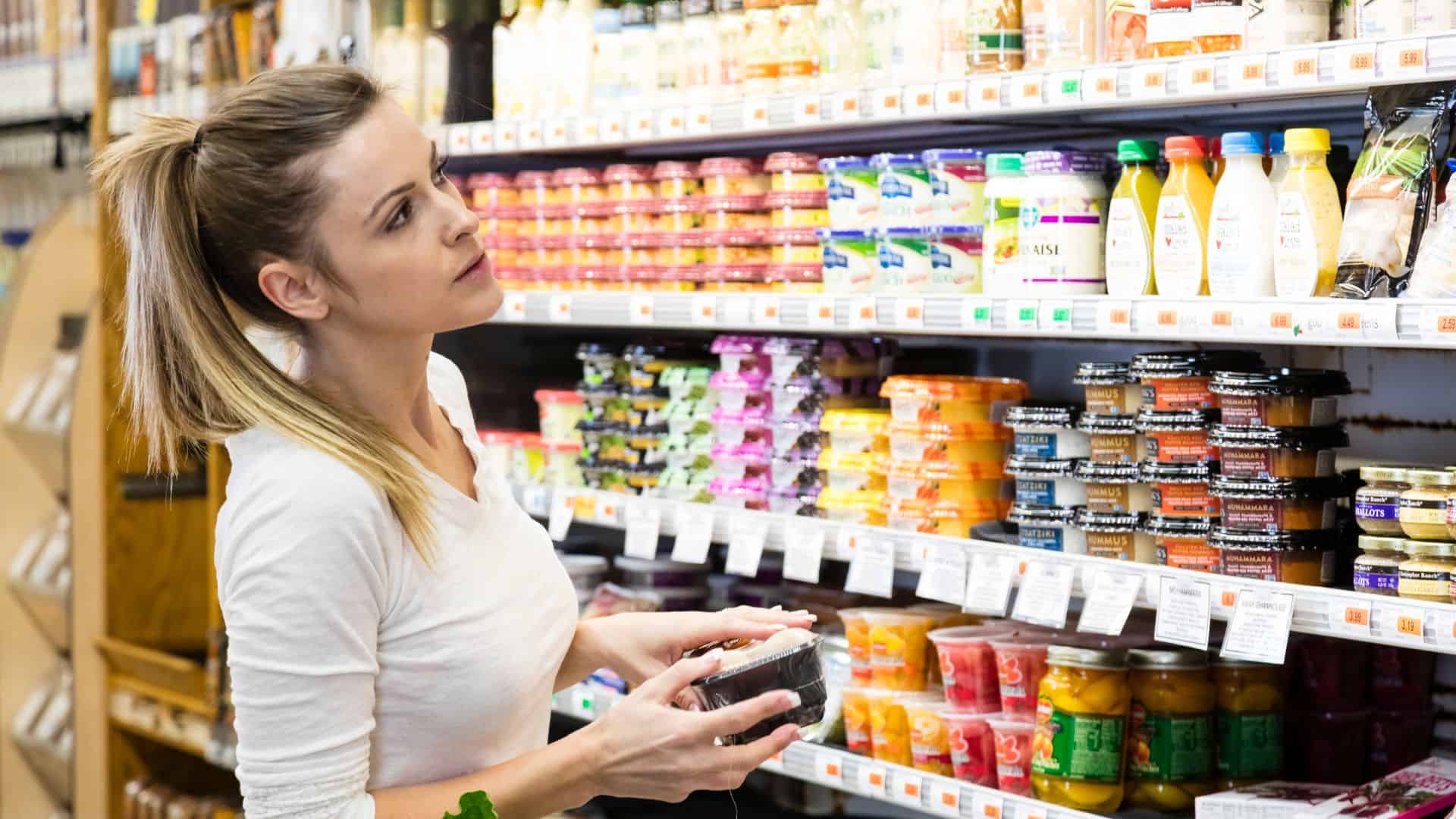
Did you know that you don’t usually have to buy all 10 items to get the deal? That “10 for $10” sign is just a psychological nudge that makes you think buying in bulk is a steal. Most stores will let you buy just one item at the sale price, allowing you to get the deal without overspending. However, the sign makes people grab more than they need without realizing it. Rather than spending just $1, you have now paid $10.
3. Bigger Carts Equal Bigger Bills
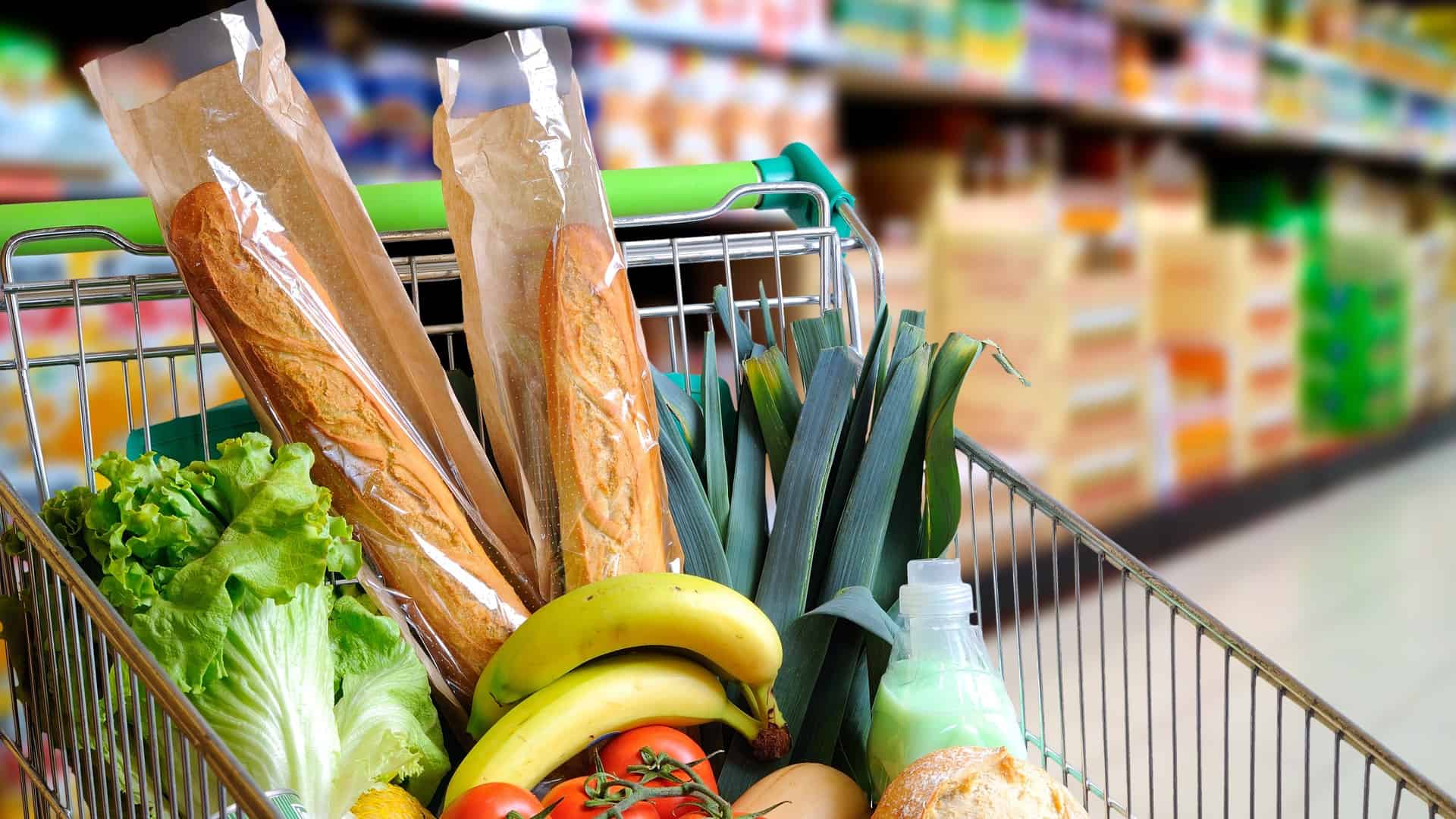
Today’s shopping carts are almost three times the size of those from decades ago. A larger cart creates the illusion that you haven’t picked up much, so you keep adding more just to fill the cart. Studies show that doubling cart size can lead to 40% more spending simply because your cart doesn’t “look full.”
4. Check out Candy and Impulse Buys
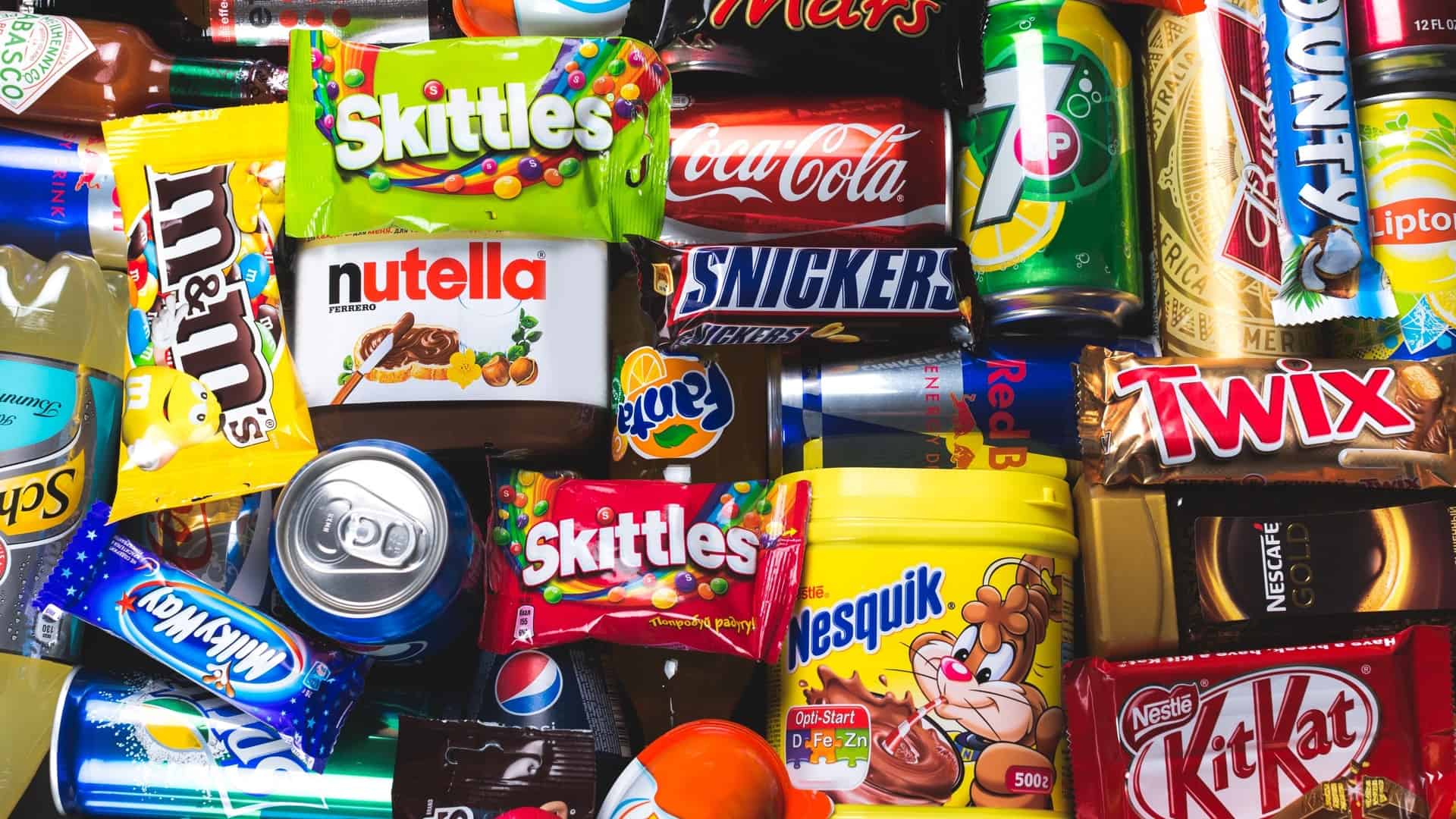
Those little shelves at checkout, filled with gum, candy, and energy shots, are gold mines for stores. In fact, people spend billions each year in the checkout area alone. Why are we so inclined to grab a pack of gum or a candy bar when standing at the checkout? Well, you are likely tired, your brain is decision-fatigued, and a sweet treat feels like a reward. Impulse purchases spike near checkout due to the reduced self-control most people experience at the end of a shopping trip.
5. Free Samples and Guilt Buying
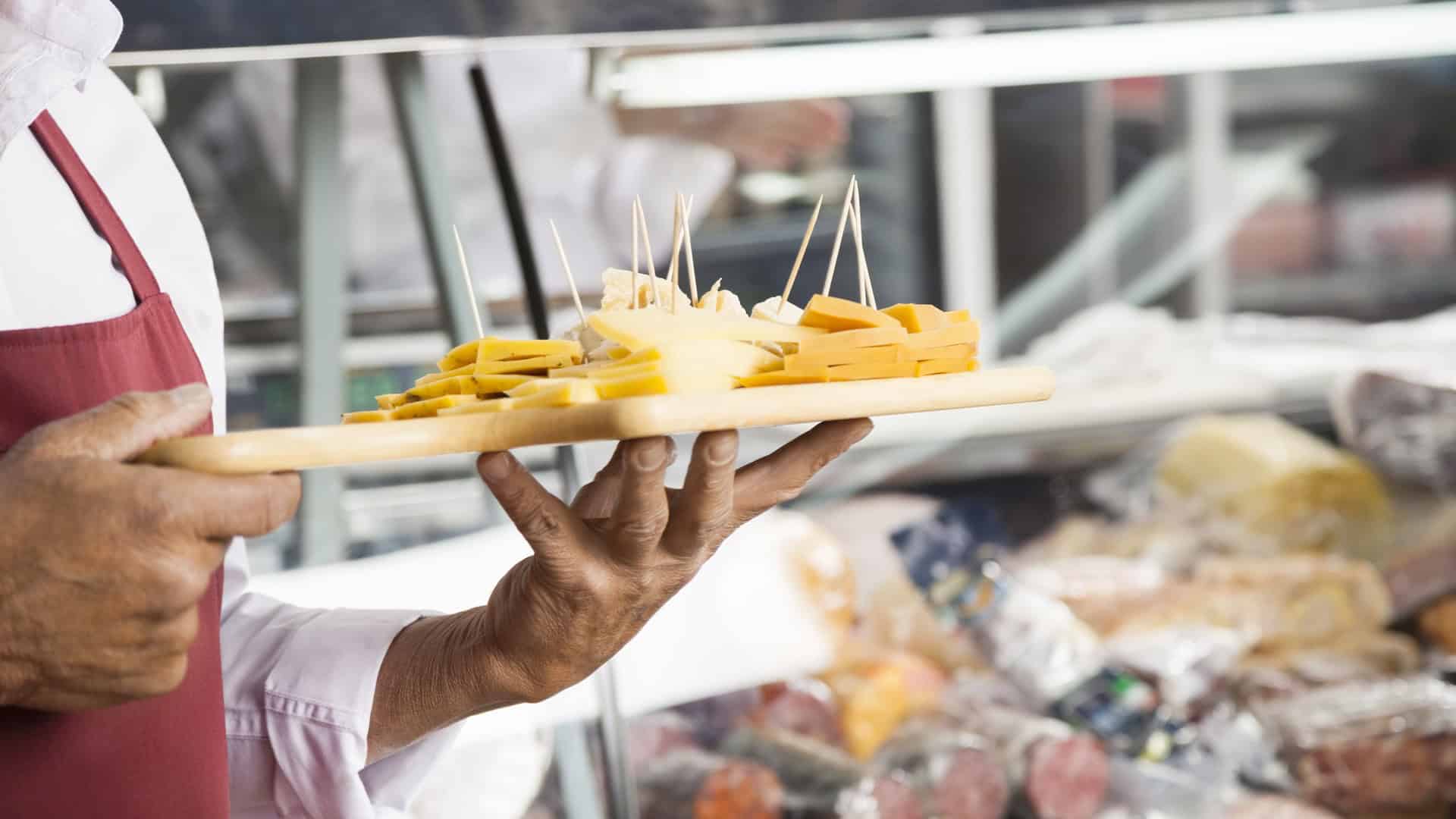
A free sample may feel like a fun little treat, but it can actually come with strings attached. Many shoppers feel guilty about not buying a product after tasting it, especially if they had a conversation with the person serving it. But you don’t have to fall into the guilt trap! If you like the product and believe it's something you need, go ahead and purchase it. However, be sure to check the price and your budget. Do not feel pressured into buying something you didn’t enjoy or cannot afford.
6. End Cap Displays

The products featured at the end of aisles (end caps) often appear to be on sale, but that is not always the case. These prime spots are often reserved for higher-margin or promotional items. Similar products may be located in the aisle for a better price. It's always worth taking a few extra steps to find a better deal or a superior product.
7. Eye-Level = High Price

Eye level is buy level. Brands pay to be placed at eye level on shelves because that is where we naturally look first. However, items placed in prime positions usually come with higher price tags. Always check the top and bottom shelves for better deals, generic brands, or larger quantities that may be available at a lower unit cost.
8. Seasonal Displays Create Fake Urgency
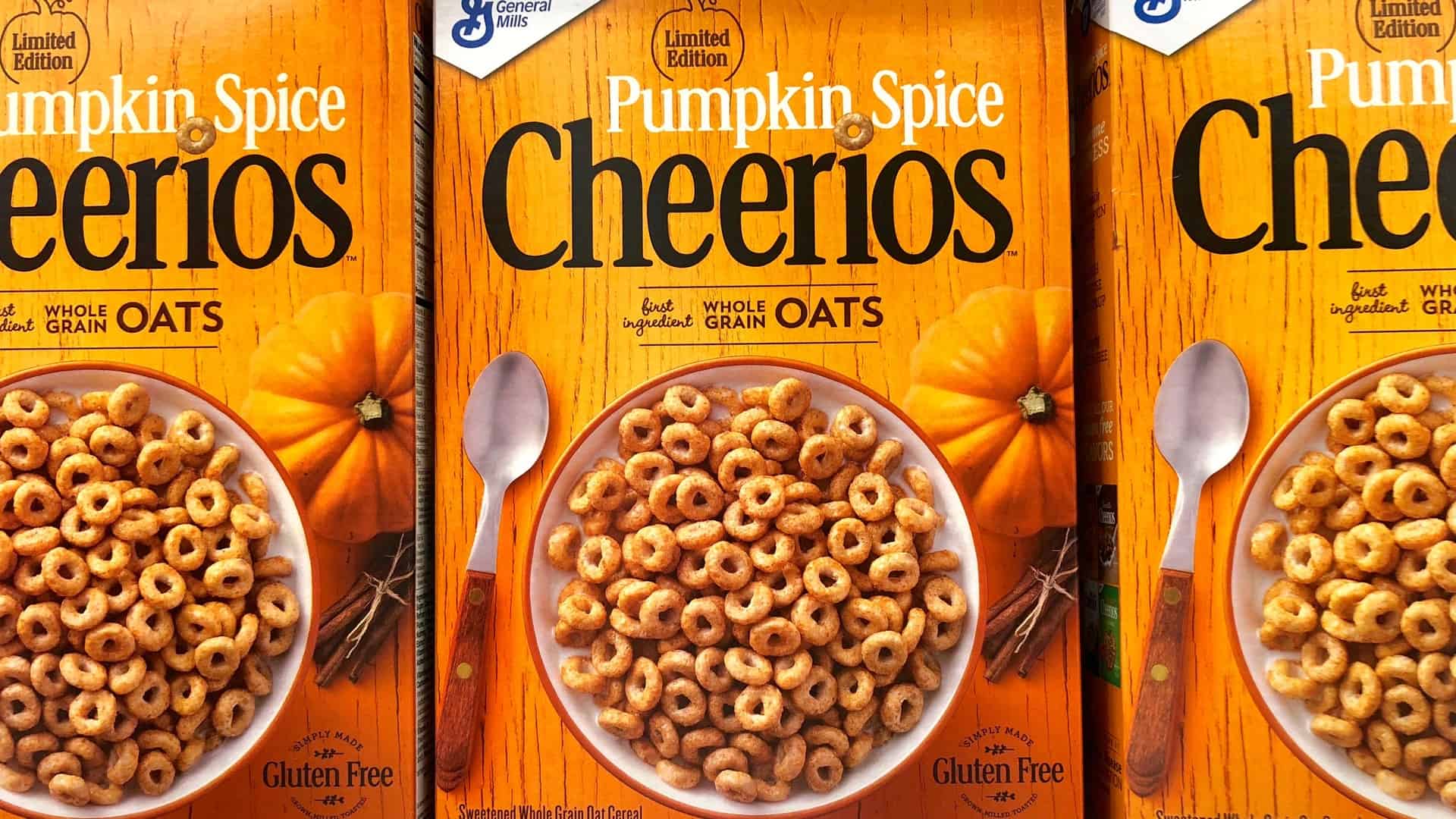
Pumpkin spice in August? Red, white, and blue chips in May? Seasonal items are displayed early to create a sense of urgency and FOMO. They make you feel like you have to buy them to “be part of the moment.” Stores will also place seasonal items out early, hoping consumers will eat the seasonal snacks early and then need to repurchase for the real holiday.
9. Scarcity Language Pressures You

“Limit 2 Per Customer” or “While Supplies Last” sounds urgent! And that’s the point. These phrases trigger fear that the product won’t be available later, even if there is actually plenty in stock. Adding these signs and disclaimers pushes you to buy more or faster than you normally would.
10. Kids’ Items at Kid Eye Level
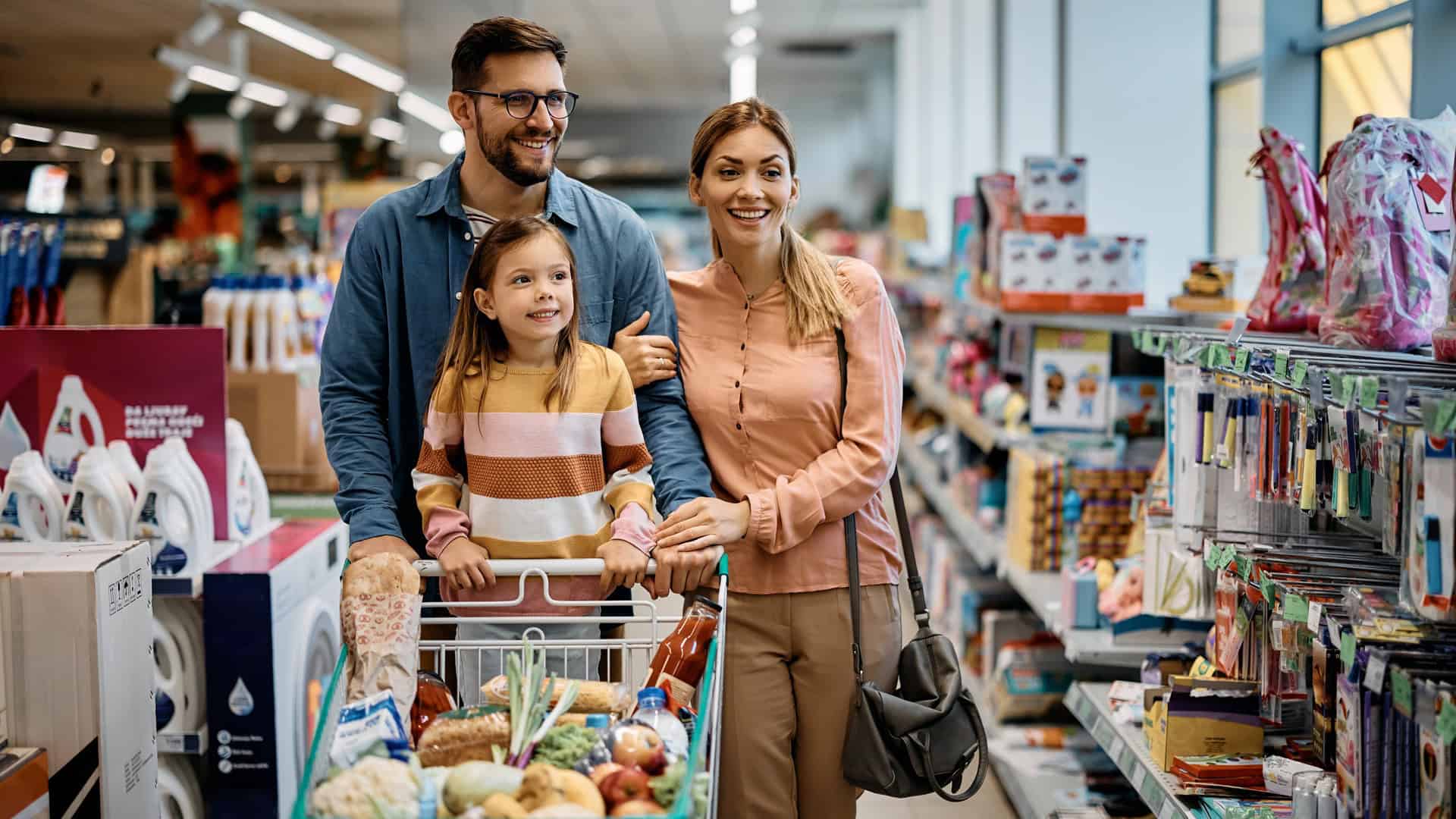
Sugary cereals, candies, and cartoon-covered snacks are often placed low on shelves, exactly where children’s eyes land. This is a strategic move to get your kids begging for products. If you are shopping with kids, you may want to steer the cart away from aisles full of these temptations, or you will find yourself purchasing things you don’t need or constantly telling your kids “no.” Both scenarios are bad!
11. “Spend More, Save More” Offers
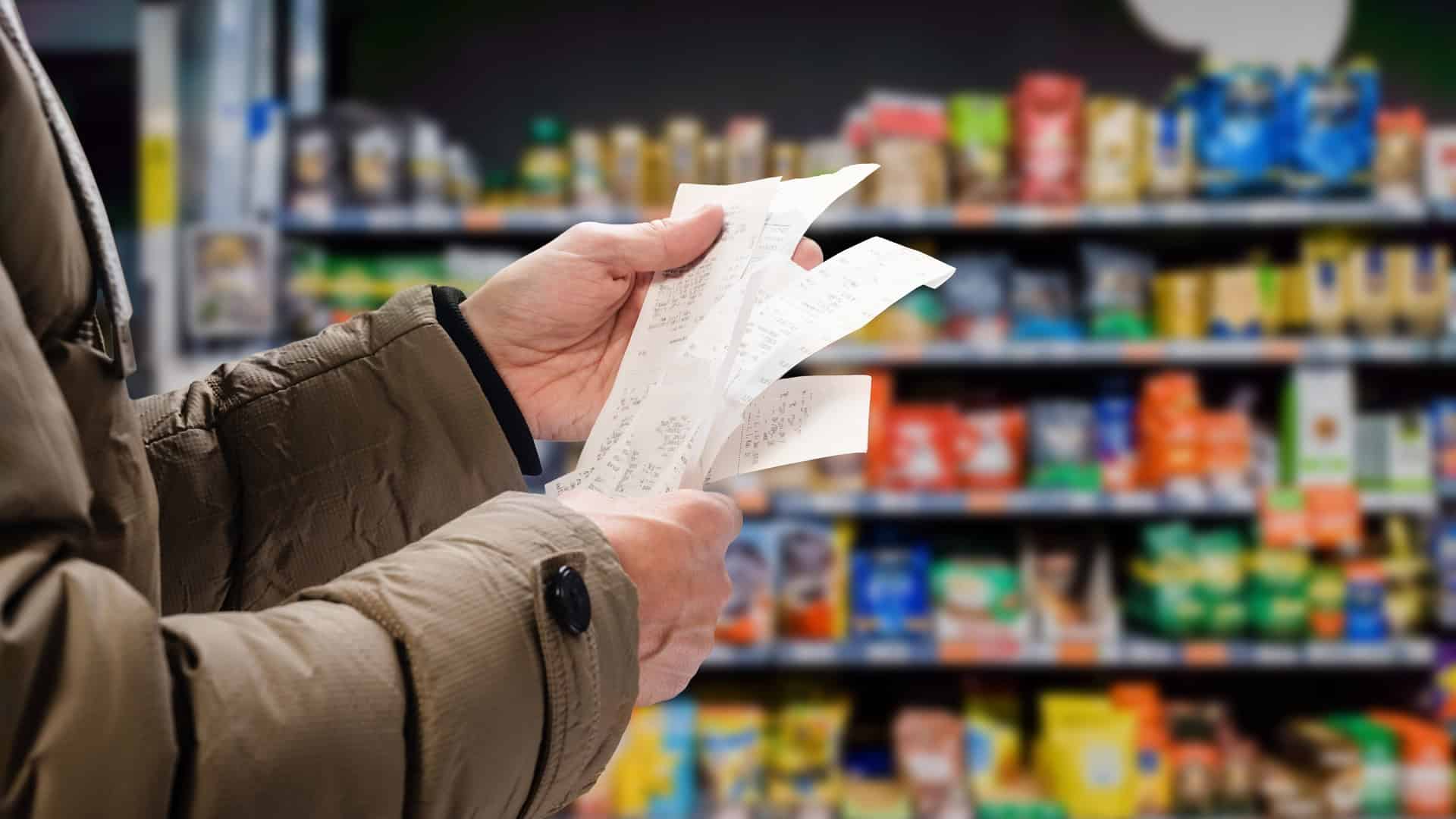
Deals like “Spend $100, Get $15 Off” sound great, but they often cause you to grab extra items just to hit the spending target. Unless you are buying things you already planned to get, you are not really saving anything. These deals are designed to increase your total bill, not decrease it. Instead of trying to reach a specific dollar amount, consider lowering your grocery bill by using coupons, which can save you money without forcing you to spend more.
12. Misleading “Sale” Signs

Bright yellow or red “SALE” tags immediately catch your eye, but you need to look closer than just at the sign. Sometimes, the item is not actually discounted at all! These signs rely on your assumption that something labeled “sale” must be cheaper, but that is not always the case. Instead of focusing on tags, always check the original price or unit pricing.
Leave a Reply