
The egg industry is not all sunshine and roses. In fact, there are lots of secret things that the egg industry doesn't want you to know. You will be very surprised by these 12 egg facts. They will probably change how you look at eggs forever.
Note: The content of this article does not reflect the Writer's personal beliefs.
‘Cage Free’ Eggs Are Not So Great
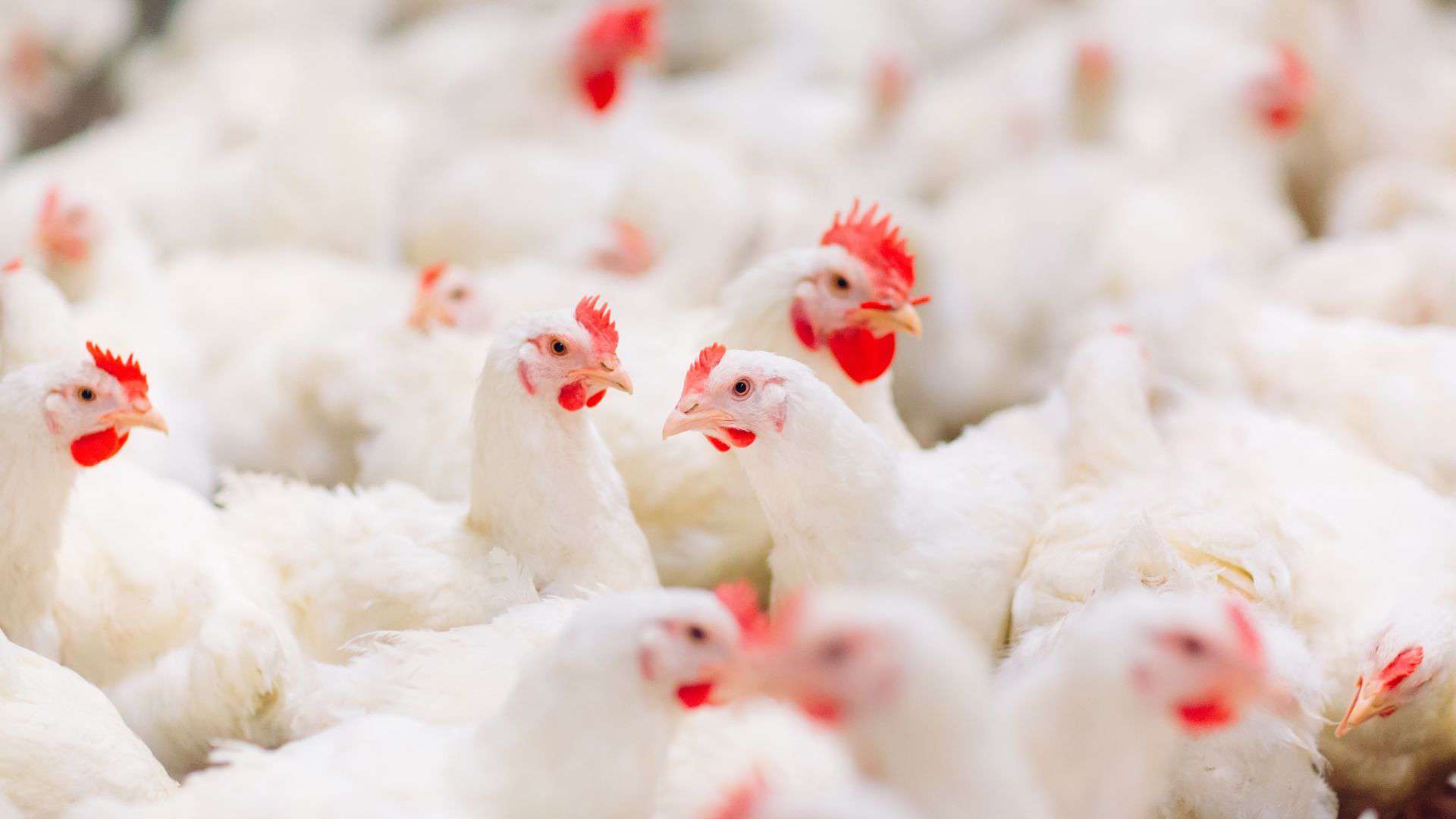
When you buy cage-free eggs, you are probably picturing egg-laying chickens roaming free on a farm full of beautiful green grass, laying eggs wherever they please. This image is completely wrong.
“Cage-free” only means that the birds need to be able to roam free with unlimited access to food and water. Cage-free hens are not required to have access to the outdoors so most often, all the hens are just crammed inside a barn.
On top of that, cage-free eggs are not more nutritious than conventional eggs since the hens are fed the same diet as those who live in cages.
Zero Hormones

You may see egg cartons labeled as “hormone-free”. You'll be happy to learn that they are, in fact, hormone-free! But so are all the other eggs on the shelf.
The FDA banned the use of hormones in poultry production in the 1950s, so no chicken eggs would contain hormones, no matter which carton you buy.
Thick Shells

The thickness of an eggshell is determined by the age of the chicken. Younger chickens lay eggs with thicker, harder shells, while older chickens lay eggs with thinner shells. This is true regardless of the breed of chicken.
Eggshell Colors are Simply Colors

Many people think that certain color eggs are more nutritious. It is a common misconception that brown eggs are healthier than white eggs. However, the color of the eggshell is solely due to the genetics of the chicken.
Some breeds lay white eggs, while others lay blue eggs. There is zero difference in the nutritional value of those eggs. What’s inside is all the same!
Yolk Color Matters

The color of the egg yolk DOES matter when it comes to the nutritional value of the eggs. Brighter, darker-colored yolks indicate that the hen had a richer diet that was full of nutrients and good stuff.
A free-range hen that eats grass all day will have a beautiful deep orange yolk that is loaded with nutrients. A hen that eats grain all day while in a cage will produce a lighter-colored yolk that is not as nutritious.
Age of Hens and Egg Size

Just like the thickness of the eggshell is determined by a hen's age, so is the size of the egg. Older chickens lay larger eggs, while younger chickens will lay smaller eggs. It’s as simple as that!
Free-Range Hens Live Inside

“Free range” is another term that makes you think of wild chickens running around on a farm. However, “free-range” chickens still live in barns.
The only difference is they are given access to the outdoors via a barn door. The door is required to be open for a limited time throughout the day, but most chickens rarely find their way outside.
It’s too hard to push through the crowd of chickens in the barn to get to that door!
Eggs That Float Are No Good

You can test an egg's freshness by placing it in water. If the egg floats, it is old, and you shouldn’t eat it. If it sinks to the bottom of the water, it is safe to eat!
Brown Eggs Cost More

Brown eggs are typically more expensive than white eggs, but that isn’t the case because they are healthier. Chickens that lay brown eggs are larger and require more space and more food. This makes their eggs, in turn, more expensive. The price doesn’t have to do with nutrition, just size.
Lots of Vitamin D
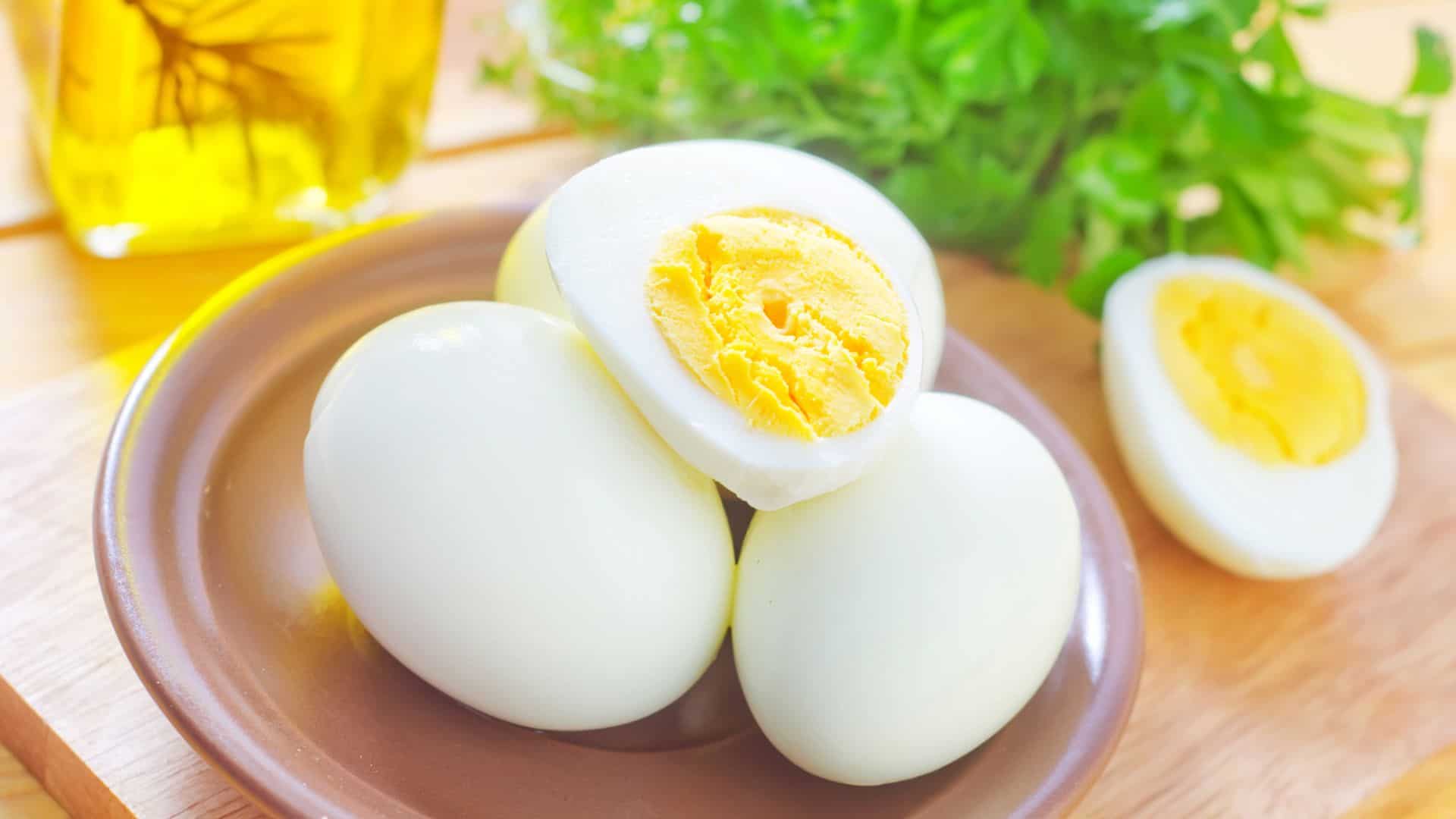
Look for a natural source of vitamin D? Eat an egg! Eggs have a good amount of vitamin D, which is an immune-boosting vitamin. Not many foods contain vitamin D, so if you want a little extra of this beneficial vitamin, be sure to eat your eggs!
American Eggs Go in The Fridge

The USDA requires all farmers to wash their eggs to minimize the risk of salmonella. However, washing the eggs removes the natural lining, called “bloom,” that protects them. Once the bloom is gone, the eggs must be refrigerated to prevent bacterial infection. Other countries don’t wash eggs, so they can be stored at room temperature.
Check out my guide to learn how to pasteurize eggs. It may come in handy one day!
What’s Grade B?

All of the eggs you see in the grocery store are labeled “Grade A” or “Grade AA”. So, what is grade B? Grade B eggs have thinner whites, flat yolks, and sometimes blood spots in the eggs. These eggs won’t be sold as whole eggs- no one would want them! Instead, they are packed into cartons as boxed egg whites or turned into egg powder.
Leave a Reply